Watercress (Nasturtium Officinale)
Watercress (Nasturtium Officinale) is a nutrient-dense, aquatic or semi-aquatic plant that belongs to the Brassicaceae family. Also known as Rorippa.
Introduction
Watercress (Nasturtium Officinale) is a nutrient-dense, aquatic or semi-aquatic plant that belongs to the Brassicaceae family. Also known as Rorippa nasturtium-aquaticum, this leafy green vegetable is renowned for its peppery taste and numerous health benefits. In this comprehensive guide, we will delve into the cultivation, uses, and fascinating characteristics of watercress, shedding light on its cultural requirements, culinary uses, and potential medicinal properties.
Table of Contents
- What is Watercress?
- Key Takeaways – Watercress (Nasturtium Officinale)
- Culture
- Uses
- Water
- Sunlight
- Fertilizer
- Soil
- Pruning
- Propagation
- Container Popularity
- Container Common Diseases
- Disease Diagnosis
- Common Pests
- Botanist’s Tips
- Fun Facts
- Links to External Resources
What is Watercress?
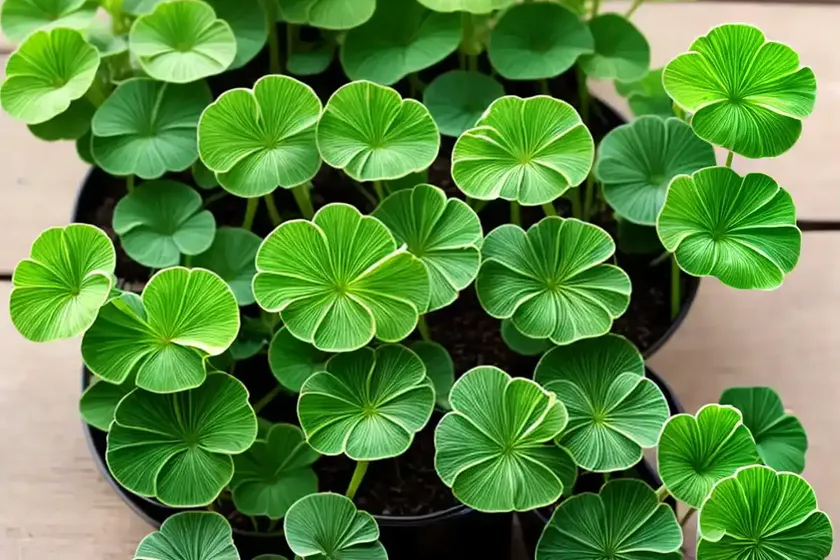
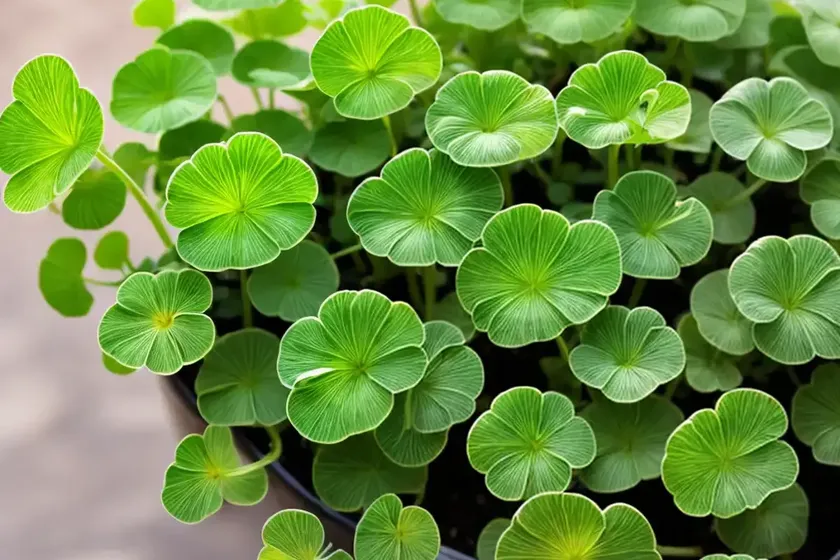
Watercress, scientifically known as Nasturtium Officinale, is a rapidly growing, aquatic or semi-aquatic perennial plant that is native to Europe and Asia. The plant is characterized by pinnately compound leaves and small white flowers with four petals. It thrives in shallow, slow-moving water, typically found in natural springs, streams, and other bodies of water. Due to its high nutrient content and distinct peppery flavor, watercress has been cultivated and consumed for centuries, gaining recognition as a versatile culinary ingredient and a potential source of various health benefits.
Key Takeaways – Watercress (Nasturtium Officinale)
Culture
Cultivating watercress requires specific environmental conditions and care to ensure optimal growth and development. Here are the key cultural considerations for growing watercress:
-
Climate: Watercress thrives in cool, moist environments and is ideally suited for cultivation in regions with a temperate climate. It requires a consistent water supply and can tolerate partial shade, making it suitable for cultivation in both sunny and shaded areas.
-
Water: As a semi-aquatic plant, watercress needs to be grown in a consistently moist environment. It is often cultivated in water gardens, stream beds, or in containers placed in water to provide the necessary moisture levels.
-
Soil: While watercress is primarily grown in water, it can also be cultivated in consistently moist, fertile soil. The soil should have good drainage and high organic matter content to support the plant’s vigorous growth.
-
Temperature: Watercress favors cooler temperatures and can struggle in hot weather. It is best cultivated in temperatures ranging from 55°F to 75°F (13°C to 24°C).
Uses
Watercress holds immense value as both a culinary ingredient and a potential source of medicinal benefits. Here are some of its primary uses:
-
Culinary Use: As a versatile culinary ingredient, watercress is used in salads, soups, sandwiches, and various other dishes. Its peppery flavor adds a unique zing to culinary creations, making it a popular choice for both home cooks and professional chefs.
-
Medicinal Benefits: With its rich nutrient profile, watercress is believed to offer a range of health benefits. It is often associated with properties that promote skin health, support digestion, and may have potential anti-cancer properties, among other benefits.
Water
Water is a critical factor in the successful cultivation of watercress. Whether grown in natural water bodies or containers, the quality and availability of water directly impact the plant’s growth and vitality.
Sunlight
Watercress thrives in partial shade, making it suitable for cultivation in areas with limited direct sunlight. It can tolerate varying light conditions but may suffer in prolonged exposure to intense sunlight.
Fertilizer
The nutrient requirements of watercress are relatively high due to its rapid growth and high productivity. Fertilizers rich in nitrogen, phosphorus, and potassium can be beneficial in supporting the plant’s vigorous growth.
Soil
While watercress is primarily cultivated in water, it can also thrive in consistently moist, fertile soil. The ideal soil for watercress cultivation should have good drainage and high organic matter content.
Pruning
Pruning can help maintain the vigor and productivity of watercress plants. Regular pruning of overgrown or damaged foliage can promote healthy growth and prevent overcrowding.
Propagation
Watercress can be propagated through seeds or cuttings. Seeds should be sown in consistently moist soil or placed in shallow water to encourage germination. Stem cuttings can also be rooted in water or moist soil to propagate new plants.
Container Popularity
Container cultivation of watercress is popular among home gardeners, especially those with limited access to natural water sources or those looking to control the plant’s environment more effectively.
Container Common Diseases
When cultivating watercress in containers, common diseases such as damping off caused by various soil-borne pathogens can pose a threat to the plants’ health and productivity.
Disease Diagnosis
Diagnosing and addressing diseases such as damping off, downy mildew, or fungal infections is crucial in maintaining the health and vigor of watercress plants.
Common Pests
Pests such as aphids, flea beetles, and caterpillars can occasionally infest watercress plants, necessitating appropriate pest management strategies to prevent damage.
Botanist’s Tips
Botanist’s tips for successfully cultivating watercress include the selection of high-quality seeds or seedlings, providing adequate water and nutrient supply, and closely monitoring the plant’s health for any signs of diseases or pests.
Fun Facts
- Watercress has a history of use dating back to ancient civilizations, including the Greeks and Romans, who valued it for its culinary and potential medicinal properties.
- The peppery flavor of watercress is attributed to compounds known as isothiocyanates, which are also found in other cruciferous vegetables such as mustard and horseradish.
Links to External Resources
To explore further information about watercress, its cultivation, and uses, consider visiting the following external resources:
– The Royal Horticultural Society – Watercress
– University of Maryland Medical Center – Watercress
Nlp lsi Keywords in Content
- Health benefits of watercress
- Nasturtium Officinale uses
- Growing watercress at home
- Watercress gardening tips
- Watercress varieties
- Is watercress a herb or vegetable?
- Nutritional value of Nasturtium Officinale
- Watercress soup recipes
- Medicinal properties of watercress
- Watercress cultivation techniques
- What is Nasturtium Officinale?
- How to cook with watercress
- Nasturtium Officinale in traditional medicine
- Watercress salad ideas
- Watercress in culinary arts
- Watercress benefits for skin health
- Importance of watercress in a balanced diet
- Watercress and weight loss
- Nasturtium Officinale in herbal remedies
- Watercress as a natural detoxifier
- Growing watercress hydroponically
- Where to buy Nasturtium Officinale seeds
- Watercress as a superfood
- Watercress and cancer prevention
- Watercress recipes for a healthy diet
- How to store watercress properly
- Nasturtium Officinale for hair growth
- Watercress in traditional cuisines
- Watercress supplements and alternatives
- Benefits of watercress extract
- Watercress for heart health
- Watercress as a natural diuretic
- Nasturtium Officinale in Ayurveda
- Watercress as a natural source of antioxidants
- Watercress for boosting immunity
- Watercress and liver health
- Nasturtium Officinale in ancient herbal traditions
- Watercress and digestive health
- Watercress as a source of calcium
- Watercress and eye health
- Watercress as a source of vitamins and minerals
- Nasturtium Officinale and respiratory health
- Watercress smoothie recipes
- Watercress and blood sugar control
- Watercress and bone health
- Watercress for reducing inflammation
- Nasturtium Officinale and herbal teas
- Watercress as a culinary garnish
- Watercress in traditional Chinese medicine
- Nasturtium Officinale for detoxifying the liver
_Please Note: This blog post provides information and guidance based on current understanding and research about watercress (Nasturtium Officinale). It is important to consult with local gardening experts or horticulturists for specific cultivation advice tailored to your geographic region and climate._
In conclusion, watercress stands out as a multifaceted plant with a rich history, diverse culinary applications, and potential health benefits. Whether cultivated at home or appreciated for its culinary versatility, this aquatic or semi-aquatic plant offers a unique addition to gardens and kitchens alike.