Wallflowers (Erysimum)
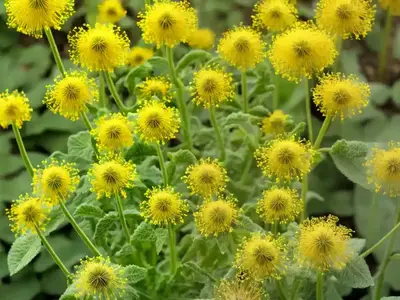
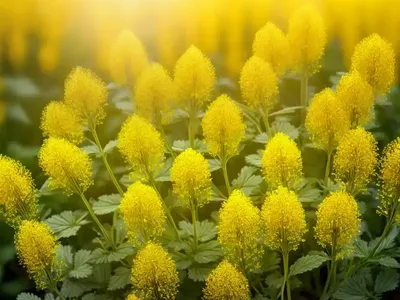
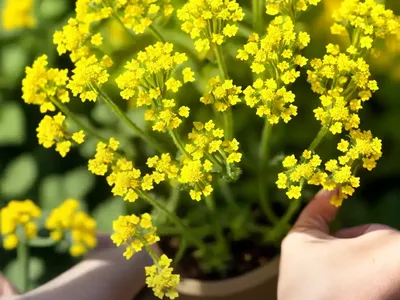
Wallflowers, scientifically known as Erysimum, are a diverse genus of flowering plants belonging to the Brassicaceae family, which also includes cabbage.
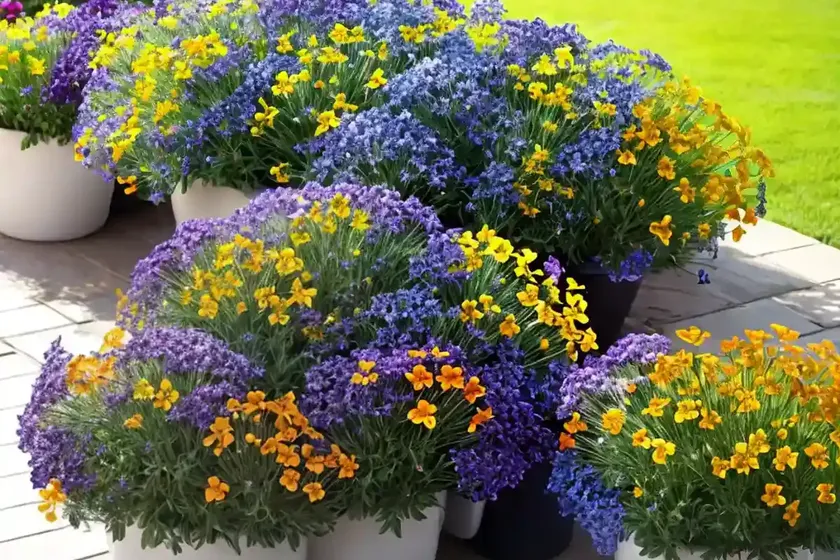
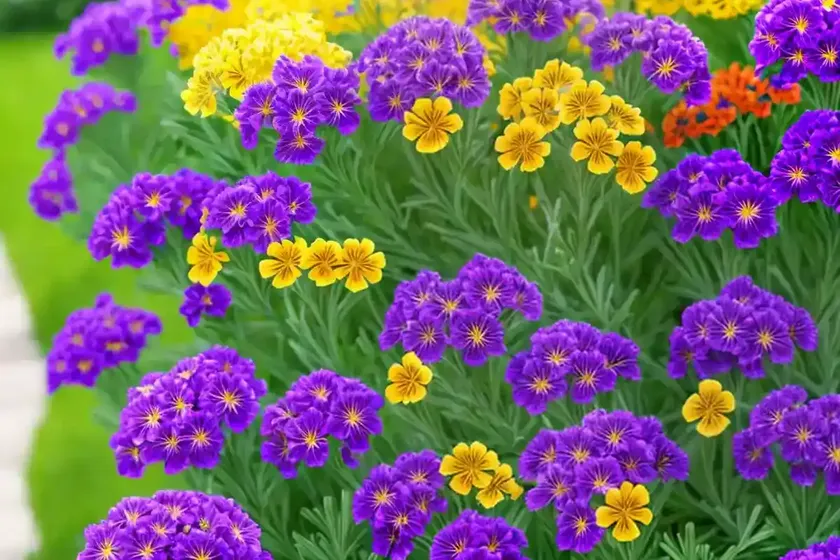
What is a Wallflower (Erysimum)?
Wallflowers, scientifically known as Erysimum, are a diverse genus of flowering plants belonging to the Brassicaceae family, which also includes cabbage, mustard, and kale. These herbaceous perennials or sub-shrubs are native to Europe, Asia, and even North America, and are known for their vibrant and fragrant flowers. The term “wallflower” is commonly used to refer to many species within the Erysimum genus, as they were often found growing on old walls, hence the name.
The Erysimum genus includes a wide range of species, with various flower colors, forms, and sizes. In the world of horticulture, Wallflowers are cherished for their ability to add a vivacious burst of color in gardens, containers, and landscapes. They are also popular for their pleasant fragrance and are often used in perfumery.
Key Takeaways – Wallflowers (Erysimum)
Culture
- Scientific Classification: Order: Brassicales, Family: Brassicaceae
- Common Names: Wallflowers, Cheiranthus
- Plant Type: Herbaceous Perennial or Sub-shrub
Uses
- Gardening: Ornamental flowers, borders, containers
- Perfumery: Fragrant oils and essences
Water
- Watering Needs: Moderate; Soil should be well-drained
Sunlight
- Sun Exposure: Full sun to partial shade
Fertilizer
- Fertilization: Balanced, slow-release fertilizer in spring
Soil
- Soil Type: Well-drained, fertile soil
Pruning
- Pruning: Regular deadheading to promote continuous flowering
Propagation
- Propagation: Seeds, cuttings
Container Popularity
- Container Gardening: Suitable for containers
Common Diseases
- Disease Concerns: Downy mildew, white rust
Disease Diagnosis
- Diagnosis: Yellowing leaves, white powdery spots
Common Pests
- Pest Concerns: Aphids, caterpillars
Botanist’s Tips
- Expert Tip: Wallflowers are attractive to pollinators and can enhance biodiversity in the garden.
Fun Facts
- Did You Know?: The name “wallflower” is derived from its natural habitat on old walls and rocky cliffs.
Links to External Resources
For more information on Wallflowers (Erysimum), refer to the following resources:
- Royal Horticultural Society: Erysimum
- Missouri Botanical Garden: Erysimum
- University of Maryland Extension: Wallflowers
Now, let’s delve deeper into the fascinating world of Wallflowers (Erysimum) and explore their cultivation, care, and botanical significance.
Erysimum Plants – Delicate Beauties of the Garden
Erysimum Flower Care
Erysimum plants, commonly known as Wallflowers, are renowned for their delicate, brightly colored blossoms and sweet fragrance. These charming perennials or sub-shrubs are valued for their ability to thrive in various climates, making them a popular choice for gardeners seeking vibrant, long-lasting blooms.
Growing Wallflowers (Erysimum)
Wallflower Varieties
The Erysimum genus encompasses a wide array of species and cultivars, offering an extensive range of flower colors, including shades of purple, pink, orange, yellow, and red. Some popular varieties of Wallflowers include:
- Erysimum cheiri: Known for its rich and varied color palette, including intense reds, purples, and vibrant oranges.
- Erysimum linifolium: Featuring slender, linear leaves and an abundance of dainty flowers in shades of yellow, cream, and apricot.
Wallflower Plant Care
Cultivating Wallflowers can be a rewarding endeavor, as these plants are relatively low-maintenance and can thrive in a variety of settings. Their adaptability and resilience make them suitable for borders, rock gardens, and containers. When it comes to caring for Wallflowers, here are some essential considerations:
Erysimum Perennial Flowers
While some Erysimum species are short-lived perennials, many are grown as biennials or short-lived perennials, but are often treated as annuals due to their profuse blooming and the ease of their propagation.
Wallflower Planting Tips
-
Planting Season: In regions with milder winters, Wallflowers can be planted in the fall for early spring blooms. In colder climates, they can be planted in the spring.
-
Bloom Time: The blooming period of Wallflowers typically extends from late spring to early summer, depending on the climate and specific variety.
-
Sun Exposure: Wallflowers thrive in full sun but can tolerate partial shade, especially in regions with intense heat.
Erysimum Cultivation Guide
When cultivating Wallflowers, it’s essential to provide them with the optimal conditions for healthy growth and prolific flowering. Here are some guidelines to ensure successful cultivation:
-
Soil Requirements: Well-drained, fertile soil is crucial for the health of Wallflowers. Ensuring good drainage is key to preventing root rot and other moisture-related issues.
-
Watering Needs: While Wallflowers prefer moderate watering, it’s important to avoid waterlogging the soil, as this can lead to root rot. During periods of extended dryness, supplemental watering is recommended.
-
Fertilization: Applying a balanced, slow-release fertilizer in early spring can help promote robust growth and abundant flowering.
-
Pruning Techniques: Regular deadheading of spent blooms can encourage continuous flowering and prevent the development of seeds, redirecting energy into new flower production.
Wallflower Gardening
In the realm of gardening, Wallflowers serve as valuable additions to various settings, adding vibrant hues and delightful fragrances. Whether integrated into borders, edging pathways, or adorning containers, the presence of Wallflowers can enhance the visual appeal and overall charm of the garden.
Erysimum Plant Species
The diverse Erysimum genus encompasses numerous species, each with its unique characteristics and attributes. From the showy blossoms of Erysimum cheiri to the delicately tinted petals of Erysimum linifolium, the variety within the genus offers an exciting range of options for horticultural enthusiasts.
Wallflower Planting Season
The ideal planting season for Wallflowers varies depending on the climate and temperature conditions of a particular region. Understanding the planting season is essential for establishing healthy and robust plants that will bloom abundantly.
Erysimum Bloom Time
The bloom time of Wallflowers typically aligns with the transition from late spring to early summer, delivering a profusion of blossoms in an array of captivating colors. This period of abundant flowering is a testament to the vitality and beauty of these charming plants.
Wallflower Pest Control
Pest Concerns
Although Wallflowers are generally resilient plants, they can be susceptible to certain pests such as aphids and caterpillars. Monitoring the plants regularly can help detect pest infestations early, enabling prompt intervention to mitigate potential damage.
Erysimum Propagation Methods
Propagation Techniques
Wallflowers can be propagated through various methods, including seeds and cuttings. Each approach offers unique advantages and considerations, allowing gardeners to expand their Wallflower collection and maintain the vitality of these beloved plants.
Wallflower Watering Needs
Optimal Watering
Moderate and consistent watering is key to promoting healthy growth and robust flowering in Wallflowers. Understanding the specific watering needs of these plants is essential for maintaining their vigor and ensuring their enduring beauty in the garden.
Erysimum Soil Requirements
Vital Soil Considerations
Wallflowers thrive in well-drained, fertile soil, as it provides the necessary nutrients and structural support for their growth. By paying attention to soil requirements, gardeners can create an environment conducive to the flourishing of Wallflowers.
Wallflower Companion Plants
Complementary Plantings
Wallflowers can be paired with a variety of companion plants to create visually appealing and harmonious garden compositions. By selecting compatible plants that complement the color, texture, and growing habits of Wallflowers, gardeners can design captivating landscapes.
Erysimum Container Gardening
Container Adaptability
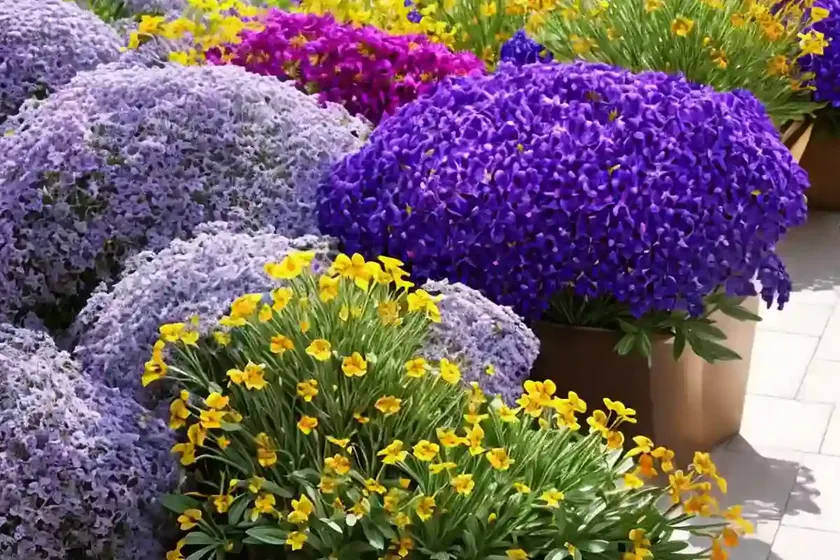
The adaptability of Wallflowers to container gardening makes them versatile choices for adding ornamental appeal to patios, balconies, and small outdoor spaces. The vibrant blooms and fragrant blossoms of Wallflowers can infuse containers with a delightful burst of color and fragrance.
Wallflower Landscaping Ideas
Creative Design Concepts
In landscaping, Wallflowers offer versatile possibilities for enriching outdoor spaces. Whether incorporated into borders, interplanted with other ornamental species, or featured in mass plantings, Wallflowers can contribute to diverse and captivating landscaping schemes.
Erysimum Flower Color Options
Spectrum of Color
The color palette of Wallflowers encompasses a rich spectrum of hues, from soft pastels to vivid, saturated tones. This diversity allows for creative exploration and the crafting of striking color compositions within the garden and landscape.
Wallflower Pruning Techniques
Maintenance Practices
Regular pruning, particularly the removal of spent flowers, is essential for promoting continuous blooming and maintaining the aesthetic appeal of Wallflowers. By employing proper pruning techniques, gardeners can support the health and longevity of these captivating plants.
Erysimum Fragrant Flowers
Engaging Aromas
The delightful fragrance of Wallflowers adds an extra dimension of sensory pleasure to the garden. Their sweet, floral scents can create an inviting and enchanting atmosphere, enticing pollinators and captivating the appreciation of human admirers.
Wallflower Sun Exposure
Optimal Sunlight Conditions
Thriving in full sun to partial shade, Wallflowers exhibit an adaptable nature that allows them to thrive in diverse light conditions. Understanding their sunlight preferences is crucial for optimizing their growth and flowering potential.
Erysimum Shade Tolerance
Tolerance Levels
While Wallflowers prefer full sun, they can also tolerate partial shade, making them suitable for planting in areas with varying light exposure. Their ability to adapt to different light conditions enhances their versatility in garden and landscape settings.
Wallflower Growth Habits
Elegant Forms
From compact mounds to sprawling clumps, the growth habits of Wallflowers contribute to their visual appeal and landscaping versatility. By understanding their growth patterns, gardeners can make informed decisions when incorporating Wallflowers into garden designs.
Erysimum Winter Care
Seasonal Maintenance
Providing adequate care during the winter months is essential for safeguarding the health and vitality of Wallflowers. From protective mulching to monitoring moisture levels, proper winter care practices can help ensure the robust return of Wallflowers in the following growing season.
Wallflower Plant Diseases
Disease Concerns
Wallflowers can be susceptible to certain diseases, including downy mildew and white rust. Recognizing the symptoms and implementing appropriate measures are crucial for preventing and managing these potential threats to plant health.
Erysimum Wildlife Attraction
Ecological Benefits
The appeal of Wallflowers extends beyond their ornamental value, as they can attract beneficial wildlife such as butterflies and bees, contributing to the ecological richness of the garden. This ecological interaction underscores the value of Wallflowers in supporting biodiversity.
Wallflower Cutting Garden
Floral Harvest
The enchanting blooms of Wallflowers make them excellent candidates for cutting gardens, where they can provide an abundant supply of fresh flowers for floral arrangements. Their longevity as cut flowers adds a delightful dimension to the practice of flower harvesting.
Erysimum Natural Remedies
Medicinal Significance
In certain cultures, Wallflowers have been historically utilized for their medicinal properties. While their contemporary use as a medicinal plant is limited, the historical significance of Wallflowers in herbal remedies adds an intriguing layer to their botanical heritage.
Wallflower Medicinal Uses
Traditional Applications
Wallflowers have been historically associated with a range of medicinal uses, including treatments for various ailments. Their traditional significance in herbal medicine reflects the cultural and historical relevance of these captivating plants.
Erysimum Herbal Properties
Botanical Attributes
The botanical properties of Wallflowers contribute to their cultural and historical significance. Through an exploration of their herbal characteristics, we gain insights into the traditional uses and symbolic meanings associated with these time-honored plants.
Wallflower Floral Arrangements
Artistic Expression
The alluring blooms of Wallflowers lend themselves to creative floral arrangements, where their vibrant colors and delicate forms can be showcased in a variety of decorative compositions. Their contribution to artistic expression adds to their allure as ornamental plants.
Erysimum Invasive Species
Ecological Impact
While Wallflowers are not typically considered invasive, their resilience and adaptability underscore the importance of responsible cultivation and management practices to prevent unintended ecological impacts.
Wallflower Pollinator-Friendly
Ecological Role
The attraction of pollinators to Wallflowers reveals their ecological significance in supporting beneficial insect populations. By fostering a pollinator-friendly environment, Wallflowers contribute to the broader ecological balance of the garden ecosystem.
Erysimum Drought-Tolerant Plants
Adaptability to Arid Conditions
The ability of Wallflowers to withstand periods of drought adds to their appeal as resilient and adaptable garden plants. Their capacity to thrive under challenging environmental conditions underscores their value in water-wise landscaping.
Wallflower Plant Family
Botanical Classification
Belonging to the Brassicaceae family, Wallflowers are part of a diverse botanical lineage with numerous species of economic, ornamental, and culinary significance. Understanding their botanical family provides insights into their broader taxonomic context.
Erysimum Garden Design
Landscape Integration
In garden design, Wallflowers offer numerous possibilities for artistic and functional integration. Whether utilized as focal points, accent plants, or mass plantings, their role in garden design adds to the creativity and aesthetics of outdoor spaces.
Wallflower Foliage Varieties
Foliage Characteristics
While Wallflowers are primarily valued for their striking blooms, the foliage of these plants also exhibits distinctive features, such as varying textures, colors, and forms. Appreciating the foliage varieties of Wallflowers enriches the comprehensive appeal of these plants.
Erysimum Indoor Cultivation
Container Adaptability
In addition to outdoor settings, Wallflowers can be cultivated indoors, providing an opportunity for year-round enjoyment of their vibrant blooms and fragrant blossoms. Their adaptability to indoor environments extends their appeal to gardening enthusiasts.
Wallflower Landscaping Borders
Border Integration
The incorporation of Wallflowers into landscaping borders enhances the visual appeal and seasonal interest of these designated areas. Their capacity to adorn and enliven borders adds a dynamic dimension to the design and structure of outdoor landscapes.
Erysimum Flower Symbolism
Cultural Significance
In various cultures and traditions, flowers, including Wallflowers, are imbued with symbolic meanings and associations. Exploring the symbolism of Wallflowers deepens our appreciation of their cultural and historical significance.
Wallflower Seasonal Interest
Dynamic Appeal
Throughout the changing seasons, Wallflowers contribute to the seasonal interest of the garden, providing visual impact and vibrant displays across different times of the year. Their seasonal interest adds to the dynamic allure of outdoor spaces.
Erysimum Plant Maintenance
Practical Care Practices
Regular maintenance, including pruning, deadheading, and monitoring for pests and diseases, is essential for the continued health and vigor of Wallflowers. Adopting proper maintenance practices contributes to the longevity of these cherished plants.
Wallflower Hybrid Varieties
Innovative Cultivars
The world of horticulture continues to introduce new hybrid varieties of Wallflowers, offering expanded color palettes, enhanced characteristics, and improved garden performance. The availability of hybrid varieties enriches the array of options for gardening enthusiasts.
Erysimum Traditional Uses
Cultural Heritage
Throughout history, Wallflowers have held traditional significance in various cultures, where they have been utilized for practical, symbolic, and ceremonial purposes. Exploring their traditional uses unveils layers of cultural heritage associated with these beloved plants.
Wallflower Landscaping Color Schemes
Aesthetic Coordination
The vibrant blossoms and foliage of Wallflowers can be integrated into diverse landscaping color schemes, where they contribute to cohesive and visually appealing garden designs. Their role in coordinating color schemes enhances the aesthetic impact of outdoor spaces.
Erysimum Groundcover Options
Functional Coverage
Certain Wallflower species and cultivars exhibit prostrate growth habits, making them suitable choices for groundcover applications. Their capacity to provide functional coverage while accentuating the landscape underscores their versatility in garden design.
Wallflower Plant Anatomy
Botanical Structure
Delving into the anatomical features of Wallflowers reveals the intricate details of their floral components, including petals, sepals, stamens, and pistils. Understanding their plant anatomy enriches our botanical appreciation of these captivating plants.
Erysimum Garden Architecture
Structural Elements
In garden design and landscaping, Wallflowers can contribute to the architectural elements of outdoor spaces, where they can be employed to define spaces, create focal points, or enhance the visual structure of garden compositions.
In conclusion, the enchanting world of Wallflowers (Erysimum) is filled with captivating beauty, delightful fragrances, and valuable ecological contributions. From their vibrant blooms and fragrant blossoms to their cultural significance and ecological interactions, Wallflowers continue to enchant and inspire the gardening community, fostering a lasting appreciation for their enduring charm and versatility.
To further explore the world of Wallflowers and delve into their cultivation, care, and botanical significance, it’s valuable to refer to trusted external resources such as the Royal Horticultural Society, the Missouri Botanical Garden, and the University of Maryland Extension, which offer in-depth insights and practical guidance for the enjoyment and cultivation of these cherished plants.
References
- Royal Horticultural Society: Erysimum. (n.d.). https://www.rhs.org.uk/advice/profile?PID=299
- Missouri Botanical Garden: Erysimum. (n.d.). http://www.missouribotanicalgarden.org/gardens-gardening/your-garden/plant-finder/plant-details/kc/a884/erysimum.aspx
- University of Maryland Extension: Wallflowers. (n.d.). https://extension.umd.edu/hgic/topics/wallflower-erysimum