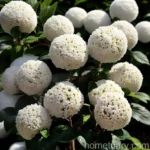
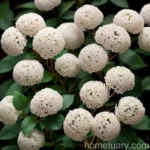
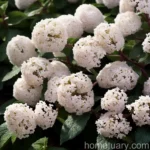
Viburnum x bodnantense ‘Dawn’ (Bodnant Viburnum): A Complete Guide
Viburnum x bodnantense ‘Dawn’, commonly known as Bodnant Viburnum, is a versatile and ornamental shrub that has gained popularity among gardeners and landscaping enthusiasts. Its elegant pink and white blossoms, coupled with its adaptability to a wide range of growing conditions, make it a sought-after addition to gardens, parks, and public spaces. In this comprehensive guide, we will explore the various aspects of cultivating and caring for Viburnum x bodnantense ‘Dawn’, shedding light on its cultural requirements, uses, care guidelines, common pests and diseases, as well as propagation techniques.
What is Viburnum x bodnantense ‘Dawn’?
Viburnum x bodnantense ‘Dawn’ is a deciduous hybrid shrub belonging to the Adoxaceae family. It is a result of a cross between Viburnum farreri and Viburnum grandiflorum, and is renowned for its exceptionally fragrant flowers and extended blooming season. This charming shrub typically grows to a height and spread of 8-10 feet, assuming a rounded, upright form with arching branches. The cultivar ‘Dawn’ was first introduced in 1934 at the Bodnant Garden in Wales, from which it derives its name.
The plant’s remarkable attributes, such as its tolerance to various soil types and diverse environmental conditions, have contributed to its widespread cultivation in temperate regions worldwide. The exquisite pink buds that open to reveal delicate, white flowers during the cold winter months make Viburnum x bodnantense ‘Dawn’ a cherished addition to winter landscapes, providing a splash of color and fragrance when little else is in bloom.
Key Takeaways – Viburnum x bodnantense ‘Dawn’
Before delving into the specifics of cultivating and caring for Viburnum x bodnantense ‘Dawn’, let’s summarize its key attributes and requirements:
- Characteristics: Fragrant pink buds opening to white flowers, deciduous, arching branches, 8-10 feet height and spread.
- Flowering Season: Extended blooming period during late fall, winter, and early spring.
- Cultural Requirements: Well-drained soil, full sun to partial shade, regular watering, and moderate fertilization.
- Landscape Uses: Ornamental shrub, specimen plant, border plant, hedge or screen, foundation planting, and wildlife habitat.
- Hardiness Zones: Typically zones 5-9, though specific cultivars may exhibit varying tolerances.
- Pests and Diseases: Susceptible to aphids, scale insects, and powdery mildew; relatively resistant to severe diseases.
- Propagation: Can be propagated through softwood cuttings, hardwood cuttings, or layering.
With these key points in mind, let’s delve into the detailed guidelines for successfully growing and maintaining Viburnum x bodnantense ‘Dawn’ in various settings.
Culture
Cultivating Viburnum x bodnantense ‘Dawn’ necessitates an understanding of its cultural requirements, encompassing aspects such as water, sunlight, fertilizer, soil, and pruning. These factors play a pivotal role in determining the plant’s health, vigor, and floral display, making it vital to adhere to the recommended cultural practices.
Uses
Viburnum x bodnantense ‘Dawn’ is valued for its diverse uses in landscaping and gardening. Its versatility translates into a plethora of applications, ranging from ornamental purposes to wildlife habitat provisioning. Here are some common uses of this splendid shrub:
-
Ornamental Planting: The attractive blossoms and deciduous foliage make Viburnum x bodnantense ‘Dawn’ an exceptional choice for ornamental planting in gardens, parks, and public spaces. Its extended blooming period serves as a welcoming sight during the late fall and winter months when few other plants are in flower, offering a visually pleasing aesthetic.
-
Specimen Plant: Owing to its elegant form, exquisite flowers, and delightful fragrance, ‘Dawn’ cultivar is often utilized as a standalone specimen plant, drawing attention and admiration within the landscape.
-
Hedge or Screen: The dense growth habit and arching branches make Viburnum x bodnantense ‘Dawn’ an ideal candidate for hedges or screens, providing privacy and delineation in the garden setting. The clusters of fragrant blossoms further enhance the appeal of this application.
-
Border Plant: Planted along borders and walkways, the shrub can accentuate the landscape design and demarcate spaces, contributing to a harmonious and structured garden layout.
-
Wildlife Habitat: The flowers of Viburnum x bodnantense ‘Dawn’ attract pollinators, such as bees and butterflies, enhancing biodiversity in the garden. Furthermore, the shrub’s berries serve as a food source for various bird species, fostering a lively and dynamic ecosystem.
These diverse uses underline the adaptability and appeal of Viburnum x bodnantense ‘Dawn’ in a wide array of landscaping and gardening scenarios.
Water
Proper and consistent watering is fundamental to the successful cultivation of Viburnum x bodnantense ‘Dawn’. While the plant exhibits a degree of drought tolerance once established, it thrives when provided with regular moisture, particularly during periods of active growth and flowering. Adequate water supply contributes to the development of luscious foliage and bountiful blooms, ensuring the plant’s vitality and overall health.
Watering Guidelines:
-
Establishment Phase: During the initial establishment phase, ensure consistent moisture in the root zone, avoiding prolonged dry spells. This facilitates robust root development and sets the stage for the plant’s long-term vigor.
-
Active Growth Period: Throughout the active growth phase, typically spring to summer, maintain a regular watering regimen, aiming to keep the soil evenly moist without waterlogging. Monitor soil moisture levels and adjust the frequency based on environmental conditions and rainfall patterns.
-
Blooming Season: During the extended blooming season, which spans late fall, winter, and early spring, pay special attention to watering, as inadequate moisture can compromise the development and longevity of the exquisite flowers. Aim for a balance between soil moisture and drainage to promote optimal bloom production.
-
Established Plants: Once the shrub is well-established, it showcases a degree of drought tolerance. However, it is advisable to provide supplemental watering during prolonged dry spells, particularly in arid or hot climates, to support the plant’s well-being and sustained vitality.
Sunlight
The sunlight requirements of Viburnum x bodnantense ‘Dawn’ encompass an adaptable nature, as the plant exhibits a preference for full sun to partial shade. Its capacity to thrive in varying light conditions renders it suitable for diverse garden settings, allowing for enhanced flexibility in landscape design and placement choices.
Sunlight Guidelines:
-
Full Sun: When grown in full sun, defined as at least 6-8 hours of direct sunlight per day, Viburnum x bodnantense ‘Dawn’ flourishes, showcasing vigorous growth, abundant flowering, and an overall healthy appearance. This exposure is particularly conducive to prolific bloom production, accentuating the visual allure of the plant.
-
Partial Shade: In partial shade, characterized by dappled sunlight or filtered light for a portion of the day, the shrub maintains its vitality and ornamental appeal. This adaptability renders it suitable for locations with partial shade, such as beneath deciduous trees or in areas that receive indirect sunlight.
-
Adaptability: Viburnum x bodnantense ‘Dawn’ demonstrates a degree of adaptability to varying light conditions, granting gardeners the flexibility to incorporate it into different settings. However, it is advisable to avoid prolonged exposure to intense, scorching sunlight, particularly in regions with hot summers, as it may lead to leaf scorch and reduced floral display.
Embracing these sunlight guidelines enables gardeners to harness the plant’s resilience and adaptability, maximizing its ornamental impact in diverse growing environments.
Fertilizer
Appropriate fertilization contributes to the vigor, bloom production, and overall health of Viburnum x bodnantense ‘Dawn’, amplifying its ornamental value and sustainable growth. By supplying essential nutrients in a balanced manner, the shrub is endowed with the resources necessary to support robust foliage, prolific flowering, and sustained vitality.
Fertilization Recommendations:
-
Timing: Apply a balanced, slow-release fertilizer in early spring, prior to the onset of active growth, to fortify the plant for the forthcoming growing season. This timing aligns with the shrub’s natural growth cycle, facilitating optimal nutrient absorption and utilization.
-
Formulation: Utilize a fertilizer with a balanced NPK (nitrogen, phosphorus, potassium) ratio, such as 10-10-10 or 20-20-20, tailored to the specific needs of Viburnum x bodnantense ‘Dawn’. The balanced composition ensures comprehensive nutrient provision, supporting various aspects of the plant’s development.
-
Application: Distribute the fertilizer evenly around the base of the shrub, avoiding direct contact with the stems or foliage. Incorporate it into the topsoil layer using a gentle rake or hoe, followed by thorough watering to facilitate nutrient penetration into the root zone.
-
Supplemental Feeding: In subsequent years, consider supplementing the initial spring feeding with additional applications in early summer if the plant exhibits signs of nutrient deficiency, such as reduced vigor or diminished blooming. A judicious approach to supplemental feeding ensures the plant’s sustained vitality and ornamental appeal.
By adhering to these fertilizer guidelines, gardeners can provide Viburnum x bodnantense ‘Dawn’ with the essential nourishment it requires for robust growth, abundant flowering, and long-term well-being.
Soil
The soil preferences of Viburnum x bodnantense ‘Dawn’ encompass well-drained, fertile substrates that enable the development of healthy root systems and sustained growth. Understanding the ideal soil characteristics and providing an appropriate growing medium underpins the successful cultivation of this charming shrub.
Preferred Soil Attributes:
-
Drainage: Opt for well-drained soil to prevent waterlogging, which can be detrimental to the plant’s root health and overall vitality. Amended or loamy soils with good drainage properties are particularly well-suited to Viburnum x bodnantense ‘Dawn’, promoting optimal growth and resilience.
-
Fertility: Select fertile soils that are rich in organic matter, facilitating robust growth, lush foliage, and bountiful bloom production. The presence of essential nutrients within the soil medium underpins the shrub’s capacity to thrive and exhibit its ornamental characteristics.
-
pH Range: Viburnum x bodnantense ‘Dawn’ thrives in slightly acidic to slightly alkaline soils, with a pH range of 6.0-7.5 being conducive to its sustained well-being. Conduct a soil test to ascertain the pH level and, if necessary, amend the soil to achieve the preferred range for optimal growth.
-
Texture: Prioritize soils with a loamy or sandy texture, as they offer favorable aeration, moisture retention, and nutrient availability, promoting an environment conducive to the shrub’s sustained vitality and ornamental display.
By selecting a well-drained, fertile soil that aligns with the preferred attributes of Viburnum x bodnantense ‘Dawn’, gardeners can establish an optimal growing environment, setting the stage for the plant’s long-term health and ornamental impact.
Pruning
Pruning plays a pivotal role in maintaining the form, vigor, and flowering prowess of Viburnum x bodnantense ‘Dawn’, enabling gardeners to shape the shrub, remove diseased or damaged foliage, and rejuvenate older specimens. Understanding the principles and techniques of pruning is essential for harnessing the full ornamental potential of the plant.
Pruning Guidelines:
-
Timing: Conduct pruning during late spring or immediately after the shrub’s flowering period, as this allows ample time for the development of new growth and the formation of flower buds for the subsequent season. Early spring pruning may compromise the blooming potential, as it removes the previous season’s buds.
-
Deadheading: Remove spent flowers promptly to encourage a prolonged blooming season and prevent the formation of seeds, redirecting the plant’s energy towards renewed growth and subsequent bloom production.
-
Formative Pruning: For younger specimens, engage in formative pruning to establish an appealing shape and structure, removing any crossing or wayward branches to promote an open, well-ventilated growth habit.
-
Renewal Pruning: Periodically conduct renewal pruning on older specimens to rejuvenate the shrub, targeting the removal of one-third of the oldest stems at ground level to stimulate fresh growth and invigorate the plant’s appearance.
-
Sanitation: Throughout the pruning process, prioritize sanitation by utilizing clean, sharp tools to minimize the risk of disease transmission and promote rapid, clean healing of pruning wounds.
Adhering to these pruning guidelines empowers gardeners to optimize the form, health, and ornamental vitality of Viburnum x bodnantense ‘Dawn’, enabling the plant to flourish and exude its visual charm within the landscape.
Propagation
The propagation of Viburnum x bodnantense ‘Dawn’ presents an opportunity for gardeners to expand their plant collection through methods such as softwood cuttings, hardwood cuttings, or layering. By harnessing these propagation techniques, individuals can proliferate the shrub with relative ease, fostering a diverse array of specimens for personal enjoyment or sharing with fellow enthusiasts.
Propagation Methods:
-
Softwood Cuttings: Harvest softwood cuttings in late spring or early summer, selecting healthy, non-flowering stems with tender new growth. Treat the cuttings with a rooting hormone and plant them in a well-draining propagation medium to foster the development of roots.
-
Hardwood Cuttings: During the dormant season, collect hardwood cuttings from robust, healthy stems, ensuring they are devoid of infirmities or damage. Employ a rooting hormone and propagate the cuttings in a suitable medium, facilitating the emergence of roots over time.
-
Layering: Encourage layering by affixing a portion of a low-growing stem to the ground, securing it in place and covering it with soil. Over time, the covered section develops roots, allowing for the detachment of the rooted segment to establish a new individual.
By engaging in propagation activities and employing suitable techniques, gardeners can expand their Viburnum x bodnantense ‘Dawn’ collection, perpetuating the plant’s ornamental presence within the landscape and nurturing a diverse array of specimens.
Container Popularity
The allure of Viburnum x bodnantense ‘Dawn’ extends to container gardening, where its ornamental attributes, adaptability, and fragrance make it an appealing choice for cultivating in pots, planters, or other container arrangements. Embracing the realm of container gardening broadens the possibilities for integrating this splendid shrub into diverse settings, including patios, balconies, and urban landscapes.
Container Gardening Considerations
When cultivating Viburnum x bodnantense ‘Dawn’ in containers, certain considerations and practices facilitate the plant’s sustained health and ornamental impact, ensuring a rewarding container gardening experience.
Container Selection: Opt for deep, sturdy containers with ample drainage holes to promote proper aeration and prevent waterlogging, allowing for healthy root development and sustained growth.
Growing Medium: Utilize a well-draining, loamy potting mix enriched with organic matter to provide a conducive growing environment for the shrub, fostering robust growth and vitality.
Sunlight Exposure: Position the container in a location that receives sufficient sunlight, catering to the shrub’s preference for full sun to partial shade to ensure its flourishing performance.
Watering Regimen: Maintain a judicious watering regimen, balancing the soil moisture to prevent prolonged dryness while avoiding waterlogged conditions, promoting optimal growth and floral display.
Fertilization Approach: Apply a balanced, slow-release fertilizer in accordance with the plant’s needs, fortifying its nutrient supply and sustaining ornamental vigor within the container setting.
Pruning and Maintenance: Engage in regular pruning and maintenance to shape the shrub, remove spent flowers, and address any signs of damage or infirmity, fostering a visually appealing container specimen.
By incorporating these considerations into the practice of container gardening, individuals can leverage the ornamental appeal and adaptability of Viburnum x bodnantense ‘Dawn’, enhancing their outdoor spaces with its elegant presence and delightful fragrance.
Common Diseases
While Viburnum x bodnantense ‘Dawn’ is relatively resilient to severe diseases, it is susceptible to certain maladies that may compromise its health and ornamental vigor. Identifying common diseases and adopting preventive measures is crucial for safeguarding the well-being of the shrub, ensuring its sustained vitality within the landscape.
Disease Diagnosis
Being aware of the common diseases affecting Viburnum x bodnantense ‘Dawn’ facilitates prompt identification and targeted management, enabling gardeners to address potential issues and nurture the plant back to health. Some prevalent diseases to watch out for include:
-
Powdery Mildew: Manifesting as a powdery white coating on the foliage, powdery mildew can impact the shrub’s aesthetic appeal and vigor, necessitating the implementation of appropriate control measures.
-
Leaf Spot: Leaf spot diseases, characterized by the formation of lesions on the foliage, may occur due to various fungal pathogens, potentially leading to leaf discoloration and diminished vitality.
-
Root Rot: Prolonged waterlogging or excessively wet soil conditions can predispose the plant to root rot, resulting in compromised root health, wilting foliage, and overall decline.
-
Bacterial Diseases: Certain bacterial infections may affect Viburnum x bodnantense ‘Dawn’, leading to symptoms such as leaf wilting, cankers, and general malaise, necessitating swift intervention to mitigate the spread of the disease.
By familiarizing oneself with the symptoms and characteristics of these diseases, gardeners can proactively monitor the shrub’s health and intervene if signs of infirmity manifest, preventing the escalation of potential issues.
Disease Management
Implementing proactive disease management practices is instrumental in preserving the health and ornamental allure of Viburnum x bodnantense ‘Dawn’, nurturing a vibrant and resilient plant within the landscape. Embrace these disease management strategies to fortify the shrub against common maladies:
-
Cultural Practices: Maintain proper cultural practices, such as ensuring well-drained soil, balanced watering, and adequate air circulation, to create an environment that is less conducive to disease development.
-
Sanitation: Emphasize sanitation by promptly removing and disposing of diseased plant debris, such as affected leaves or stems, to prevent the spread of pathogens and reduce the risk of disease recurrence.
-
Fungicidal Treatments: In cases where fungal diseases such as powdery mildew or leaf spot pose a threat, consider employing appropriate fungicidal treatments as proactive or responsive measures to curtail disease progression.
-
Resistant Cultivar Selection: When establishing new plantings or adding specimens to the landscape, select disease-resistant cultivars of Viburnum x bodnantense ‘Dawn’ where available, minimizing the risk of disease susceptibility.
By integrating these disease management strategies into the stewardship of Viburnum x bodnantense ‘Dawn’, gardeners can foster a robust, resilient plant that thrives in the landscape, imbuing the surroundings with its ornamental elegance and fragrance.
Common Pests
Viburnum x bodnantense ‘Dawn’ is susceptible to certain pests that may compromise its health and ornamental vitality, necessitating vigilant monitoring and