Viburnum dentatum Blue Muffin (Arrowwood Viburnum): A Complete Guide
As a plant scientist, I am excited to delve into the fascinating world of Viburnum dentatum Blue Muffin, commonly known as Arrowwood Viburnum. This beautiful shrub has captivated the attention of gardeners and nature enthusiasts for its striking characteristics, diverse uses, and ecological value. In this comprehensive guide, we will explore everything from its cultural requirements and propagation methods to common diseases and pest control measures. Whether you are a seasoned gardener or just beginning your horticultural journey, this guide will provide valuable insights into the care and appreciation of Viburnum dentatum Blue Muffin.
What is Viburnum dentatum Blue Muffin?
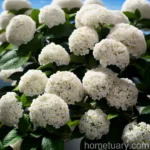
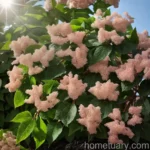
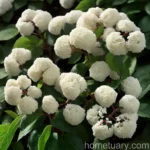
Viburnum dentatum Blue Muffin, also recognized as Arrowwood Viburnum, is a deciduous shrub native to North America. It is a member of the Adoxaceae family and is prized for its ornamental qualities, wildlife habitat benefits, and resilience in various growing conditions. The name “Blue Muffin” alludes to the distinctive blue-colored berries that adorn the plant, providing visual interest and attracting birds to the garden landscape.
This cultivar is renowned for its compact growth habit, making it an excellent choice for both residential and commercial landscaping projects. Its adaptability to different soil types, moderate maintenance requirements, and aesthetic appeal have positioned it as a favored selection among gardeners seeking a versatile and visually appealing addition to their outdoor spaces.
Key Takeaways – Viburnum dentatum Blue Muffin
Before delving deeper into the various aspects of cultivating and caring for Viburnum dentatum Blue Muffin, let’s outline the key takeaways that will guide us through this comprehensive exploration.
Culture
- Viburnum dentatum Blue Muffin is a versatile shrub that thrives in various environmental conditions, including different soil types and levels of sunlight exposure.
- Its cultural adaptability makes it suitable for landscaping applications, including hedging, borders, and naturalized plantings.
Uses
- This shrub serves multiple purposes, from ornamental landscaping to providing wildlife habitat and food sources for birds.
- Its attractive foliage and berries contribute to its use in garden design and as a focal point in naturalized settings.
Water
- Understanding the water requirements of Viburnum dentatum Blue Muffin is essential for ensuring its proper establishment and sustained growth.
- Balancing adequate moisture levels without waterlogging the soil is crucial for the plant’s overall health.
Sunlight
- The sunlight preferences of Arrowwood Viburnum influence its growth habits and flowering capabilities.
- Knowing the ideal sunlight conditions for this shrub will help optimize its performance in the landscape.
Fertilizer
- Proper fertilization practices can enhance the vigor and blooming potential of Viburnum dentatum Blue Muffin.
- Identifying the appropriate timing and types of fertilizers will support the plant’s overall nutritional needs.
Soil
- Understanding the soil requirements of Arrowwood Viburnum is integral to its successful cultivation and long-term health.
- The composition, drainage, and pH levels of the soil significantly impact the plant’s vitality and performance.
Pruning
- Pruning plays a pivotal role in shaping the growth and appearance of Viburnum dentatum Blue Muffin.
- Adopting suitable pruning techniques will promote its structural integrity, flowering capacity, and aesthetic appeal.
Propagation
- Exploring the various methods of propagating Viburnum dentatum Blue Muffin offers opportunities for expanding its presence in garden landscapes.
- From seeds to cuttings, understanding the propagation techniques is essential for cultivating new plants.
Container Popularity
- The suitability of Arrowwood Viburnum for container gardening expands its potential for urban and small-space landscapes.
- Its container popularity underscores its adaptability and aesthetic value in diverse gardening contexts.
The following sections will delve into each of these key takeaway points, providing detailed insights and practical guidance for cultivating and caring for Viburnum dentatum Blue Muffin.
Culture
Viburnum dentatum Blue Muffin: A Versatile Landscape Asset
Viburnum dentatum Blue Muffin’s adaptability makes it a valuable addition to a wide range of landscape settings. Whether it’s being used as a foundation plant, a hedge, or a specimen in a naturalized setting, this versatile shrub offers numerous opportunities for adding visual interest and ecological value to outdoor spaces.
Among its notable cultural attributes are its tolerance for different soil types, its ability to thrive in sun or partial shade, and its moderate water and maintenance requirements. This flexibility in growing conditions makes it an appealing choice for a variety of landscape scenarios, from urban gardens to rural estates.
Viburnum dentatum Blue Muffin – Landscape Applications
- Hedging: Its dense growth habit and adaptability to pruning make Viburnum dentatum Blue Muffin an excellent candidate for creating attractive hedges that provide both visual screening and wildlife habitat benefits.
- Borders: Incorporating Arrowwood Viburnum into garden borders adds seasonal interest with its spring blooms, summer foliage, and fall berries, creating an ever-changing tapestry of color and texture.
- Naturalized Plantings: As a native species, Viburnum dentatum Blue Muffin integrates seamlessly into naturalized settings and wildlife-friendly gardens, providing sustenance for birds and enriching the ecological diversity of the landscape.
Understanding the cultural requirements of this shrub is fundamental to harnessing its full potential in various landscape designs and horticultural applications.
Uses
Viburnum dentatum Blue Muffin: Ornamental and Ecological Significance
The uses of Viburnum dentatum Blue Muffin extend beyond its ornamental value, encompassing its ecological contributions and benefits for wildlife. Recognizing the diverse roles it plays in garden landscapes and natural ecosystems enhances our appreciation for this distinctive shrub.
Ornamental Value
- Foliage: The glossy, dark green leaves of Viburnum dentatum Blue Muffin provide year-round visual appeal, serving as an attractive backdrop for its spring blooms and fall berries.
- Berries: One of its defining features, the blue-colored berries, not only add ornamental interest but also serve as a valuable food source for birds, enhancing its ecological significance while enlivening the landscape.
Wildlife Habitat Benefits
- Bird Attraction: The berries of Arrowwood Viburnum are highly sought after by birds, making it a valuable component of wildlife-friendly gardens and naturalized landscapes.
- Conservation: By supporting avian populations and contributing to ecosystem diversity, Viburnum dentatum Blue Muffin plays a role in conservation efforts and ecological stewardship.
Combining its ornamental allure with its ecological significance, Viburnum dentatum Blue Muffin emerges as a multifaceted plant that enriches outdoor spaces and sustains local wildlife populations.
Water
Understanding Water Requirements for Viburnum dentatum Blue Muffin
Efficient management of water is crucial in ensuring the health and vitality of Viburnum dentatum Blue Muffin. By understanding the plant’s water preferences and implementing appropriate irrigation practices, gardeners can optimize its growth, flowering, and overall performance in the landscape.
Establishment Phase
- During the initial establishment period, regular watering is essential to help the plant develop a robust root system.
- Adequate moisture should be maintained to support the shrub’s adaptation to its new environment and promote healthy growth.
Mature Plants
- Once established, Viburnum dentatum Blue Muffin exhibits moderate drought tolerance, but regular watering during dry spells will promote optimal growth and flowering.
- Provision of consistent moisture, especially during the growing season, contributes to vigorous foliage and bountiful berry production.
Drainage Considerations
- While Arrowwood Viburnum benefits from consistent moisture, well-draining soil is crucial to prevent waterlogging, which can lead to root rot and other detrimental conditions.
- Proper soil drainage ensures that excess water is effectively removed from the root zone, optimizing growing conditions for the plant.
By aligning watering practices with the specific needs of Viburnum dentatum Blue Muffin, gardeners can foster its health and resilience, empowering the shrub to thrive and flourish in its designated landscape.
Sunlight
Sunlight Preferences of Viburnum dentatum Blue Muffin
Understanding the sunlight requirements of Viburnum dentatum Blue Muffin is pivotal in determining its placement and ensuring optimal growing conditions. The plant’s responsiveness to sunlight levels directly impacts its growth habits, flowering potential, and overall performance in the landscape.
Sun Exposure
- Full Sun: Arrowwood Viburnum thrives in full sun, receiving at least six hours of direct sunlight per day. Ample sun exposure promotes robust growth, abundant flowering, and a profusion of colorful berries.
- Partial Shade: While capable of tolerating partial shade, providing some respite from intense midday sun, Viburnum dentatum Blue Muffin exhibits optimal performance when situated in locations that receive adequate sunlight.
Shade Considerations
- Excessive shade may result in reduced flowering and fruiting, diminishing the plant’s ornamental and ecological appeal.
- Selecting sun-kissed sites for planting enhances the vitality and visual impact of this versatile shrub, supporting its overall health and vigor.
By aligning the choice of planting location with the sunlight preferences of Viburnum dentatum Blue Muffin, gardeners can maximize its ornamental and ecological contributions, ensuring its successful integration into the landscape.
Fertilizer
Nutritional Support for Viburnum dentatum Blue Muffin
Fertilization plays a pivotal role in providing Viburnum dentatum Blue Muffin with the essential nutrients needed for robust growth, abundant flowering, and the production of vibrant berries. Understanding the timing, types of fertilizers, and application techniques is vital in promoting the overall health and vigor of this distinctive shrub.
Timing and Frequency
- Early Spring: Applying a balanced, slow-release fertilizer at the onset of the growing season provides the plant with a nutrient boost as it embarks on the active growth phase.
- Mid-Summer: A light application of fertilizer in mid-summer further supports the plant’s energy reserves, enhancing its flowering potential and berry development.
Fertilizer Selection
- Balanced Formulation: Selecting a fertilizer with balanced proportions of nitrogen, phosphorus, and potassium (N-P-K) ensures that the plant’s nutritional requirements are met without promoting excessive foliage growth at the expense of flowering and fruiting.
- Organic Options: Incorporating organic fertilizers, such as compost or well-decomposed manure, enriches the soil and fosters long-term soil health, benefiting Viburnum dentatum Blue Muffin and the surrounding landscape.
Application Techniques
- Fertilizers should be evenly distributed around the shrub, extending to the drip line to ensure that the root system receives adequate nutritional support.
- After application, watering the soil gently encourages the incorporation of the fertilizer into the root zone, maximizing its effectiveness in nurturing the plant.
By incorporating targeted fertilization practices into the care regimen for Viburnum dentatum Blue Muffin, gardeners can promote robust growth, generous flowering, and the development of the characteristic blue berries, elevating the plant’s ornamental and ecological contributions.
Soil
Optimizing Soil Conditions for Viburnum dentatum Blue Muffin
The soil in which Viburnum dentatum Blue Muffin is cultivated plays a fundamental role in shaping the plant’s growth, flowering capacity, and overall health. Understanding the soil requirements and implementing suitable soil management practices are essential in fostering the shrub’s vitality and longevity in the landscape.
Soil Composition
- Moisture Retention: Well-draining soil that retains sufficient moisture without becoming waterlogged creates an optimal growing environment for Viburnum dentatum Blue Muffin. Adequate moisture availability is crucial, particularly during the establishment phase and periods of active growth and flowering.
- Nutrient Content: A fertile soil rich in organic matter supports the plant’s nutritional needs, promoting robust growth, lush foliage, and abundant flowering.
pH Levels
- Neutral to Slightly Acidic: Viburnum dentatum Blue Muffin thrives in soil with a slightly acidic to neutral pH range, ideally between 5.5 and 7.0. Maintaining suitable pH levels supports nutrient uptake and overall plant vitality.
Soil Amendment
- Incorporating organic matter, such as compost or well-rotted manure, enhances soil structure, fertility, and moisture retention, fostering a healthy growing environment for Arrowwood Viburnum.
- Mulching with organic materials helps conserve soil moisture, regulate temperature, and suppress weed growth, contributing to the overall well-being of the shrub.
By tailoring the soil composition and management practices to meet the specific requirements of Viburnum dentatum Blue Muffin, gardeners can create an optimal foundation for the plant’s growth and development, amplifying its ornamental and ecological contributions in the landscape.
Pruning
Pruning Strategies for Viburnum dentatum Blue Muffin
Pruning is an essential aspect of maintaining the health, shape, and flowering capacity of Viburnum dentatum Blue Muffin. By adopting appropriate pruning strategies, gardeners can sculpt the plant’s growth, rejuvenate its appearance, and enhance its ornamental and ecological value in the landscape.
Optimal Timing
- After Flowering: Pruning Arrowwood Viburnum immediately after flowering allows for the removal of spent blooms and ensures that the plant’s energy is directed towards the growth of new shoots and berries.
- Winter Dormancy: Performing structural pruning during the shrub’s dormant phase, typically in late winter, facilitates the removal of damaged or crossing branches while promoting a tidy growth habit.
Pruning Objectives
- Shape and Structure: Pruning serves to shape the growth habit of Viburnum dentatum Blue Muffin, promoting a balanced form, open canopy, and attractive silhouette.
- Flowering and Fruit Production: Removing older wood and encouraging the growth of new shoots stimulates the shrub’s ability to produce abundant blooms and berries, contributing to its ornamental appeal and wildlife habitat benefits.
Techniques
- Selective Removal: Targeted removal of dead, damaged, or diseased branches, as well as thinning out overcrowded growth, supports the overall health and vigor of the shrub.
- Sanitization: Cleaning pruning tools with a solution of diluted bleach between cuts helps minimize the spread of diseases and ensures the integrity of the plant’s pruning wounds.
By incorporating strategic pruning practices into the care regimen for Viburnum dentatum Blue Muffin, gardeners can influence the plant’s appearance, flowering performance, and long-term vitality, contributing to its enduring appeal and ecological significance in the landscape.
Propagation
Propagation Methods for Viburnum dentatum Blue Muffin
Expanding the presence of Viburnum dentatum Blue Muffin in garden landscapes and naturalized settings is achievable through various methods of plant propagation. From seeds and cuttings to division and layering, exploring these propagation techniques offers opportunities for enhancing the plant’s availability and contribution to diverse horticultural contexts.
Seed Propagation
- Seed Collection: Harvesting ripe berries and extracting the seeds provides a source for cultivating new Viburnum dentatum Blue Muffin plants.
- Sowing: Planting the seeds in a suitable growing medium and providing the necessary moisture and warmth initiates the germination process, leading to the development of new seedlings.
Cutting Propagation
- Selection of Cuttings: Collecting semi-hardwood cuttings from healthy, actively growing branches establishes the foundation for generating new plants.
- Rooting Process: Placing the cuttings in a favorable rooting medium and providing the appropriate environmental conditions stimulates root development, resulting in independent plantlets suitable for transplanting.
Division and Layering
- Division: Separating established clumps of Viburnum dentatum Blue Muffin into individual sections creates multiple new plants, each with the potential to thrive and contribute to the landscape.
- Layering: Encouraging the development of roots on a low-growing stem that is still attached to the parent plant enables the formation of independent, rooted offshoots, ready for independent growth.
By engaging with diverse methods of plant propagation, gardeners can broaden the presence of Viburnum dentatum Blue Muffin in a variety of landscape settings, expanding its ornamental and ecological contributions while celebrating its distinctive qualities.
Container Popularity
Arrowwood Viburnum Blue Muffin in Container Gardening
The adaptability of Viburnum dentatum Blue Muffin to container gardening presents opportunities for incorporating its ornamental and ecological benefits into urban, small-space, and design-oriented landscapes. Understanding its container suitability and implementing tailored care practices enable the plant to thrive and enhance its visual impact in diverse settings.
Container Selection
- Selecting a well-drained container with sufficient depth and room for the plant’s root system supports the establishment and sustained growth of Viburnum dentatum Blue Muffin.
- Lightweight, durable materials, such as resin or fiberglass, offer practical and aesthetic advantages for containers featuring Arrowwood Viburnum.
Cultural Considerations
- Ensuring consistent moisture and adequate sunlight exposure is essential for container-grown Viburnum dentatum Blue Muffin, maintaining its growth, flowering, and berry production.
- Implementing a balanced fertilization regimen and suitable pruning techniques supports the long-term health and vigor of the shrub in a container environment.
Design Potential
- Incorporating Arrowwood Viburnum in containers introduces height, texture, and seasonal interest, contributing to the spatial dynamics and visual appeal of the landscape.
- Positioning container-grown Viburnum dentatum Blue Muffin on patios, balconies, and outdoor living areas offers a touch of natural beauty and ecological vitality to urban and design-oriented spaces.
By leveraging the container popularity of Viburnum dentatum Blue Muffin, gardeners can integrate its ornamental and ecological contributions into a variety of settings, expanding its presence and impact in diverse landscape contexts.
Common Diseases
Disease Resistance and Management for Viburnum dentatum Blue Muffin
While Viburnum dentatum Blue Muffin exhibits overall resilience, it is important to be mindful of potential diseases that may impact its health and appearance. By familiarizing ourselves with common diseases and implementing proactive management measures, we can support the shrub’s vitality and longevity in the landscape.
Powdery Mildew
- Recognized by the presence of powdery white patches on leaves and shoots, powdery mildew can affect the vigor and aesthetics of Viburnum dentatum Blue Muffin.
- Ensuring good air circulation, avoiding overhead irrigation, and fostering overall plant health are key strategies for managing powdery mildew.
Leaf Spot
- Characterized by the formation of small, dark spots on the leaves, leaf spot diseases can compromise the foliage and diminish the plant’s ornamental appeal.
- Promoting good sanitation practices and promptly removing and disposing of infected plant material helps minimize the impact of leaf spot diseases.
Anthracnose
- Anticipated during periods of wet weather, anthracnose causes browning or darkening of leaf tissue, potentially leading to defoliation and reduced plant vigor.
- Implementing appropriate irrigation practices and managing plant debris aids in preventing the onset and spread of anthracnose in Viburnum dentatum Blue Muffin.
By staying attentive to the signs of common diseases and proactively addressing predisposing factors, garden