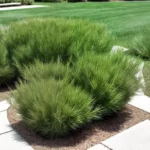
Velvet Panicum (Dichanthelium Scoparium): A Comprehensive Guide
Velvet Panicum, scientifically known as Dichanthelium Scoparium, is a fascinating and versatile plant that has captured the hearts of gardeners, landscapers, and plant enthusiasts alike. With its lush foliage, ecological significance, and landscape uses, the Velvet Panicum is a plant that offers a myriad of benefits and opportunities for cultivation. In this comprehensive guide, we will explore the characteristics, growth habits, care tips, ecological importance, and various uses of Velvet Panicum, providing invaluable insights for both novice and seasoned plant enthusiasts.
What is Velvet Panicum (Dichanthelium Scoparium)?
Velvet Panicum, also known by its scientific name Dichanthelium Scoparium, is an herbaceous perennial plant belonging to the Poaceae family. It is native to North America, where it thrives in diverse ecosystems, including prairies, open woodlands, and meadows. The plant is characterized by its delicate, velvety foliage and feathery seed heads, adding texture and visual interest to its surroundings. Velvet Panicum possesses remarkable ecological value, attracting pollinators and providing wildlife with habitat and sustenance. Additionally, its ornamental attributes make it a popular choice for landscaping, adding a touch of natural elegance to gardens and green spaces.
Key Takeaways – Velvet Panicum (Dichanthelium Scoparium)
Before delving deeper into the intricacies of caring for Velvet Panicum and understanding its ecological significance, let’s explore the key takeaways associated with this remarkable plant.
Culture
- Botanical Name: Dichanthelium Scoparium
- Common Name: Velvet Panicum
- Plant Type: Perennial
- Family: Poaceae
- Native Habitat: North America
- Growth Habit: Clumping
- Foliage: Velvety, fine-textured
- Flowering Season: Late summer to early fall
- USDA Hardiness Zones: 3-9
Uses
Landscape and Garden Uses
- Ornamental grass
- Erosion control
- Pollinator gardens
- Ground cover
- Privacy screen
- Rock gardens
- Container gardening
- Xeriscaping
- Coastal gardens
- Cottage gardens
- Japanese gardens
- Mediterranean gardens
- Prairie restorations
- Mixed plantings
- Winter landscapes
Ecological Benefits
- Wildlife food sources
- Pollinator attraction
- Erosion control
- Habitat provision
- Resilience symbolism
- Drought-tolerant qualities
- Fire-resistant characteristics
- Climate adaptability
Care and Maintenance
Water
- Regular watering in the first growing season
- Drought-tolerant once established
- Avoid waterlogged conditions
Sunlight
- Full sun to partial shade
- Thrives in sunny locations
Fertilizer
- Minimal fertilizer requirements
- Organic, well-balanced fertilizer (optional)
Soil
- Well-draining, fertile soil
- Tolerant of various soil types
Pruning
- Cut back in late winter or early spring
- Remove dead or damaged foliage
- Division every few years (optional)
Propagation
- Seed propagation
- Division of mature clumps
- Spring and early summer propagation
Container Popularity
- Well-suited for containers
- Adds texture to container plantings
- Suitable for patio and balcony gardens
Common Diseases
- Fungal Diseases: Rust, smut
- Viral Diseases: Not commonly affected
- Bacterial Diseases: Rare
Disease Diagnosis
- Visual symptoms
- Laboratory testing (if necessary)
Common Pests
- Grasshoppers
- Caterpillars
- Aphids
- Spider mites
Botanist’s Tips
- Emphasize well-draining soil
- Monitor moisture levels
- Prune as needed
- Support native wildlife
Fun Facts
- Velvet-like texture of foliage
- Drought-tolerant qualities
- Resilient nature
- Ecological significance
- Versatile garden uses
Now that we have a comprehensive overview of Velvet Panicum and its key attributes, let’s explore each aspect in more detail.
Velvet Panicum (Dichanthelium Scoparium) Characteristics
Velvet Panicum is renowned for its distinctive characteristics, which contribute to its ornamental, ecological, and practical value. Understanding its defining features is essential for cultivating and appreciating this exceptional plant.
Foliage and Texture
The foliage of Velvet Panicum is a standout feature, captivating observers with its velvety texture and fine, delicate appearance. The leaves are linear, slender, and often display a subtle bluish-green hue, creating a visually striking contrast with surrounding plants. The velvety texture of the foliage adds a tactile dimension to the plant, making it an engaging addition to gardens and landscapes.
Seed Heads
As Velvet Panicum matures, it produces elegant, feathery seed heads that sway gracefully in the breeze, adding movement and visual interest to outdoor spaces. The seed heads emerge in late summer and persist through early fall, providing a captivating display as they catch the sunlight and gently rustle in the wind.
Growth Habit
Velvet Panicum exhibits a clumping growth habit, forming dense tufts of foliage that gradually expand over time. This growth habit makes it an excellent choice for mass plantings, borders, and naturalistic landscapes, where its cascading form and velvety texture can be prominently featured.
Flowering Characteristics
While the ornamental appeal of Velvet Panicum primarily lies in its foliage and seed heads, the plant also produces inconspicuous flowers during its blooming season. These flowers are delicately arranged and contribute to the plant’s overall charm, attracting pollinators and enhancing its ecological value.
Environmental Adaptability
One of the most compelling characteristics of Velvet Panicum is its exceptional adaptability to various environmental conditions. This adaptability makes it well-suited for a wide range of landscapes, from sunny, arid locations to moderately shaded woodland settings.
Velvet Panicum Growth Habits
Understanding the growth habits of Velvet Panicum is pivotal for creating thriving landscapes and gardens. By appreciating its growth patterns, one can effectively integrate this plant into diverse outdoor settings while harnessing its aesthetic and ecological benefits.
Establishment and Establishment Period
Upon planting, Velvet Panicum requires consistent watering to establish its root system and promote healthy growth. Adequate moisture during this initial period is critical for ensuring the plant’s resilience and long-term vitality. However, once established, Velvet Panicum showcases impressive drought tolerance, making it an excellent choice for water-wise gardens and landscapes.
Growth Rate
In optimal conditions, Velvet Panicum demonstrates moderate to vigorous growth, gradually expanding its clumping form and developing lush foliage. The growth rate can vary based on factors such as environmental conditions, soil quality, and overall plant health, with well-tended specimens often exhibiting robust growth.
Spread and Clumping
As Velvet Panicum matures, it forms dense clumps and gradually expands its footprint in the landscape. This clumping growth habit creates visually appealing masses of verdant foliage, which can be strategically positioned to enhance the overall aesthetic of the outdoor environment.
Seasonal Changes
Throughout the growing season, Velvet Panicum undergoes distinct seasonal changes, with its foliage and seed heads transitioning in appearance. These seasonal variations contribute to the plant’s dynamic presence, offering ever-changing visual appeal and captivating displays.
Interaction with Wildlife
The growth habits of Velvet Panicum make it an attractive habitat and food source for various wildlife species. It attracts pollinators with its flowers and provides shelter and sustenance for insects, birds, and small mammals, enriching the ecological fabric of outdoor spaces.
Velvet Panicum Care Tips
Caring for Velvet Panicum involves a combination of attentive practices and an understanding of its specific needs. By adopting tailored care techniques, gardeners and landscape enthusiasts can ensure the optimal health and vitality of Velvet Panicum, maximizing its ornamental and ecological contributions.
Watering Needs
During the initial establishment period, Velvet Panicum benefits from regular watering to support root development and acclimatization. Adequate moisture is essential for promoting healthy growth and enabling the plant to establish a robust foundation. Once established, Velvet Panicum exhibits impressive drought tolerance and requires minimal supplemental watering, thriving in arid and water-wise landscapes.
Sunlight Preferences
Velvet Panicum thrives in full sun to partial shade, with its vigorous growth and lush foliage enhanced by ample sunlight. Bright, sunny locations are ideal for promoting the plant’s ornamental attributes, ensuring that it flourishes and presents its velvety texture and feathery seed heads to their fullest potential.
Fertilization
While Velvet Panicum has minimal fertilizer requirements, occasional supplementation with organic, well-balanced fertilizer can bolster its vigor and contribute to lush, healthy growth. Fertilization should be approached judiciously, taking into account the plant’s adaptability to various soil conditions and its intrinsic resilience.
Soil Requirements
Well-draining, fertile soil is conducive to the optimal growth and development of Velvet Panicum. The plant exhibits remarkable adaptability to different soil types, thriving in loamy, sandy, and clay soils with adequate drainage. The provision of suitable soil conditions is integral to the long-term health and vitality of Velvet Panicum, enabling it to flourish in diverse landscapes.
Pruning Techniques
Pruning Velvet Panicum is a straightforward process that primarily involves maintaining the plant’s aesthetic appeal and vigor. In late winter or early spring, the plant can be pruned to remove any dead or damaged foliage, rejuvenating its appearance and stimulating new growth. Additionally, periodic division of mature clumps can rejuvenate the plant, ensuring its continued vitality and resilience.
Velvet Panicum Plant Varieties
The diverse array of Velvet Panicum plant varieties offers gardeners and landscapers an extensive selection to choose from, catering to different preferences, environmental conditions, and design objectives. By exploring these varieties, enthusiasts can discover unique attributes and characteristics that align with their specific landscaping and horticultural aspirations.
‘Hayscented’
The ‘Hayscented’ variety of Velvet Panicum is known for its aromatic foliage, which emits a pleasant, hay-like scent when gently brushed or disturbed. This attribute adds an engaging olfactory dimension to the plant, complementing its visual appeal and creating a sensory experience in the garden.
‘Green Whisper’
‘Green Whisper’ Velvet Panicum captivates with its elegant, whispery appearance, characterized by finely textured foliage and delicate seed heads. This variety adds a subtle, ethereal quality to outdoor spaces, creating a serene and enchanting ambiance.
‘Blue Spruce’
With its distinctive bluish-green foliage that resembles the needles of a blue spruce tree, the ‘Blue Spruce’ variety of Velvet Panicum offers a unique visual impact. Its striking coloration and textural resemblance make it a standout choice for adding visual interest and diversity to landscapes and gardens.
‘Tussock’
The ‘Tussock’ variety of Velvet Panicum features a dense, tufted growth habit, forming compact mounds of velvety foliage. This clumping growth pattern creates a visually striking display, making ‘Tussock’ an excellent choice for border plantings, mass plantings, and naturalistic landscapes.
Velvet Panicum Propagation Methods
Propagation of Velvet Panicum is a rewarding endeavor that enables plant enthusiasts to multiply their favorite varieties and expand the presence of this exceptional plant in gardens and landscapes. By employing effective propagation methods, individuals can propagate Velvet Panicum with confidence, ensuring successful establishment and vigorous growth.
Seed Propagation
One of the primary propagation methods for Velvet Panicum involves harvesting and sowing seeds. Collecting mature seeds from existing plants and sowing them in well-prepared soil enables the production of new seedlings, which can be nurtured and cultivated to maturity. Seed propagation offers a direct and straightforward approach to multiplying Velvet Panicum, providing a source of new plants for diverse landscape applications.
Division of Mature Clumps
Dividing mature clumps of Velvet Panicum is an effective propagation method that rejuvenates existing plants and produces additional specimens for transplantation. By carefully dividing the clumps and ensuring that each division contains viable roots and shoots, individuals can propagate Velvet Panicum while concurrently revitalizing the parent plants.
Spring and Early Summer Propagation
Spring and early summer serve as optimal windows for propagating Velvet Panicum, aligning with its natural growth and development cycles. During these periods, the plant exhibits vigor and readiness for propagation, making it conducive to successful establishment and subsequent growth. By timing propagation efforts to coincide with the plant’s seasonal dynamics, gardeners can maximize the success of their propagation endeavors, fostering healthy and resilient new plants.
Velvet Panicum Planting Guide
The process of planting Velvet Panicum is a critical step in establishing flourishing garden and landscape displays. By adhering to a comprehensive planting guide, individuals can ensure the successful establishment of Velvet Panicum, creating a verdant and visually engaging outdoor environment.
Site Selection
When selecting a planting site for Velvet Panicum, it is essential to prioritize locations with well-draining soil, ample sunlight, and sufficient space for the plant to expand. Ideally, the chosen site should align with the plant’s preferences for full sun to partial shade, providing the necessary light exposure for robust growth and development.
Soil Preparation
Preparing the soil for Velvet Panicum involves creating a hospitable environment that supports healthy root establishment and vigorous growth. Amending the soil with organic matter, such as compost, enriches its fertility and improves its moisture retention and drainage, fostering optimal conditions for the plant’s long-term vitality.
Planting Depth and Spacing
When planting Velvet Panicum, it is advisable to position the root ball at the same level as the surrounding soil, ensuring that the plant is not buried too deeply or elevated above the ground. Proper spacing between individual plants is crucial for facilitating unimpeded growth and preventing overcrowding, enabling each specimen to thrive and contribute to the overall aesthetic composition.
Watering and Establishment
Following the planting of Velvet Panicum, thorough watering is essential to settle the soil, hydrate the roots, and support the plant’s initial establishment. Consistent moisture during this period is critical for securing the plant’s resilience and acclimatization, paving the way for its successful adaptation to the new environment.
Mulching and Maintenance
Applying a layer of organic mulch around Velvet Panicum offers numerous benefits, including moisture retention, weed suppression, and soil insulation. Mulching also contributes to the visual appeal of the planting area, enhancing the overall aesthetics of the landscape while promoting the health and vitality of the newly established plants.
Long-Term Care
Continued care and maintenance of Velvet Panicum involve monitoring its growth, addressing any potential issues, and providing periodic nourishment as needed. By attending to the plant’s specific requirements and promoting its overall well-being, individuals can ensure that Velvet Panicum flourishes and presents its ornamental and ecological attributes to their fullest extent.
Velvet Panicum Pruning Techniques
Pruning plays a pivotal role in maintaining the health, vigor, and aesthetic appeal of Velvet Panicum, enabling individuals to shape and rejuvenate the plant while fostering its long-term vitality. By mastering effective pruning techniques, gardeners can optimize the growth and visual impact of Velvet Panicum, ensuring that it remains an enduring and captivating presence in their outdoor spaces.
Timing of Pruning
Pruning Velvet Panicum is best executed in late winter or early spring before the onset of new growth. This timing aligns with the plant’s natural dormancy period, allowing for the removal of any dead or damaged foliage and enabling the plant to allocate its resources toward new growth and development.
Removal of Dead Foliage
During the pruning process, any dead or discolored foliage should be carefully pruned away, promoting the plant’s overall vigor and visual appeal. Removing these nonviable elements minimizes the risk of disease and infestation while rejuvenating the plant’s appearance and ensuring that it presents a vibrant and healthy aspect.
Division of Mature Clumps
Periodic division of mature Velvet Panicum clumps is a valuable pruning technique that promotes the rejuvenation and propagation of the plant. Dividing mature clumps enables individuals to establish new plants, revitalize existing specimens, and optimize the overall health and sustainability of their Velvet Panicum displays.
Rejuvenation Pruning
In instances where Velvet Panicum exhibits reduced vigor, leggy growth, or overcrowding, rejuvenation pruning can be employed to invigorate the plant and restore its vitality. This comprehensive pruning approach involves the selective removal of aged or overgrown portions, encouraging new growth and rejuvenating the plant’s overall form and appearance.
Maintenance Pruning
Routine maintenance pruning entails periodic monitoring and adjustment of Velvet Panicum’s growth, addressing any irregularities or obstructions that may arise. By consistently tending to the plant’s form and structure, individuals can promote its visual appeal and ensure that it continues to flourish and contribute to the overall landscapes.
Velvet Panicum Soil Requirements
The soil requirements of Velvet Panicum play a crucial role in determining the plant’s long-term health, vigor, and adaptability to diverse environments. By understanding its specific soil preferences, individuals can create conducive growing conditions for Velvet Panicum, ensuring its successful establishment and sustained vitality.
Soil Type
Velvet Panicum exhibits remarkable adaptability to various soil types, thriving in loamy, sandy, and clay soils with well-draining properties. This adaptability makes it well-suited for different landscapes and environmental conditions, allowing it to flourish in a wide range of soil compositions.
Moisture Retention and Drainage
Well-draining soil that retains adequate moisture without becoming waterlogged is ideal for Velvet Panicum, enabling the plant to access the necessary hydration while avoiding the risk of root rot or related issues. The balance between moisture retention and drainage ensures that the plant’s root system remains healthy and functional, contributing to its overall vigor and resilience.
Nutrient Content
Fertile soil enriched with organic matter and essential nutrients fosters the optimal growth and development of Velvet Panicum, providing the plant with the necessary resources for robust foliage and vigorous clump formation. Amendments such as compost and aged manure can enhance the fertility and nutrient content of the soil, contributing to the plant’s long-term vitality.
pH Levels
Velvet Panicum thrives in neutral to slightly acidic soil with a pH range of 6.0 to 7.5, favoring soil conditions that are conducive to nutrient uptake and overall plant health. Maintaining suitable pH levels ensures that the plant can effectively assimilate essential minerals and compounds, supporting its growth and vibrancy.
Soil Preparation
Prior to planting Velvet Panicum, soil preparation is integral to creating a hospitable environment that supports healthy root establishment and robust growth. Amending the soil with organic matter, evaluating its drainage characteristics, and addressing any potential deficiencies or imbalances helps set the stage for successful Velvet Panicum cultivation, ensuring the optimal health and productivity of the plant.
Velvet Panicum Watering Needs
Understanding the watering needs of Velvet Panicum is essential for promoting its resilience, vigor, and ornamental appeal. By providing the plant with appropriate moisture levels and adopting conscientious watering practices, individuals can ensure that Velvet Panicum flourishes and enriches their outdoor spaces with its velvety foliage and captivating seed heads.
Establishing Moisture Levels
During the initial growth period, Velvet Panicum benefits from regular watering to establish its root system and support healthy development. Consistent moisture during this phase is critical for securing the plant’s resilience and acclimatization, enabling it to adapt to its new environment and lay the groundwork for long-term vitality.
Drought Tolerance
Once established, Velvet Panic