Veiny Pepperweed (Lepidium Oblongum)
Plants play a crucial role in sustaining life on Earth. From providing oxygen to serving as a source of food and medicine, plants have immense value. One.
Introduction
Plants play a crucial role in sustaining life on Earth. From providing oxygen to serving as a source of food and medicine, plants have immense value. One plant that holds particular interest is the Veiny Pepperweed, scientifically known as Lepidium Oblongum. In this comprehensive guide, we will delve into the various aspects of this intriguing plant, including its description, characteristics, uses, cultivation, and maintenance. By the end of this article, you will gain a deep understanding of Veiny Pepperweed and its significance in the botanical world.
What is Veiny Pepperweed (Lepidium Oblongum)?
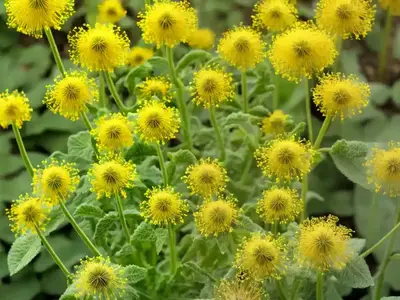
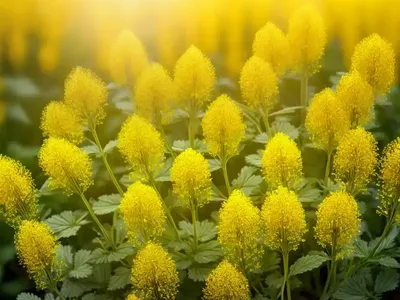
Veiny Pepperweed (Lepidium Oblongum) is a species of flowering plant in the Brassicaceae family. Also known as western pepperweed, this native plant of North America is commonly found in regions with arid and semi-arid climates. Its scientific name, Lepidium Oblongum, is derived from the Latin word lepidium, which means “small scale” and oblongum, referring to the oblong shape of its leaves. The plant is known for its delicate white flowers and slender, veined leaves, which give it a distinctive appearance.
Key Takeaways – Veiny Pepperweed (Lepidium Oblongum)
Before we dive into the specific aspects of Veiny Pepperweed, let’s take a quick look at the key takeaways of this plant:
- Scientific Name: Lepidium Oblongum
- Common Name: Veiny Pepperweed, Western Pepperweed
- Family: Brassicaceae
- Native Habitat: North America
- Characteristics: Delicate white flowers, slender veined leaves
- Cultural Significance: Culinary and medicinal uses
- Growth Environment: Arid and semi-arid regions
- Conservation Status: Varied based on geographical location
- Ecological Role: Supports local wildlife and beneficial insects
Description of Veiny Pepperweed (Lepidium Oblongum)
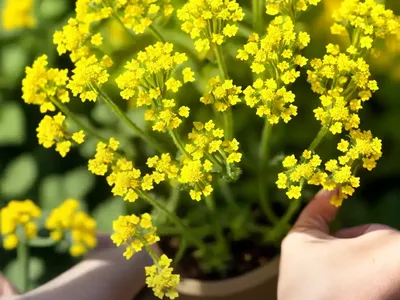
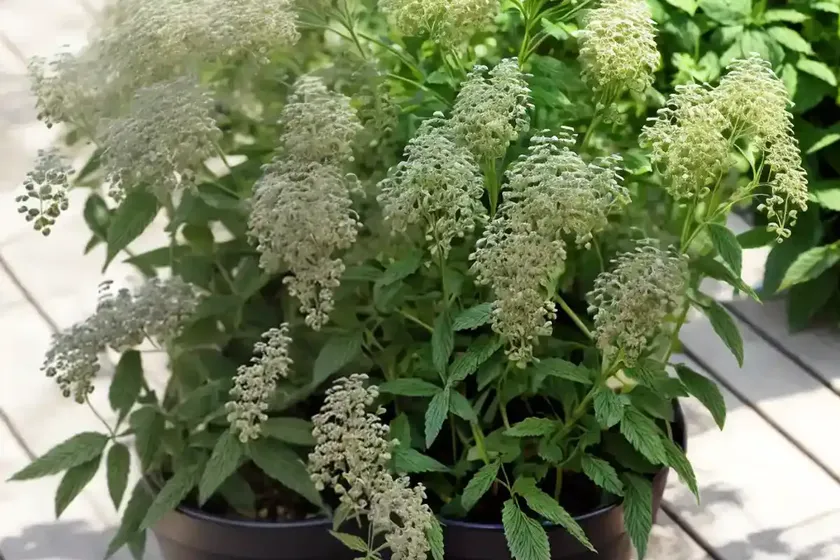
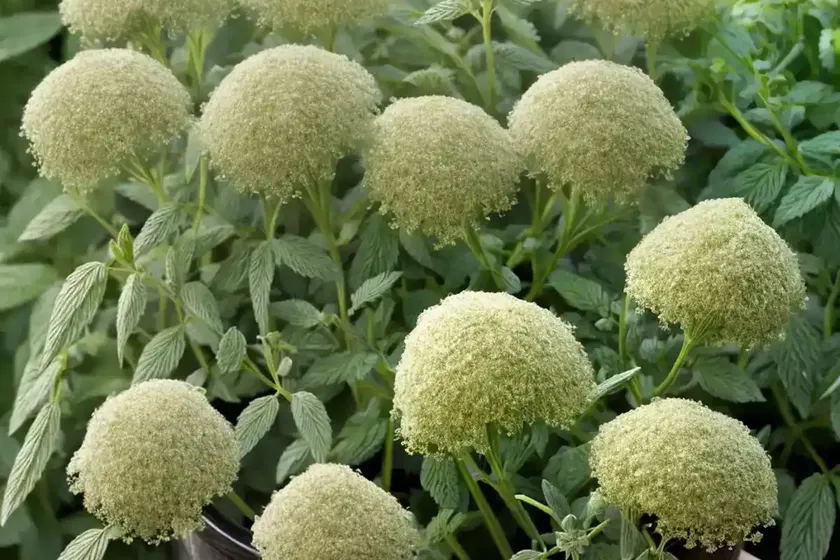
Veiny Pepperweed is characterized by its slender, veined leaves and delicate white flowers. The plant typically reaches a height of about 12 to 18 inches, and its wiry stems give it an airy and elegant appearance. The leaves are oblong in shape, with distinct veins running through them, hence the common name “Veiny Pepperweed.” The flowers, which bloom in clusters, are small and white, adding a touch of elegance to the plant.
Characteristics of Lepidium Oblongum
The following are the primary characteristics of Veiny Pepperweed (Lepidium Oblongum):
- Height: 12-18 inches
- Leaves: Slender, oblong, veined
- Flowers: Small, delicate, white
- Stems: Wiry and flexible
- Habitat: Arid and semi-arid regions
- Conservation Status: Varies by location
Veiny Pepperweed (Lepidium Oblongum) Facts
Indigenous Cultural Uses
-
Culinary Significance: Veiny Pepperweed has traditionally been used as a culinary herb by indigenous communities. The leaves of the plant add a distinctive peppery flavor to dishes and are often used fresh in salads or as a seasoning for meats and vegetables.
-
Medicinal Properties: The plant holds medicinal significance in Native American traditional medicine. It is believed to have digestive and detoxifying properties and has been used to treat various ailments.
-
Historical Significance: The cultural and historical significance of Veiny Pepperweed is deeply rooted in the traditions of Native American tribes, where it was not only used for food and medicine but also held spiritual importance.
Ecological Importance
-
Wildlife Support: Veiny Pepperweed serves as a valuable food source for local wildlife, including insects and small mammals. Its presence contributes to the overall biodiversity of the region.
-
Soil Stabilization: Due to its deep root system, Veiny Pepperweed plays a role in stabilizing the soil in arid and semi-arid environments, helping prevent erosion and promoting soil health.
-
Conservation Efforts: Given its ecological importance, conservation efforts are underway in various regions to protect and preserve natural populations of Veiny Pepperweed.
Growing Veiny Pepperweed
Cultivating Veiny Pepperweed can be a rewarding experience for plant enthusiasts and gardeners. To successfully grow and maintain this plant, it is essential to understand its specific requirements in terms of water, sunlight, soil, and other factors. Let’s explore the key factors involved in growing Veiny Pepperweed.
Culture
Uses
-
Culinary Uses: The leaves of Veiny Pepperweed are sought after for their unique pepper-like flavor, which adds a delightful zest to salads, soups, and other culinary creations. Incorporating Veiny Pepperweed into culinary dishes can provide a distinct and memorable taste experience.
-
Medicinal Applications: In addition to its culinary uses, Veiny Pepperweed has been utilized for its medicinal properties. From aiding in digestion to detoxification, the plant offers a range of potential health benefits.
Water
Veiny Pepperweed, in its natural habitat, is adapted to arid and semi-arid conditions, indicating its ability to withstand periods of drought. When cultivating Veiny Pepperweed, it is crucial to strike a balance in watering to mimic its natural environment. Here are some essential points to consider regarding its water requirements:
-
Optimal Moisture Levels: Veiny Pepperweed thrives in well-draining soil and prefers moderate moisture levels. While it can tolerate dry spells, it should not be deprived of water for extended periods, especially during the early stages of growth.
-
Watering Frequency: During the initial establishment phase, regular watering is essential to ensure that the plant takes root and establishes a strong foundation. Once established, the frequency of watering can be reduced, allowing the plant to adapt to periodic dry conditions.
The adaptable nature of Veiny Pepperweed makes it a suitable choice for water-wise gardening and xeriscaping, where plants are selected for their ability to thrive in low-water environments.
Sunlight
Veiny Pepperweed exhibits a preference for full sun to partial shade, reflecting its adaptation to the intense sunlight prevalent in arid regions. When selecting a location for planting Veiny Pepperweed, consider the following guidelines related to sunlight exposure:
-
Sun Requirements: Aim to provide Veiny Pepperweed with at least 6-8 hours of direct sunlight per day. This ensures optimal growth and flowering, and helps promote the development of its distinct veined leaves.
-
Partial Shade Considerations: While the plant thrives in full sunlight, it can also tolerate partial shade, particularly in regions with intense midday heat. When exposed to partial shade, the plant may exhibit slightly elongated growth, but will still maintain its overall vigor and appearance.
Fertilizer
Veiny Pepperweed, when grown in its native habitat, relies on the nutrient content of the soil to support its growth and development. In a garden or cultivated setting, providing adequate nutrients can contribute to the plant’s well-being. Consider the following points related to fertilizer for Veiny Pepperweed:
-
Soil Assessment: Before applying fertilizer, it is beneficial to conduct a soil analysis to determine its nutrient composition. Understanding the soil’s nutrient levels can guide the appropriate application of fertilizer.
-
Natural Amendments: Organic fertilizers or soil amendments can be beneficial for Veiny Pepperweed, as they contribute to the overall soil health without causing an imbalance in nutrient levels.
-
Minimal Fertilization: In general, Veiny Pepperweed does not require heavy fertilization. If the soil lacks essential nutrients, a balanced, slow-release fertilizer can be applied during the plant’s early growth stages. However, be cautious not to over-fertilize, as this can lead to rapid, undesirable growth.
Soil
The choice of soil plays a critical role in the successful cultivation of Veiny Pepperweed. As a plant adapted to arid and semi-arid environments, it exhibits specific requirements concerning soil type and quality.
-
Well-Draining Soil: Veiny Pepperweed thrives in well-draining soil to prevent waterlogging, which can be detrimental to its roots. Sandy or loamy soils with good drainage properties are ideal for cultivating this plant.
-
pH Levels: The plant prefers slightly alkaline to neutral soil pH, ranging from 7.0 to 8.0. Conducting a soil pH test can provide insights into the acidity or alkalinity of the soil, allowing for appropriate adjustments if necessary.
-
Native Soil Adaptation: When possible, it is advantageous to emulate the native soil conditions of Veiny Pepperweed. This can include the incorporation of sand or gravel to improve drainage and mimic the natural environment where the plant thrives.
Pruning
Pruning Veiny Pepperweed is beneficial for maintaining its shape, promoting bushier growth, and managing its overall vigor.
-
Selective Pruning: Regularly removing spent or damaged foliage helps redirect the plant’s energy toward new growth and flowering. This selective approach contributes to the plant’s overall health and appearance.
-
Deadheading: Removing spent flowers can encourage the formation of new blooms and prevent self-seeding, particularly in garden settings where controlling the spread of the plant may be necessary.
-
Winter Pruning: In regions where Veiny Pepperweed experiences frost or cold temperatures, winter pruning can help prepare the plant for the upcoming growing season. Trimming back the stems and foliage can promote fresh growth when the weather warms.
Propagation
Veiny Pepperweed can be propagated through both seed and vegetative methods, providing diverse options for expanding its presence in a garden or natural setting.
-
Seed Propagation: Collecting mature seeds from the plant can be a straightforward method for propagating new Veiny Pepperweed. Sow the seeds in well-draining soil in the early spring, providing consistent moisture for germination.
-
Division: Dividing established clumps of Veiny Pepperweed can also serve as a propagation method. Carefully separate the root ball into sections and replant them in suitable locations, ensuring that each division has an adequate root system to support its growth.
-
Cuttings: Stem cuttings from healthy, mature plants can be rooted to produce new Veiny Pepperweed individuals. This method allows for the generation of genetically identical plants from selected parent specimens.
Container Popularity
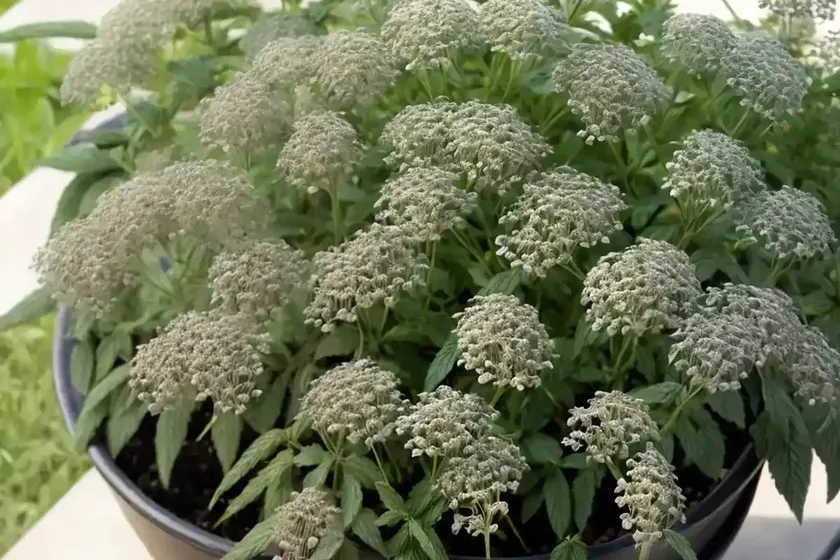
Due to its adaptability and aesthetic qualities, Veiny Pepperweed is well-suited for container cultivation, either indoors or on patios and balconies. Growing Veiny Pepperweed in containers offers several advantages, including:
-
Space Flexibility: Containers allow for the convenient placement of Veiny Pepperweed in various locations, providing versatility in garden design and arrangement.
-
Controlled Environment: Container gardening enables precise control over factors such as sunlight exposure and water management, particularly in regions with challenging climate conditions.
-
Aesthetic Appeal: The delicate foliage and clustering white flowers of Veiny Pepperweed make it an attractive addition to container gardens, adding visual interest and charm.
Common Diseases
As with any plant, Veiny Pepperweed is susceptible to certain diseases and conditions that can impact its health and vigor. Being aware of potential diseases and their symptoms is essential for implementing timely management strategies. Here are some common diseases that may affect Veiny Pepperweed:
Disease Diagnosis
-
Powdery Mildew: Characterized by the appearance of white, powdery spots on the leaves, powdery mildew can hinder the plant’s photosynthetic activity and overall growth. Adequate air circulation and appropriate fungicidal treatments can help manage this condition.
-
Root Rot: Excessive moisture or poor soil drainage can lead to root rot in Veiny Pepperweed. Symptoms include wilting, yellowing of foliage, and a foul odor emanating from the roots. Improving soil drainage and moderating watering practices are key to preventing root rot.
-
Leaf Spot Diseases: Various fungal and bacterial pathogens can cause leaf spot diseases in Veiny Pepperweed, leading to the development of dark spots or lesions on the foliage. Prompt removal and disposal of affected plant material can help prevent the spread of the disease.
Disease Prevention
-
Cultural Practices: Implementing proper cultural practices, such as maintaining adequate spacing between plants, providing good air circulation, and avoiding overhead watering, can promote overall plant health and reduce the risk of disease.
-
Monitoring and Vigilance: Regularly inspecting Veiny Pepperweed for any signs of disease or distress allows for early intervention and control measures, thus preventing the escalation of potential issues.
-
Healthy Growth Conditions: Ensuring that the plant receives optimal sunlight, water, and soil conditions can bolster its natural defenses against diseases, promoting resilience and vigor.
Common Pests
Pests can pose a threat to the well-being of Veiny Pepperweed, potentially causing damage to its foliage, stems, and overall growth. Being aware of common pests and their management is essential for safeguarding the plant.
Pest Identification
-
Aphids: These small, soft-bodied insects may congregate on the tender new growth of Veiny Pepperweed, causing distortion and damage to the leaves. Natural predators and insecticidal soaps can help control aphid populations.
-
Cabbage Worms: Caterpillars of the cabbage white butterfly, also known as cabbage worms, can feed on the foliage of Veiny Pepperweed, leading to unsightly damage. Hand-picking, natural predators, and biological control agents are effective methods for managing cabbage worms.
-
Flea Beetles: Small, jumping beetles known as flea beetles can inflict damage on Veiny Pepperweed by creating tiny holes in the leaves. Insecticidal treatments and the use of reflective mulches can deter flea beetles.
Pest Management
-
Integrated Pest Management (IPM): Employing an IPM approach that combines preventive measures, biological controls, and targeted pesticide applications can effectively manage pest populations while minimizing environmental impact.
-
Beneficial Insects: Encouraging the presence of natural predators and beneficial insects, such as ladybugs and lacewings, can help regulate pest populations and maintain a balanced ecological environment.
-
Companion Planting: Selecting companion plants that repel or deter common pests can complement the cultivation of Veiny Pepperweed, offering natural pest protection without the need for chemical interventions.
Botanist’s Tips for Veiny Pepperweed Care
As a botanist, I have had the opportunity to study and observe the unique characteristics of Veiny Pepperweed in its natural habitat. From my experiences, I offer the following tips to ensure the successful cultivation and maintenance of this intriguing plant:
-
Emulate Natural Conditions: Understanding the native habitat and growing conditions of Veiny Pepperweed is key to its successful cultivation. Emulate these conditions as closely as possible to promote its overall health and vigor.
-
Observe Growth Patterns: Regularly observe the growth patterns of Veiny Pepperweed, including leaf development, flowering, and overall shape. This allows for early detection of any potential issues and provides insights into the plant’s specific needs.
-
Conservation Awareness: Given the ecological significance of Veiny Pepperweed in certain regions, it is important to be aware of local conservation efforts and guidelines. Where applicable, support initiatives aimed at preserving and protecting this valuable plant species.
-
Promote Biodiversity: Recognize the role of Veiny Pepperweed in supporting local wildlife and ecological diversity. Consider incorporating it into garden designs and natural landscapes to contribute to the enhancement of the overall ecosystem.
Fun Facts about Veiny Pepperweed (Lepidium Oblongum)
-
Animal Forage: Veiny Pepperweed serves as a forage plant for various herbivorous animals, including small mammals and certain bird species. Its foliage provides a source of nutrition and sustenance within the natural food web.
-
Water Conservation: The adaptive traits of Veiny Pepperweed, such as its tolerance to drought and efficient water use, highlight its significance in water-wise landscaping and sustainable gardening practices.
-
Traditional Medicine: Native American tribes historically used Veiny Pepperweed for its medicinal properties, recognizing its potential to address minor ailments and enhance overall well-being.
-
Culinary Delicacy: The distinctive peppery flavor of Veiny Pepperweed has been appreciated for generations, adding a unique note to culinary creations and local cuisines in its native regions.
Links to External Resources
- Sustainable Landscaping with Native Plants
- Understanding Soil pH
- Integrated Pest Management for Home Gardeners
- Conservation Organizations and Initiatives
In conclusion, Veiny Pepperweed (Lepidium Oblongum) stands as a plant of significant value, encompassing culinary, medicinal, and ecological attributes. Its adaptability and cultural significance make it a plant worthy of attention and appreciation. By integrating the knowledge and insights shared in this guide, plant enthusiasts and conservation advocates can contribute to the preservation and sustainable utilization of Veiny Pepperweed, fostering its continued presence and impact in diverse ecosystems.
Remember, every plant has a story to tell and a role to play in the intricate tapestry of the natural world. Let’s celebrate the unique qualities of Veiny Pepperweed and the contributions it makes to our environment and our lives.