Upright Elephant’s Ear (Alocasia ‘portodora’)
Plants are an essential component of our natural environment, providing oxygen, food, and beauty. As a plant scientist, I have the privilege of studying.
Introduction
Plants are an essential component of our natural environment, providing oxygen, food, and beauty. As a plant scientist, I have the privilege of studying and understanding the characteristics, growth requirements, and uses of various plant species. In this comprehensive guide, we will explore the fascinating world of the Upright Elephant’s Ear (Alocasia ‘portodora’). This tropical plant is known for its stunning foliage and unique growth habits, making it a popular choice for both indoor and outdoor settings.
What Is a Plant?
Plants are living organisms belonging to the kingdom Plantae. They are autotrophic, meaning they produce their own food through the process of photosynthesis. Plants play a crucial role in the Earth’s ecosystems, serving as primary producers and providing habitat and sustenance for countless other organisms. From towering trees in the rainforest to delicate wildflowers in a meadow, the diversity of plant life is astounding.
Plants are characterized by several key features, including:
- Cellular Structure: Plants are composed of eukaryotic cells with rigid cell walls made of cellulose.
- Photosynthesis: Through the process of photosynthesis, plants convert light energy into chemical energy, producing glucose and releasing oxygen as a byproduct.
- Reproduction: Most plants reproduce sexually, producing seeds through the fertilization of ovules within flowers. Others, such as ferns and mosses, reproduce through spores.
- Adaptation: Plants have evolved a wide array of adaptations to thrive in diverse environments, from the ability to withstand extreme temperatures to mechanisms for conserving water in arid conditions.
Now, let’s delve into the captivating world of the Upright Elephant’s Ear (Alocasia ‘portodora’) and explore its unique characteristics, care requirements, and uses.
Upright Elephant’s Ear (Alocasia ‘portodora’)
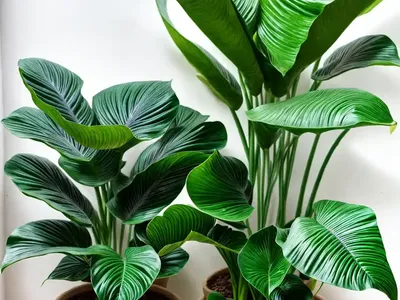
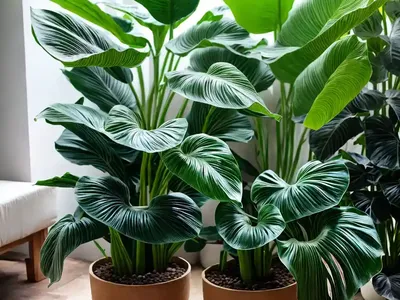
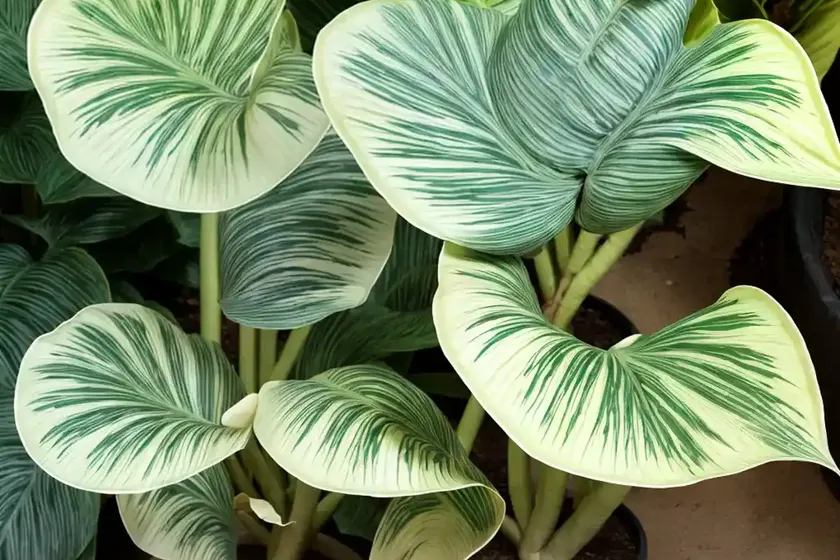
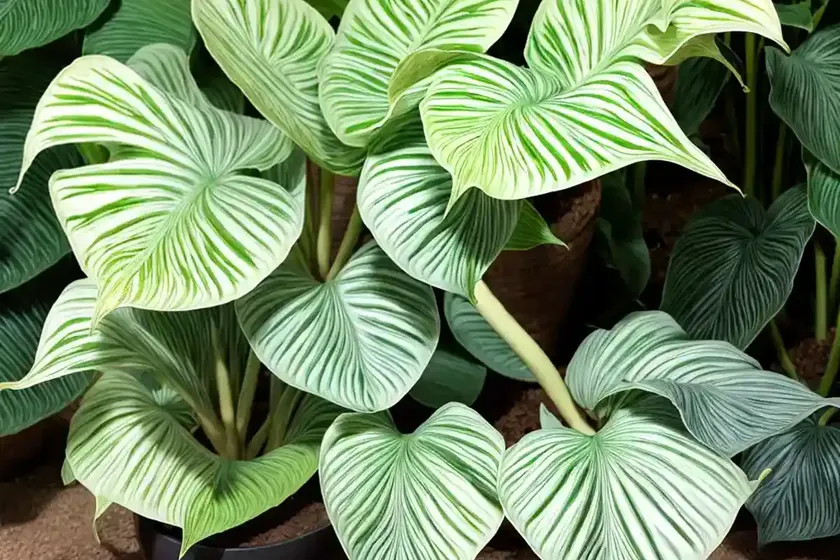
Alocasia ‘portodora’ is a striking plant that belongs to the Alocasia genus, which is part of the Araceae family. This species is commonly known as the Upright Elephant’s Ear due to the shape and size of its leaves, which resemble the ears of an elephant. The ‘portodora’ variety is particularly renowned for its upright growth habit, making it an eye-catching addition to any indoor or outdoor space.
Key Takeaways – Upright Elephant’s Ear (Alocasia ‘portodora’)
Before we dive into the specific care requirements for Alocasia ‘portodora,’ let’s take a moment to highlight some key takeaways about this remarkable plant:
- Plant Name: Upright Elephant’s Ear (Alocasia ‘portodora’)
- Genus and Species: Alocasia ‘portodora’
- Common Name: Upright Elephant’s Ear
- Family: Araceae
- Growth Habit: Upright
- Distinctive Feature: Elephant-like, broad leaves
- Uses: Ornamental plant for indoor and outdoor settings
- Distinctive Characteristics: Striking foliage, tropical appearance
With these key points in mind, let’s explore the specific care and cultivation requirements for Upright Elephant’s Ear (Alocasia ‘portodora’).
Culture
Uses
- Ornamental Plant: Alocasia ‘portodora’ is primarily grown for its ornamental value, adding a tropical and exotic aesthetic to gardens, landscapes, and indoor spaces.
- Foliage Display: The large, broad leaves of Alocasia ‘portodora’ make it a stunning focal point, particularly when grown in containers or as part of a mixed tropical planting.
Water
Proper watering is essential for the health and vitality of Alocasia ‘portodora.’ This plant thrives in consistently moist, but not waterlogged, soil. Here are some key considerations for watering the Upright Elephant’s Ear:
- Moisture Requirements: Alocasia ‘portodora’ prefers evenly moist soil and should not be allowed to dry out completely between waterings.
- Monitoring Moisture: Regularly check the moisture level of the soil, particularly during warmer months when the plant’s water needs may increase.
- Humidity: Alocasia ‘portodora’ benefits from elevated humidity levels, making it well-suited for growth in tropical or subtropical climates or indoor environments with adequate humidity.
Sunlight
Proper light exposure is crucial for the growth and development of Alocasia ‘portodora.’ While it appreciates bright, indirect light, it should be protected from direct sunlight, which can scorch its leaves. Consider the following when providing sunlight for the Upright Elephant’s Ear:
- Indoor Placement: When grown indoors, place Alocasia ‘portodora’ in a location with indirect sunlight, such as near a north or east-facing window.
- Outdoor Positioning: In outdoor settings, choose a partially shaded area with protection from intense midday sun, particularly in regions with hot summers.
Fertilizer
A balanced fertilizer regimen can promote healthy growth and vibrant foliage in Alocasia ‘portodora.’ Here are some fertilizer considerations for this plant:
- Fertilizer Type: Use a well-balanced, water-soluble fertilizer formulated for foliage plants.
- Application Frequency: During the growing season, apply fertilizer monthly at half the recommended strength to avoid over-fertilization.
- Winter Rest: Reduce or eliminate fertilization during the plant’s winter dormancy period, when growth slows.
Soil
The choice of soil is paramount to the overall health and vigor of Alocasia ‘portodora.’ It requires well-draining, moisture-retentive soil to thrive. Consider the following soil-related aspects when cultivating Upright Elephant’s Ear:
- Drainage: Use a well-draining potting mix or amend garden soil with organic matter to improve drainage and aeration.
- Acidic pH: Alocasia ‘portodora’ prefers slightly acidic soil with a pH ranging from 5.5 to 6.5.
- Container Planting: When growing in containers, choose a pot with drainage holes to prevent waterlogged soil conditions.
Pruning
Regular pruning and maintenance can help keep Alocasia ‘portodora’ looking its best while promoting healthy growth. Focus on the following when pruning this plant:
- Leaf Removal: Trim away any yellowing or damaged leaves to maintain the plant’s aesthetic appeal and minimize the risk of disease.
- Size Control: Remove any wayward or excessively tall stems to maintain the plant’s desired shape and size.
- Sanitization: Use clean, sharp tools to avoid transmitting diseases and prune with precision to minimize stress on the plant.
Propagation
Alocasia ‘portodora’ can be propagated through various methods, including division and rhizome cuttings. Here are some key points to consider when propagating Upright Elephant’s Ear:
- Division: Divide mature plants during repotting, ensuring that each division has a healthy rhizome and several growing points.
- Rhizome Cuttings: Cut healthy rhizome sections, making sure each cutting has at least one growing point, and plant them in well-draining, moist soil.
Container Popularity
Alocasia ‘portodora’ is a popular choice for container gardening, both indoors and outdoors. Its upright growth habit and striking foliage make it a captivating addition to container plantings. Here are some considerations for growing this plant in containers:
- Container Size: Choose a container that provides ample room for the plant’s roots to spread and grow, allowing for healthy development.
- Drainage: Ensure that the chosen container has adequate drainage holes to prevent waterlogged soil conditions.
- Indoor Decor: Alocasia ‘portodora’ adds a touch of tropical elegance to indoor spaces, making it a sought-after plant for interior décor.
Common Diseases
Like any plant, Alocasia ‘portodora’ is susceptible to certain diseases, particularly when its care requirements are not met. Some common diseases that may affect this plant include:
- Fungal Infections: Overly moist conditions can lead to fungal diseases such as root rot and leaf spot.
- Bacterial Issues: Bacterial infections may occur, causing symptoms such as leaf rot and wilting.
Disease Diagnosis
Prompt diagnosis of potential diseases is crucial for implementing effective treatment. Be vigilant for symptoms such as:
- Leaf Spots: Irregular spots or lesions on the leaves may indicate fungal or bacterial issues.
- Yellowing and Wilting: Yellowing or wilting of the leaves can be a sign of both disease and cultural issues, requiring careful consideration and assessment.
Common Pests
Alocasia ‘portodora’ may attract certain pests that can affect its health and appearance. Common pests to watch out for include:
- Spider Mites: These tiny arachnids can cause stippling and webbing on the undersides of leaves.
- Mealybugs: Mealybugs may colonize the plant, leading to sticky honeydew and weakened growth.
Botanist’s Tips
As a plant scientist, I offer the following tips and insights for successfully caring for Alocasia ‘portodora’:
- Monitor Moisture: Regularly check the moisture level of the soil, adjusting watering frequency as needed to maintain even moisture.
- Avoid Direct Sunlight: Protect the plant from direct sunlight, particularly during the hottest part of the day, to prevent leaf scorch.
- Inspect for Pests: Routinely inspect the plant for signs of pest infestations, taking proactive measures if pests are observed.
Fun Facts
- Cultural Significance: In some cultures, Alocasia species are revered and associated with symbolism and tradition.
- Tropical Origin: Alocasia ‘portodora’ is native to tropical regions, contributing to its preference for warm, humid conditions.
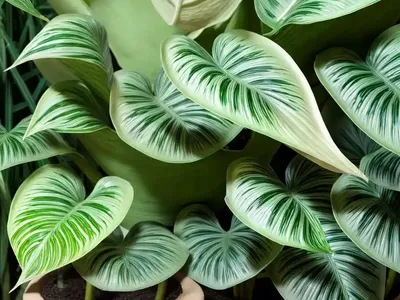
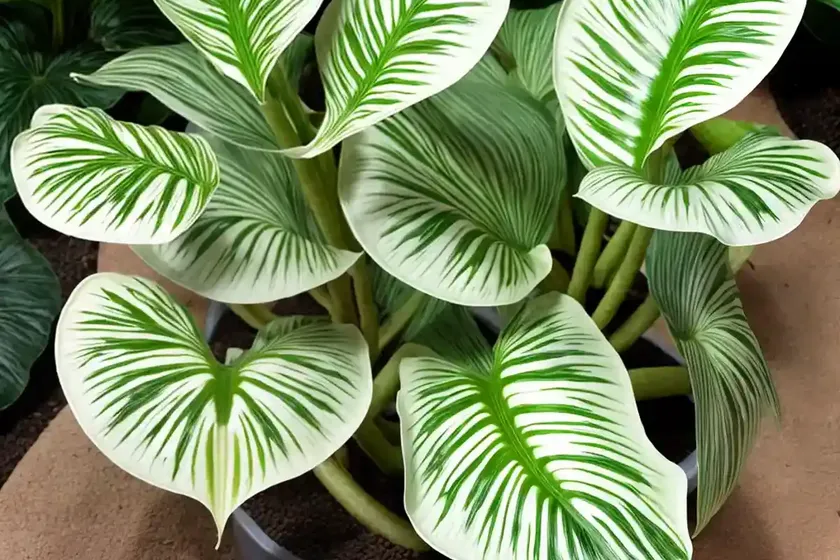
- Leaf Diversity: The leaves of Alocasia ‘portodora’ can exhibit a range of colors and patterns, adding to their visual appeal.
Links to External Resources
For further information about Alocasia ‘portodora’ care, propagation, and cultivation, consider exploring the following resources:
- Alocasia Care Guide
- Tropical Plant Propagation Techniques
- Creating a Tropical Oasis in Your Home
Conclusion
As a plant scientist, I am continually fascinated by the diversity and complexity of plant species such as Alocasia ‘portodora.’ This tropical beauty captivates with its striking foliage and unique growth habits, making it a sought-after addition to gardens, landscapes, and interior spaces. By understanding and meeting its specific care requirements, enthusiasts can enjoy the beauty and grace of the Upright Elephant’s Ear (Alocasia ‘portodora’) while fostering its health and vitality.
As we continue to explore the wonders of the natural world, may we cherish and protect the invaluable plants that enrich our lives and sustain our planet.
Happy gardening!