Trumpet Honeysuckle (Lonicera Sempervirens ‘Blanche Sandman’)
In the world of gardening and horticulture, one of the most beloved types of plants is the trumpet honeysuckle, scientifically known as Lonicera.
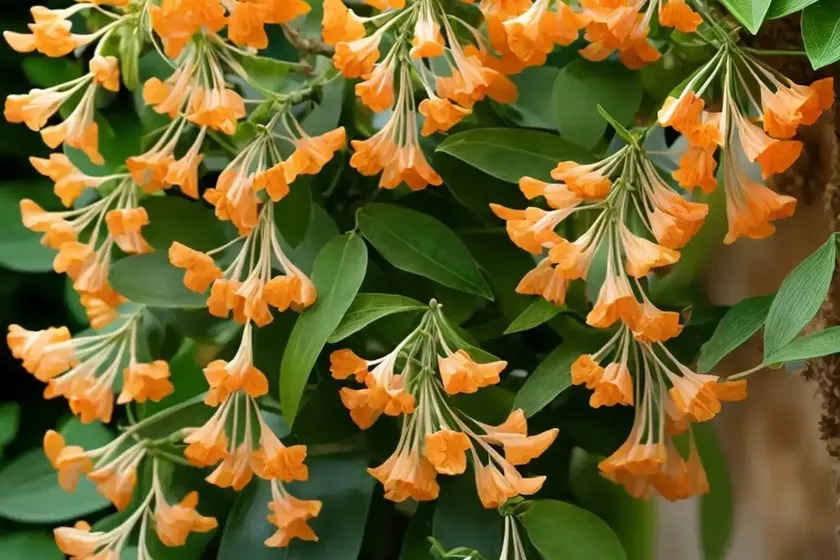
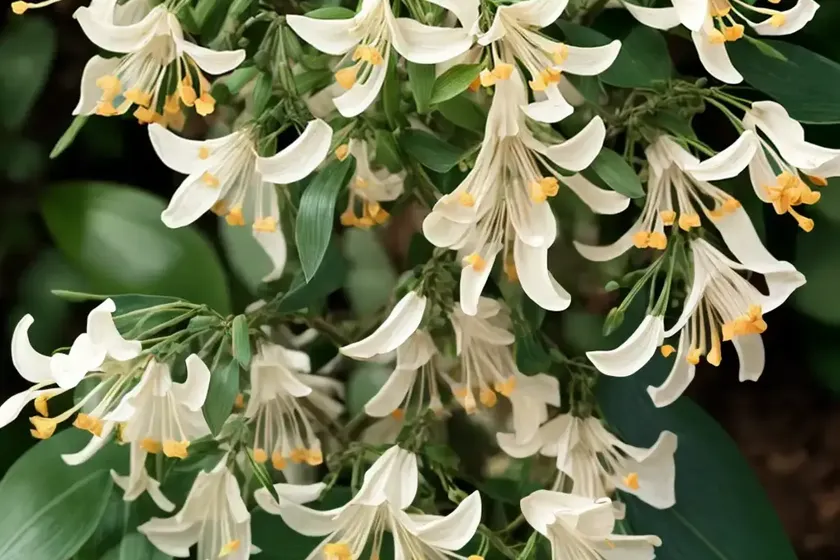
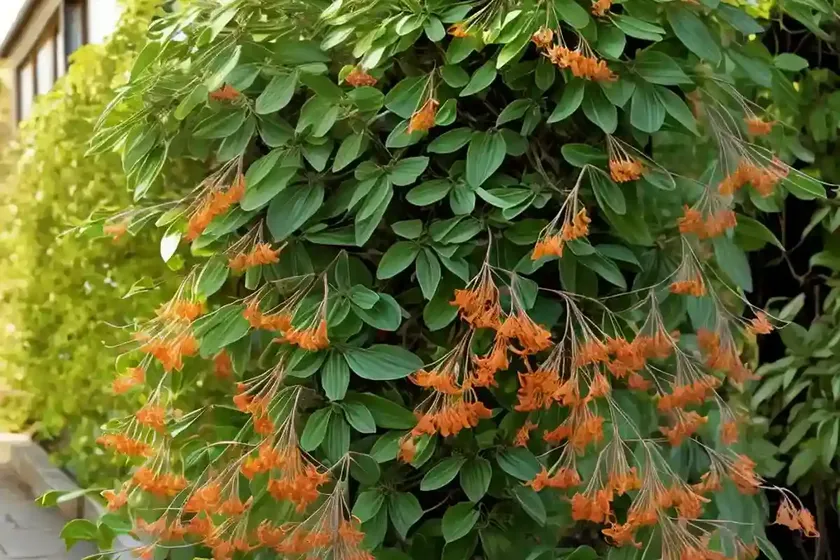
In the world of gardening and horticulture, one of the most beloved types of plants is the trumpet honeysuckle, scientifically known as Lonicera sempervirens ‘Blanche Sandman’. This stunning vine is prized for its trumpet-shaped flowers, fragrant vines, and its ability to attract beautiful hummingbirds. In this comprehensive guide, we will delve into the culture, uses, maintenance, and fascinating facts about the trumpet honeysuckle. Whether you are an experienced gardener or a novice enthusiast, this guide will provide you with valuable insights into this captivating plant.
What is Trumpet Honeysuckle (Lonicera sempervirens ‘Blanche Sandman’)?
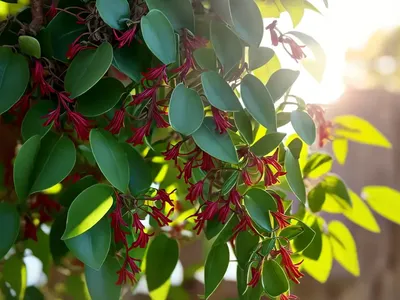
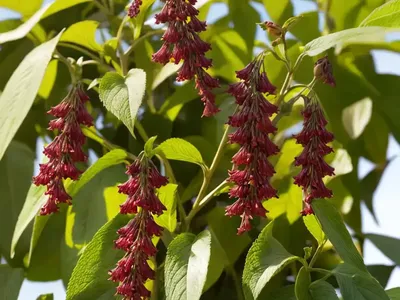
Lonicera sempervirens ‘Blanche Sandman’, commonly known as trumpet honeysuckle, is a captivating woody vine that belongs to the Caprifoliaceae family. This native North American plant is admired for its striking trumpet-shaped flowers, which bloom prolifically from late spring to early summer. The ‘Blanche Sandman’ variety, in particular, is celebrated for its deep red flowers and is a popular choice among gardening enthusiasts.
This climbing plant is renowned for its wildlife appeal, especially for attracting hummingbirds with its nectar-rich blossoms. The fragrant vines and vibrant flowers make it an appealing addition to a garden, providing a visually stunning and aromatic display. Its ability to thrive in various conditions, such as limited sunlight and dry soil, makes it a versatile and resilient choice for landscapes.
With its exquisite blooms and numerous landscape uses, Lonicera sempervirens ‘Blanche Sandman’ has become a sought-after plant for both experienced gardeners and newcomers to the world of gardening.
Key Takeaways – Trumpet Honeysuckle (Lonicera sempervirens ‘Blanche Sandman’)
Before delving into the specific aspects of trumpet honeysuckle care and maintenance, let’s highlight some key takeaways about this captivating plant.
Trumpet Honeysuckle Blooms
- Trumpet-shaped flowers that bloom prolifically from late spring to early summer.
- Striking deep red flowers, particularly in the ‘Blanche Sandman’ variety.
- Fragrant vines that create an inviting and aromatic atmosphere in the garden.
Lonicera sempervirens
- A species of woody vine native to North America, belonging to the Caprifoliaceae family.
- Known for its resilient nature and ability to thrive in various climatic conditions.
Blanche Sandman Variety
- Characterized by its deep red flowers, distinctive from other variations of Lonicera sempervirens.
- Highly favored for its vibrant and eye-catching blooms.
Honeysuckle Vine
- A climbing plant that is renowned for its ability to easily ascend trellises, fences, and other support structures.
Trumpet-Shaped Flowers
- The unique shape of its flowers, resembling a trumpet, adds an elegant and captivating touch to gardens and landscapes.
Climbing Plant Lonicera Sempervirens
- Recognized for its climbing tendencies, making it an ideal choice for vertical gardening and landscaping.
Trumpet Honeysuckle Care
- Requires minimal maintenance and is relatively easy to care for, making it an excellent choice for both seasoned gardeners and beginners.
Growing Lonicera Sempervirens
- Thrives in a wide range of environments and soil conditions, making it adaptable to various garden settings.
Attracting Hummingbirds with Honeysuckle
- Known for its appeal to hummingbirds, making it a valuable addition to wildlife-friendly gardens.
Lonicera Sempervirens ‘Blanche Sandman’ Characteristics
- The ‘Blanche Sandman’ variety is characterized by its striking red blooms and distinct visual appeal.
Trumpet Honeysuckle Landscape Uses
- Serves as an attractive addition to gardens, landscapes, and natural areas, enhancing their visual appeal and biodiversity.
Hardy Trumpet Honeysuckle
- Exhibits resilience and hardiness, capable of withstanding diverse environmental conditions.
Lonicera Sempervirens ‘Blanche Sandman’ Pruning
- Pruning is essential for maintaining the plant’s shape and promoting healthy growth.
Trumpet Honeysuckle Variety
- Offers an array of variations and cultivars, each possessing unique features and visual characteristics.
Lonicera Sempervirens ‘Blanche Sandman’ Facts
- Rich with intriguing facts and characteristics that make the plant a compelling choice for gardeners.
Trumpet Honeysuckle Planting Guide
- Provides valuable insights into the ideal planting conditions and methods for cultivating Lonicera sempervirens.
Lonicera Sempervirens ‘Blanche Sandman’ Flowers
- Renowned for its vibrant and abundant flowers, enhancing the aesthetic appeal of any landscape.
Trumpet Honeysuckle Diseases
- Exhibits resistance to many diseases, making it a low-maintenance and resilient plant choice.
Lonicera Sempervirens ‘Blanche Sandman’ Growth Habits
- Understanding the growth habits of the plant is essential for successful cultivation and maintenance.
Trumpet Honeysuckle Trellis Support
- Requires proper support systems for climbing, contributing to its vertical growth and visual impact.
Lonicera Sempervirens ‘Blanche Sandman’ Wildlife Appeal
- Attracts a variety of wildlife, particularly hummingbirds, to the garden, adding to its ecological value.
Trumpet Honeysuckle Blooming Season
- Yields abundant blooms during its designated blooming season, creating a visually stunning display.
Lonicera Sempervirens ‘Blanche Sandman’ Pruning Techniques
- Pruning techniques and schedules play a crucial role in maintaining the health and appearance of the plant.
Trumpet Honeysuckle Landscaping Tips
- Offers valuable tips and considerations for incorporating trumpet honeysuckle into landscaping designs.
Lonicera Sempervirens ‘Blanche Sandman’ Care Guide
- A comprehensive guide to caring for Lonicera sempervirens, ensuring its health and vibrancy.
Trumpet Honeysuckle Soil Requirements
- Understanding the soil preferences and requirements of the plant is essential for successful cultivation.
Lonicera Sempervirens ‘Blanche Sandman’ Sun Exposure
- Requires appropriate sunlight exposure, with considerations for both direct and indirect light.
Trumpet Honeysuckle Water Needs
- Understanding the plant’s water requirements is crucial for maintaining its health and vitality.
Lonicera Sempervirens ‘Blanche Sandman’ Maintenance
- Requires minimal maintenance and upkeep, making it an excellent choice for low-maintenance landscapes.
Trumpet Honeysuckle Winter Care
- Winter care considerations are vital to ensure the plant’s survival and health during colder months.
Lonicera Sempervirens ‘Blanche Sandman’ Container Gardening
- Suitable for container gardening, offering versatility in garden design and landscaping.
Trumpet Honeysuckle Climbing Techniques
- Understanding the plant’s climbing tendencies and techniques for supporting its vertical growth.
Lonicera Sempervirens ‘Blanche Sandman’ Shade Tolerance
- Exhibits varying levels of shade tolerance, offering flexibility in garden placement and design.
Trumpet Honeysuckle Pest Control
- Identifies common pests and offers effective control measures to safeguard the plant’s health.
Lonicera Sempervirens ‘Blanche Sandman’ Pruning Schedule
- Establishing a pruning schedule is essential for maintaining the plant’s shape and promoting healthy growth.
Trumpet Honeysuckle Trailing Habits
- Recognizing the trailing habits of the plant and incorporating them into landscaping designs.
Lonicera Sempervirens ‘Blanche Sandman’ Landscape Design
- Offers aesthetic appeal and versatility in landscape design, enhancing the visual impact of gardens and outdoor spaces.
Trumpet Honeysuckle Pollinator-Friendly
- Attracts pollinators such as bees and hummingbirds, contributing to the ecological value of the garden.
Lonicera Sempervirens ‘Blanche Sandman’ Root System
- Understanding the root system of the plant is essential for successful cultivation and maintenance.
Trumpet Honeysuckle Companion Plants
- Identifies suitable companion plants that complement the visual appeal and growth requirements of trumpet honeysuckle.
Lonicera Sempervirens ‘Blanche Sandman’ Variety Comparison
- Offers insights into the distinct features and characteristics of the ‘Blanche Sandman’ variety compared to other cultivars.
Trumpet Honeysuckle Medicinal Uses
- Explores potential medicinal uses and benefits associated with trumpet honeysuckle.
Lonicera Sempervirens ‘Blanche Sandman’ Container Growing
- Suitable for container growing, providing flexibility in garden design and placement.
Trumpet Honeysuckle Native Range
- Recognizes and appreciates the plant’s native range, highlighting its ecological significance.
Lonicera Sempervirens ‘Blanche Sandman’ Resistance to Diseases
- Exhibits resilience and resistance to various diseases, contributing to its low-maintenance nature.
Trumpet Honeysuckle Fragrance
- Renowned for its fragrant blooms, adding an aromatic dimension to garden spaces.
Lonicera Sempervirens ‘Blanche Sandman’ Invasive Potential
- Understands the plant’s invasive potential and implements measures to prevent uncontrolled spreading.
Trumpet Honeysuckle Features
- A versatile and visually captivating plant with a wealth of desirable features, making it a valuable addition to any garden.
Culture
Uses
The trumpet honeysuckle (Lonicera sempervirens ‘Blanche Sandman’) is a versatile plant with various uses, both in functional and aesthetic capacities. Its key uses include:
- Ornamental Purposes: The vibrant and fragrant flowers of trumpet honeysuckle make it a popular choice for decorative purposes in gardens, landscapes, and urban green spaces.
- Wildlife Attraction: Its nectar-rich blooms attract pollinators such as hummingbirds, bees, and butterflies, enhancing the ecological value of the surroundings.
- Vertical Gardening: The climbing nature of trumpet honeysuckle makes it ideal for vertical gardening, as it can be trained to ascend trellises, fences, and arbors, adding a lush and visually appealing aspect to vertical spaces.
Water
Trumpet honeysuckle has moderate water needs and is adaptable to varying moisture levels. While it is relatively drought-tolerant once established, regular watering is essential during its initial establishment phase to promote healthy root development and overall plant growth. The frequency of watering largely depends on environmental factors such as temperature, humidity, and soil moisture retention. As a general guide, providing deep, thorough watering sessions rather than frequent light watering helps promote robust root systems and resilience to drought conditions.
Sunlight
One of the notable characteristics of trumpet honeysuckle is its adaptability to different sunlight conditions. It thrives in full sun to partial shade, making it suitable for a wide range of garden settings. Ideally, the plant benefits from receiving at least 4-6 hours of direct sunlight daily to promote abundant flowering and vigorous growth. In regions with intense summer heat, providing partial shade during the hottest part of the day can help prevent excessive stress on the plant and retain moisture in the soil. Understanding the sunlight requirements of trumpet honeysuckle is essential for optimizing its growth and flowering potential.
Fertilizer
When it comes to fertilizing trumpet honeysuckle, a balanced and moderate approach is key to promoting healthy growth and abundant flowering. Incorporating a slow-release, balanced fertilizer during the plant’s active growing season, typically in early spring, provides essential nutrients to support its vigor and flowering capabilities. Additionally, organic matter such as compost or well-rotted manure can be applied around the base of the plant to enrich the soil and bolster its fertility. It’s important to avoid excessive fertilization, as this can lead to excessive vegetative growth at the expense of flower production. Adhering to a conservative and well-timed fertilization regimen helps maintain the plant’s overall health and aesthetic appeal.
Soil
Trumpet honeysuckle thrives in well-drained, nutrient-rich soil that provides a favorable growing environment for its roots and overall vitality. A loamy, slightly acidic to neutral soil with good drainage is well-suited for cultivating this resilient plant. While it exhibits a degree of adaptability to different soil types, ensuring proper drainage and fertility is essential for its optimal growth and performance. Amending the soil with organic matter, such as compost or peat moss, helps improve its structure, nutrient content, and moisture retention, creating a conducive foundation for trumpet honeysuckle to flourish.
Pruning
Pruning
Pruning plays a crucial role in maintaining the health, shape, and flowering productivity of trumpet honeysuckle. Regular pruning, undertaken at the appropriate times, helps manage the plant’s growth, remove dead or diseased wood, and encourage the production of new flowering wood. The following are essential considerations for effective pruning of trumpet honeysuckle:
- Timing: Pruning is best performed during late winter or early spring when the plant is dormant, allowing it to rebound and respond to the pruning efforts as it enters its active growth phase.
- Techniques: Employ selective pruning techniques to remove spent flowers, trim back excessive growth, and shape the plant to the desired form, all while preserving its natural growth habits.
- Maintenance: Consistent maintenance pruning throughout the growing season helps control the plant’s size, prevent overcrowding, and promote healthy, vigorous growth and flowering.
Propagation
Propagation
Propagating trumpet honeysuckle can be achieved through several methods, ensuring the ability to expand its presence in the garden or share its beauty with others. The following propagation techniques are commonly employed for Lonicera sempervirens:
- Seed Propagation: Collecting and germinating seeds from mature trumpet honeysuckle plants yields new seedlings, providing a cost-effective and rewarding method of propagation.
- Softwood Cuttings: Taking softwood cuttings in late spring or early summer, and fostering them in a suitable medium, can result in new plants that retain the desirable traits of the parent plant.
- Layering: Encouraging the growth of roots on a flexible stem while it is still attached to the parent plant enables the development of a new, independent plant, expanding the plant’s presence in the landscape.
Each propagation method offers unique advantages and considerations, providing plant enthusiasts with diverse options for expanding and cultivating trumpet honeysuckle in their gardens.
Container Popularity
Container
The popularity of cultivating trumpet honeysuckle in containers has risen steadily due to its attractive growth habit and manageable size. Container gardening offers numerous benefits, including versatility in garden design, space-saving solutions, and the ability to create eye-catching focal points in outdoor spaces. When grown in containers, trumpet honeysuckle can be displayed on patios, balconies, or within small gardens, adding color, fragrance, and visual interest to confined or urban environments. Additionally, container-grown trumpet honeysuckle allows for easy relocation and maintenance, making it an accessible and rewarding option for plant enthusiasts with limited gardening space.
Common Diseases
Disease Diagnosis
While trumpet honeysuckle is known for its resilience to many diseases, it is still susceptible to certain common ailments, often associated with environmental stress, inadequate growing conditions, or pest infestations. Recognizing the symptoms and implementing timely interventions are essential for safeguarding the plant’s health and overall vigor.
The following are some of the common diseases that may affect trumpet honeysuckle:
- Powdery Mildew: A fungal disease that manifests as a white, powdery coating on the leaves, stems, and flowers, leading to diminished plant vigor and aesthetic appeal.
- Leaf Spot: Characterized by circular or irregular spots on the foliage, often accompanied by yellowing or browning of affected areas, potentially compromising the plant’s photosynthetic capacity.
- Anthracnose: Causes dark, sunken lesions on the leaves and stems, potentially leading to defoliation and reduced growth.
Implementing preventive measures, such as promoting good air circulation, ensuring proper watering practices, and maintaining overall plant health, can mitigate the risk of disease occurrence. In cases of disease manifestation, timely treatment with appropriate fungicides or botanical oils may be necessary to combat the ailments and restore the plant to health.
Common Pests
Botanist’s Tips
In addition to potential diseases, trumpet honeysuckle may be vulnerable to certain pests that can compromise its health and vitality. Understanding the common pests and implementing effective control measures are vital for preserving the plant’s beauty and overall well-being.
The following pests may pose a threat to trumpet honeysuckle:
- Aphids: Small, sap-feeding insects that congregate on the foliage, causing distortion of new growth and the development of sticky honeydew.
- Spider Mites: Tiny arachnids that feed on plant sap, leading to stippled, discolored foliage and the formation of fine webbing on the undersides of leaves.
- Whiteflies: Small, moth-like insects that congregate on the undersides of leaves, causing yellowing, wilting, and reduced overall plant vigor.
Implementing integrated pest management strategies, including regular monitoring, the introduction of beneficial insects, and targeted pesticide applications when necessary, helps manage pest populations and protect the health of trumpet honeysuckle.
Fun Facts
Botanist’s Tips
Delving into the world of trumpet honeysuckle reveals a wealth of intriguing and captivating facts, enriching the experience of cultivating and appreciating this remarkable plant. From its ecological significance to its cultural symbolism, the following fun facts offer a deeper insight into the allure of Lonicera sempervirens ‘Blanche Sandman’:
- Ecological Value: Trumpet honeysuckle plays a pivotal role in local ecosystems, providing nectar for pollinators and supporting biodiversity through its presence in natural areas and gardens.
- Hummingbird Magnet: Renowned for its ability to attract hummingbirds with its nectar-rich flowers, offering a delightful spectacle in the garden.
- Cultural Symbolism: In various cultures and folklore, honeysuckle symbolizes affection, bringing luck, and emphasizing the sweetness of life, imbuing it with enduring cultural significance.
- Native Habitat: As a native North American plant, trumpet honeysuckle contributes to the tapestry of natural landscapes, serving as a vital component of the local flora.
- Historical Use: Traditionally, certain Native American tribes and early settlers utilized parts of the honeysuckle plant for medicinal and practical purposes, reflecting its historical relevance and versatility.
These fun facts shed light on the multifaceted appeal and value of trumpet honeysuckle, lending a deeper appreciation for its presence in diverse landscapes and garden settings.
Links to External Resources
For further exploration and research on trumpet honeysuckle, the following external resources offer valuable information, insights, and guidance for gardening enthusiasts, horticulturalists, and plant lovers:
- The National Gardening Association
- Lady Bird Johnson Wildflower Center
- The Spruce
- [University of Florida IFAS Extension](https://gardeningsolutions