True Forget-me-not (Myosotis Scorpioides)
Introduction Plants are not just beautiful additions to our surroundings; they play a crucial role in maintaining the balance of life on Earth. Among the.
Introduction
Plants are not just beautiful additions to our surroundings; they play a crucial role in maintaining the balance of life on Earth. Among the diverse array of plant species, the true forget-me-not (Myosotis scorpioides) stands out for its delicate beauty and versatile uses. In this comprehensive guide, we will delve into the world of Myosotis scorpioides, exploring its culture, uses, care requirements, and much more.
What is Myosotis scorpioides?
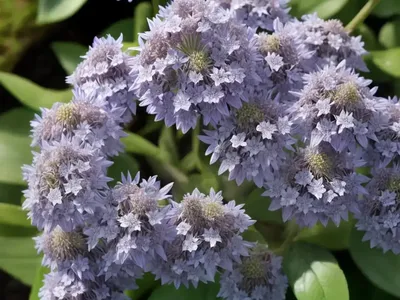
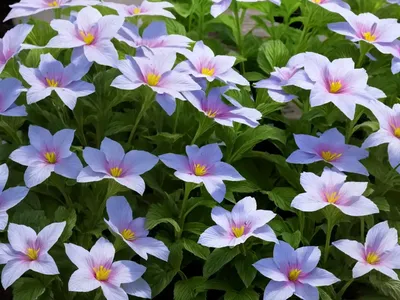
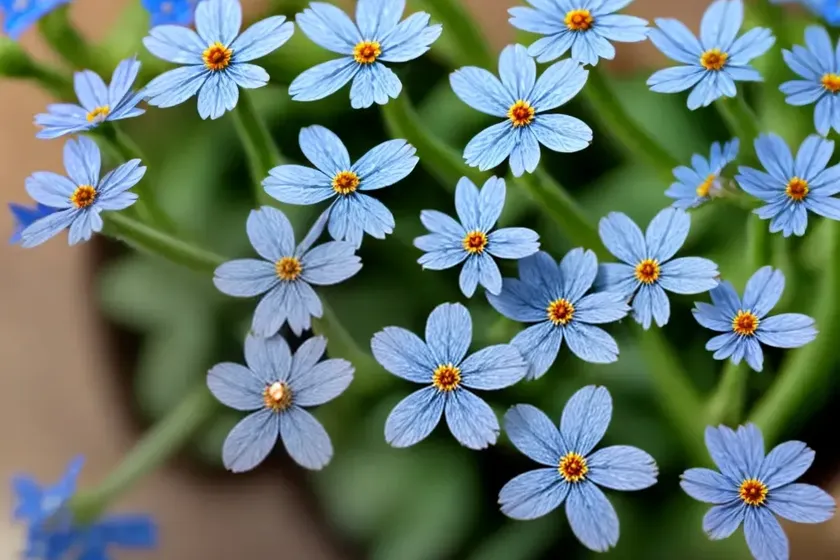
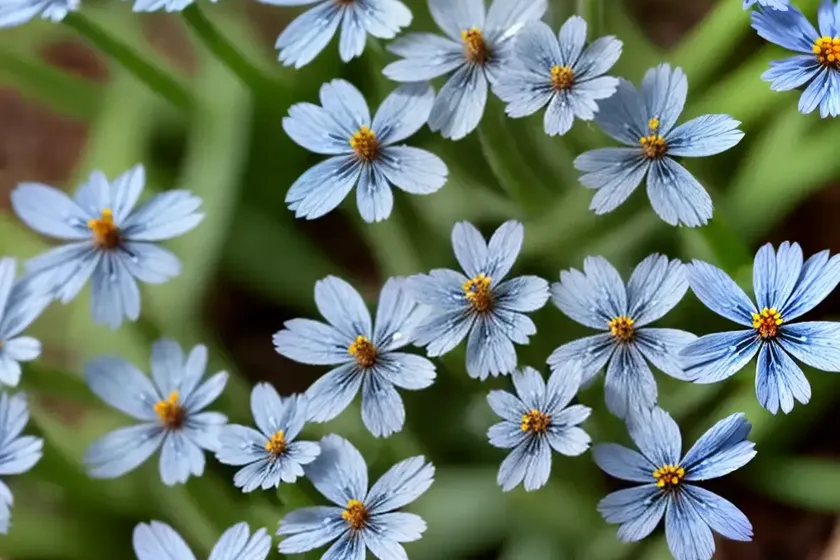
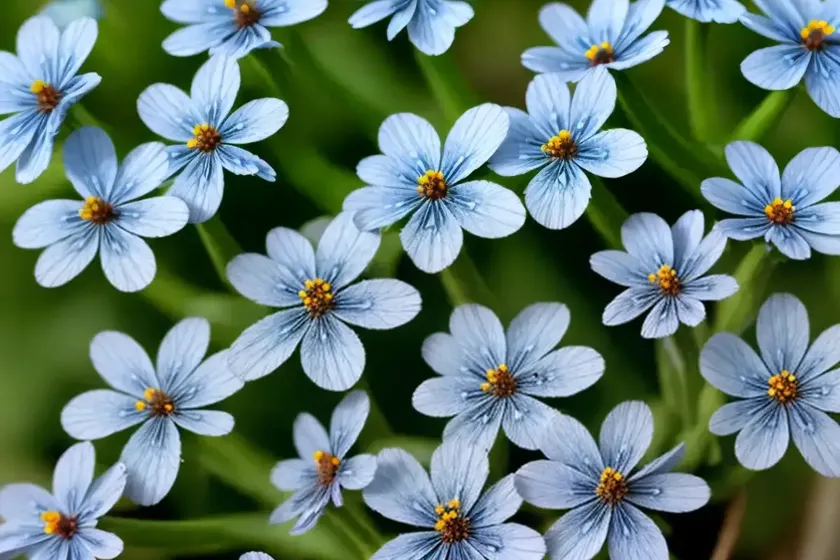
Myosotis scorpioides, commonly known as the true forget-me-not, is a perennial herbaceous plant belonging to the Boraginaceae family. It is native to Europe and can be found in damp, shady habitats such as marshes, riverbanks, and damp meadows. The plant is characterized by its clusters of small, delicate, sky-blue flowers with yellow centers, which bloom from spring to early summer. The true forget-me-not typically reaches a height of 20-40 cm and has a spread of 20-30 cm.
Key Takeaways – True forget-me-not (Myosotis scorpioides)
Let’s explore the key aspects of the true forget-me-not, from its culture and uses to its care requirements and propagation methods.
- Culture
- Uses
- Water
- Sunlight
- Fertilizer
- Soil
- Pruning
- Propagation
- Container Popularity
- Common Diseases
- Common Pests
- Botanist’s Tips
- Fun Facts
- Links to External Resources
Culture
Understanding the cultural requirements of Myosotis scorpioides is essential for successfully cultivating and caring for this enchanting plant.
Water
The true forget-me-not is a moisture-loving plant that thrives in consistently damp soil. While it is important to keep the soil moist, it is equally crucial to avoid waterlogging, which can lead to root rot. Regular watering, especially during dry spells, is necessary to ensure the plant’s vitality and blooming.
Sunlight
In terms of sunlight exposure, Myosotis scorpioides prefers partial shade to full shade. It is well-suited to woodland gardens, where dappled sunlight filters through the trees. In hotter climates, providing the plant with afternoon shade can help prevent stress and maintain its lush foliage and vibrant blooms.
Fertilizer
When it comes to fertilization, the true forget-me-not benefits from a balanced, liquid fertilizer applied during the growing season. A general-purpose, water-soluble fertilizer can be diluted and applied to the soil around the plant to provide the essential nutrients it needs to flourish.
Soil
The ideal soil for Myosotis scorpioides is rich, moist, and well-draining. A loamy, organic-rich soil with good water retention capabilities is particularly favorable for this plant. Additionally, the soil pH should be slightly acidic to neutral, ranging from 5.5 to 7.0.
Uses
Beyond its ornamental beauty, the true forget-me-not has a range of uses that make it a valuable addition to various settings, from gardens to floral arrangements.
- Garden Ornament: Myosotis scorpioides adds a touch of ethereal charm to garden borders, woodland gardens, and shady areas with its delicate blue flowers and lush foliage.
- Floral Arrangements: The petite blooms of the true forget-me-not are well-suited for cut flower arrangements, where they bring a soft, natural elegance to bouquets and displays.
- Medicinal Purposes: In traditional herbal medicine, Myosotis scorpioides has been used for its purported medicinal properties, which include soothing properties for skin conditions and respiratory support.
- Wildlife Attraction: The nectar-rich flowers of the true forget-me-not attract pollinators such as bees and butterflies, contributing to the biodiversity of garden ecosystems.
Pruning
Pruning plays a vital role in maintaining the health and appearance of Myosotis scorpioides. Here are some key pruning guidelines for this plant:
- Deadheading: Regular deadheading, which involves the removal of spent flowers, promotes continuous blooming and prevents the plant from setting seeds too early.
- Cutting Back: After the blooming period, the true forget-me-not can be cut back to promote new growth and rejuvenate the plant for the next flowering season.
Propagation
Myosotis scorpioides can be propagated through various methods, allowing gardeners to expand their collection of these enchanting plants.
- Seed Propagation: Collecting and sowing the small seeds of the true forget-me-not is a common method of propagation. Sowing seeds in early spring or fall can yield new plants in the following growing season.
- Dividing Clumps: Dividing mature clumps of Myosotis scorpioides can be done in early spring or after the blooming period. This method helps rejuvenate the plant and create new specimens for planting in different areas of the garden.
Container Popularity
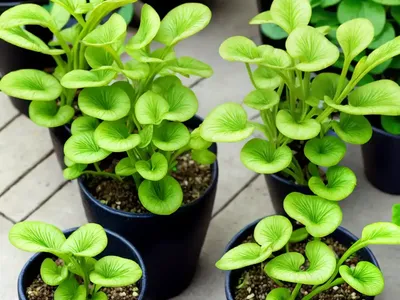
The true forget-me-not is also well-suited for container cultivation, adding a touch of elegance to patios, balconies, and other outdoor spaces. When growing Myosotis scorpioides in containers, it is important to select a suitable potting mix that provides adequate moisture retention and drainage. Regular watering and partial shade are key factors in the successful container cultivation of this plant.
Common Diseases
Despite its resilient nature, Myosotis scorpioides can be susceptible to certain diseases, including fungal infections and leaf spot. To prevent and manage these issues, it is essential to provide proper air circulation, avoid overhead watering, and promptly remove any affected plant material. Additionally, using disease-resistant cultivars and maintaining overall plant health can help mitigate the risk of diseases.
Common Pests
While the true forget-me-not is generally resistant to many pests, it may occasionally encounter challenges such as aphids, slugs, and snails. Implementing effective pest management strategies, such as handpicking or using natural repellents, can help protect Myosotis scorpioides from pest damage without resorting to harmful chemicals.
Botanist’s Tips
To ensure the successful cultivation of Myosotis scorpioides, consider implementing the following tips from experienced botanists and horticulturists:
- Mulching: Applying a layer of organic mulch around the base of the plant helps retain moisture, regulate soil temperature, and reduce weed competition.
- Companion Planting: Pairing the true forget-me-not with shade-loving companions such as ferns, hostas, and astilbes can create visually appealing and ecologically beneficial plant combinations.
- Regular Monitoring: Observing the plant for signs of stress, disease, or pest activity allows for early intervention and proactive care.
Fun Facts
- The name “forget-me-not” is associated with a poignant legend, adding a touch of symbolism to this charming plant. According to the legend, a medieval knight tragically fell into a river while picking flowers for his beloved. As he was swept away by the currents, he threw the blue flowers at her, calling out “forget-me-not” to ensure she would always remember him. This heartfelt tale has contributed to the endearing symbolism of the forget-me-not.
- Myosotis scorpioides is also known for its versatility as a cut flower, often gracing bouquets and floral designs with its delicate blooms and subtle charm.
Conclusion
The true forget-me-not (Myosotis scorpioides) is a captivating plant with a rich history, diverse uses, and enchanting beauty that enhances various settings, from gardens and wildflower meadows to floral arrangements. Understanding its cultural requirements, uses, and propagation methods empowers enthusiasts and horticulturists to cultivate and appreciate this delightful plant in all its glory. As we cherish the timeless allure of the true forget-me-not, let us also honor its significance in horticulture, folklore, and the natural world.
External Resources
Keywords: Myosotis scorpioides care, True forget-me-not plant, How to grow Myosotis scorpioides, Myosotis scorpioides cultivation, Growing true forget-me-nots, True forget-me-not plant characteristics, Myosotis scorpioides planting guide, True forget-me-not varieties, Tips for maintaining Myosotis scorpioides, Myosotis scorpioides propagation methods, True forget-me-not flower care, Myosotis scorpioides indoor growing, True forget-me-nots in the garden, Myosotis scorpioides watering needs, True forget-me-not color variations, Myosotis scorpioides companion plants, True forget-me-nots for landscaping, Myosotis scorpioides in containers, True forget-me-nots in flower arrangements, Myosotis scorpioides insect pests, True forget-me-not disease prevention, Myosotis scorpioides in different climates, True forget-me-nots as ground cover, Myosotis scorpioides for shady areas, True forget-me-nots as border plants, Myosotis scorpioides medicinal uses, True forget-me-nots and pollinators, Myosotis scorpioides native habitat, True forget-me-nots in wildflower gardens, Myosotis scorpioides as a cut flower, True forget-me-nots for attracting wildlife, Myosotis scorpioides seasonal care, True forget-me-nots in hanging baskets, Myosotis scorpioides foliage characteristics, True forget-me-nots and garden design, Myosotis scorpioides herbal remedies, True forget-me-nots and water features, Myosotis scorpioides for erosion control, True forget-me-nots and container gardening, Myosotis scorpioides drought tolerance, True forget-me-nots and rock gardens, Myosotis scorpioides in pond environments, True forget-me-nots and landscape maintenance, Myosotis scorpioides as a border edging, True forget-me-nots for attracting butterflies, Myosotis scorpioides blooming period, True forget-me-nots and garden color schemes, Myosotis scorpioides seed saving techniques, True forget-me-nots and companion planting, Myosotis scorpioides winter care