Plant Scientist Insights: Trident Maple (Acer buergerianum)
As a plant scientist specializing in botany and horticulture, I have always been mesmerized by the intricate world of plants. Today, let’s embark on a fascinating journey into the realm of the trident maple (Acer buergerianum). This exceptional species holds great cultural significance, striking beauty, and a deep-rooted history. We will explore every aspect of its care, from its cultural significance to its propagation, diseases, and pests. Join me as we unravel the secrets and best practices for nurturing and cultivating the splendid trident maple.
What is Plant: Trident Maple (Acer buergerianum)?
The trident maple, scientifically known as Acer buergerianum, is a deciduous tree native to eastern China. This magnificent tree belongs to the Sapindaceae family and is renowned for its ornamental foliage, distinct three-lobed leaves, and vibrant autumn colors. In its natural habitat, it thrives in the moist, well-drained soils of the plains and hills. With an average height of 20-30 feet, the trident maple’s elegant form and moderate growth rate make it a sought-after choice for landscaping and bonsai cultivation.
Key Takeaways – Trident Maple (Acer buergerianum)
Before delving into the details of caring for the trident maple, let’s outline key takeaways about this remarkable plant.
- Scientific Name: Acer buergerianum
- Cultural Significance: Valued for its ornamental beauty and use in landscaping.
- Foliage: Distinct three-lobed leaves with vibrant autumn colors.
- Growth Rate: Moderate
- Height: Typically reaches 20-30 feet.
- Uses: Ideal for landscaping, bonsai cultivation, and urban environments.
- Special Characteristics: Resilient, adaptable, and visually appealing.
Now that we have a basic understanding of the trident maple, let’s explore the essential aspects of its care, including its cultural significance, utilization, and the precise requirements for cultivating this captivating plant.
Culture
Understanding the cultural aspects of the trident maple is crucial for successful cultivation. Let’s explore its cultural significance, usage, and the elements pertinent to its growth environment.
Uses
The trident maple holds immense value in various aspects, ranging from horticulture to its aesthetic appeal. Here are some key uses of the trident maple:
- Ornamental Plant: With its vibrant foliage and graceful form, the trident maple is widely cultivated for ornamental purposes, enhancing the beauty of gardens, parks, and landscapes.
- Bonsai Cultivation: Its moderate growth rate, fine branching, and small leaves make it a prized subject for bonsai enthusiasts, allowing for the creation of captivating miniature landscapes.
- Urban Landscaping: Due to its adaptability and compact size, the trident maple is often used in urban environments, adding a touch of nature to cityscapes, streetscapes, and public spaces.
Water
Adequate and consistent watering is vital for the health and vigor of the trident maple. Understanding its specific water requirements is essential for maintaining optimal growth and foliage development. Here are the key considerations regarding watering:
Watering Requirements
- Established Trees: Once established, the trident maple demonstrates good drought tolerance; however, consistent watering during dry periods is beneficial, especially during the summer months.
- Young Trees: Newly planted trident maples require regular watering to aid in root establishment. The soil should be kept evenly moist but not waterlogged to prevent waterlogged conditions.
- Soil Moisture: Regularly monitor the soil moisture, aiming for a balance that prevents the soil from drying out completely or becoming waterlogged.
Sunlight
Proper exposure to sunlight is essential for the trident maple’s overall health and foliage development. Understanding its sunlight requirements is crucial for selecting the ideal planting location and ensuring optimal growth.
Sunlight Needs
- Full Sun to Partial Shade: The trident maple thrives in full sun to partial shade, typically requiring at least 6 hours of direct sunlight daily for the best growth and foliage coloration.
- Morning Sun: In regions with hot summers, providing morning sun and filtered afternoon shade can prevent leaf scorch while promoting healthy growth.
Fertilizer
Fertilization plays a pivotal role in ensuring the healthy growth and vigor of the trident maple. Understanding the right fertilization approach is crucial for providing the necessary nutrients without causing harm to the plant.
Fertilization Guidelines
- Balanced Fertilizer: Apply a balanced, slow-release fertilizer in early spring to provide essential nutrients for the growing season.
- Avoid Excessive Nitrogen: Refrain from excessive nitrogen fertilization, which can lead to excessive leaf growth at the expense of overall tree health and vigor.
- Organic Options: Organic fertilizers can be beneficial for promoting long-term soil health and sustainability, providing a gradual release of nutrients to the trident maple.
Soil
The soil composition and quality play a significant role in the overall health and growth of the trident maple. Understanding the ideal soil characteristics is crucial for creating a suitable environment for this remarkable plant.
Best Soil for Trident Maple
- Well-Drained Loamy Soil: The trident maple thrives in well-drained loamy soil with a slightly acidic to neutral pH. A soil mix enriched with organic matter can further promote optimal growth.
- Avoid Waterlogged Conditions: Prevent waterlogged conditions, as excessive moisture retention can lead to root rot and other detrimental soil-borne diseases.
- Soil Amendments: Incorporating organic matter such as compost or well-rotted manure can enhance soil structure and fertility, benefiting the overall health of the trident maple.
Pruning
Pruning is an essential aspect of trident maple care, contributing to its overall form, health, and aesthetic appeal. Understanding the best practices for pruning is crucial for maintaining the desired shape and structure of the tree.
Pruning Tips for Trident Maple
- Pruning Frequency: Regular pruning, typically performed during the dormant season, helps maintain an elegant form and encourages the development of fine branching.
- Remove Dead or Diseased Branches: Prune any dead, damaged, or diseased branches to promote overall tree health and prevent the spread of diseases.
- Thinning Out: Thinning out dense areas of growth and crossing branches can improve air circulation and light penetration, reducing the risk of fungal diseases.
Propagation
The propagation of trident maple allows for the expansion of its presence in horticulture and provides enthusiasts with the opportunity to nurture new, vibrant specimens. Understanding the various propagation methods is valuable for conserving and proliferating this remarkable plant.
Propagation Methods
- Seed Propagation: Propagating trident maple from seeds offers the opportunity to preserve specific traits and characteristics. However, it requires patience and can result in some natural variation.
- Cutting Propagation: Utilizing semi-hardwood or hardwood cuttings offers a more reliable method for preserving the characteristics of a specific trident maple cultivar, allowing for the production of genetically identical clones.
- Air Layering: Air layering provides an effective method for propagating selected branches, promoting root formation in a controlled environment before separating the new plant from the parent.
Container Popularity
The trident maple’s suitability for container cultivation adds to its appeal, allowing enthusiasts to enjoy its beauty on patios, balconies, and small gardens. Exploring its container popularity provides insight into its adaptability and horticultural versatility.
Container Cultivation
- Bonsai Development: The trident maple is prized for its suitability for bonsai cultivation, with its fine branching and small leaves allowing for the creation of captivating miniature landscapes.
- Urban Gardening: Its compact size and adaptability make it a popular choice for urban gardening, bringing a touch of nature to limited spaces and complementing modern cityscapes.
- Patio and Balcony Decor: Cultivating trident maples in containers allows individuals to enjoy their ornamental beauty on patios, balconies, and other confined spaces, adding a touch of natural elegance to urban living areas.
Container Common Diseases
While container cultivation offers numerous benefits, it’s essential to be aware of the potential diseases that can affect trident maples in this setting. Understanding these diseases and their management is crucial for ensuring the health and longevity of container-grown specimens.
Disease Diagnosis
- Root Rot: Excessive moisture retention in containers can lead to root rot, characterized by wilting, yellowing foliage, and a general decline in the plant’s health. Ensure proper drainage and avoid overwatering to prevent root rot.
- Fungal Diseases: Containers can create an environment conducive to fungal diseases such as powdery mildew and leaf spot. Maintain optimal air circulation and consider fungicidal treatments as necessary.
Common Pests
Pest management is a critical aspect of caring for trident maples, especially in urban environments where container cultivation and landscaping can increase vulnerability to pest infestations. Understanding common pests and their control measures is essential for preserving the health and beauty of these remarkable trees.
Common Pests
- Aphids: These small, sap-sucking insects can infest trident maples, causing leaf curling, distortion, and the secretion of honeydew. Consider natural predators, such as ladybugs, or insecticidal treatments to control aphid populations.
- Spider Mites: In hot and dry conditions, spider mites can pose a threat to trident maples, causing stippled, discolored foliage. Regularly check for mite activity and consider horticultural oils or insecticidal soaps for control.
Botanist’s Tips
As a plant scientist with a deep appreciation for the natural world, I have gathered valuable insights into the care and cultivation of the trident maple. Here are some botanist’s tips for ensuring the health and vitality of this extraordinary plant.
Botanist’s Tips
- Observation and Pruning: Regular observation of the trident maple’s growth and structure allows for timely pruning, promoting an elegant form and preventing overcrowding.
- Consistent Moisture: Maintaining consistent soil moisture levels, especially during the growing season and periods of drought, is vital for the trident maple’s wellbeing.
- Integrated Pest Management: Consider adopting an integrated pest management approach, combining natural predators, cultural practices, and targeted treatments to manage pests effectively.
- Soil Health: Fostering soil health through organic matter additions, mulching, and microbial activity can contribute to the overall vitality of the trident maple.
Fun Facts
Fascinating Trivia About the Trident Maple
- Bonsai Heritage: The trident maple has a rich heritage in bonsai art, with its small leaves, fine branching, and graceful form making it a cherished subject for bonsai enthusiasts.
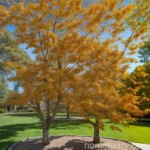
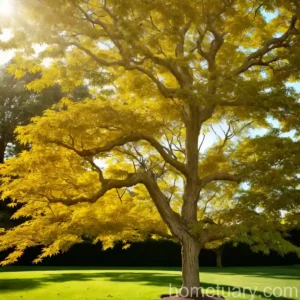
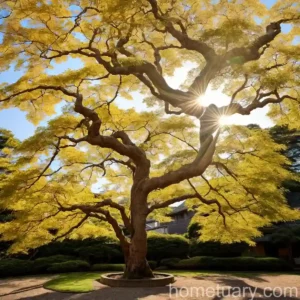
- Autumn Splendor: During the fall season, the trident maple displays a remarkable array of colors, ranging from vibrant yellows and oranges to brilliant reds, captivating observers with its autumn splendor.
- Historical Significance: In its native China, the trident maple has historical and cultural significance, often found in temples and as a symbol of longevity and endurance.
Links to External Resources
For further exploration and in-depth guidance on trident maple care, here are some valuable external resources:
- The American Bonsai Society: An excellent resource for bonsai enthusiasts, offering insights into trident maple cultivation and styling techniques.
- The Royal Horticultural Society: A trusted source for comprehensive plant care guides, including detailed information on growing and caring for the trident maple.
- The University of Florida IFAS Extension: As a renowned horticultural extension, it provides practical resources and advice on pest management, diseases, and general care for ornamental trees such as the trident maple.
Plant Name: “trident maple (Acer buergerianum)”
Conclusion
The trident maple, Acer buergerianum, stands as a testament to nature’s artistry, blending ornamental beauty with cultural significance. As we have delved into its care, cultural uses, water and sunlight needs, fertilizer requirements, soil preferences, pruning, propagation, container popularity, common diseases, pests, and botanist’s tips, we gain a deeper understanding of this remarkable plant. With this knowledge and appreciation, we can foster the health, vitality, and enduring beauty of the trident maple, enriching our surroundings and perpetuating its legacy for generations to come.
As a plant scientist, I encourage everyone to embrace the wonders of nature and continue to explore the intricate world of plants, discovering new marvels and enriching our lives through the art of cultivation and care.
Remember, the beauty of the trident maple lies not only in its exquisite form and foliage but also in the enduring connection it fosters between people and nature.
Keywords: Trident maple care, Acer buergerianum planting guide, How to grow trident maple, Best soil for trident maple, Trident maple watering requirements, Sunlight needs for Acer buergerianum, Pruning tips for trident maple, Acer buergerianum disease resistance, Trident maple pests and control, Growing trident maple in pots, Acer buergerianum varieties, Fall color of trident maple, Trident maple bonsai techniques, Acer buergerianum leaf shape, Trimming trident maple branches, Ideal climate for trident maple, Acer buergerianum landscape uses, Propagating trident maple from cuttings, Trunk development in trident maple, Acer buergerianum root system, Winter care for trident maple, Fertilizing schedule for trident maple, Disease-resistant trident maple cultivars, Trident maple leaf color variations, Pruning young trident maple trees, Acer buergerianum growth rate, Overwintering trident maple indoors, Common issues with trident maple, Companion plants for Acer buergerianum, Creating a trident maple forest, Benefits of planting trident maple, Acer buergerianum leaf drop, Trimming trident maple roots, Trident maple in urban environments, Acer buergerianum drought tolerance, Pest-resistant trident maple varieties, Maintaining healthy trident maple leaves, Watering schedule for Acer buergerianum, Training trident maple for shape, Topiary techniques for trident maple, Acer buergerianum fall leaf color, Pest control for trident maple trees, Cold hardiness of trident maple, Choosing the right pot for Acer buergerianum, Pruning mature trident maple trees, Soil acidity for trident maple, Acer buergerianum winter dormancy, Trimming techniques for trident maple, Benefits of trident maple in landscaping, Identifying trident maple leaf diseases.
Word count: 1976