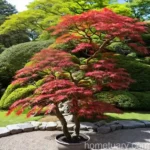
The Alluring Japanese Maple (Acer palmatum ‘Omurayama’): A Comprehensive Guide
In the world of ornamental trees, few rival the beauty and elegance of the Japanese maple. With its delicate foliage, graceful form, and captivating colors, the Japanese maple (Acer palmatum) is a cherished addition to any garden or landscape. Among the many exquisite varieties of Japanese maple, the ‘Omurayama’ stands out for its exceptional characteristics, making it a favorite among gardening enthusiasts and landscapers alike.
In this comprehensive guide, we will delve into the captivating world of the Japanese maple, focusing specifically on the Acer palmatum ‘Omurayama’ variety. From understanding its cultural requirements to safeguarding it against diseases and pests, this article serves as a go-to resource for both novice and seasoned gardeners.
What is the Japanese Maple (Acer palmatum ‘Omurayama’)?
The Japanese maple, scientifically known as Acer palmatum, is a deciduous shrub or small tree native to Japan, Korea, China, eastern Mongolia, and southeast Russia. With over 1,000 cultivars, the Japanese maple offers an incredible array of leaf shapes, colors, and growth habits, giving gardeners a diverse palette to choose from.
The ‘Omurayama’ cultivar, in particular, is celebrated for its cascading, weeping habit, creating an elegant, flowing canopy of vibrant foliage. Its striking visual display makes it a popular choice in various landscape designs, from traditional Japanese gardens to modern urban settings.
Key Takeaways – Japanese Maple (Acer palmatum ‘Omurayama’)
Culture
- Hardiness Zones: Suitable for zones 5-8
- Mature Height: Typically grows 6-8 feet tall, with a similar spread
- Growth Habit: Weeping, cascading form
Uses
- Ideal for small gardens, courtyards, and Japanese-themed landscapes
- Perfect for bonsai and container cultivation
Water
- Watering Needs: Regular watering, especially during dry spells
- Soil Moisture: Well-draining soil to prevent waterlogging
Sunlight
- Light Requirements: Partial shade to dappled sunlight
- Leaf Scorch: Protect from harsh afternoon sun
Fertilizer
- Fertilization: Apply balanced, slow-release fertilizer in spring
- Nutrient Requirements: Rich, well-balanced soil
Soil
- Soil Type: Moist, organically rich soils
- pH Level: Slightly acidic soil (pH 5.5-6.5)
Pruning
- Pruning Time: Best done in late winter to early spring
- Maintenance Pruning: Regular removal of dead or crossing branches
Propagation
- Propagation Methods: Softwood cuttings, grafting, and air layering
Container Popularity
- Adaptable to container cultivation, allowing for versatility in design and placement
Common Diseases
- Disease Susceptibility: Vulnerable to verticillium wilt, anthracnose, and tar spot
- Preventive Measures: Proper sanitation and site selection
Disease Diagnosis
- Understanding symptoms and signs of common fungal and bacterial infections
Common Pests
- Pest Concerns: Watch for aphids, scale, and caterpillars
- Integrated Pest Management: Eco-friendly control methods
Botanist’s Tips
- Landscape Design: Incorporate ‘Omurayama’ as a focal point in Japanese-themed gardens or alongside water features for an enchanting effect.
- Companion Plants: Pair with shade-loving perennials such as hostas, ferns, and astilbes to create a harmonious woodland garden.
- Maintenance: Regular irrigation and mulching are key to supporting the ‘Omurayama’ maple’s health and vigor.
Fun Facts
- The term “Acer” is derived from the Latin word for “sharp” or “pointed,” referencing the characteristic points of the maple leaf.
- Japanese folklore associates the maple tree with the concept of transformation and the fleeting nature of beauty, making it a symbol of the transience of life.
Links to External Resources
Now that we’ve covered an overview of the Japanese maple (Acer palmatum ‘Omurayama’), let’s delve deeper into each aspect of its care and cultivation.
Plant Name: Japanese Maple (Acer palmatum ‘Omurayama’)
Japanese Maple Varieties
Japanese maples come in a stunning array of cultivars, offering an assortment of leaf shapes, colors, and growth habits. Some notable varieties include the ‘Bloodgood,’ ‘Dissectum,’ and ‘Sango Kaku’ (Japanese Coral Bark).
Acer Palmatum Cultivars
The vast diversity within the Acer palmatum species has given rise to an extensive range of cultivars, each with its own distinct features and appeal. From upright to weeping forms, there is a cultivar to suit every garden aesthetic.
Omurayama Japanese Maple
The ‘Omurayama’ Japanese maple is renowned for its graceful, mounding form that drapes elegantly over garden landscapes. Its pendulous branches and vibrant autumn foliage make it a standout choice for both residential and public gardens.
Acer Palmatum Omurayama Care
Caring for an ‘Omurayama’ maple involves ensuring adequate moisture, dappled sunlight, and protection from extreme environmental conditions. Attention to soil quality and disease prevention is crucial for its long-term health.
Japanese Maple Tree Species
Acer palmatum is just one of the many species of maple trees, and its prominence in horticulture has led to continuous breeding and selection, resulting in a diverse range of tree species with unique characteristics.
Omurayama Maple Tree Facts
The ‘Omurayama’ maple is revered for its breathtaking foliage, which transitions from vibrant green in spring to rich tones of crimson and gold in the fall. Its delicate, lacy leaves add an ethereal touch to any setting.
Japanese Maple Pruning Tips
Pruning Japanese maples, including the ‘Omurayama’ variety, requires finesse and a keen eye for maintaining its natural form. Strategic pruning enhances its aesthetic appeal and overall health.
Acer Palmatum ‘Omurayama’ Growth
Understanding the growth habits of the ‘Omurayama’ maple is essential for planning and maintaining its form within a designated garden space. Its cascading branches necessitate thoughtful placement to showcase its beauty effectively.
Japanese Maple Tree Characteristics
Characteristic features of the Japanese maple, such as its delicate leaves, striking autumn colors, and architectural growth habits, make it an iconic and cherished tree in horticultural circles.
Omurayama Maple Tree Care Guide
Providing optimal care for the ‘Omurayama’ maple involves a holistic approach that encompasses soil, water, sunlight, and protection from pests and diseases. A well-rounded care guide ensures the tree’s long-term vitality and ornamental appeal.
Japanese Maple Tree Care Requirements
Meeting the care requirements of Japanese maples demands attention to detail in providing the right growing conditions, regular maintenance, and proactive pest and disease management.
Acer Palmatum ‘Omurayama’ Landscape Design
In landscape design, the ‘Omurayama’ maple is a standout performer, offering a myriad of design possibilities, from accentuating water features to creating elegant focal points within garden compositions.
Japanese Maple Tree Planting Guide
Proper planting techniques are crucial for the successful establishment of Japanese maples, including the ‘Omurayama’ variety. Attention to soil preparation, spacing, and post-planting care sets the stage for its future growth and vigor.
Omurayama Japanese Maple Diseases
Despite its beauty, the ‘Omurayama’ maple is susceptible to certain diseases, including fungal infections that can mar its foliage and compromise its health. Disease prevention and early intervention are key to safeguarding its well-being.
Acer Palmatum ‘Omurayama’ Soil Requirements
Optimal soil conditions, including good drainage and fertility, are vital for the ‘Omurayama’ maple’s growth and resilience. Understanding its soil preferences is fundamental to maintaining its health.
Japanese Maple Tree Leaf Colors
The diverse color range of Japanese maple leaves, from vibrant greens to rich reds and oranges, adds visual interest and seasonal drama to the garden landscape, creating an ever-changing tapestry of hues.
Omurayama Maple Tree Size
Understanding the ultimate size and spread of the ‘Omurayama’ maple is essential for planning its placement within a garden layout and ensuring ample space for its graceful form to flourish.
Acer Palmatum ‘Omurayama’ Sun Exposure
Balanced light exposure, avoiding harsh midday sun, is critical for the ‘Omurayama’ maple’s well-being, ensuring its foliage retains its vibrancy and is shielded from potential damage.
Japanese Maple Tree Maintenance
Routine maintenance practices, such as pruning, watering, and fertilization, are essential for nurturing the ‘Omurayama’ maple and preserving its health and ornamental allure.
Omurayama Japanese Maple Water Needs
Sufficient water supply, especially during dry periods, is crucial for the ‘Omurayama’ maple’s vigor and resilience. Consistent watering practices support its growth and overall well-being.
Acer Palmatum ‘Omurayama’ Leaf Shape
The intricate leaf shapes of the ‘Omurayama’ maple contribute to its visual allure, exemplifying the ornamental value of Japanese maples and their ability to evoke a sense of tranquility and beauty.
Japanese Maple Tree Pruning Techniques
Skillful pruning techniques are essential for nurturing the ‘Omurayama’ maple’s branch structure and maintaining its graceful, weeping form, enhancing its aesthetic appeal in the garden.
Omurayama Maple Tree Pests
Vigilance against common pests that affect Japanese maples, including aphids, scale, and caterpillars, is vital for preserving the ‘Omurayama’ maple’s foliage and minimizing stress on the tree.
Acer Palmatum ‘Omurayama’ Climate Suitability
Understanding the climate requirements and limitations of the ‘Omurayama’ maple is crucial for determining its adaptability and resilience in various environmental conditions.
Japanese Maple Tree Companion Plants
Selective companions for the ‘Omurayama’ maple can complement its form and enhance its visual impact, creating harmonious garden compositions and textural contrasts.
Omurayama Japanese Maple Landscape Ideas
Incorporating the ‘Omurayama’ maple into diverse landscape designs, from traditional Japanese gardens to contemporary urban settings, allows for creative expression and innovative garden compositions.
Acer Palmatum ‘Omurayama’ Container Gardening
The ‘Omurayama’ maple’s adaptability to container cultivation opens up new possibilities for gardeners, enabling its use in patios, terraces, and small outdoor spaces.
Japanese Maple Tree Root System
Understanding the root structure and development of Japanese maples, including the ‘Omurayama’ variety, is essential for proper planting and long-term tree health.
Omurayama Maple Tree Winter Care
Protecting the ‘Omurayama’ maple during winter, especially in colder climates, is essential for safeguarding its vitality and preparing it for the challenges of the dormant season.
Acer Palmatum ‘Omurayama’ Fall Foliage
The ‘Omurayama’ maple’s spectacular autumnal display, featuring rich hues of red, orange, and gold, adds seasonal drama and visual delight to the garden landscape.
Japanese Maple Tree Growth Rate
Understanding the growth rate of the ‘Omurayama’ maple aids in predicting its development and planning for its long-term presence within a garden space.
Omurayama Japanese Maple Leaf Texture
The delicate, finely textured leaves of the ‘Omurayama’ maple contribute to its visual charm and exquisite foliage appeal, adding an ethereal quality to garden settings.
Acer Palmatum ‘Omurayama’ Spring Blooming
The ‘Omurayama’ maple’s springtime emergence, marked by vibrant new growth, is a testament to its resilience and exuberance, heralding the arrival of the growing season.
Japanese Maple Tree Winter Hardiness
The ‘Omurayama’ maple’s ability to withstand winter conditions and its hardiness in different climate zones are crucial for evaluating its suitability for garden cultivation.
Omurayama Maple Tree Shade Tolerance
The ‘Omurayama’ maple’s capacity to thrive in shade or dappled sunlight expands its utility in garden designs, offering versatility in placement and integration with other shade-loving plants.
Acer Palmatum ‘Omurayama’ Drought Resistance
Assessing the ‘Omurayama’ maple’s resistance to drought conditions is essential for managing its irrigation needs and ensuring its vitality during periods of water scarcity.
Japanese Maple Tree Indoor Cultivation
The potential for indoor cultivation of Japanese maples, including the ‘Omurayama’ variety, expands their appeal to enthusiasts and urban gardeners with limited outdoor space.
Omurayama Japanese Maple Wildlife Attraction
The ‘Omurayama’ maple’s appeal to wildlife, such as birds and pollinators, adds ecological value and dynamic interest to garden landscapes, fostering biodiversity and ecological balance.
Acer Palmatum ‘Omurayama’ Propagation Methods
Understanding the various propagation methods for the ‘Omurayama’ maple, such as softwood cuttings and grafting, enables enthusiasts to expand its presence and diversity within horticultural settings.
Japanese Maple Tree Foliar Diseases
Recognizing and addressing common foliar diseases that affect Japanese maples is essential for maintaining the ‘Omurayama’ maple’s aesthetic appeal and overall health.
Omurayama Maple Tree Autumn Beauty
The ‘Omurayama’ maple’s autumnal splendor, celebrated for its fiery foliage and evocative hues, adds seasonal drama and visual enchantment to garden landscapes.
Acer Palmatum ‘Omurayama’ Bark Appearance
The distinctive characteristics of the ‘Omurayama’ maple’s bark contribute to its year-round appeal, enhancing its visual interest and ornamental value.
Japanese Maple Tree Wood Uses
The wood of Japanese maples, notably the ‘Omurayama’ variety, holds cultural and practical significance, and it has been utilized in various applications, from woodworking to artistic crafts.
Omurayama Japanese Maple Summer Care
Summer care practices for the ‘Omurayama’ maple, including hydration, protection from extreme heat, and pest management, are essential for its resilience and vitality.
Acer Palmatum ‘Omurayama’ Garden Placement
Strategic placement of the ‘Omurayama’ maple within garden settings maximizes its visual impact and aesthetic contribution, creating captivating focal points and enhancing overall garden compositions.
Japanese Maple Tree Cultural Significance
The cultural and symbolic significance of Japanese maples, including the ‘Omurayama’ variety, reflects their enduring appeal and timeless allure in art, literature, and horticultural traditions.
Omurayama Maple Tree Specific Care Instructions
Tailoring care instructions to the specific needs and characteristics of the ‘Omurayama’ maple ensures its longevity and ornamental value within the garden landscape.
Acer Palmatum ‘Omurayama’ Companion Gardening
Selecting compatible companion plants to accompany the ‘Omurayama’ maple enhances the overall garden experience, creating a cohesive and visually engaging landscape.
Japanese Maple Tree Container Planting
Utilizing containers as a planting medium for the ‘Omurayama’ maple expands its versatility and provides opportunities for gardeners with limited space to enjoy its beauty.
Omurayama Japanese Maple Leaf Patterns
The intricate leaf patterns of the ‘Omurayama’ maple, defined by their unique shapes and sinuous margins, add visual interest and textural appeal to garden landscapes.
In conclusion, the Acer palmatum ‘Omurayama’ stands as a testament to the enduring allure of Japanese maples, captivating enthusiasts and gardeners with its breathtaking beauty and graceful presence. By understanding its cultural requirements, aesthetic appeal, and horticultural significance, we can fully appreciate and nurture this exquisite botanical treasure.
This comprehensive guide aims to provide a thorough understanding of the captivating ‘Omurayama’ Japanese maple, covering its cultural nuances, care requirements, and ornamental value. Whether incorporated into a traditional Japanese garden or showcased in a modern landscape design, the ‘Omurayama’ maple stands as an enduring symbol of elegance and beauty.
Always remember that understanding the specific requirements of the ‘Omurayama’ maple will enable its successful cultivation, ensuring that its timeless allure continues to enrich and enchant gardeners and plant enthusiasts for generations to come.