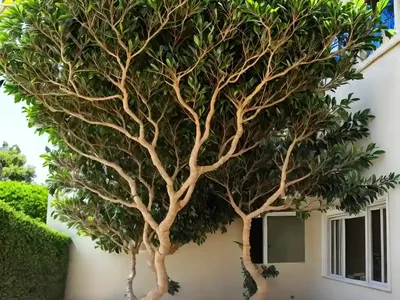
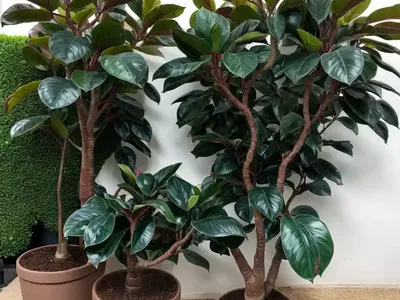
Triangle Fig (Ficus Triangularis)
The Triangle Fig, scientifically known as Ficus Triangularis, is an elegant and distinctive ornamental plant acclaimed for its triangular-shaped, lush.



What is a Triangle Fig (Ficus Triangularis)?
The Triangle Fig, scientifically known as Ficus Triangularis, is an elegant and distinctive ornamental plant acclaimed for its triangular-shaped, lush green leaves and its versatile uses in indoor and outdoor settings. Belonging to the Moraceae family, this tropical plant originates from the forests of Southeast Asia and is renowned for its air-purifying properties, making it an ideal addition to any home or office space.
In this comprehensive guide, we will explore the various aspects of Triangle Fig care, cultivation, and maintenance, providing valuable insights and practical tips for the plant enthusiasts.
Key Takeaways – Triangle Fig (Ficus Triangularis)
Before we delve into the detailed care guide for the Triangle Fig (Ficus Triangularis), here are the key takeaways that will be covered in this article:
- Plant Name: Triangle Fig (Ficus Triangularis)
- Culture: Understanding the natural habitat and growth habits of the Triangle Fig.
- Uses: Exploring the versatile uses of the Triangle Fig in indoor and outdoor settings.
- Water: Guidelines for watering the Triangle Fig to maintain optimal moisture levels.
- Sunlight: Determining the light requirements for the healthy growth of the Triangle Fig.
- Fertilizer: Selecting the appropriate fertilizer and feeding schedule for the Triangle Fig.
- Soil: Understanding the ideal potting soil and soil pH requirements for this plant.
- Pruning: Techniques for proper pruning to maintain the shape and health of the Triangle Fig.
- Propagation: Exploring different propagation methods to multiply your Triangle Fig collection.
- Container: Selecting the right container and pot size for the Triangle Fig.
- Popularity: Reasons behind the increasing popularity of the Triangle Fig in the domain of houseplants.
- Common Diseases: Identifying and addressing common diseases affecting the Triangle Fig.
- Common Pests: Understanding the potential pests that can infest the Triangle Fig and effective pest management strategies.
- Botanist’s Tips: Expert tips and recommendations from botanists for the successful care of the Triangle Fig.
- Fun Facts: Delightful and intriguing facts about the Triangle Fig to enhance your appreciation for this fascinating plant.
With these key areas in mind, let’s embark on an enlightening journey through the world of the Triangle Fig (Ficus Triangularis) and uncover the secrets to nurturing this captivating plant.
Culture
Understanding the natural culture and habitat of the Triangle Fig is crucial for providing the optimal environment for its growth and well-being. Here are the key aspects of the plant’s culture:
-
Natural Habitat: The Triangle Fig (Ficus Triangularis) primarily thrives in the tropical forests of Southeast Asia, where it enjoys humid and warm conditions.
-
Growth Habits: In its native habitat, the Triangle Fig often grows as an epiphyte, attaching itself to trees and absorbing nutrients from the air and water. This characteristic makes it well-suited for life in a terrarium or a similar setting.
-
Temperature Tolerance: The Triangle Fig prefers a stable and warm environment, with temperatures ranging between 65°F to 85°F (18°C to 29°C). It is sensitive to cold drafts and temperature fluctuations, so maintaining a consistent temperature is essential.
-
Humidity Needs: Being a tropical plant, the Triangle Fig thrives in high humidity. Providing adequate moisture in the air, especially during the dry winter months, is essential for its health and vitality.
-
Air Purification: One of the remarkable attributes of the Triangle Fig is its ability to purify the air by removing toxins such as formaldehyde, benzene, and trichloroethylene. This makes it an excellent choice for indoor spaces, contributing to a healthier living environment.
Uses
The Triangle Fig (Ficus Triangularis) is prized for its versatile uses in both interior and exterior landscapes, adding an element of elegance and natural beauty. Here are some of the common uses of the Triangle Fig:
-
Indoor Decor: With its attractive foliage and unique leaf shape, the Triangle Fig serves as a striking ornamental plant, enhancing the aesthetics of living rooms, offices, and other indoor spaces. Its ability to thrive in terrariums and enclosed environments makes it an ideal choice for interior décor.
-
Outdoor Ornament: In suitable climates, the Triangle Fig can be cultivated in outdoor gardens, patios, and balconies, adding a touch of verdant charm to these spaces. It can be grown in containers or planted directly in the ground, creating an enchanting landscape feature.
-
Air-Purifying Plant: The air-purifying properties of the Triangle Fig make it a valuable addition to any indoor environment. By filtering out harmful chemicals from the air, it contributes to improving air quality and promoting a healthier atmosphere.
-
Focal Point: Due to its distinct foliage and graceful growth habits, the Triangle Fig can be used as a focal point in both indoor and outdoor settings, drawing attention and creating a captivating visual appeal.
-
Office Spaces: Owing to its adaptability to indoor conditions and low maintenance requirements, the Triangle Fig is a popular choice for office spaces and commercial interiors, adding a touch of nature and tranquility to the work environment.
Water
Proper watering is essential for the health and vitality of the Triangle Fig. Although it appreciates consistent moisture, overwatering can lead to root rot, while underwatering can cause the leaves to wilt and drop. Here are guidelines for watering the Triangle Fig:
-
Watering Frequency: During the growing season (spring and summer), water the Triangle Fig thoroughly when the top inch of the soil feels dry to the touch. Allow excess water to drain from the pot to prevent waterlogging.
-
Winter Watering: In the winter months, reduce the frequency of watering but ensure that the plant does not dry out completely. Adjust the watering schedule based on the plant’s specific requirements and environmental conditions.
-
Avoid Waterlogging: Ensure that the pot has proper drainage to prevent waterlogging, which can lead to root rot and other moisture-related issues. Use a well-draining potting mix to facilitate good drainage.
-
Humidity and Mist: Increasing humidity levels around the plant by misting the leaves can be beneficial, especially during dry periods. This mimics the plant’s natural habitat and helps in maintaining optimal moisture levels.
Sunlight
Understanding the light requirements of the Triangle Fig is essential for promoting healthy growth and vibrant foliage. While it thrives in bright, indirect light, excessive sun exposure can lead to leaf scorch and damage. Here are the light requirements for the Triangle Fig:
-
Indirect Light: Place the Triangle Fig in a location with bright, indirect light, such as near a north or east-facing window. Direct sunlight, especially during the intense afternoon hours, should be avoided to prevent leaf burn.
-
Low Light Adaptability: The Triangle Fig shows good adaptability to lower light conditions, making it suitable for interior spaces with limited natural light. While it can tolerate low light, providing bright, indirect light is ideal for optimal growth.
-
Light Intensity: Monitoring the intensity of light exposure is crucial, especially during summer months when the sun’s rays are stronger. Consider using sheer curtains or light-filtering blinds to provide gentle, diffused light for the plant.
-
Winter Light Requirements: During the winter months, ensure that the Triangle Fig continues to receive adequate light, as the reduced daylight hours can impact its growth. Consider supplementing with artificial grow lights if natural light is limited.
Fertilizer
Proper fertilization is essential for maintaining the growth and vigor of the Triangle Fig, providing essential nutrients for robust foliage and overall health. Here are guidelines for fertilizing the Triangle Fig:
-
Fertilizer Type: Use a balanced, water-soluble fertilizer designed for indoor plants, diluted to half or quarter strength, to prevent over-fertilization. Select a fertilizer with a balanced NPK ratio, such as 10-10-10 or 20-20-20, suitable for foliage plants.
-
Fertilizing Frequency: During the active growing season (spring and summer), feed the Triangle Fig every 4 to 6 weeks. Reduce the frequency to every 6 to 8 weeks during the fall and winter when the plant’s growth slows down.
-
Guidelines for Application: Apply the diluted fertilizer to moist soil, avoiding direct contact with the foliage to prevent potential leaf burn. Water the plant after fertilizing to ensure that the nutrients are absorbed effectively.
-
Observing Plant Response: Monitor the plant for any signs of nutrient deficiencies or excesses, such as yellowing leaves or stunted growth. Adjust the fertilization regimen based on the plant’s response and specific nutritional needs.
Soil
Selecting the right potting soil and understanding the soil pH requirements is crucial for providing a conducive growing medium for the Triangle Fig. Here are the soil requirements for the Triangle Fig:
-
Potting Mix: Use a well-draining, peat-based potting mix that retains moisture while allowing excess water to drain freely. Avoid heavy soils that retain water for extended periods, as they can lead to root rot and other moisture-related issues.
-
Soil pH: The ideal soil pH for the Triangle Fig ranges between 6.0 to 7.0, representing slightly acidic to neutral conditions. Testing the soil pH using a pH meter or testing kit can help in ensuring the optimal pH levels for the plant.
-
Amendments and Additives: Consider adding perlite or coarse sand to the potting mix to enhance drainage and aeration. Organic matter such as compost or well-rotted manure can also be beneficial for enriching the soil and providing essential nutrients.
-
Repotting: Repot the Triangle Fig every 2 to 3 years, or when the plant outgrows its current container. Choose a slightly larger pot to accommodate the growing root system, and refresh the potting soil during the repotting process.
Pruning
Proper pruning is essential for shaping the Triangle Fig, promoting bushier growth, and maintaining its overall health and appearance. Here are the pruning techniques for the Triangle Fig:
-
Removing Dead or Yellowing Leaves: Regularly remove any dead, yellowing, or diseased leaves to maintain the plant’s aesthetic appeal and prevent the spread of pests or diseases.
-
Size and Shape Control: Prune the Triangle Fig to control its size and shape, especially if it tends to outgrow its designated space. Use clean, sharp pruning shears to make precise cuts without causing damage to the plant.
-
Encouraging Branching: To encourage bushier growth, consider pinching back the growing tips of the plant, which can stimulate the development of new branches and foliage.
-
Pruning Frequency: Prune the Triangle Fig as needed, especially during the growing season, to manage its growth and ensure an attractive form. Avoid over-pruning, as it can stress the plant and affect its overall health.
Propagation
Multiplying your Triangle Fig collection through propagation is a rewarding and cost-effective way to expand your plant inventory. Here are some common propagation methods for the Triangle Fig:
-
Stem Cuttings: Propagating the Triangle Fig from stem cuttings is a popular and reliable method. Take 5 to 6-inch cuttings from healthy, non-flowering stems, and root them in a moist, well-draining potting mix.
-
Water Propagation: Place the stem cuttings in a container of water, ensuring that at least a few leaf nodes are submerged. Change the water regularly and wait for roots to develop before transplanting the cuttings into soil.
-
Rooting Hormone: Using a rooting hormone when preparing the stem cuttings can enhance the success rate of propagation, promoting the development of healthy roots for the new plants.
-
Division: If the Triangle Fig becomes leggy or overgrown, consider dividing the plant and repotting the sections to create new plants. This rejuvenation process can revitalize the plant and introduce new additions to your collection.
-
Propagation Success: Maintain consistent moisture and provide indirect light for the newly propagated cuttings to ensure successful root development and establishment. Monitor the humidity levels to create an optimal environment for propagation.
Container
Selecting the right container and pot size for the Triangle Fig is essential for providing adequate space for root development and promoting healthy growth. Here are guidelines for container selection:
-
Container Material: Choose a container made of porous materials such as terracotta or ceramic, which allows the soil to breathe and facilitates good airflow to the roots. Avoid non-porous containers that can trap excess moisture.
-
Drainage Holes: Ensure that the container has drainage holes at the bottom to allow excess water to escape, preventing waterlogging and root suffocation.
-
Pot Size: Select a pot that provides ample room for the root system to grow. Typically, choose a pot that is 1 to 2 inches larger in diameter than the current pot, allowing the plant to continue thriving without becoming root-bound.
-
Repotting: Monitor the plant for any signs of being root-bound, such as roots emerging from the drainage holes or pushing against the inner pot walls, and transfer it to a larger container when necessary.
Popularity
The Triangle Fig (Ficus Triangularis) has gained increasing popularity in recent years, becoming a sought-after choice for plant enthusiasts and interior decorators. Here are some reasons behind its growing appeal:
-
Aesthetic Appeal: The distinct triangular-shaped leaves of the Triangle Fig, along with its elegant growth habits, make it visually captivating, adding a touch of sophistication to any space.
-
Low Maintenance: Being relatively low-maintenance and adaptable to indoor conditions, the Triangle Fig appeals to individuals seeking an ornamental plant that does not require extensive care and attention.
-
Air-Purifying Properties: The recognition of the Triangle Fig as an effective air-purifying plant has contributed to its popularity, especially among those keen on creating healthier indoor environments.
-
Apt for Interior Spaces: Its ability to thrive in terrariums, enclosed environments, and low-light conditions makes the Triangle Fig an ideal choice for interior spaces with limited natural light.
-
Versatile Uses: Whether used as a standalone ornamental plant, a focal point in indoor décor, or a lush addition to terrarium displays, the versatile uses of the Triangle Fig make it a favorite among plant enthusiasts and designers.
Common Diseases
Identifying and addressing common diseases that affect the Triangle Fig is crucial for maintaining its health and preventing the spread of infections. Here are some common diseases and guidelines for diagnosis and treatment:
-
Leaf Spot: Characterized by the appearance of dark spots or lesions on the leaves, leaf spot is often caused by fungal infections. Ensure good air circulation around the plant, avoid overhead watering, and treat with a suitable fungicide to control the spread of the disease.
-
Powdery Mildew: A common fungal disease that manifests as a white, powdery growth on the leaves, powdery mildew can be controlled by improving air circulation, reducing humidity, and using fungicidal treatments as needed.
-
Root Rot: Excessive moisture and poor drainage can lead to root rot, causing the plant’s roots to decay and the foliage to wilt. Adjust the watering regimen, ensure proper drainage, and consider repotting in fresh soil to address root rot issues.
-
Spider Mites: These tiny pests can infest the Triangle Fig, causing stippling on the leaves and webbing on the plant. Use insecticidal soaps or neem oil to control spider mites and prevent their proliferation.
-
Bacterial Leaf Spot: Circular, water-soaked lesions on the leaves indicate the presence of bacterial leaf spot. Remove affected leaves, avoid overhead watering, and use copper-based fungicides to manage this bacterial disease.
Common Pests
In addition to diseases, the Triangle Fig may also be susceptible to pest infestations that can affect its health and vitality. Here are some common pests that can affect the Triangle Fig and effective pest management strategies:
-
Aphids: These small, soft-bodied insects can cluster on the undersides of leaves and feed on the plant’s sap. Use a strong blast of water or insecticidal soap to dislodge and control aphid populations.
-
Scale Insects: Scale insects appear as small, protruding bumps on the stems and leaves, often accompanied by sticky honeydew secretions. Use horticultural oils or insecticidal sprays to manage scale infestations effectively.
-
Mealybugs: Mealybugs are recognizable by their cottony, white appearance and their tendency to congregate on leaf axils and undersides. Remove mealybugs manually, or use insecticidal soaps to control their presence.
-
Fungus Gnats: These small, mosquito-like insects thrive in moist soil and can become a nuisance in indoor environments. Allow the soil to dry out between waterings to discourage fungus gnat infestations.
-
Thrips: Thrips are slender, winged insects that can cause stippling and distortion of the leaves. Use insecticidal sprays or predators such as predatory mites to manage thrips infestations effectively.
Botanist’s Tips
Drawing insights and recommendations from experienced botanists can offer valuable guidance for the successful care and cultivation of the Triangle Fig. Here are some expert tips for nurturing this striking plant:
-
Optimal Growing Conditions: Providing a consistent environment with adequate light, humidity, and moisture is crucial for the robust growth of the Triangle Fig. Mimicking its natural habitat to the best extent possible can promote its overall health and vigor.
-
Pruning Considerations: When pruning the Triangle Fig, focus on maintaining its natural form and shape, while also addressing any growth irregularities or overcrowded areas. Regular maintenance pruning can prevent the need for more drastic interventions in the future.
-
Understanding Specific Needs: Each Triangle Fig may have unique requirements based on its individual environment and conditions. Observing the plant closely and responding to its specific needs can contribute to a successful and thriving specimen.
-
Humidity Maintenance: Pay attention to the humidity levels surrounding the Triangle Fig, particularly in indoor environments with dry air. Using a humidifier or employing other humidity-boosting methods can provide an optimal atmosphere for the plant’s growth.
-
Pest and Disease Vigilance: Regularly inspect the Triangle Fig for signs of pests and diseases, intervening promptly if any issues are detected. Preventative measures and proactive care can limit the impact of damaging infestations and infections.
Fun Facts
Discovering intriguing and delightful facts about the Triangle Fig can deepen your appreciation for this captivating plant. Here are some fun facts about the Triangle Fig (Ficus Triangularis):
-
Leaf Shape: The leaves of the Triangle Fig are distinctively triangular, hence the plant’s common name. This unique leaf shape sets it apart from many other Ficus species and makes it an intriguing addition to any plant collection.
-
Air-Purifying Qualities: The Triangle Fig is not only a stunning ornamental plant but also a powerful air-purifier, effectively removing harmful toxins such as formaldehyde and benzene from indoor environments.
-
Botanical Ties: The Triangle Fig belongs to the Ficus genus, which includes over 800 species of trees, shrubs, and vines. This diverse genus encompasses a wide range of ornamental and culturally significant plants.
-
Terrarium Darling: Due to its natural epiphytic growth habits, the Triangle Fig is well-suited for terrarium environments, where it can thrive in the moist, enclosed conditions typical of these miniature ecosystems.
-
Aesthetic Value: The Triangle Fig is prized for