Tree Philodendron (Philodendron Bipinnatifidum)
Plants are an essential part of our environment, playing a crucial role in purifying the air and adding beauty to our surroundings. Among the myriad of.
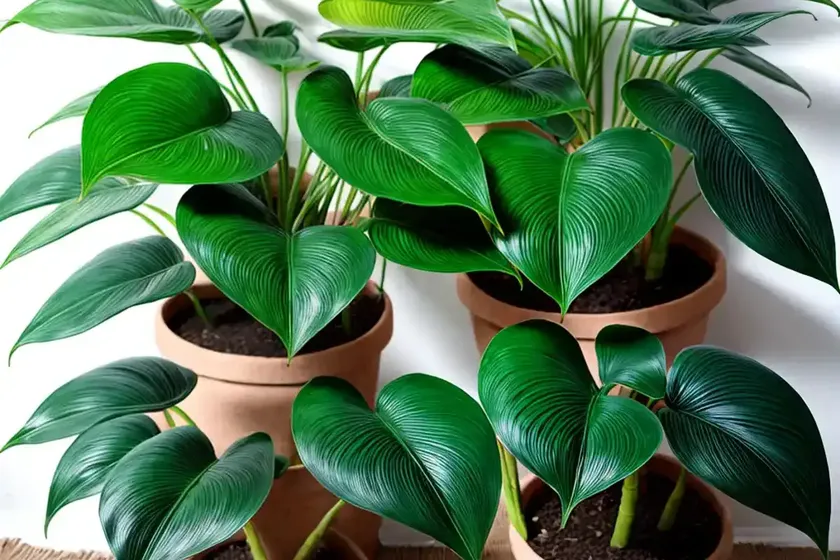
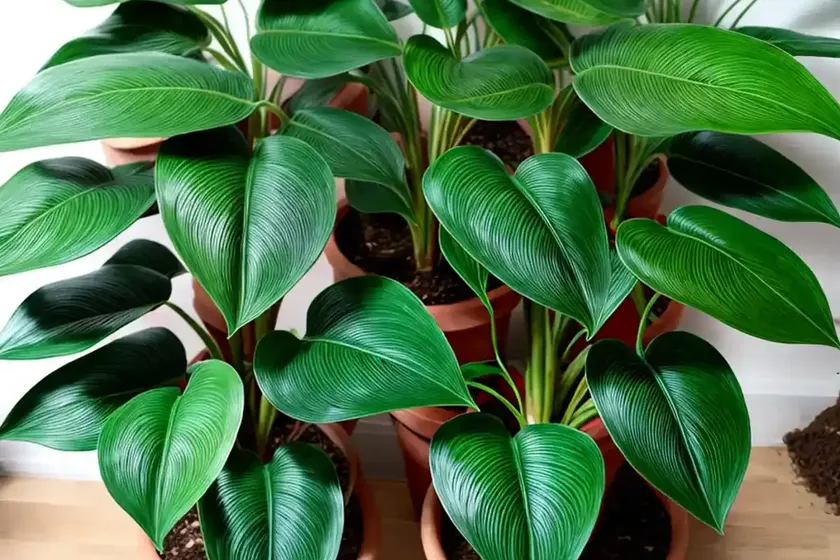
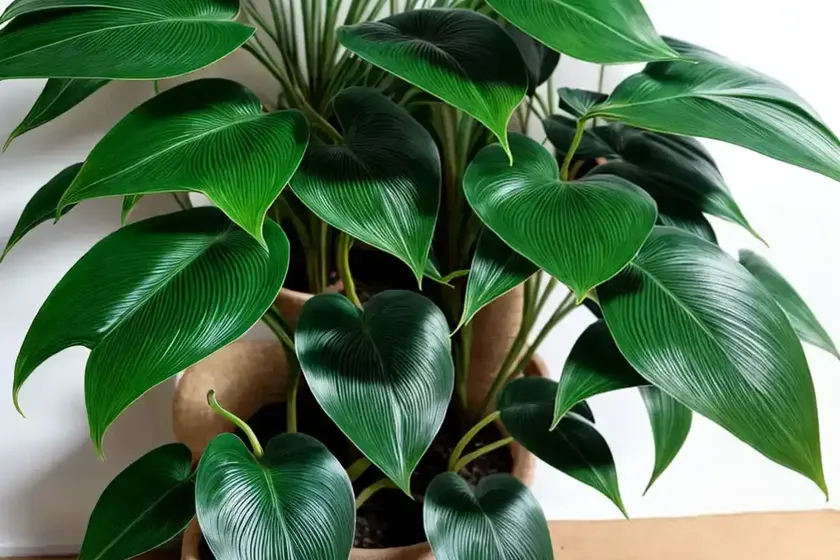
Plants are an essential part of our environment, playing a crucial role in purifying the air and adding beauty to our surroundings. Among the myriad of plant species, the tree philodendron (Philodendron bipinnatifidum) stands out as a popular choice for both indoor and outdoor cultivation. In this comprehensive guide, we will delve into the various aspects of caring for this stunning tropical plant, covering everything from its cultural requirements and uses to addressing potential issues such as diseases and pests.
What is Tree Philodendron (Philodendron bipinnatifidum)?
Plant Profile
- Scientific Name: Philodendron bipinnatifidum
- Common Names: Tree philodendron, cut-leaf philodendron, selloum
- Family: Araceae
- Origin: South America (Brazil, Paraguay, Argentina, and Bolivia)
- Growth Habit: Evergreen perennial
Key Features
- Foliage: Large, deeply lobed leaves with a glossy texture and a vibrant shade of green.
- Growth: Can reach impressive heights, with mature specimens often growing up to 15 feet (4.6 meters) tall, making it a striking addition to any space.
- Adaptability: Thrives in both indoor and outdoor settings, and its impressive size makes it a standout feature in any landscape or interior design.
Key Takeaways – Tree Philodendron (Philodendron bipinnatifidum)
Before diving into the detailed care guide for the tree philodendron, let’s outline the key takeaways that will be covered in this comprehensive article. Whether you’re a seasoned plant enthusiast or a beginner looking to incorporate this tropical beauty into your plant collection, this guide will equip you with the essential knowledge to nurture and appreciate the distinct characteristics of the Philodendron bipinnatifidum.
Cultural Requirements
- Understanding the plant’s origin and natural habitat
- Creating an environment that mimics its native conditions
Uses
- Exploring the diverse uses of tree philodendron in landscaping and interior design
- Harnessing its air-purifying properties
Water
- Determining the optimal watering schedule and technique to maintain the plant’s health
Sunlight
- Identifying the light requirements for promoting robust growth and vibrant foliage
Fertilizer
- Choosing the right fertilization approach to support the plant’s nutritional needs
Soil
- Selecting a suitable soil mix to ensure proper drainage and nutrient availability
Pruning
- Implementing strategic pruning methods to manage the plant’s size and appearance
Propagation
- Exploring the various propagation methods for expanding your philodendron collection
Container Popularity
- Understanding why philodendrons are a favored choice for container gardening
Common Diseases
- Recognizing potential diseases and implementing preventive measures
Common Pests
- Identifying common pests and taking effective pest management measures
Botanist’s Tips
- Offering expert insights and tips based on scientific knowledge and practical experience
Fun Facts
- Unveiling intriguing facts and trivia about the tree philodendron to enhance your appreciation for this species
Links to External Resources
- Providing access to credible sources for further exploration of tree philodendron care and cultivation
Now that we have a clear roadmap of the topics to be covered, let’s embark on an in-depth exploration of the fascinating world of tree philodendron care and maintenance.
Culture
Understanding the cultural requirements of the tree philodendron is essential for creating an environment that allows the plant to thrive. As a native of the lush tropical regions of South America, the Philodendron bipinnatifidum is accustomed to warm, humid conditions with dappled sunlight and fertile, well-draining soil.
Planting Location
-
Outdoor Cultivation: When grown outdoors, the tree philodendron flourishes in partial shade or filtered sunlight. Select a site with indirect light and protection from harsh midday sun to prevent leaf scorching. It is well-suited for USDA hardiness zones 9-11, where it can withstand mild temperatures and humidity.
-
Indoor Cultivation: As an indoor plant, the tree philodendron thrives in bright, indirect light. Position it near a window with ample natural light, ensuring that it is shielded from direct sun exposure, which can lead to leaf discoloration and burn.
Temperature and Humidity
-
Temperature: The ideal temperature range for the tree philodendron is between 65°F to 80°F (18°C to 27°C). It is important to avoid exposing the plant to temperatures below 50°F (10°C), as it is sensitive to cold and frost.
-
Humidity: Given its tropical origins, the tree philodendron appreciates high humidity levels. Indoor environments with dry air can impact the plant’s health, leading to browning of leaf tips and edges. To boost humidity, consider using a humidifier or placing the plant on a pebble tray filled with water.
Potting and Repotting
- When potting or repotting the tree philodendron, use a well-draining potting mix rich in organic matter. It should provide ample aeration for the roots while retaining moisture. Repotting is typically necessary when the plant outgrows its container, usually every 2-3 years.
Watering
-
Watering Frequency: The tree philodendron prefers consistently moist soil, but it’s crucial to avoid waterlogging. Water the plant when the top inch of the soil feels dry to the touch, ensuring that excess water drains freely from the pot.
-
Seasonal Variations: Adjust the watering frequency based on seasonal changes. During the active growing season in spring and summer, the plant may require more frequent watering, while in the dormant period of fall and winter, reduce watering to prevent waterlogged soil.
Fertilization
-
Fertilizer Type: Use a balanced, water-soluble fertilizer with a formulation such as 10-10-10 or 20-20-20 during the growing season from spring to early fall. Dilute the fertilizer to half-strength to avoid overfeeding, which can lead to salt buildup in the soil.
-
Application Frequency: Administer fertilizer every 4-6 weeks during the growing season. Refrain from fertilizing during the plant’s dormant phase in late fall and winter.
Water
-
Watering Frequency: Keep the soil consistently moist but not waterlogged. Water when the top inch of the soil feels dry to the touch, and ensure that excess water can drain freely from the bottom of the pot.
-
Water Quality: Use lukewarm, purified water if possible to avoid subjecting the plant to temperature or chemical shocks commonly found in tap water.
Sunlight
-
Light Requirements: Position the tree philodendron in bright, indirect light to promote healthy growth and vibrant foliage. Direct sunlight can scorch the leaves, while insufficient light can lead to leggy, weak growth.
-
Light Duration: Aim for 6-8 hours of filtered sunlight per day, either by placing the plant near a window or using artificial grow lights for indoor cultivation.
Fertilizer
-
Fertilizer Type: Use a balanced, water-soluble fertilizer with a formulation such as 10-10-10 or 20-20-20 to provide the essential nutrients required for robust growth and lush foliage.
-
Application Frequency: During the active growing season, feed the tree philodendron with diluted fertilizer every 4-6 weeks to prevent nutrient deficiencies.
Soil
-
Soil Mix: Opt for a well-draining potting mix rich in organic matter, such as peat moss, perlite, and pine bark. This type of soil combination provides the necessary aeration and moisture retention for the plant’s root system.
-
pH Level: Aim for a slightly acidic to neutral soil pH in the range of 5.5 to 7.0 to facilitate optimal nutrient uptake and root health.
Pruning
-
Pruning Goals: Regular pruning helps manage the tree philodendron’s size and shape, promoting a compact, bushy growth habit. It also facilitates the removal of dead or damaged foliage to maintain the plant’s overall health and appearance.
-
Pruning Technique: Use clean, sharp pruning shears to make precise cuts, removing unwanted stems or leaves at their base. Cleaning the pruning tools with rubbing alcohol before and after use helps prevent the spread of diseases.
Propagation
-
Propagation Methods: Explore the propagation of the tree philodendron through stem cuttings, air layering, or division. Each method offers unique advantages and can be selected based on individual preferences and the plant’s condition.
-
Stem Cuttings: Propagate the plant by taking stem cuttings from healthy, established specimens and rooting them in a moist, well-draining medium.
-
Air Layering: Encourage the development of roots on a part of the parent plant while it is still attached, leading to the formation of a new individual.
-
Division: Divide mature plants into smaller sections with well-developed root systems to create new, independent plants.
Container Popularity
-
Container Selection: Tree philodendrons are well-suited for container cultivation, making them a popular choice for indoor and outdoor gardening. Choose a spacious, sturdy container with drainage holes to accommodate the plant’s robust root system.
-
Benefits of Container Gardening: Container cultivation offers the flexibility to move the plant to optimal light conditions and provides a practical solution for indoor environments or limited outdoor space.
Common Diseases
-
Leaf Spot Disease: Characterized by the development of dark, water-soaked spots on the foliage, often caused by fungal pathogens. Preventative measures include providing adequate air circulation and avoiding overhead watering.
-
Root Rot: Excessive moisture and poorly drained soil can lead to root rot, causing the plant’s roots to decay. Implement proper watering practices and ensure the use of well-draining soil to mitigate this issue.
Disease Diagnosis
-
Symptom Identification: When observing signs of disease or distress in the tree philodendron, such as wilting, yellowing leaves, or abnormal spots, conduct a thorough assessment to pinpoint the underlying cause.
-
Root Examination: Check the plant’s roots for signs of rot, which may manifest as dark, slimy roots with a foul odor. Healthy roots are firm and whitish in appearance.
Common Pests
-
Spider Mites: These tiny arachnids feed on the plant’s sap, leading to yellowing of leaves and the formation of fine webbing. Mitigate infestations through regular misting to increase humidity and targeted insecticidal treatments.
-
Mealybugs: Identify these cottony, white insects on the plant’s stems or leaf joints and address the infestation by physically removing them or using organic insecticidal soap.
Botanist’s Tips
As a plant scientist well-versed in the intricacies of tree philodendron care, I offer the following expert tips to enhance your understanding and elevate your cultivation practices:
-
Consistent Monitoring: Regularly monitor the plant’s growth, soil moisture, and overall health to promptly address any issues that may arise.
-
Supporting Vertical Growth: Utilize moss poles or trellises to support the tree philodendron’s natural climbing tendencies, promoting upright growth and the development of aerial roots.
-
Shielding from Drafts: Protect the plant from drafts and sudden temperature fluctuations, which can adversely impact its growth and resilience.
-
Nutrient Deficiency Awareness: Familiarize yourself with the symptoms of nutrient deficiencies, such as yellowing leaves or stunted growth, to provide timely fertilization and address underlying issues.
-
Promoting Biodiversity: Integrate the tree philodendron into diverse plant communities to foster a rich, dynamic ecosystem that benefits from the plant’s air-purifying and aesthetic attributes.
Fun Facts
Uncover the captivating world of the tree philodendron through these intriguing facts that shed light on its unique characteristics and contributions:
-
The scientific name “bipinnatifidum” references the plant’s deeply lobed foliage, which adds a distinctive texture and visual appeal to any setting.
-
Tree philodendrons are renowned for their capacity to remove harmful airborne toxins such as formaldehyde, xylene, and toluene, enhancing the air quality in indoor spaces.
-
In their natural habitat, tree philodendrons can produce impressive aerial roots, creating a captivating visual display and contributing to their climbing habits.
-
The foliage of the philodendron bipinnatifidum exhibits stunning variations in color and texture, with some specimens featuring rich, dark green leaves while others showcase lighter, lime-colored foliage.
-
Beyond their ornamental value, tree philodendrons have been traditionally utilized in indigenous cultures for their medicinal properties and as a source of natural dyes.
Links to External Resources
For further exploration of the care and cultivation of the tree philodendron, I recommend consulting the following authoritative resources and references:
-
American Society for the Prevention of Cruelty to Animals (ASPCA) – Toxic and Non-Toxic Plant List
-
University of Florida IFAS Extension – Philodendron bipinnatifidum: Tree Philodendron
-
Missouri Botanical Garden – Philodendron bipinnatifidum
-
University of Connecticut Plant Database – Philodendron bipinnatifidum – Selloum
-
The University of Georgia Cooperative Extension – Houseplants – Philodendron
In conclusion, the tree philodendron (Philodendron bipinnatifidum) stands as a captivating addition to any plant collection, boasting not only its visually striking foliage but also its air-purifying qualities and remarkable adaptability. With a sound understanding of its cultural requirements, pest and disease management, and propagation methods, you can confidently nurture and appreciate this tropical gem. By incorporating the insights and tips shared in this comprehensive care guide, you are well-equipped to embark on a rewarding journey of cultivating and celebrating the unique allure of the tree philodendron.
Remember, patience and attentiveness are key attributes when caring for this tropical beauty, and the rewards of fostering its growth and witnessing its flourishing presence in your environment are truly gratifying.
As you embark on your journey with the tree philodendron, may your cultivation endeavors be infused with a spirit of discovery, respect for nature’s wonders, and an enduring appreciation for the inherent beauty found in the world of plants.
Happy planting!