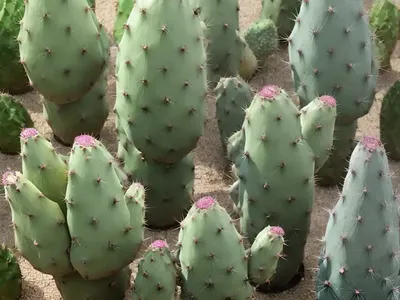
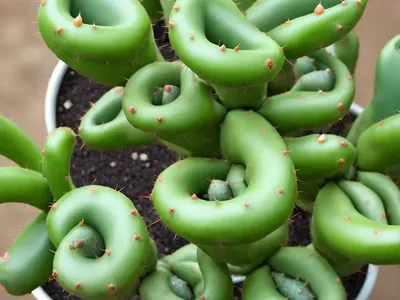
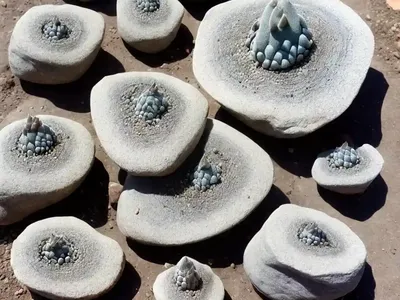
Tree Cactus (Pilosocereus)
In the world of plants, there are countless species that captivate the attention of enthusiasts and experts alike. The Tree Cactus, scientifically known as.
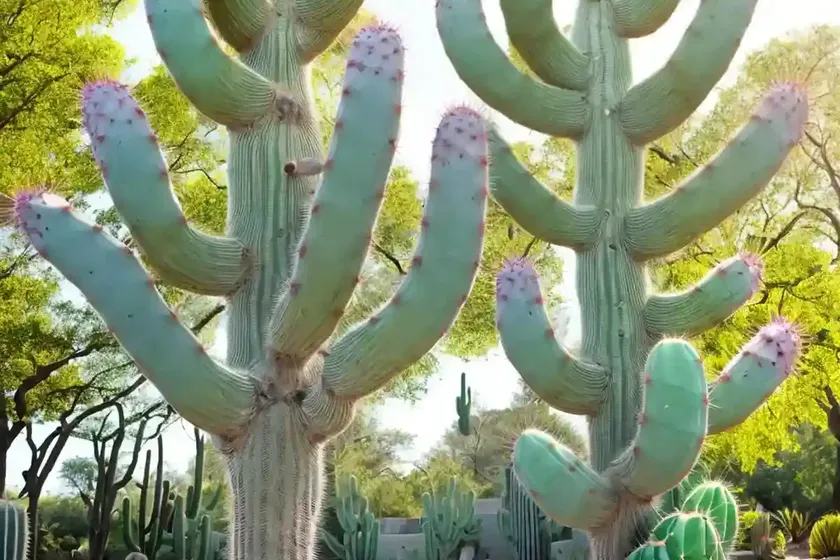
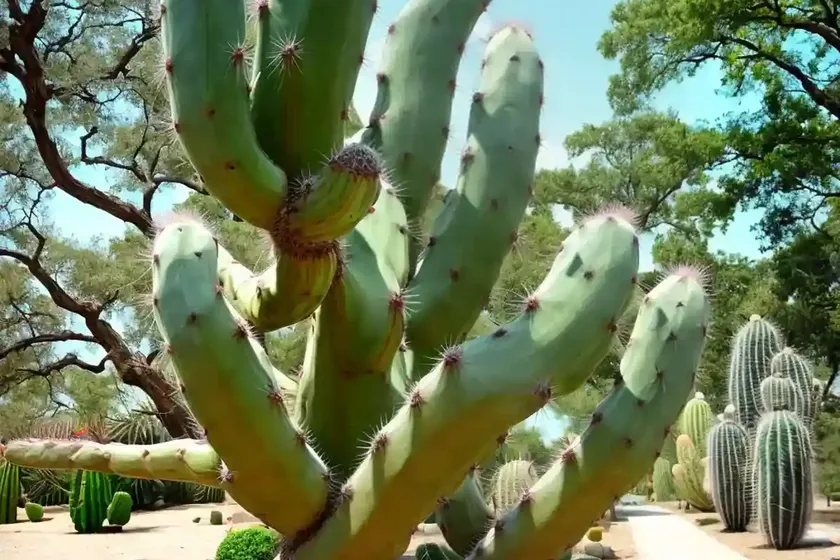
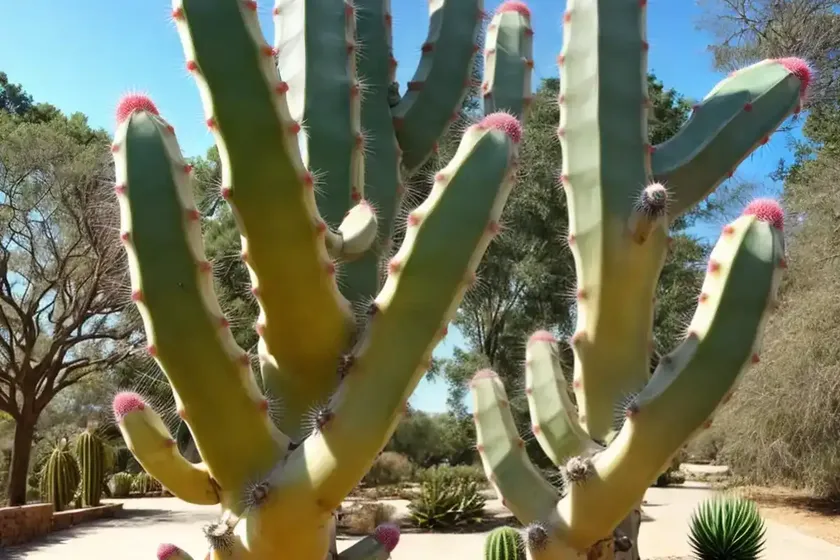
In the world of plants, there are countless species that captivate the attention of enthusiasts and experts alike. The Tree Cactus, scientifically known as Pilosocereus, is a remarkable plant that belongs to the Cactaceae family. Known for its distinct appearance and resilience, the Tree Cactus has earned a special place in horticulture due to its unique characteristics and adaptability.
In this comprehensive guide, we will delve into the world of Pilosocereus and explore its intriguing features, as well as discuss essential care considerations, cultivation techniques, common diseases, and much more. Whether you are a seasoned plant enthusiast or a beginner looking to learn more about this captivating species, this article aims to provide valuable insights into the world of Tree Cactus and equip you with the knowledge to cultivate and appreciate this exceptional plant.
What is Plant: Tree Cactus (Pilosocereus)
The Tree Cactus, scientifically classified as Pilosocereus, is a genus of cacti comprising numerous species native to the Americas. These tall, columnar cacti are known for their upright growth habit and striking appearance, making them a popular choice for landscaping, indoor cultivation, and container gardening. With its distinctive ribbed stems, awe-inspiring flowers, and minimal water requirements, Pilosocereus has garnered attention from plant enthusiasts and horticulturists across the globe.
One of the standout features of Pilosocereus is its ability to thrive in arid and semi-arid environments, showcasing remarkable resilience in the face of challenging conditions. With their ornamental value, low maintenance needs, and unique growth habits, Tree Cacti have become sought-after additions to botanical collections and landscapes. As we explore the various aspects of Pilosocereus care and characteristics, it becomes evident why this plant stands out among its botanical counterparts.
Key Takeaways – Tree Cactus (Pilosocereus)
Before we embark on our journey to understand and appreciate the Tree Cactus, it is essential to outline the key takeaways that we will explore in detail throughout this guide. Below is an overview of the topics we will cover to gain a comprehensive understanding of Pilosocereus:
- Tree Cactus care
- Pilosocereus plant
- Tree Cactus species
- Tree Cactus varieties
- Pilosocereus growth tips
- Tree Cactus pruning
- Pilosocereus propagation
- Tree Cactus watering
- Pilosocereus light requirements
- Tree Cactus soil requirements
- Pilosocereus fertilization
- Tree Cactus temperature tolerance
- Pilosocereus pests and diseases
- Tree Cactus potting
- Pilosocereus indoor gardening
- Tree Cactus outdoor landscaping
- Pilosocereus gardening tips
- Tree Cactus container gardening
- Pilosocereus plant health
- Tree Cactus aesthetic value
- Pilosocereus resilience
- Tree Cactus habitat
- Pilosocereus natural environment
- Tree Cactus adaptation
- Pilosocereus drought tolerance
- Tree Cactus root structure
- Pilosocereus root development
- Tree Cactus leaf characteristics
- Pilosocereus flower blooming
- Tree Cactus fruit production
- Pilosocereus mature size
- Tree Cactus landscape design
- Pilosocereus container arrangements
- Tree Cactus unique features
- Pilosocereus ornamental value
- Tree Cactus pruning techniques
- Pilosocereus outdoor maintenance
- Tree Cactus indoor care
- Pilosocereus sun exposure
- Tree Cactus water frequency
- Pilosocereus organic fertilizers
- Tree Cactus pot selection
- Pilosocereus repotting guide
- Tree Cactus seasonal changes
- Pilosocereus pest control
- Tree Cactus disease prevention
- Pilosocereus leaf discoloration
- Tree Cactus growth habits
- Pilosocereus propagation methods
- Tree Cactus winter protection
With these key takeaways in mind, let’s embark on our exploration of the remarkable Tree Cactus and uncover the intricacies of its care, cultivation, and unique attributes.
Tree Cactus (Pilosocereus): Characteristics and Botanical Insights
Before delving into the specific care requirements and cultivation techniques for Pilosocereus, it is crucial to gain a comprehensive understanding of the plant’s physical characteristics, natural habitat, and growth habits. By exploring the intricacies of the Tree Cactus, we can appreciate its unique adaptations and the factors that contribute to its remarkable resilience and ornamental appeal.
Physical Characteristics
Pilosocereus plants are characterized by their tall, columnar stems and ribbed or segmented appearance. The stems often feature prominent ribs with densely packed areoles, from which spines and flowers emerge. The plant’s overall structure is upright and cylindrical, with variations in height and width depending on the species and individual growth conditions. Some Pilosocereus species have a tree-like appearance, with branches forming near the apex of the stems, adding to their visual appeal and architectural interest.
The spines of Pilosocereus can vary in color, length, and density, contributing to the plant’s distinct aesthetic features. These spines not only serve as a means of defense against herbivores and excessive sunlight but also add to the plant’s overall ornamental value. In addition to their striking stems and spines, Pilosocereus species are known for their breathtaking flowers, which typically bloom along the upper portions of the stems. These flowers can range in color from white and pink to vibrant shades of red and purple, adding a stunning contrast to the plant’s predominantly green or bluish-green stems.
Natural Habitat and Adaptations
Pilosocereus plants are primarily native to regions of Central and South America, where they are found in diverse habitats ranging from dry savannas and semi-desert regions to rocky slopes and scrublands. This natural habitat provides valuable insights into the plant’s adaptations and survival strategies in arid and challenging environments. The Tree Cactus has evolved specific characteristics that enable it to thrive in these harsh conditions, making it an excellent choice for landscapes and gardens with similar environmental factors.
One of the key adaptations of Pilosocereus is its water storage capabilities, which allow the plant to withstand prolonged periods of drought. The succulent stems of Tree Cacti serve as reservoirs for storing water, enabling the plant to survive extended dry spells by tapping into these internal resources. Additionally, the presence of spines and waxy coatings on the stems helps reduce water loss through transpiration, further enhancing the plant’s ability to conserve moisture in its tissues.
The extensive root systems of Pilosocereus play a crucial role in anchoring the plants in rocky or sandy soils, as well as facilitating the uptake of water and nutrients from the surrounding environment. These adaptations highlight the resilience and resourcefulness of the Tree Cactus, making it a fascinating subject for botanical study and admiration.
Growth Habits and Environmental Preferences
In cultivation, understanding the growth habits and environmental preferences of Pilosocereus is essential for providing optimal care and creating suitable growing conditions. While individual species within the genus may exhibit variations in growth patterns and environmental tolerances, there are general guidelines that can be applied to the cultivation of Tree Cacti.
Growth Habits: Pilosocereus species typically demonstrate slow to moderate growth rates, especially when compared to other types of cacti. The tall, columnar stems of Tree Cacti continue to elongate over time, often reaching impressive heights in their natural habitats and well-maintained gardens. Some species may also branch out at the apex, creating a visually distinctive and branching form. Understanding and appreciating the growth habits of Pilosocereus plants can inform decisions regarding container size, outdoor placement, and long-term landscape design.
Environmental Preferences: The Tree Cactus thrives in environments characterized by abundant sunlight, well-draining soils, and minimal moisture. In their natural habitats, Pilosocereus species are often exposed to intense sunlight and high temperatures, which influence their metabolic processes and growth patterns. When cultivated in gardens or landscapes, providing ample sunlight and well-draining soil is crucial for promoting healthy growth and blooming.
Tree Cactus Care: Essential Considerations for Health and Vigor
In the realm of plant care and cultivation, understanding the specific needs of a particular species is paramount to promoting its health and vigor. Tree Cacti, including various Pilosocereus species, have distinct care requirements that align with their natural adaptations and environmental preferences. By addressing key aspects such as water, sunlight, soil, and fertilization, plant enthusiasts can create an optimal environment for the successful growth and development of Pilosocereus specimens.
Water
Proper watering practices are fundamental to the health and survival of Pilosocereus plants, given their inherent adaptation to arid environments and limited water availability. Overwatering is one of the most common culprits of issues related to cacti care, and as such, understanding the water requirements of Tree Cacti is crucial for their well-being.
Watering Frequency: Due to their drought-tolerant nature, Pilosocereus plants prefer infrequent but deep waterings, allowing the soil to dry out between irrigation sessions. During the active growing season, typically spring through early fall, it is advisable to water Tree Cacti when the soil has completely dried, providing a thorough soak to reach the root zone. In contrast, the winter months call for significantly reduced watering, as the plant’s metabolic processes slow down, and the risk of waterlogged soil increases.
Container Considerations: For Pilosocereus specimens grown in containers, selecting pots with drainage holes is critical to prevent water from accumulating at the root level. Well-draining potting mixes formulated specifically for cacti and succulents can aid in regulating moisture levels and reducing the risk of root rot.
Rainfall and Outdoor Considerations: In outdoor landscapes, Pilosocereus plants can largely rely on natural rainfall, especially when cultivated in regions with arid or semi-arid climates. However, it is essential to monitor the water needs of Tree Cacti during prolonged dry spells or periods of intense heat. Supplementary watering during these times can help support healthy growth and flowering.
Sunlight
As plants that have evolved in sun-drenched environments, Pilosocereus species have a pronounced affinity for abundant sunlight, making proper light exposure a non-negotiable factor in their care regimen.
Sunlight Requirements: Tree Cacti thrive in full sunlight conditions, ideally receiving six to eight hours of direct sunlight each day. When grown indoors, placing Pilosocereus specimens in south-facing windows or under grow lights can help replicate the intense light levels they would receive in their native habitats.
Outdoor Placement: When integrating Pilosocereus into outdoor landscapes, selecting open and well-lit locations is crucial for ensuring optimal growth and flowering. Areas with southern or western exposure provide the consistent sunlight necessary for the vigorous development of Tree Cacti.
Indoor Considerations: For indoor cultivation, providing ample natural light or supplemental artificial lighting is essential for meeting the sunlight requirements of Pilosocereus plants. Regularly rotating potted specimens can help ensure uniform light exposure and balanced growth.
Fertilizer
While Pilosocereus plants are adept at thriving in nutrient-poor soils, supplemental fertilization can support their overall health and vigor, especially during the active growing season.
Fertilization Timing: During the spring and summer months, when Tree Cacti are actively growing, applying a balanced, water-soluble fertilizer formulated specifically for cacti and succulents can provide the necessary nutrients to support robust growth and flowering. It is essential to follow the manufacturer’s instructions and apply the fertilizer at half or quarter strength to avoid overfeeding and potential root damage.
Organic Amendments: In addition to commercial fertilizers, incorporating organic amendments such as compost or well-decomposed manure into the soil mix can contribute to the long-term nutritional needs of Pilosocereus plants. These organic materials can enhance soil structure, promote microbial activity, and release nutrients gradually over time.
Winter Rest Period: As the winter months herald a period of reduced metabolic activity and growth for Tree Cacti, it is advisable to withhold fertilization during this time to align with the plant’s natural cycle and prevent excessive nutrient buildup in the soil.
Soil
Creating a well-draining growing medium is pivotal to the successful cultivation of Pilosocereus, as it mimics the sandy and rocky soils found in their native habitats and prevents waterlogging and root rot.
Soil Composition: A specialized cactus and succulent potting mix, featuring components such as sand, perlite, and coarse organic matter, offers the ideal growing medium for Pilosocereus plants. This well-draining blend allows excess moisture to escape quickly while providing ample aeration for the roots.
pH Considerations: Pilosocereus species thrive in slightly acidic to neutral soil pH levels, ranging from 6.0 to 7.0. Regular monitoring of soil acidity using a suitable pH testing kit can aid in maintaining optimal growing conditions for Tree Cacti.
Outdoor Landscapes: When incorporating Pilosocereus into outdoor landscapes, amending the existing soil with coarse sand and organic matter can improve drainage and create a hospitable environment for the cacti to thrive.
Pruning
While Pilosocereus plants typically require minimal pruning compared to other ornamental species, occasional maintenance and shaping can promote a tidy and visually appealing appearance.
Deadheading Flowers: Removing spent flowers from Pilosocereus specimens not only tidies up their appearance but also encourages the development of new blooms over time. Gently snipping off faded flowers at the base can redirect the plant’s energy toward producing additional flowers in subsequent blooming cycles.
Sanitation Practices: In the event of damaged or diseased stems, prompt removal of affected portions can prevent the spread of disease and promote overall plant health. Using clean, sharp pruning tools to make precise cuts helps minimize stress on the plant and supports rapid healing of wound sites.
Branching Control: For Pilosocereus plants that exhibit branching growth habits, occasional shaping and oversight of branch development can contribute to a balanced and aesthetically pleasing form. Careful consideration of the plant’s natural growth patterns can guide pruning decisions that enhance its overall visual appeal.
Pilosocereus Propagation: Techniques and Guidelines
The propagation of Pilosocereus allows enthusiasts and horticulturists to multiply their plant collections and share the beauty of Tree Cacti with others. By employing suitable propagation techniques and adhering to key guidelines, individuals can propagate Pilosocereus successfully and expand their botanical horizons.
Seed Propagation
Propagating Pilosocereus from seeds offers a rewarding journey from germination to the development of mature plants, allowing enthusiasts to experience the full life cycle of the Tree Cactus.
Seed Collection: Collecting ripe fruits from mature Pilosocereus specimens and extracting the seeds from the fruits forms the initial step of the seed propagation process. It is essential to ensure that the collected seeds are clean, viable, and free from damage or disease.
Germination Conditions: Sowing Pilosocereus seeds in a well-draining cactus mix and providing consistent moisture and warmth can encourage germination within a few weeks. Maintaining a stable temperature range of 70-85°F (21-29°C) and shielding the seeds from excessive moisture is critical for successful germination.
Seedling Care: Once the seeds have sprouted and developed into seedlings, gradual acclimatization to sunlight and regular watering to promote healthy growth are essential aspects of seedling care. As the young plants mature, they can be transitioned to individual containers or planted outdoors under suitable conditions.
Stem Cuttings
Utilizing stem cuttings for Pilosocereus propagation offers a reliable and efficient method of creating new plants while preserving the genetic traits of the parent specimens.
Cutting Selection: Identifying healthy, mature stems and making clean, precise cuts using sterilized tools forms the basis of successful stem cutting propagation. Selecting segments with several inches of length allows for ample opportunities for root development and structural growth.
Callusing Process: Allowing the cut ends of the stem segments to callus and dry for a few days before planting them in a well-draining propagation mix promotes the formation of protective tissue and reduces the risk of rotting.
Rooting Medium: Planting the callused stem cuttings in a coarse, well-draining growing medium and providing consistent moisture and warmth supports the formation of roots over time. Maintaining high humidity levels around the cuttings can aid in root initiation and establishment.
Root Development: As the cuttings develop roots and exhibit new growth, gradually acclimating them to normal growing conditions and regular care practices enables a smooth transition to becoming independent, self-sustaining plants.
Offsets and Pups
For Pilosocereus species that produce offsets or pups, propagating these offshoots presents an opportunity to expand the plant collection and share the beauty of Tree Cacti with others.
Offshoot Identification: Recognizing and selecting healthy offshoots that have developed sufficiently from the parent plant allows for successful propagation and independent growth.
Separation Technique: Gently detaching the offshoots from the parent plant using clean, sharp tools and ensuring that each offset retains a portion of the attached stem and roots forms the basis of separation technique.
Root Establishment: Planting the separated offshoots in well-draining soil and providing appropriate watering and light conditions initiates the process of root establishment and independent growth. Regular monitoring and care during the initial stages of growth support the overall vigor and development of the propagated offshoots.
Air Layering
Air layering offers a specialized propagation technique that can be employed for Pilosocereus plants with sturdy, sizable stems, allowing enthusiasts to stimulate root development at specific points along the stem.
Stem Preparation: Identifying a suitable portion of the stem for air layering and making precise, controlled incisions to expose the inner tissue and encourage root production constitute the initial steps in the process.
Rooting Medium Enclosure: Enclosing the wounded portion of the stem in a specialized rooting medium or sphagnum moss and securing it with a protective covering promotes a favorable environment for root initiation and development.
Rooting and Separation: Allowing sufficient time for roots to develop within the enclosed medium and monitoring the progress through periodic checks enables the determination of when the rooted portion can be separated from the parent plant.
Independent Growth: Once the rooted segment has been separated, transitioning it to its own container and providing care consistent with the needs of newly propagated Pilosocereus plants supports its independent growth and development over time.
By mastering these propagation techniques and tailoring them to the specific needs of Pilosocereus species, plant enthusiasts can create new generations of Tree Cacti and expand their botanical collections with genetically diverse and healthy specimens.
Pilosocereus in Containers: Cultivation and Aesthetic Appeal
The versatility of Pilosocereus extends to its suitability for container cultivation, making it an ideal choice for indoor and outdoor gardening enthusiasts seeking to adorn their living spaces with unique and visually captivating plants.
Container Selection
Choosing the right containers for Pilosocereus specimens plays a crucial role in providing suitable growing conditions and accommodating the long-term health and development of the plants.
Size Considerations: Selecting containers with ample depth and width to accommodate the root systems and vertical