Tradescantia Navicularis (Callisia Navicularis): A Comprehensive Care Guide
Plants have the miraculous ability to add life to any space they inhabit. Tradescantia Navicularis, also known as Callisia Navicularis, is a stunning plant that offers hanging beauty, lush foliage, and a low-maintenance nature. In this comprehensive care guide, we will delve into various aspects of caring for Tradescantia Navicularis, its cultural significance, uses, and more.
What is Tradescantia Navicularis (Callisia Navicularis)?
Tradescantia Navicularis, a perennial trailing plant, is a part of the Commelinaceae family. It is native to Central America and Mexico. Tradescantia Navicularis and Callisia Navicularis are the same plant but are commonly known by these two names.
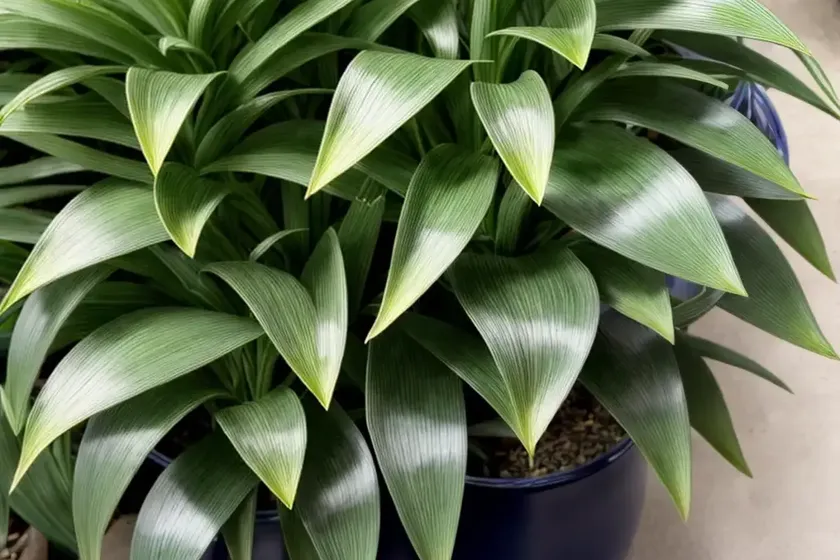
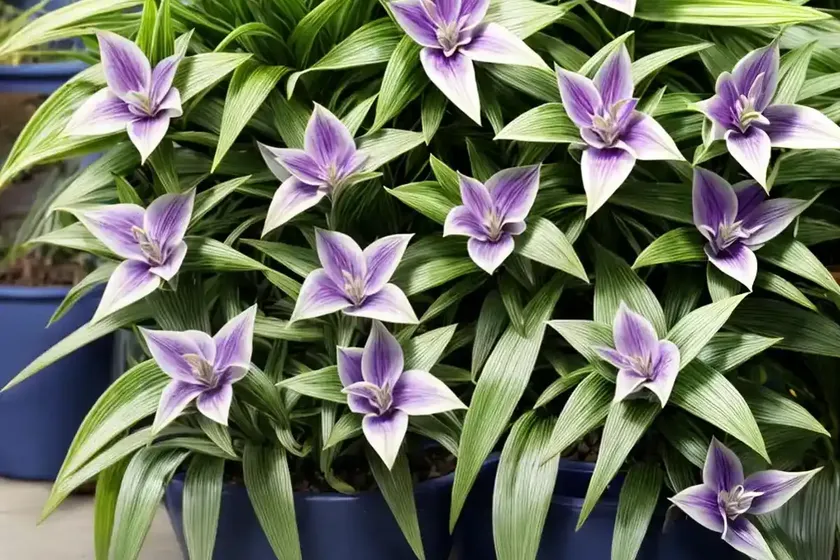
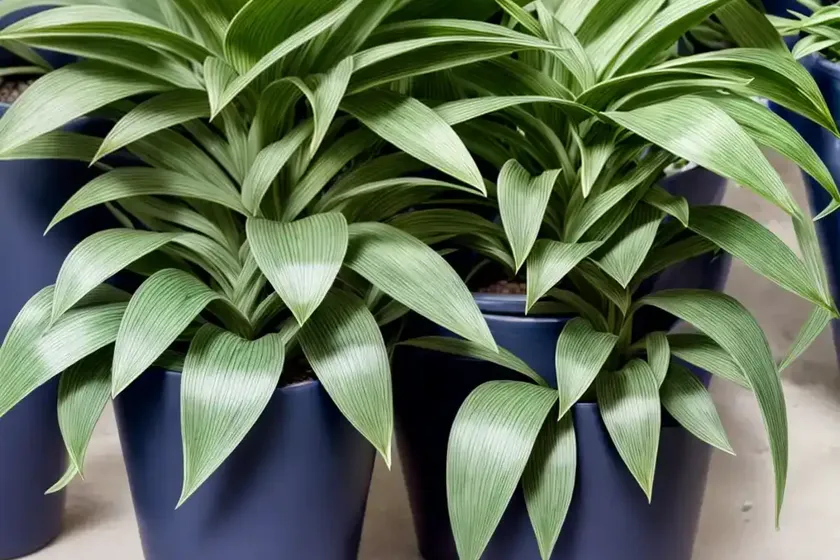
This plant is revered for its striking, lance-shaped, succulent leaves and its trailing growth habit, making it an excellent choice for hanging baskets and as a groundcover. Tradescantia Navicularis is often used in both indoor and outdoor settings for its ornamental allure.
Key Takeaways – Tradescantia Navicularis (Callisia Navicularis)
Culture
Tradescantia Navicularis is deeply ingrained in various cultures and has been used for its ornamental charm. It is a revered plant in horticulture and landscaping due to its vibrant foliage and low-maintenance nature.
Uses
- Ornamental purposes: Tradescantia Navicularis is frequently used for its decorative value in gardens, landscapes, and interiorscapes.
- Medicinal uses: Some cultures have utilized Tradescantia Navicularis for its purported medicinal properties.
Water
- Moderate watering is ideal for Tradescantia Navicularis.
- Overwatering can lead to root rot, so it’s essential to allow the soil to partially dry out between waterings.
Sunlight
- Tradescantia Navicularis thrives in bright, indirect light.
- It can also tolerate low light conditions, making it a versatile plant for different environments.
Fertilizer
- A balanced, water-soluble fertilizer can be applied to Tradescantia Navicularis during the growing season to promote healthy growth.
Soil
- A well-draining, peat-based soil mix is suitable for Tradescantia Navicularis.
- It should be slightly acidic for optimal growth.
Pruning
- Regular pruning helps maintain the plant’s shape and encourages bushier growth.
Propagation
- Tradescantia Navicularis can be propagated through stem cuttings or division of the plant.
- It readily roots in water or moist soil.
Container Popularity
- Tradescantia Navicularis is popularly grown in hanging baskets, containers, and terrariums due to its trailing growth habit.
Common Diseases
- Fungal diseases, such as leaf spot and botrytis, can affect Tradescantia Navicularis.
- Proper air circulation and controlled watering can help prevent these issues.
Common Pests
- Tradescantia Navicularis may attract common houseplant pests such as spider mites, aphids, and mealybugs.
- Regular inspection and appropriate pest control measures are vital for maintaining the plant’s health.
Botanist’s Tips
- Tradescantia Navicularis can be a stunning addition to your plant collection, providing graceful elegance and easy care.
Fun Facts
- Tradescantia Navicularis is often referred to as the “Boat Lily” due to the shape of its leaves, which resemble little boats.
Now that we have touched upon the key takeaways for caring for Tradescantia Navicularis, let’s explore each aspect in more depth.
Tradescantia Navicularis (Callisia Navicularis) Care Guide
What is Tradescantia Navicularis?
Tradescantia Navicularis, commonly known as Callisia Navicularis, is a species of herbaceous perennial plant native to Central America and Mexico. This plant is a part of the Commelinaceae family, which includes many popular houseplants like Tradescantia zebrina and Tradescantia pallida.
Tradescantia Navicularis is valued for its lush foliage, trailing growth habit, and minimal care requirements, making it a sought-after choice for plant enthusiasts and horticulturists alike.
Plant Name: Tradescantia Navicularis (Callisia Navicularis)
Tradescantia Navicularis, known for its graceful appearance and easy care, is a wonderful addition to any plant collection. Let’s delve into the specifics of caring for this captivating plant.
Watering Tradescantia Navicularis
Proper watering is crucial for the health and vitality of Tradescantia Navicularis. Here are some key points to keep in mind when watering this plant:
- Moderate watering: Tradescantia Navicularis prefers moderate watering, allowing the soil to partially dry out between waterings. Ensure that the soil is moist but not waterlogged.
- Water quality: Use room temperature water to avoid shocking the plant. Allow excess water to drain from the pot to prevent waterlogging.
Sunlight Requirements for Tradescantia Navicularis
Adequate sunlight is essential for the growth and development of Tradescantia Navicularis. Consider the following factors when providing sunlight for your plant:
- Bright, indirect light: Position Tradescantia Navicularis in a location with bright, indirect light to promote healthy growth and vibrant foliage.
- Low light tolerance: While it thrives in bright light, Tradescantia Navicularis can also adapt to lower light conditions, making it suitable for various indoor settings.
Fertilizing Tradescantia Navicularis
Fertilization plays a significant role in supporting the growth and appearance of Tradescantia Navicularis. Here are some fertilizer-related considerations for this plant:
- Balanced fertilizer: Use a balanced, water-soluble fertilizer diluted to half strength during the growing season to provide essential nutrients for the plant.
- Frequency: Fertilize Tradescantia Navicularis every 2-4 weeks during the growing season, reducing frequency in the winter months when growth slows down.
Soil Requirements for Tradescantia Navicularis
Selecting the right soil mix is vital for ensuring optimal growth and health for Tradescantia Navicularis. Here’s what to consider when choosing soil for this plant:
- Well-draining soil: Use a well-draining peat-based soil mix to prevent waterlogging and maintain proper moisture levels for the plant.
- Acidic soil: Aim for a slightly acidic soil pH (around 6.0) to create an ideal growing environment for Tradescantia Navicularis.
Pruning Tradescantia Navicularis
Regular pruning helps maintain the shape and appearance of Tradescantia Navicularis, ensuring a lush and bushy growth habit. Consider the following when pruning this plant:
- Trimming leggy growth: Prune leggy or excessively long stems to encourage a more compact and bushy growth.
- Removing damaged foliage: Trim or remove any damaged or yellowing leaves to promote overall plant health and aesthetics.
Propagating Tradescantia Navicularis
Propagating Tradescantia Navicularis offers an opportunity to expand your plant collection and share this beautiful species with others. Here are methods for propagating this plant:
- Stem cuttings: Take stem cuttings from healthy, mature plants and root them in water or a moist potting mix to establish new plants.
- Division: Divide mature Tradescantia Navicularis plants to create new specimens, ensuring that each division has adequate roots for successful establishment.
Container Growing and Popularity
Tradescantia Navicularis is a popular choice for container growing, particularly in hanging baskets and terrariums, due to its trailing growth habit and ornamental value.
- Hanging baskets: The trailing nature of Tradescantia Navicularis makes it a perfect fit for hanging baskets, adding a touch of elegance to any indoor or outdoor space.
- Terrariums: Its compact growth and easy care make Tradescantia Navicularis an ideal plant for terrariums, contributing lush greenery to these enclosed environments.
Common Diseases and Pest Management
Like any plant, Tradescantia Navicularis is susceptible to certain diseases and pests. Understanding these issues is essential for maintaining the plant’s health:
- Fungal diseases: Watch for signs of fungal diseases such as leaf spot and botrytis, which can occur in conditions of high humidity and poor air circulation. Ensure proper ventilation and controlled watering to prevent these issues.
- Common pests: Keep an eye out for common houseplant pests like spider mites, aphids, and mealybugs, and take appropriate measures such as regular inspection and natural pest control methods to manage infestations.
Botanist’s Tips for Tradescantia Navicularis
As a plant enthusiast, here are some additional tips for cultivating and caring for Tradescantia Navicularis:
- Regular maintenance: Regularly inspect your Tradescantia Navicularis for any signs of stress, disease, or pest infestations to address issues promptly.
- Environmental adaptation: While Tradescantia Navicularis thrives in bright, indirect light, it can tolerate lower light conditions, making it adaptable to various indoor environments.
Fun Facts about Tradescantia Navicularis
Delve into the intriguing world of Tradescantia Navicularis with these fun and fascinating facts:
- Botanical inspiration: Tradescantia Navicularis is known as the “Boat Lily” due to the distinct shape of its leaves, which resemble miniature boats floating along the plant’s stems.
- Ornamental appeal: With its graceful trailing habit and vibrant green foliage, Tradescantia Navicularis adds a touch of natural elegance to any setting.
The beauty and charm of Tradescantia Navicularis make it a prized addition to any plant lover’s collection. With its easy care and striking appearance, this plant has endeared itself to enthusiasts and horticulturists worldwide.
Links to External Resources
For more in-depth information and resources on Tradescantia Navicularis, consider exploring the following links:
- Royal Horticultural Society – Tradescantia Navicularis Care Guide
- American Society for the Prevention of Cruelty to Plants – Callisia Navicularis Plant Care Tips
- Botanical Society of America – Tradescantia Navicularis Propagation Methods
Tradescantia Navicularis (Callisia Navicularis) is a plant that captivates with its trailing beauty, vibrant foliage, and minimal care requirements. Whether adorning a hanging basket or enhancing a terrarium, this plant brings a touch of natural elegance to any space. Embrace the joy of cultivating and caring for Tradescantia Navicularis, and witness the beauty it adds to your plant collection.
I hope this comprehensive care guide has provided valuable insights into nurturing Tradescantia Navicularis, encouraging you to embark on a fulfilling journey of plant care and appreciation.
Plant enthusiasts, horticulturists, and nature lovers alike can find joy in the enchanting world of Tradescantia Navicularis, where elegance and ease intersect to create a truly remarkable plant species.
Happy gardening!
References
- BBC. (2021). “Tradescantia Pacifica.” [Online]. Available: https://www.bbc.co.uk/gardening/plants/plant_finder/plant_pages/11670.shtml
- The Spruce. (2021). “How to Grow and Care for Callisia Navicularis (Lavender Baskets).” [Online]. Available: https://www.thespruce.com/callisia-navicularis-2132801
- Missouri Botanical Garden. (2021). “Tradescantia Navicularis.” [Online]. Available: http://www.missouribotanicalgarden.org/PlantFinder/PlantFinderDetails.aspx?taxonid=276009&isprofile=0&