Tower Of Jewels (Echium Wildpretii)
As a plant scientist, I have had the opportunity to study a wide variety of plant species, each with its unique characteristics, adaptations, and.
As a plant scientist, I have had the opportunity to study a wide variety of plant species, each with its unique characteristics, adaptations, and requirements. Among the many fascinating plants, Tower of Jewels or Echium wildpretii stands out as a remarkable species known for its impressive flowering spike and ecological significance. In this comprehensive guide, we will delve into the intricate details of this captivating plant, exploring its key features, cultivation, uses, and maintenance.
What is Tower of Jewels (Echium wildpretii)?
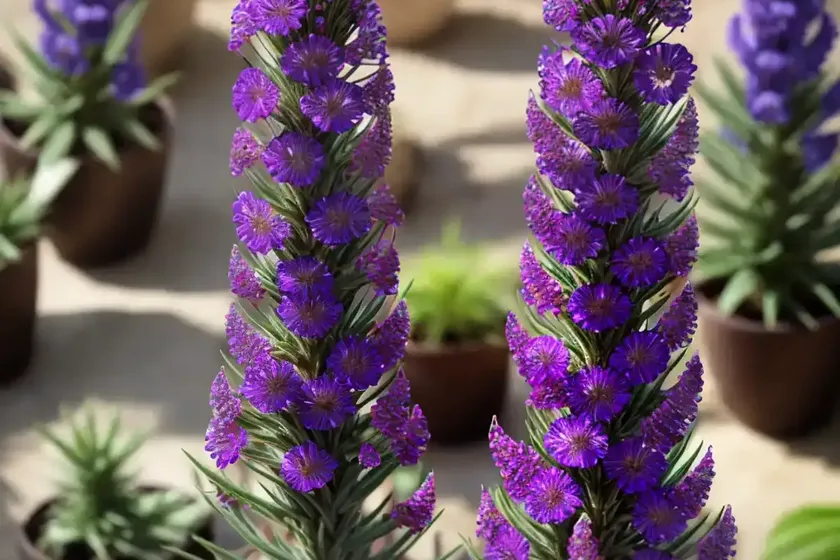
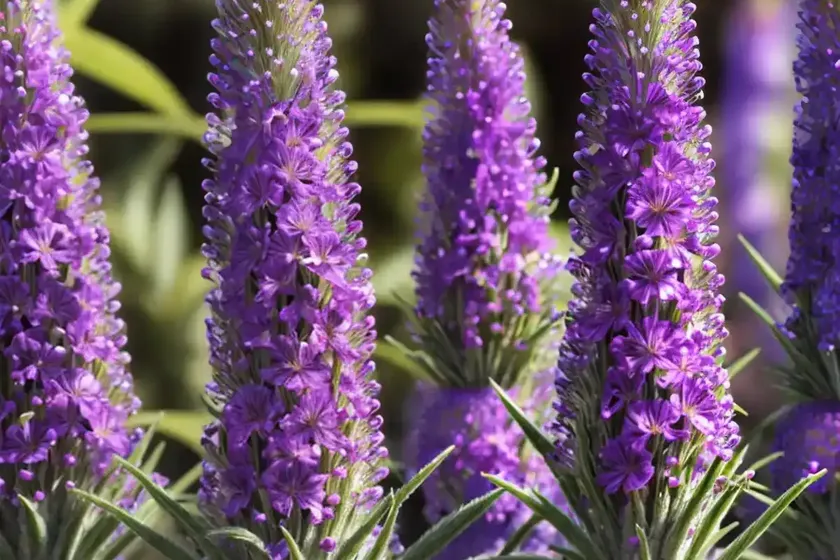
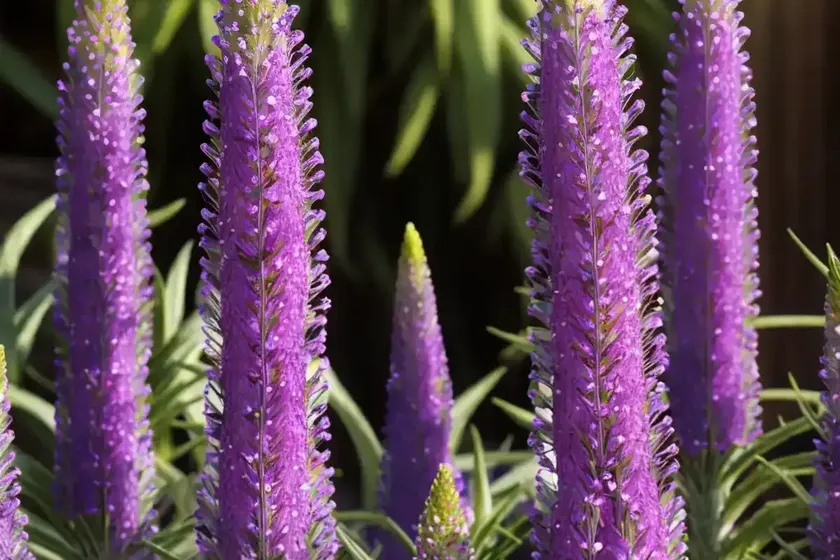
Echium wildpretii, commonly known as Tower of Jewels, is a biennial or perennial herbaceous plant belonging to the Boraginaceae family. Originating from the Canary Islands, this striking plant is characterized by its towering flower spike, which can reach heights of up to 3 meters (10 feet). The plant’s scientific name, Echium wildpretii, is a tribute to the German botanist Hermann Wildpret, who explored and documented the rich flora of the Canary Islands.
The Tower of Jewels is known for its vibrant, cone-shaped flower clusters, which are a significant source of nectar for pollinators, including bees and butterflies. Due to its unique visual appeal and ecological importance, Echium wildpretii has garnered attention from gardeners, landscape designers, and conservationists alike.
Key Takeaways – Tower of Jewels (Echium wildpretii)
Before delving into the specific aspects of Tower of Jewels care and cultivation, let’s highlight some key takeaways about this remarkable plant:
- Echium wildpretii is renowned for its towering flower spike, making it a stunning focal point in gardens and landscapes.
- The plant has significant ecological benefits, serving as a valuable nectar source for pollinators and supporting wildlife.
- Tower of Jewels exhibits drought resistance and is well-suited for xeriscaping and arid garden environments.
- Cultivating Echium wildpretii requires careful attention to its water, sunlight, soil, and pruning needs for optimal growth and blooming.
Now that we have outlined the essential attributes of Tower of Jewels, let’s embark on a journey to explore the plant’s culture, uses, and the fundamental requirements for its successful cultivation.
Culture
Understanding the cultural requirements of Echium wildpretii is crucial for ensuring its healthy growth and abundant flowering.
Water
Tower of Jewels is well-adapted to arid and semi-arid climates, and as such, it exhibits significant drought resistance once established. However, during the plant’s initial growth stages and in prolonged dry spells, it is important to provide regular watering to support healthy development. When watering Echium wildpretii, it is essential to strike a balance, avoiding waterlogging while preventing the soil from becoming excessively dry.
Sunlight
As a sun-loving plant, Tower of Jewels thrives in full sunlight and is best suited for locations with ample exposure to direct sunlight. When selecting a site for planting Echium wildpretii, ensure that it receives at least 6 to 8 hours of sunlight daily to promote robust growth and prolific blooming.
Fertilizer
While Echium wildpretii is adapted to nutrient-poor soils, applying a balanced, slow-release fertilizer during the growing season can support the plant’s vitality and flower production. A general-purpose fertilizer with a balanced NPK ratio can be sparingly applied, following the manufacturer’s recommendations for dosage and frequency.
Soil
Tower of Jewels thrives in well-draining, alkaline to neutral soils with a slightly sandy or rocky texture. It is important to avoid waterlogged or compacted soils, as they can negatively impact the plant’s root health and overall vigor. When planting Echium wildpretii, amending the soil with organic matter or sand can improve drainage and create a suitable growing environment.
Uses
Ornamental Value
One of the primary uses of Echium wildpretii is its ornamental value in gardens, landscapes, and xeriscapes. The plant’s striking, tapering flower spike, adorned with hundreds of tiny, tubular flowers, makes it an exceptional addition to mixed borders, rock gardens, and focal point plantings. With its towering presence and vibrant blooms, Tower of Jewels captures the attention of onlookers and adds an enchanting touch to outdoor spaces.
Ecological Significance
In addition to its ornamental appeal, Tower of Jewels holds significant ecological value as a pollinator-friendly plant. The abundant nectar produced by its flowers attracts bees, butterflies, and other pollinating insects, supporting local pollinator populations and contributing to the overall biodiversity of an area. By incorporating Echium wildpretii into garden designs and natural landscapes, individuals can play a role in conserving and enhancing pollinator habitats.
Medicinal and Herbal Uses
While Echium wildpretii is primarily valued for its ornamental and ecological attributes, some species within the Echium genus have been traditionally used for their medicinal properties. Certain Echium species contain compounds with potential anti-inflammatory and antioxidant effects, and they have been utilized in herbal remedies and alternative medicine practices. However, it is important to note that specific research and validation are necessary to ascertain the medicinal applications of individual Echium species, including Tower of Jewels.
Pruning
Pruning plays a crucial role in maintaining the health, form, and flowering potential of Tower of Jewels. Proper pruning practices for Echium wildpretii include the following considerations:
-
Deadheading: Removing spent flower spikes can promote the development of new blooms and extend the plant’s flowering period. By snipping off the faded flower clusters, Tower of Jewels can continue to produce fresh blooms, enhancing its visual impact.
-
Thinning: In instances where the plant exhibits overcrowding or excessive branching, thinning out select stems and foliage can improve air circulation and light penetration within the plant’s canopy. This can contribute to the overall vigor and health of Echium wildpretii.
-
Maintenance Pruning: Periodic maintenance pruning, such as the removal of damaged or diseased growth, can help keep Tower of Jewels in optimum condition. Inspecting the plant regularly and addressing any signs of stress or damage through targeted pruning supports its long-term well-being.
Propagation
The propagation of Echium wildpretii can be achieved through various methods, including seed sowing and vegetative propagation techniques.
Seed Propagation
Echium wildpretii seeds are typically sown in the desired growing location, as the plants establish well when directly seeded into suitable soil. To ensure successful germination, the following steps can be followed:
-
Seed Preparation: Before sowing, it is beneficial to scarify the seeds lightly to enhance their germination rate. This can be accomplished by gently rubbing the seeds with a fine sandpaper or nicking their outer coat with a sharp blade.
-
Sowing Depth and Soil: Tower of Jewels seeds can be sown at a shallow depth, ideally 1/8 to 1/4 inch below the soil surface. The planting site should offer well-draining soil and ample sunlight for the seedlings’ development.
-
Moisture and Care: After sowing, maintaining consistent moisture levels in the soil is important for supporting seed germination. While the seeds should not be saturated, it is crucial to keep the sowing area slightly moist until the seedlings emerge.
-
Thinning: Once the seedlings have developed several true leaves, thinning them to an appropriate spacing can enhance their growth and reduce competition for resources.
Vegetative Propagation
In addition to seed propagation, Echium wildpretii can be propagated through vegetative means, such as division and stem cuttings. Dividing established clumps of Tower of Jewels or taking semi-ripe stem cuttings during the plant’s active growth phase can yield new plants with characteristics similar to the parent specimen.
Container Popularity
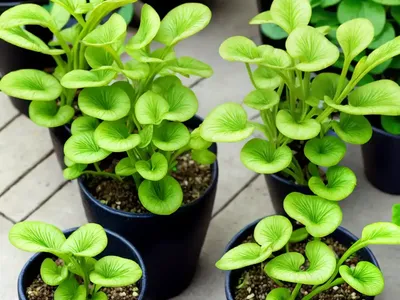
Tower of Jewels is an attractive candidate for container gardening, offering a vertical and visually captivating element for outdoor spaces, patios, and balconies. When grown in containers, Echium wildpretii can serve as a striking centerpiece or accent plant, adding height, texture, and color to the container garden.
The following considerations are essential for successful container cultivation of Tower of Jewels:
-
Container Size: Select a spacious container that accommodates the plant’s mature size and allows for adequate root development. A deep container with sufficient drainage holes is preferable to support the plant’s growth.
-
Well-Draining Soil: Fill the container with a well-draining, sandy loam or cactus mix to create a suitable growing medium for Echium wildpretii. The soil should facilitate good drainage and aeration, preventing waterlogging in the container.
-
Sunlight Requirements: Position the container in a location that receives ample sunlight, as Tower of Jewels thrives in full sun conditions. Ensuring access to direct sunlight is crucial for the plant’s healthy growth and flowering.
-
Watering: Monitor the moisture levels in the container and water the plant as needed to maintain slight moisture in the soil. While Tower of Jewels demonstrates drought tolerance, container-grown specimens may require more frequent watering during dry periods.
By choosing an appropriately sized container, providing suitable growing conditions, and optimizing care, individuals can cultivate Tower of Jewels in containers to introduce an impressive vertical element to their outdoor living spaces.
Common Diseases
While Echium wildpretii exhibits resilience to many environmental stressors, it may be susceptible to certain diseases and issues that can impact its health. Understanding common diseases and potential challenges associated with Tower of Jewels cultivation is essential for effective management and preventive measures.
Disease Diagnosis
The following are some common diseases and issues that can affect Echium wildpretii:
-
Powdery Mildew: A fungal disease characterized by the development of white, powdery patches on the plant’s leaves and stems. Powdery mildew can hinder photosynthesis and weaken the overall vigor of Tower of Jewels.
-
Root Rot: Excessive moisture or poor drainage can lead to root rot in Echium wildpretii, causing wilting, yellowing foliage, and deterioration of the plant’s root system. This condition can be detrimental to the plant’s health if not addressed promptly.
-
Botrytis Blight: Also known as gray mold, botrytis blight can manifest as gray, fuzzy growth on the plant’s tissues, particularly in cool and humid conditions. It can affect flowers, stems, and leaves, leading to decay and decline.
Management and Control
To mitigate the impact of diseases and maintain the plant’s vigor, the following management practices can be implemented:
-
Cultural Practices: Enhancing air circulation around the plant, avoiding overhead watering, and maintaining proper spacing between specimens can reduce the risk of fungal diseases such as powdery mildew and botrytis blight.
-
Well-Drained Soil: Ensuring that the soil offers adequate drainage is crucial for preventing root rot and waterlogged conditions. Amending the soil with sand or perlite can improve its texture and drainage capacity.
-
Fungicidal Treatments: In cases where fungal diseases pose a persistent challenge, targeted fungicidal treatments approved for ornamental plants can be employed, following the manufacturer’s instructions and guidelines for application.
Common Pests
While Echium wildpretii is relatively resilient to many pests, certain insects and arthropods may occasionally pose challenges to its growth and well-being. Recognizing common pests and implementing proactive pest management strategies can help safeguard Tower of Jewels from infestations.
Key Pests
-
Aphids: These small, soft-bodied insects can cluster on the tender shoots and flower buds of Tower of Jewels, feeding on plant sap and excreting honeydew. Severe aphid infestations can lead to stunted growth and distorted foliage.
-
Spider Mites: Spider mites are tiny arachnids that can cause stippling, discoloration, and webbing on the leaves of Echium wildpretii. In hot and dry conditions, spider mite populations may proliferate rapidly, impacting the plant’s overall health.
-
Caterpillars: Certain caterpillar species may feed on the foliage of Tower of Jewels, leading to visible defoliation and potential damage to the plant’s growing tips and leaves.
Pest Management
Employing integrated pest management (IPM) strategies can effectively address pest issues while minimizing the use of chemical interventions. The following approaches are integral to pest management for Tower of Jewels:
-
Natural Enemies: Encouraging natural predators and beneficial insects, such as ladybugs and lacewings, can help regulate aphid and caterpillar populations, promoting a balanced ecosystem within the garden.
-
Horticultural Oils: The application of horticultural oils can serve as a non-toxic method for managing spider mites, suffocating and disrupting their populations while minimizing impacts on beneficial insects.
-
Hand Picking: In cases of localized pest infestations, manually removing pests, such as caterpillars, can be an effective approach. Regular inspection and hand picking can help mitigate pest populations without the need for chemical treatments.
Botanist’s Tips
Drawing upon my expertise as a plant scientist and botanist, I offer the following tips for successfully cultivating and enjoying the beauty of Echium wildpretii:
-
Site Selection: When choosing a planting site for Tower of Jewels, prioritize a location with well-draining soil and ample sunlight exposure to provide an optimal growing environment for the plant.
-
Pollinator Support: Embrace the ecological significance of Echium wildpretii by incorporating it into pollinator-friendly garden designs. By supporting local pollinator populations, individuals can contribute to biodiversity and ecosystem health.
-
Pruning Wisdom: Engage in regular deadheading and maintenance pruning to encourage continuous blooming and maintain the plant’s form. Deadheading spent flower spikes can prolong the flowering period and enhance the visual appeal of Tower of Jewels.
-
Watering Balance: Strike a balance with watering, allowing the soil to dry slightly between waterings to prevent waterlogged conditions. While Tower of Jewels exhibits drought resistance, attentive watering during its establishment phase is crucial.
By implementing these insights and recommendations, individuals can cultivate and appreciate the allure of Echium wildpretii while fostering its well-being and ecological contributions.
Fun Facts
To further enrich your understanding and appreciation of Echium wildpretii, here are some fascinating fun facts about Tower of Jewels:
-
Biennial or Perennial: Echium wildpretii exhibits both biennial and perennial growth habits, with the plant completing its life cycle over several years. This dual growth pattern contributes to its unique characteristics and blooming behavior.
-
Horticultural Adaptation: Tower of Jewels has been embraced by horticulturists and gardeners worldwide for its captivating appearance and ecological benefits, leading to its introduction in diverse geographic regions beyond its native habitat.
-
Celebrated Nectar Source: The copious nectar produced by Tower of Jewels flowers serves as a vital food source for various pollinators, contributing to the intricate web of ecological interactions within its habitat.
-
Echium Diversity: The Echium genus encompasses a diverse array of species, with different Echium varieties exhibiting unique growth habits, flower colors, and ecological associations. This diversity adds to the allure of Echium wildpretii and its botanical relatives.
Links to External Resources
To further explore the world of Echium wildpretii and delve into specific topics related to its care, cultivation, and ecological significance, I recommend referring to the following external resources:
- Royal Horticultural Society (RHS) – Echium Wildpretii
- Missouri Botanical Garden – Tower of Jewels Plant Profile
- University of California Agriculture and Natural Resources – Pollinator Gardening with Echium
- American Horticultural Society – Echiums: The Tower of Jewels
- National Gardening Association – Tower of Jewels: A Biennial Beauty
These resources offer valuable insights, practical guidance, and in-depth information on Echium wildpretii, catering to a diverse range of interests and expertise levels.
In conclusion, the captivating allure, ecological significance, and ornamental value of Echium wildpretii make it an exceptional addition to gardens, landscapes, and pollinator habitats. Through a thoughtful approach to its cultivation, an understanding of its key requirements, and an appreciation for its unique features, individuals can cherish the beauty and ecological contributions of Tower of Jewels. Whether as a towering floral spectacle or a beacon for pollinators, Echium wildpretii stands as a testament to nature’s artistry and the interconnectedness of plant life in our world.