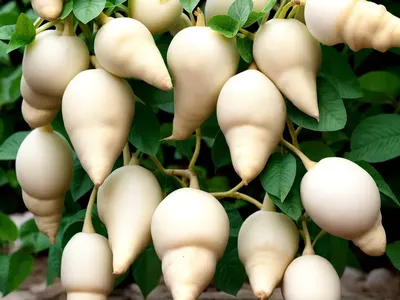
Tortoise Plant (Dioscorea Elephantipes)
The Tortoise Plant, also known as Dioscorea elephantipes, is a captivating succulent plant that has gained popularity among plant enthusiasts due to its.
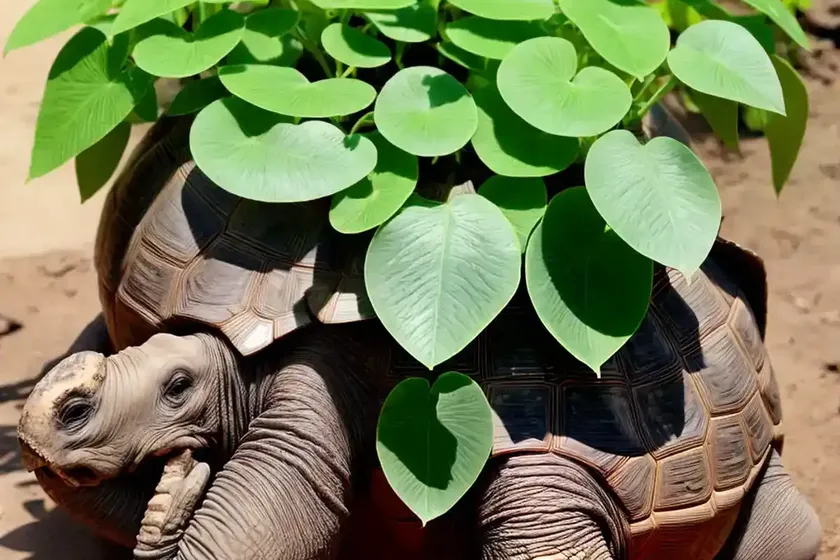
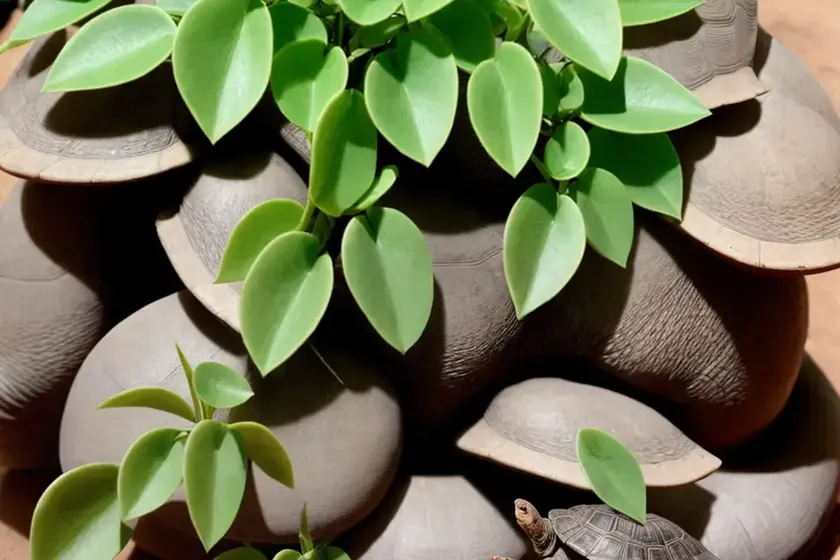
The Tortoise Plant, also known as Dioscorea elephantipes, is a captivating succulent plant that has gained popularity among plant enthusiasts due to its unique appearance and low maintenance requirements. As a plant scientist specializing in succulents and desert plants, I find the Tortoise Plant to be an intriguing specimen that warrants closer examination. In this comprehensive guide, we will delve into the culture, uses, care tips, and interesting facts about the Tortoise Plant, providing valuable insights for both novice and experienced plant caretakers.
What is the Tortoise Plant (Dioscorea elephantipes)?
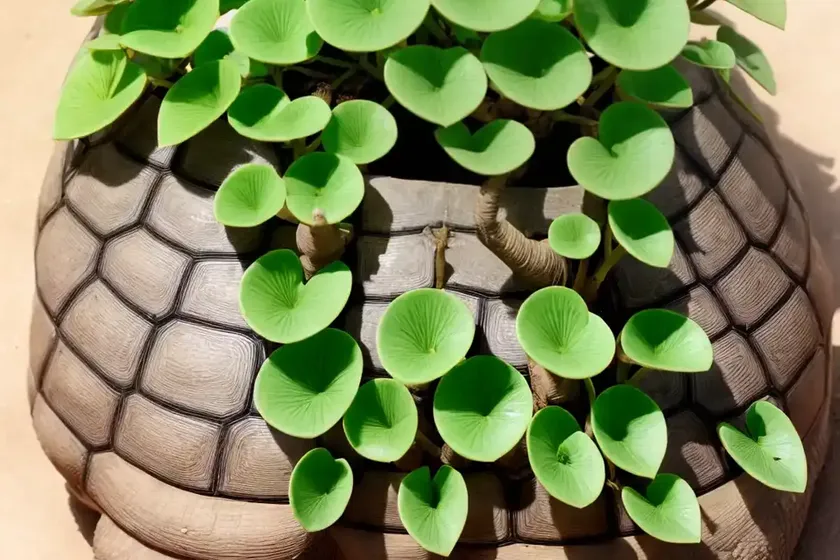
The Tortoise Plant, scientifically classified as Dioscorea elephantipes, is a member of the Dioscoreaceae family. The plant is native to the semi-arid regions of South Africa, particularly in the Northern Cape Province. It is characterized by its large, spherical, succulent caudex that resembles the shell of a tortoise, from which its common name is derived. The caudex is the plant’s modified stem that stores water, enabling it to withstand long periods of drought.
In its natural habitat, Dioscorea elephantipes typically grows in rocky, well-draining soils, often among shrubs and other vegetation that provide partial shade. The plant exhibits a unique growth habit, producing a single, erect vine-like stem with spirally arranged, heart-shaped leaves, creating an aesthetically pleasing display.
Key Takeaways – Tortoise Plant (Dioscorea elephantipes)
| Aspect | Key Takeaways |
|---|---|
| Culture | Native to semi-arid regions of South Africa. |
| Uses | Ornamental, succulent plant collections. |
| Water | Drought-tolerant, infrequent watering preferred. |
| Sunlight | Thrives in bright, indirect light. |
| Fertilizer | Minimal fertilization requirements. |
| Soil | Well-draining, sandy or rocky soil mix. |
| Pruning | Limited pruning necessary. |
| Propagation | Possible through seeds and offsets. |
| Container | Suitable for container cultivation. |
| Popularity | Growing popularity among plant enthusiasts. |
| Common Diseases | Susceptible to rot in waterlogged conditions. |
| Disease Diagnosis | Visual symptoms, rot, and wilting. |
| Common Pests | Potential infestation by mealybugs and aphids. |
| Botanist’s Tips | Provide well-draining soil and adequate ventilation. |
| Fun Facts | Resembles the shell of a tortoise, slow growth rate. |
Culture of Dioscorea elephantipes
As an indigenous plant of the arid regions of South Africa, the Tortoise Plant has adapted to a climate characterized by infrequent rainfall and intense sunlight. Understanding its natural habitat is crucial for successfully cultivating and caring for this unique plant.
Water
The succulent nature of Dioscorea elephantipes enables it to withstand periods of drought. In cultivation, it is essential to mimic its natural environment by allowing the soil to dry out between waterings. Overly moist conditions can lead to root rot and other moisture-related issues. During the growing season, which typically coincides with the spring and summer months, moderate watering can be provided, allowing the soil to dry partially between waterings. It is important to reduce watering during the plant’s dormant period in winter to prevent potential issues associated with excess moisture.
Sunlight
In its native habitat, the Tortoise Plant receives ample sunlight; therefore, it thrives in bright, indirect light when cultivated indoors. Placing the plant near a south-facing window or providing filtered light is ideal. When growing outdoors, it is important to ensure that the plant is shielded from direct midday sun to prevent sunburn on the leaves.
Fertilizer
Dioscorea elephantipes has minimal fertilizer requirements. During the growing season, a balanced, diluted fertilizer can be applied at half-strength every 6-8 weeks. It is crucial to refrain from over-fertilization, as this can lead to excessive foliage growth at the expense of the caudex, compromising the plant’s unique aesthetic appeal.
Soil
The Tortoise Plant thrives in well-draining soil that mimics the rocky or sandy substrates of its native habitat. A customized succulent or cactus mix, supplemented with perlite or coarse sand, promotes proper drainage and aeration, offering an optimal growing medium for Dioscorea elephantipes. The use of a shallow container with ample drainage holes further aids in preventing waterlogged conditions that can be detrimental to the plant’s health.
Uses of Dioscorea Elephantipes
Ornamental Value
Dioscorea elephantipes is esteemed for its ornamental value, particularly for its distinct caudex that resembles the shell of a tortoise, garnering attention and admiration from plant enthusiasts worldwide. Its slow growth rate and striking appearance make it a captivating addition to succulent collections, arid-themed landscapes, and indoor ornamental displays.
Pruning
Limited pruning is necessary for the Tortoise Plant. Occasional removal of dead or damaged leaves and the careful management of vine-like growth can help maintain the plant’s aesthetic appeal. However, excessive pruning should be avoided, as this can disrupt the plant’s natural growth pattern and lead to potential stress.
Propagation of Dioscorea Elephantipes
Propagation of Dioscorea elephantipes is primarily achieved through seeds and offsets. While the plant may take several years to reach reproductive maturity, the process of growing new plants from seed and offsets allows for the expansion of one’s Tortoise Plant collection or the sharing of this unique plant with fellow gardening enthusiasts.
Seeds
The collection and germination of seeds from mature Dioscorea elephantipes plants present an opportunity to grow new specimens. By planting seeds in a well-draining, sandy potting mix and providing suitable environmental conditions, such as warmth and indirect light, the germination process can be initiated. It is important to note that the germination of Tortoise Plant seeds can be a slow process, requiring patience and attentive care.
Offsets
Dioscorea elephantipes occasionally produces offsets, also known as pups, around its base. These offsets can be carefully separated from the parent plant and planted in their individual containers once they have developed their own root systems. This method of propagation offers an efficient means of expanding one’s collection of Tortoise Plants while preserving the unique characteristics of the parent plant.
Container Cultivation
The Tortoise Plant is well-suited for container cultivation, making it an attractive option for indoor and outdoor ornamental displays. When selecting a container for Dioscorea elephantipes, it is essential to prioritize functionality and aesthetics. The chosen container should provide ample space for the plant’s caudex and root system, along with adequate drainage to prevent waterlogging. Additionally, choosing a shallow, wide container over a deep one can allow for optimal growth and stability.
Popularity of the Tortoise Plant
In recent years, the Tortoise Plant, Dioscorea elephantipes, has experienced a surge in popularity among plant collectors and horticulture enthusiasts. Its distinctive appearance, low maintenance requirements, and intriguing growth habits have contributed to its appeal as a sought-after addition to diverse plant collections and ornamental landscapes.
Common Diseases and Pests
Disease Diagnosis
The most common disease issue associated with Dioscorea elephantipes is rot, which arises from prolonged exposure to excessive moisture or waterlogged soil. Symptoms of rot may include wilting, discoloration, and mushy or foul-smelling areas on the caudex or roots. It is essential to identify and address these symptoms promptly to prevent the spread of the rot and salvage the plant.
Common Pests
The Tortoise Plant may be susceptible to infestation by common indoor plant pests, such as mealybugs and aphids. These pests can affect the stems, leaves, and caudex of the plant, leading to damage and potential stress. Regular inspection and prompt intervention, using natural or targeted pest control methods, can help mitigate pest-related issues and maintain the plant’s health.
Botanist’s Tips for Successfully Growing Dioscorea Elephantipes
As a plant scientist specializing in succulents and desert plants, I offer the following tips to cultivate and care for the Tortoise Plant, Dioscorea elephantipes, effectively:
- Prioritize well-draining soil to prevent moisture-related issues, such as rot and root damage.
- Ensure adequate ventilation around the plant, particularly in indoor settings, to promote air circulation and prevent humidity build-up.
- Monitor watering practices closely, allowing the soil to dry out between waterings to mimic the plant’s natural drought-resistant behavior.
- Provide ample indirect sunlight, avoiding intense midday sun exposure, to support healthy growth and prevent leaf damage.
- Exercise caution when applying fertilizers, using a balanced, diluted solution sparingly to avoid overfeeding and potential imbalances.
Fun Facts about the Tortoise Plant
The Tortoise Plant, or Dioscorea elephantipes, is a fascinating species with several captivating and notable characteristics that contribute to its appeal. Some intriguing facts about this unique succulent include:
- The caudex of Dioscorea elephantipes closely resembles the shell of a tortoise, giving rise to its common name and distinctive appearance.
- The plant exhibits a slow growth rate, with significant changes taking place over several years, making it a long-term and rewarding addition to plant collections.
- Dioscorea elephantipes is native to the Northern Cape Province of South Africa, where it thrives in semi-arid environments with minimal rainfall and abundant sunlight.
External Resources
For further information and resources on the Tortoise Plant, Dioscorea elephantipes, refer to the following links:
- Dioscorea Elephantipes Care Guide – The Spruce
- Tortoise Plant – PlantCareToday
- Succulent Paradise: Dioscorea Elephantipes – Succulent City
- Dioscorea Elephantipes | World of Succulents
In conclusion, the Tortoise Plant, Dioscorea elephantipes, stands as a captivating and unique specimen that captivates plant enthusiasts with its distinctive appearance and minimal maintenance requirements. By understanding its cultural needs, appropriate care practices, and propagation methods, one can successfully cultivate and appreciate this remarkable succulent plant in diverse indoor and outdoor settings. As we continue to explore and appreciate the diversity of plant life, the Tortoise Plant remains a fascinating and prized addition to horticultural collections and landscapes, captivating us with its enduring charm and striking features.