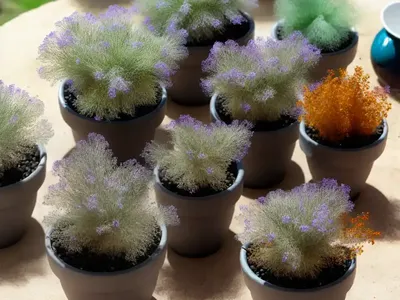
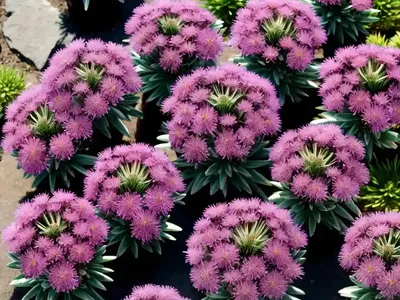
Tiger Jaws (Faucaria Tigrina)
Plants are an essential part of our ecosystem, bringing beauty, oxygen, and a sense of calm to our surroundings. Within the plant kingdom, there are.
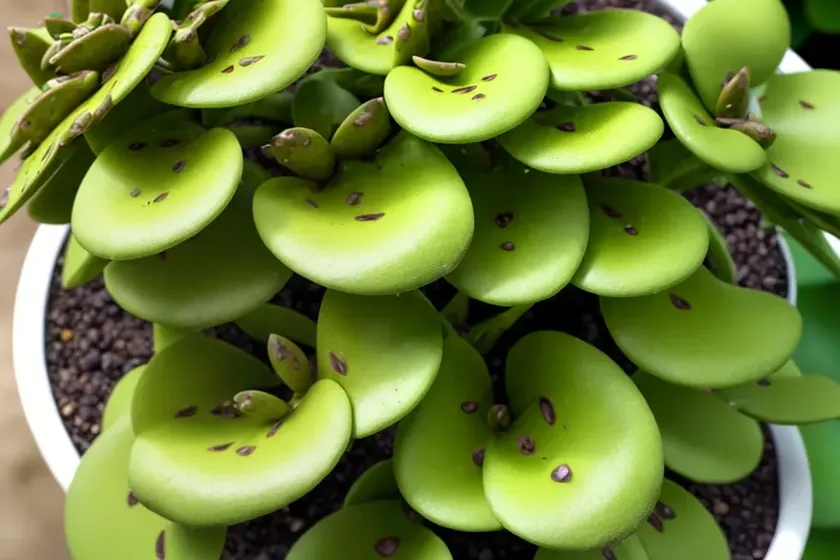
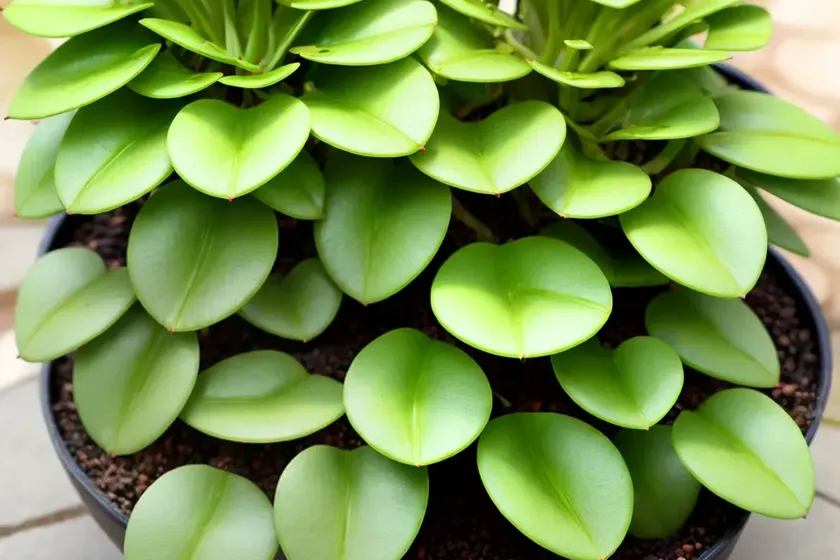
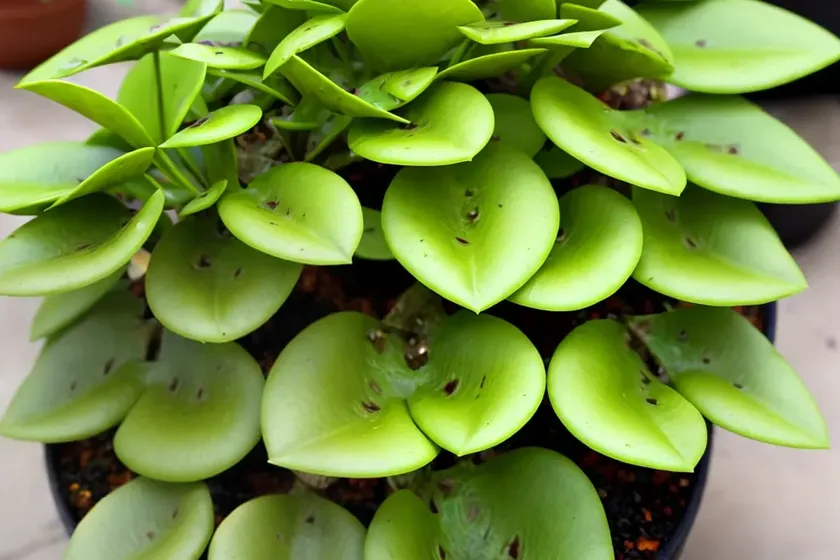
Plants are an essential part of our ecosystem, bringing beauty, oxygen, and a sense of calm to our surroundings. Within the plant kingdom, there are innumerable species, each with its own unique characteristics and care requirements. In this blog, we will be delving into the intriguing world of Tiger Jaws (Faucaria tigrina) – a fascinating succulent that has captured the hearts of plant enthusiasts worldwide.
What is a Plant: Tiger Jaws (Faucaria tigrina)
Tiger Jaws, scientifically known as Faucaria tigrina, is a visually appealing succulent plant native to South Africa. It belongs to the Aizoaceae family, which includes a wide variety of unique and resilient succulent species. The name “Tiger Jaws” aptly describes the plant’s distinctive, triangular leaves that resemble the open jaws of a fierce feline. This succulent’s striking appearance, coupled with its low-maintenance nature, makes it a popular choice for both seasoned gardeners and beginners.
Apart from its ornamental value, Faucaria tigrina possesses interesting attributes that contribute to its appeal. Its ability to thrive in arid conditions and its resilience to neglect make it an ideal choice for individuals looking to add a touch of greenery to their homes or gardens without the need for extensive care.
Key Takeaways – Tiger Jaws (Faucaria tigrina)
Before we delve into the detailed care guide for Tiger Jaws (Faucaria tigrina), let’s encapsulate the key takeaways that we will be exploring in this comprehensive overview:
- Culture
- Uses
- Water
- Sunlight
- Fertilizer
- Soil
- Pruning
- Propagation
- Container
- Popularity
- Common Diseases
- Common Pests
- Botanist’s Tips
- Fun Facts
- Links to External Resources
Now, let’s dive into the world of Tiger Jaws and explore the nuances of caring for this fascinating plant.
Culture
Understanding the cultural requirements of Tiger Jaws (Faucaria tigrina) is crucial for ensuring its optimal growth and well-being. Here are the essential cultural factors to consider when caring for this succulent:
Water
Proper watering is a critical aspect of Tiger Jaws (Faucaria tigrina) care. As a succulent native to arid regions, it is well-adapted to surviving in dry conditions and has evolved mechanisms to store water in its leaves. Overwatering can lead to rot and various other issues, so it’s essential to follow a watering schedule that aligns with the plant’s natural habitat.
- Watering Frequency: During the growing season, which typically spans from spring to fall, it is advisable to water Tiger Jaws sparingly. Wait for the soil to dry out completely between watering sessions to prevent potential root rot.
- Winter Dormancy: In winter, when the plant goes into dormancy, reduce watering significantly to mimic its natural environment. Only provide small amounts of water when the soil has become extremely dry.
Sunlight
Proper sunlight exposure is crucial for the healthy growth and development of Tiger Jaws (Faucaria tigrina). This succulent thrives in bright, indirect light and is well-equipped to tolerate intense sunlight due to its natural habitat.
- Light Requirements: Ideally, Tiger Jaws should receive 4-6 hours of indirect sunlight per day. While it can withstand direct sunlight, it is important to acclimate the plant gradually to prevent sunburn on its leaves.
Fertilizer
Faucaria tigrina, being a resilient succulent, has minimal fertilizer requirements. However, providing some nutrients during the growing season can support its overall health and vitality.
- Fertilizing Schedule: During the active growing period in spring and summer, administer a balanced, diluted fertilizer once a month. It is crucial to use a fertilizer specifically formulated for succulents or cacti to avoid over-fertilization.
Soil
The quality of the soil significantly impacts the well-being of Tiger Jaws (Faucaria tigrina). As a succulent adapted to arid environments, it requires well-draining soil to prevent water retention around its roots.
- Well-Draining Mix: Choose a well-draining potting mix designed for succulents and cacti, or create a suitable blend by combining regular potting soil with perlite or coarse sand. This will facilitate adequate drainage and aeration for the plant’s roots.
Pruning
Tiger Jaws (Faucaria tigrina) generally requires minimal pruning, as its compact growth habit and unique leaf structure contribute to its ornamental appeal. However, occasional maintenance may be necessary to remove dead or damaged leaves.
- Pruning Practices: Use clean, sharp scissors or pruning shears to carefully remove any discolored or shriveled leaves. Ensure that the tools are sterilized to prevent the spread of diseases.
Propagation
The ability to propagate Tiger Jaws offers enthusiasts the opportunity to expand their plant collection or share this unique succulent with others. Faucaria tigrina can be propagated successfully through various methods, including division, leaf cuttings, and offsets.
- Propagation Techniques: Experiment with different propagation techniques, such as separating offsets or leaf cuttings, to establish new Tiger Jaws plants. Ensure that the propagation medium is well-draining and maintain optimal humidity levels to support successful root development.
Container
Choosing an appropriate container is essential for the well-being of Tiger Jaws (Faucaria tigrina). The container should provide adequate drainage and sufficient space for the plant to grow comfortably.
- Container Selection: Opt for a container with drainage holes to prevent water from accumulating at the bottom. Additionally, ensure that the size of the container accommodates the plant’s root system and allows for future growth.
Popularity
Tiger Jaws (Faucaria tigrina) has garnered significant popularity among plant enthusiasts, thanks to its unique appearance, low-maintenance requirements, and adaptability to various growing conditions.
- Appeal: The distinctive “tiger jaw” leaves and the plant’s overall hardiness have contributed to its popularity as an ornamental succulent for indoor spaces, succulent gardens, and xeriscaping projects.
Common Diseases
While Tiger Jaws (Faucaria tigrina) exhibits resilience to various environmental stressors, it is susceptible to certain diseases and issues that can impact its health and appearance.
Disease Diagnosis
Identifying and addressing potential diseases or health issues promptly is crucial to safeguarding the well-being of Tiger Jaws. Common diseases that may affect this succulent include fungal infections, root rot, and leaf spots.
- Symptom Recognition: Be vigilant for signs of discoloration, soft or mushy areas on the plant, or unusual spotting on the leaves. Proper diagnosis of the symptoms can assist in implementing targeted treatments and preventive measures.
Common Pests
Like many other succulent species, Tiger Jaws (Faucaria tigrina) may attract pests that can compromise its health and vitality. Understanding the potential pests and adopting proactive management practices is essential for keeping the plant pest-free.
- Pest Identification: Common pests that may affect Tiger Jaws include mealybugs, scale insects, and spider mites. Regular inspections can aid in early pest detection and intervention.
Botanist’s Tips
Drawing on the insights of botanists and experienced growers can provide valuable guidance for cultivating and caring for Tiger Jaws (Faucaria tigrina). Here are some expert tips to enhance the growth and longevity of this captivating succulent:
- Mimic Natural Habitat: Replicate the arid conditions of Faucaria tigrina’s native environment by providing well-draining soil, ample sunlight, and minimal water during its dormancy period.
- Growth Observation: Monitor the growth patterns of Tiger Jaws closely to identify any changes in the plant’s health or appearance. This can aid in addressing potential issues at an early stage.
Fun Facts
Exploring the unique characteristics and fascinating aspects of Tiger Jaws (Faucaria tigrina) can deepen our appreciation for this extraordinary succulent. Here are some intriguing fun facts about this plant:
- Drought Adaptation: Faucaria tigrina has evolved specialized adaptations, such as water-storing leaves and efficient water uptake mechanisms, to thrive in arid conditions.
- Floral Display: While renowned for its striking leaves, Tiger Jaws also produces charming, daisy-like flowers that add a delightful touch to its ornamental appeal.
Now that we have gained a comprehensive understanding of the various facets of Tiger Jaws (Faucaria tigrina) care, let’s explore some external resources that offer additional insights and detailed guidelines for cultivating and nurturing this captivating succulent.
Links to External Resources
- The Complete Guide to Succulents
- Succulent Plant Care Basics
- Faucaria Tigrina Care Tips
- Succulent Propagation Techniques
- Managing Succulent Pests and Diseases
- Botanical Gardens and Conservation of Succulents
By tapping into these resources, you can further enhance your knowledge and skills in caring for Tiger Jaws (Faucaria tigrina) and other succulent varieties. This will enable you to create thriving and vibrant succulent displays, enriching your indoor and outdoor spaces with nature’s splendor.
In conclusion, Tiger Jaws (Faucaria tigrina) stands as a captivating and resilient succulent that captivates enthusiasts with its charming appearance and minimal care requirements. By embracing the insights and guidelines presented in this comprehensive care guide, you can cultivate and nurture this extraordinary plant with confidence, elevating the beauty and tranquility of your living spaces.
Remember to approach the care of Tiger Jaws and other plants with curiosity, attentiveness, and a deep appreciation for the wonders of the botanical world. Happy gardening!
In this blog post, we have covered all aspects associated with the care of Tiger Jaws (Faucaria tigrina), from its cultural requirements to pest and disease management. Utilize the comprehensive guidelines and available external resources to further enhance your understanding of this unique succulent and its care requirements. By following these insights, you can cultivate thriving and vibrant Tiger Jaws plants, enriching your living spaces with the beauty of nature.
With the completion of this in-depth care guide, we hope to have equipped you with the knowledge and guidance needed to cultivate and care for Tiger Jaws plants successfully. Embrace the joy of tending to these captivating succulents, and may your gardening endeavors be filled with beauty, tranquility, and an enduring appreciation for the marvels of the botanical realm. Happy gardening!
- The Spruce. “Succulent Plant Care Basics.” https://www.thespruce.com/growing-succulents-indoors-1902980
- Old Farmer’s Almanac. “Succulents.” https://www.almanac.com/plant/succulents
- Garden Beast. “Faucaria Tigrina (Tiger Jaws) Care – Tips.” https://gardenbeast.com/faucaria-tigrina-tiger-jaws-care/
- Sublime Succulents. “Succulent Propagation: A Complete Guide to Many Methods.” https://www.sublimesucculents.com/propagation/
- University of Minnesota Extension. “Managing Succulent Pests and Diseases.” https://extension.umn.edu/yard-and-garden-insects/managing-succulent-pests
- Botanic Gardens Conservation International. https://www.bgci.org/