All About Tickseed (Coreopsis ‘Pinwheel’)
Introduction
Tickseed, a member of the Coreopsis family, is a delightful and versatile plant that is favored by gardeners for its bright and cheerful flowers. The specific variety Coreopsis ‘Pinwheel’ is particularly popular due to its striking appearance and ease of cultivation. In this comprehensive guide, we will delve into the various aspects of tickseed (Coreopsis ‘Pinwheel’), including its culture, uses, maintenance, and more, to offer a complete understanding of this beloved plant.
What is tickseed (Coreopsis ‘Pinwheel’)?
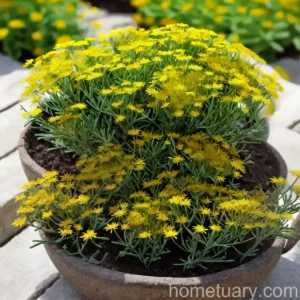
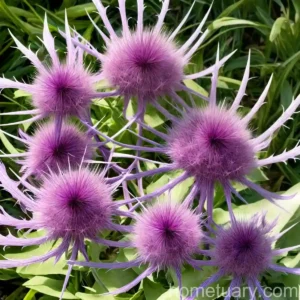
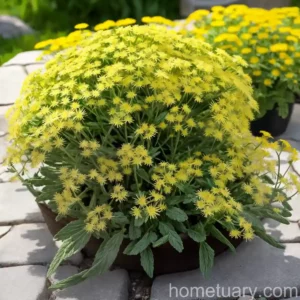
Tickseed, also known as Coreopsis ‘Pinwheel’, is a perennial plant admired for its daisy-like flowers that come in a variety of vibrant colors, including shades of yellow, peach, and pink. This beautiful plant is characterized by its slender stems, delicate foliage, and abundant blooms, making it a great addition to gardens, borders, and containers alike.
Key Takeaways – tickseed (Coreopsis ‘Pinwheel’)
Before diving into the details, here are the key takeaways about tickseed (Coreopsis ‘Pinwheel’) that will be covered in this comprehensive guide:
- Culture
- Uses
- Water
- Sunlight
- Fertilizer
- Soil
- Pruning
- Propagation
- Container Popularity
- Container Common Diseases
- Disease diagnosis
- Common pests
- Botanist’s tips
- Fun facts
- Links to External Resources
Culture
Uses
Tickseed (Coreopsis ‘Pinwheel’) has a range of uses, including:
- Ornamental purposes in gardens and landscapes.
- Attracts pollinators such as bees and butterflies, contributing to the biodiversity of the ecosystem.
- Suitable for cut flower arrangements, adding a splash of color to indoor spaces.
Water
- Tickseed (Coreopsis ‘Pinwheel’) prefers well-drained soil and does not tolerate waterlogged conditions.
- Watering should be done when the top inch of soil is dry, especially during hot and dry periods.
- Consistent moisture is essential for newly planted tickseed until it establishes a strong root system.
Sunlight
- Tickseed (Coreopsis ‘Pinwheel’) thrives in full sun to partial shade, with at least six hours of direct sunlight daily for optimal flowering.
- It is essential to provide adequate sunlight for the plants to develop strong, healthy stems and vibrant blooms.
Fertilizer
- Fertilize tickseed (Coreopsis ‘Pinwheel’) once a year in the spring with a balanced, slow-release fertilizer to support healthy growth and prolific flowering.
- A fertilizer with a higher phosphorus content can encourage blooming, while excessive nitrogen can lead to lush foliage but fewer blooms.
Soil
- Tickseed (Coreopsis ‘Pinwheel’) prefers well-drained, moderately fertile soil with a slightly acidic to neutral pH.
- Incorporating organic matter such as compost into the soil can improve its texture and fertility, benefiting the overall health of the plant.
Pruning
Pruning tickseed (Coreopsis ‘Pinwheel’) is a simple task that can help promote flowering and maintain a tidy appearance. Here are some pruning techniques for tickseed:
- Deadhead spent flowers regularly to encourage continuous blooming and prevent the plant from putting energy into seed production.
- Cut back the entire plant by about one-third in midsummer to encourage a second flush of blooms and prevent legginess.
- In the fall, trim the plant back to a few inches above the soil to tidy up its appearance and prepare it for the winter months.
Propagation
Division
- Tickseed (Coreopsis ‘Pinwheel’) can be propagated through division, which involves separating the plant’s rhizomes or root ball into smaller sections.
- Spring is an ideal time for division, allowing the new plants to establish themselves during the growing season.
- Divided segments should be planted at the same depth as the parent plant and watered thoroughly.
Seeds
- Propagating tickseed (Coreopsis ‘Pinwheel’) from seeds is another viable option, providing an opportunity to grow new plants that may exhibit unique characteristics.
- Sow seeds in spring or early summer, as they require warm soil to germinate and thrive.
- Lightly cover the seeds with soil, keep them consistently moist, and provide adequate sunlight for successful germination.
Container Popularity
Tickseed (Coreopsis ‘Pinwheel’) is well-suited for container gardening, offering a burst of color and charm to porches, patios, and balconies. When grown in containers, it is essential to consider the following factors:
- Choose a container with drainage holes to prevent waterlogging.
- Use a well-draining potting mix, and ensure the container has enough space to accommodate the plant’s root system.
- Position the container in an area that receives ample sunlight and provide regular watering to keep the soil evenly moist.
Container Common Diseases
When growing tickseed (Coreopsis ‘Pinwheel’) in containers, it is important to be mindful of potential diseases that may affect the plant. Common diseases that can occur in container-grown tickseed include:
- Root rot due to overwatering or poorly-draining soil.
- Powdery mildew, especially in humid conditions with poor air circulation.
- Crown rot caused by excessive moisture around the plant’s base.
- Spider mites and aphids may also affect tickseed when grown in containers.
Disease Diagnosis
Diagnosing diseases in tickseed (Coreopsis ‘Pinwheel’) is crucial for implementing effective treatment and management strategies. Here are some common symptoms and signs to watch for:
- Yellowing or browning of leaves and stems.
- Wilting or drooping foliage, despite adequate watering.
- Presence of powdery white or gray spots on the leaves, indicating powdery mildew.
- Soft, brown spots on the plant’s crown or base, signaling crown rot.
Common Pests
Aphids
Aphids are small, soft-bodied insects that can infest tickseed (Coreopsis ‘Pinwheel’), causing damage by sucking sap from the plant’s tender growth. Common species that may affect tickseed include green peach aphids and melon aphids. Here are some tips for controlling aphids:
- Use a strong stream of water to dislodge and remove aphids from the plant.
- Introduce natural predators such as ladybugs, lacewings, or parasitic wasps to keep aphid populations in check.
- Consider using insecticidal soap or neem oil as a natural and gentle remedy for aphid infestations.
Spider Mites
Spider mites are tiny arachnids that can infest tickseed (Coreopsis ‘Pinwheel’) and cause discoloration and stippling on the leaves. These pests thrive in dry and dusty conditions, making them a potential threat during hot and dry periods. Here are some methods to control spider mites:
- Increase humidity around the plant by misting the foliage regularly to create an unfavorable environment for spider mites.
- Use a fine stream of water to wash the undersides of the leaves, removing spider mites and their eggs.
- Consider applying horticultural oil to suffocate spider mites and disrupt their life cycle.
Slugs and Snails
Slugs and snails can feed on the tender foliage of tickseed (Coreopsis ‘Pinwheel’), leaving behind irregular holes and damage. These pests are particularly active during damp and cool weather. To manage slugs and snails:
- Handpick them from the plants in the early morning or evening when they are most active.
- Use barriers such as copper tape or diatomaceous earth around the base of the plants to prevent these pests from reaching the foliage.
- Set up beer traps to attract and drown slugs and snails, reducing their population in the garden.
Botanist’s Tips
To ensure the successful cultivation of tickseed (Coreopsis ‘Pinwheel’) and showcase its beauty, consider the following tips from experienced botanists and gardeners:
- Select a site with well-drained soil and ample sunlight for planting to promote robust growth and abundant flowering.
- Use a balanced fertilizer to provide essential nutrients without promoting excessive leafy growth at the expense of flowering.
- Regularly monitor the plant for signs of pests and diseases, addressing any issues promptly to maintain its health and vigor.
Fun Facts
Tickseed (Coreopsis ‘Pinwheel’) possesses several intriguing characteristics that make it an enchanting addition to any garden. Here are some fun facts about this delightful plant:
- The flowers of tickseed (Coreopsis ‘Pinwheel’) are often adorned with a prominent, contrasting center, adding to their appeal.
- Some varieties of tickseed exhibit a delightful fragrance, attracting not only pollinators but also humans with their sweet scent.
- Tickseed can be used as a ground cover in larger landscape settings, creating a carpet of colorful blooms that enlivens the area.
Links to External Resources
For further information on tickseed (Coreopsis ‘Pinwheel’), plant care, cultivation tips, and more, consider exploring the following resources:
- Tickseed Plant Varieties
- Coreopsis ‘Pinwheel’ Care Tips
- Growing Coreopsis ‘Pinwheel’
- Tickseed Plant Characteristics
- Coreopsis ‘Pinwheel’ Planting Guide
- Tickseed Flower Colors
- Coreopsis ‘Pinwheel’ Maintenance Advice
- Tickseed Perennial Varieties
- Coreopsis ‘Pinwheel’ Watering Requirements
- Tickseed Plant Diseases
- Coreopsis ‘Pinwheel’ Sunlight Needs
- Tickseed Plant Propagation Methods
- Coreopsis ‘Pinwheel’ Pruning Techniques
- Tickseed Plant Pests Control
- Coreopsis ‘Pinwheel’ Soil Preferences
- Tickseed Plant Companion Planting Ideas
- Coreopsis ‘Pinwheel’ Container Gardening
- Tickseed Plant Landscaping Ideas
- Coreopsis ‘Pinwheel’ Winter Care
- Tickseed Plant Blooming Period
- Coreopsis ‘Pinwheel’ Pollinator-Friendly Plant
- Tickseed Plant Growth Habits
- Coreopsis ‘Pinwheel’ Fragrance Description
- Tickseed Plant Medicinal Uses
- Coreopsis ‘Pinwheel’ Wildlife Attraction
- Tickseed Plant Drought Tolerance
- Coreopsis ‘Pinwheel’ Flower Arranging
- Tickseed Plant Native Habitat
- Coreopsis ‘Pinwheel’ Flower Symbolism
- Tickseed Plant Companion Flowers
- Coreopsis ‘Pinwheel’ Unique Characteristics
- Tickseed Plant Garden Design
- Coreopsis ‘Pinwheel’ Visual Appeal
- Tickseed Plant Pruning Frequency
- Coreopsis ‘Pinwheel’ Heat and Humidity Tolerance
- Tickseed Plant Fall Care Tips
- Coreopsis ‘Pinwheel’ Landscape Maintenance
- Tickseed Plant Groundcover Options
- Coreopsis ‘Pinwheel’ Cutting Propagation
- Tickseed Plant Container Varieties
- Coreopsis ‘Pinwheel’ Flower Arrangement Ideas
- Tickseed Plant Border Plantings
- Coreopsis ‘Pinwheel’ Regional Adaptability
- Ideal Growing Conditions for Tickseed Plants
- Coreopsis ‘Pinwheel’ Garden Focal Point
- Tickseed Plant Naturalizing Techniques
- Coreopsis ‘Pinwheel’ Garden Edging Ideas
- Tickseed Plant Seasonal Interest
- Coreopsis ‘Pinwheel’ Pest-Resistant Properties
- Tickseed Plant Companion Plants for Shade
In conclusion, tickseed (Coreopsis ‘Pinwheel’) stands as a versatile and captivating plant that can be enjoyed for its remarkable beauty and ease of care. Whether used in garden beds, containers, or as cut flowers, the vibrant blooms and attractive foliage of tickseed make it a valued addition to diverse landscapes. By integrating the information and insights provided in this guide, you can cultivate healthy and thriving tickseed (Coreopsis ‘Pinwheel’) plants, elevating the visual appeal and ecological vitality of your outdoor spaces.