Thicket Gasteria (Gasteria Excelsa)
Thicket Gasteria, scientifically known as Gasteria excelsa, is a charismatic and resilient succulent plant belonging to the Asphodelaceae family. Endemic.
What is Thicket Gasteria?
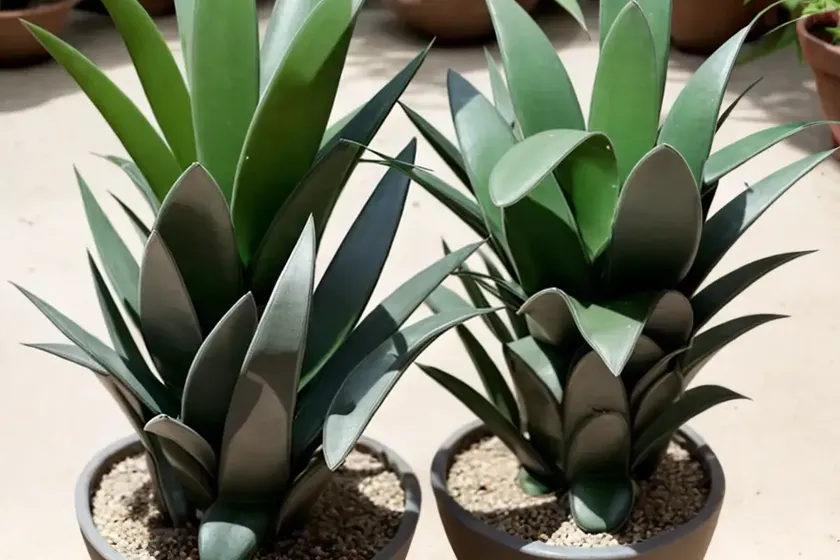
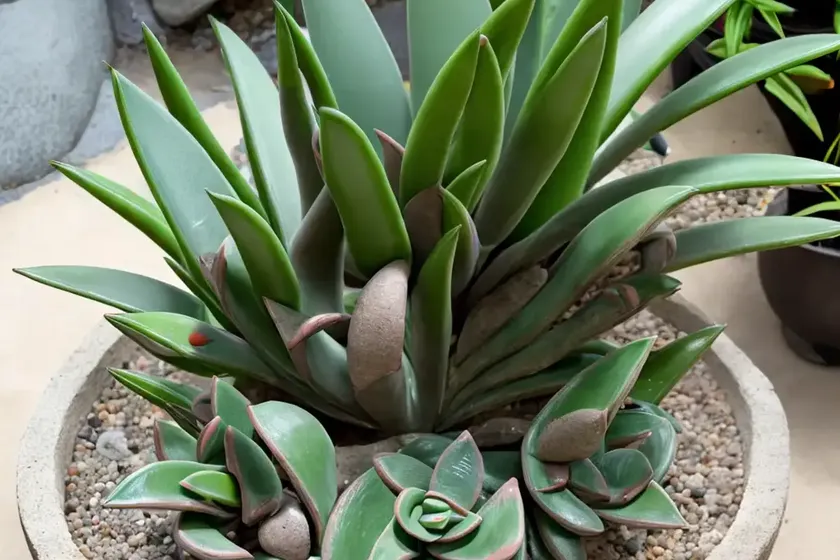
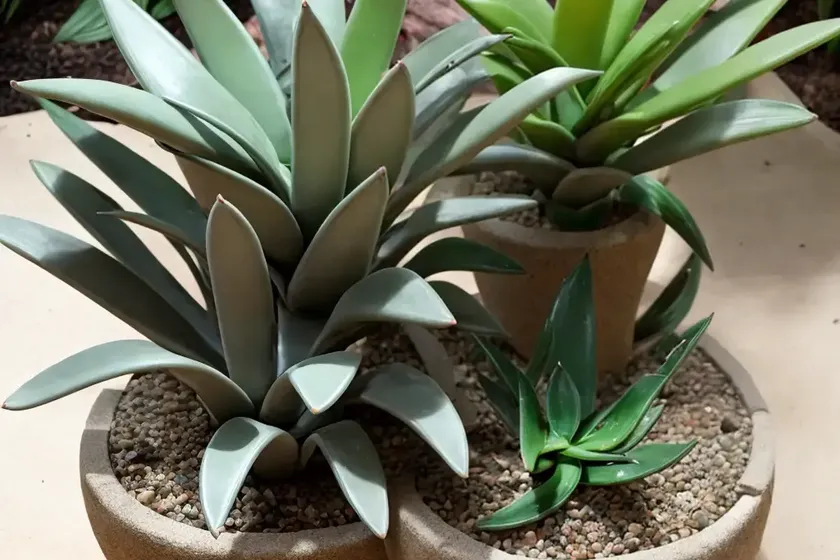
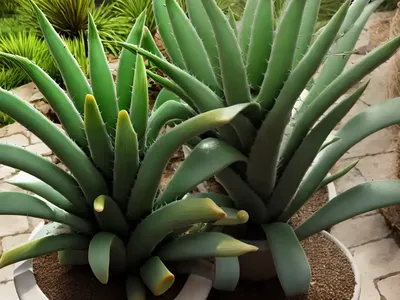
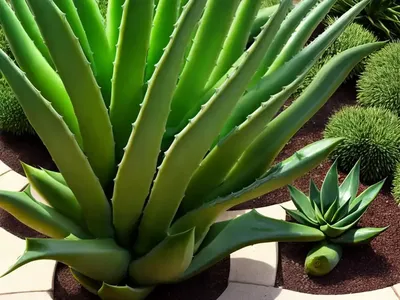
Thicket Gasteria, scientifically known as Gasteria excelsa, is a charismatic and resilient succulent plant belonging to the Asphodelaceae family. Endemic to the Eastern Cape of South Africa, this species thrives in arid and rocky landscapes, showcasing remarkable adaptations to survive in challenging environments. With its fleshy, green leaves adorned with exquisite patterns and its effortless ability to flourish in diverse conditions, Thicket Gasteria has enthralled plant enthusiasts and horticulturists worldwide.
Plant Classification and Characteristics
- Kingdom: Plantae
- Order: Asparagales
- Family: Asphodelaceae
- Genus: Gasteria
- Species: Gasteria excelsa
- Common Names: Thicket Gasteria, Eastern Cape Gasteria, and Excelsa Gasteria
Image source: Wikimedia Commons
Key Takeaways – Thicket Gasteria (Gasteria excelsa)
Before delving into the finer details of caring for Thicket Gasteria, let’s overview the key takeaways about this charming succulent.
Culture
- Lifespan: Long-lived, may reach several decades with proper care
- Growth Habit: Slow-growing, forms rosettes of fleshy leaves
- Special Features: Striking leaf patterns, drought resistance
Uses
- Indoor Plant: Ideal for succulent gardens, windowsills, and indoor spaces
- Outdoor Plant: Suitable for rock gardens, containers, and drought-tolerant landscapes
- Aesthetic Appeal: Displays gorgeous foliage and makes for an engaging conversation piece
Water
- Watering Needs: Low to moderate water requirements
- Drought Tolerance: Resilient to dry conditions, but not suited for prolonged water deprivation
- Overwatering Risk: Susceptible to root rot if soil remains excessively moist
Sunlight
- Light Requirements: Thrives in bright, indirect light or partial sun
- Sun Tolerance: Can tolerate brief periods of direct sunlight
- Shade Sensitivity: Avoids dense shade, may lead to leggy growth
Fertilizer
- Feeding Frequency: Minimal feeding needs, typically during the growing season
- Fertilizer Type: Balanced, low-nitrogen fertilizer suitable for succulents
- Fertilizer Application: Diluted, applied sparingly to avoid salt buildup
Soil
- Preferred Medium: Well-draining succulent or cactus mix
- Soil pH: Slightly acidic to slightly alkaline (pH 6.0-7.5)
- Aeration: Benefits from gritty amendments for enhanced drainage
Pruning
- Maintenance Pruning: Minimal pruning required, primarily for aesthetic shaping
- Leaf Removal: Retains lower leaves, shed naturally as plant matures
- Flower Stalk Trimming: Removal after flowering to maintain neat appearance
Propagation
- Propagation Methods: Leaf cuttings, offsets, and occasionally, seeds
- Propagation Success: High success rate with proper conditions and techniques
- Propagation Timeline: Best performed during the active growing season
Container Popularity
- Container Growth: Thrives in shallow, wide pots
- Container Material: Porous terracotta or ceramic containers preferred
- Drainage: Vital for preventing waterlogged conditions
Common Diseases
- Potential Diseases: Susceptibility to root rot and fungal infections
- Preventive Measures: Well-draining soil and balanced watering practices
- Treatment Options: Isolation, adjusting watering frequency, and fungicidal treatments
Common Pests
- Pest Risks: Occasionally affected by mealybugs and aphids
- Early Detection: Regular inspections for signs of infestation
- Control Measures: Manual removal, natural predators, and horticultural oils
Botanist’s Tips
- Gasteria excelsa thrives in conditions resembling its native Eastern Cape habitat – well-draining, rocky, and occasionally challenging environments.
- Regularly monitor watering frequency, ensuring that the soil dries between waterings to prevent waterlogging.
- During the active growing season, consider providing a balanced succulent fertilizer at a dilute strength to support healthy growth.
- Inspect the plant regularly for signs of pests or diseases, addressing any issues promptly to maintain its vigor and vitality.
Fun Facts
- The specific epithet “excelsa” emphasizes the impressive nature of this Gasteria species, directly translating to “tall” or “lofty”.
- Thicket Gasteria is renowned for its engaging leaf patterns, often adorning each rosette with distinctive and visually appealing markings.
- In its natural habitat, Gasteria excelsa demonstrates remarkable resilience, thriving in the challenging conditions of the Eastern Cape.
Links to External Resources
For more in-depth information and resources about Thicket Gasteria, explore the following links:
- Royal Horticultural Society – Gasteria
- The World of Succulents – Gasteria excelsa
- Gardeners’ World – Gasteria Care Guide
- Society for Growing Australian Plants – Gasteria excelsa
Conclusion
Thicket Gasteria (Gasteria excelsa) stands as an exemplary representation of the captivating and adaptable nature of succulent plants. Its charming aesthetic, low-maintenance requirements, and intriguing natural history collectively contribute to its allure as a sought-after addition to plant collections worldwide. By understanding and implementing the key care guidelines and tips for this species, enthusiasts can foster flourishing Thicket Gasteria specimens in both indoor and outdoor settings, perpetuating the appreciation for this exceptional succulent within the realm of horticulture.
The information provided in this guide serves as a comprehensive resource for understanding and caring for Thicket Gasteria (Gasteria excelsa). By incorporating the recommended practices and insights, plant enthusiasts can ensure the optimal health and vitality of their Gasteria excelsa specimens, fostering their growth and longevity.
.jpg)