Texas Live Oak (Quercus Fusiformis)
Texas live oak (Quercus fusiformis) is a remarkable tree that is native to North America, specifically in the southern United States. This species is known.
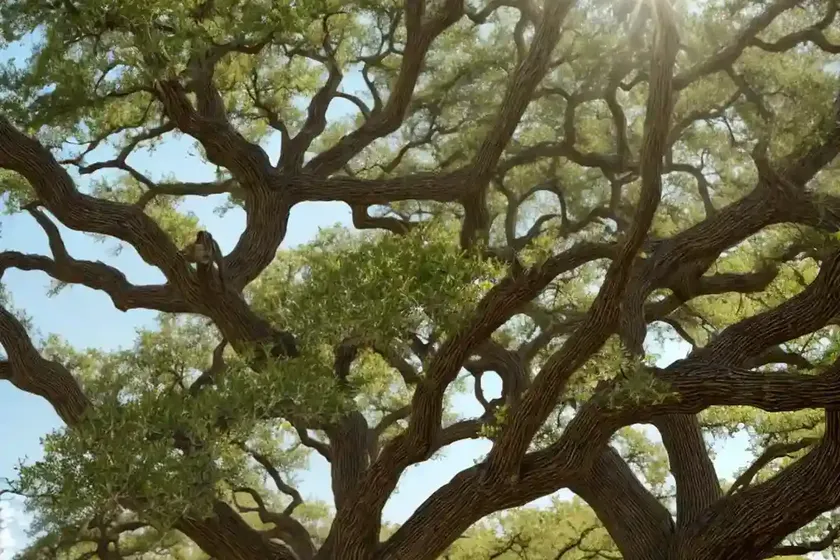
Texas live oak (Quercus fusiformis) is a remarkable tree that is native to North America, specifically in the southern United States. This species is known for its resilience and adaptability, making it a popular choice for landscapes and natural habitats. In this comprehensive guide, we will explore the key characteristics of the Texas live oak, its cultural significance, uses, care requirements, potential challenges, and interesting facts. Whether you are an avid gardener, a landscape designer, or simply an admirer of the natural world, this guide will provide extensive insights into the Texas live oak and equip you with the knowledge needed to appreciate, cultivate, and support the thriving of this magnificent tree.
What is the Texas Live Oak (Quercus fusiformis)?
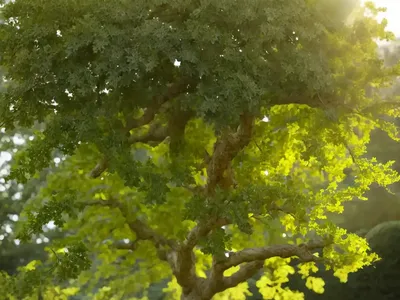
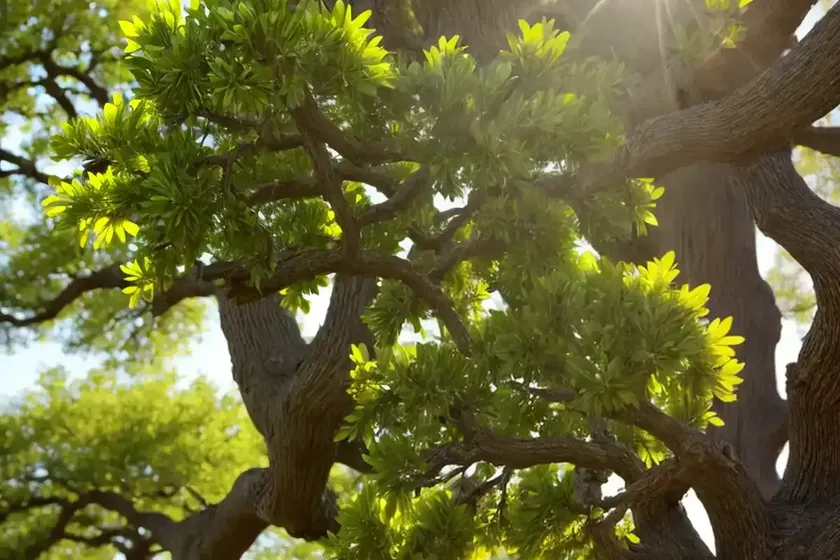
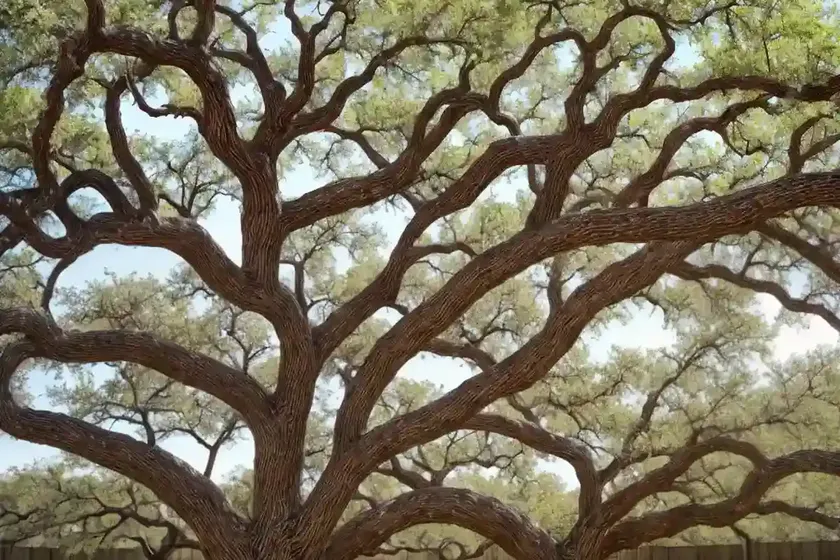
The Texas live oak, scientifically known as Quercus fusiformis, is a species of oak tree that belongs to the family Fagaceae. This evergreen tree is renowned for its iconic appearance with its broad, rounded crown and glossy, dark green foliage. Texas live oaks are highly valued for their beauty and ecological importance, as they provide shelter and sustenance for various wildlife species and contribute to the overall biodiversity of their natural habitats.
Key Takeaways – Texas Live Oak (Quercus fusiformis)
Before delving deeper into the various aspects of the Texas live oak, let’s outline the key takeaways that will be covered in this guide:
- Plant Name: Texas Live Oak (Quercus fusiformis)
- Common Names: Escarpment Oak, Plateau Live Oak, Scrub Live Oak
- Family: Fagaceae
- Growth Habits: Evergreen, Broad and Rounded Crown
- Native Habitat: Southern United States, Particularly Texas
- Uses: Landscaping, Wildlife Habitat, Shade Tree
- Water Needs: Drought Tolerant Once Established
- Sunlight Requirements: Full Sun to Partial Shade
- Soil Requirements: Well-Drained, Tolerant of Various Soil Types
- Pruning: Minimal Pruning Required, Best Done in Late Winter
- Propagation: From Seeds or Cuttings
- Container Popularity: Suitable for Large Containers
- Common Diseases: Oak Wilt, Anthracnose
- Common Pests: Gypsy Moth, Oak Twig Girdler
- Fun Facts: Unique Leaf Characteristics, Long Lifespan
Now that we have a snapshot of the key aspects of the Texas live oak, let’s explore each of these elements in detail.
Culture
The cultural significance of the Texas live oak extends beyond its ecological role to encompass its historical, social, and symbolic importance. This section will shed light on how the Texas live oak is embedded in the culture and heritage of the regions where it thrives.
Historical and Symbolic Significance
Texas live oaks have long been revered for their strength, longevity, and resilience. In Texas and the surrounding regions, these trees are deeply rooted in the local history and folklore. They have been witness to significant events and have served as natural landmarks for generations. The strength and enduring nature of the Texas live oak have led to its symbolic representation of fortitude, stability, and continuity.
In various cultural narratives and traditions, the Texas live oak is often portrayed as a symbol of endurance and perseverance. Its ability to withstand environmental challenges and thrive in adverse conditions has made it an emblem of strength and tenacity in the face of adversity.
Landscape Design and Urban Planning
In modern landscape design and urban planning, the Texas live oak holds a prominent position as a favored choice for adding natural beauty and ecological value to outdoor spaces. Its striking appearance, including its distinctive form and lustrous foliage, makes it an appealing selection for parks, residential landscapes, and commercial developments.
Furthermore, the Texas live oak’s ability to provide ample shade and withstand urban stressors such as pollution and compacted soil makes it a desirable candidate for enhancing the quality of urban environments. Its contributions to urban heat island mitigation and air purification further underscore its importance in contemporary landscape design and sustainable urban development.
Uses
The Texas live oak serves a multitude of practical and ecological purposes, ranging from its role as a shade-providing tree to its significance in wildlife conservation. This section will delve into the diverse uses of the Texas live oak and its contributions to various aspects of human and environmental well-being.
Landscaping
One of the primary uses of the Texas live oak is in landscaping, where it is valued for its ornamental appeal, adaptability, and low-maintenance qualities. Whether planted as a specimen tree, used for creating shaded areas, or incorporated into larger landscape designs, the Texas live oak adds visual interest and natural charm to outdoor spaces.
In landscaping projects, the broad canopy of the Texas live oak can create a sense of grandeur, particularly when used to frame views, define outdoor living spaces, or provide a backdrop for other plantings. Its ability to thrive in diverse soil types and climatic conditions makes it a versatile choice for both residential and commercial landscaping applications.
Wildlife Habitat
The Texas live oak plays a crucial role in providing habitat and sustenance for a variety of wildlife species. Its dense foliage, sturdy branches, and abundant acorn production offer shelter and foraging opportunities for birds, mammals, and insects. The presence of Texas live oaks in natural and cultivated landscapes contributes to the overall biodiversity and ecological balance of the areas they inhabit.
By supporting diverse wildlife populations, Texas live oaks contribute to the functioning of healthy ecosystems and help maintain the natural interactions and dynamics within ecological communities. This underscores the ecological significance of Texas live oaks as pivotal components of thriving and resilient landscapes.
Shade Tree
Given its expansive crown and dense foliage, the Texas live oak is an excellent choice for providing shade in outdoor environments. Whether used for shading patios, outdoor seating areas, playgrounds, or walkways, Texas live oaks offer relief from the sun’s intensity while adding a touch of natural elegance to the surroundings.
The cooling effect of the shade provided by Texas live oaks can contribute to enhanced outdoor comfort, reduced energy consumption for cooling buildings, and the creation of conducive environments for outdoor activities and leisure. As such, the Texas live oak’s role as a shade tree aligns with the principles of sustainable and human-centric urban and landscape design.
Water
Understanding the water needs of the Texas live oak is essential for fostering its healthy growth and well-being, especially in regions characterized by diverse precipitation patterns and water availability. This section will provide insights into the water requirements of Texas live oaks and recommended practices for watering and irrigation.
Water Needs
Established Trees: Once Texas live oaks are established, they exhibit high tolerance to drought conditions and are capable of thriving with minimal supplemental irrigation. This resilience to drought is attributed to their deep root systems, which enable them to access water from lower soil layers and withstand periods of limited rainfall.
Young Trees: During the initial establishment phase, young Texas live oaks benefit from regular watering to support root development and overall growth. Adequate moisture during this critical stage contributes to the tree’s ability to establish a strong root system, which is essential for its long-term resilience and vitality.
Soil Moisture: While Texas live oaks are tolerant of drought, it is important to monitor soil moisture levels, particularly during prolonged dry periods. When watering is necessary, it is advisable to provide deep, infrequent irrigation to encourage the development of deep roots and reduce the tree’s dependence on frequent watering.
Irrigation Practices
Natural Precipitation: Texas live oaks can largely rely on natural precipitation once they are established, making them well-suited for regions with irregular rainfall patterns. However, during extended dry spells, supplemental watering can help maintain the tree’s vigor and minimize stress.
Watering Frequency: When supplementing natural rainfall, it is recommended to water Texas live oaks deeply and less frequently rather than providing frequent shallow irrigation. This practice encourages the roots to grow deeper in search of moisture, promoting a more resilient and sustainable water uptake pattern.
Mulching: Applying a layer of organic mulch around the base of Texas live oaks helps conserve soil moisture, regulate soil temperature, and reduce water loss through evaporation. Mulching is a beneficial practice for enhancing the tree’s overall water efficiency and promoting a healthy root environment.
Sunlight
The sunlight requirements of the Texas live oak play a pivotal role in determining its growth and overall vitality. Understanding the tree’s preferences for sunlight exposure is essential for selecting suitable planting locations and ensuring its successful establishment and long-term sustainability.
Sun Exposure
Full Sun: Texas live oaks thrive in full sun conditions, where they receive direct sunlight for a significant portion of the day. Full sun exposure is conducive to robust growth, optimal foliage development, and the tree’s ability to fulfill its ecological functions within the landscape.
Partial Shade: While Texas live oaks prefer full sun, they are also tolerant of partial shade, where they receive filtered sunlight or shade during certain parts of the day. In environments with moderate shade, Texas live oaks can adapt and continue to exhibit healthy growth and foliage density.
Sunlight Intensity: When selecting planting sites for Texas live oaks, it is important to consider the intensity and duration of sunlight exposure throughout the day. Factors such as seasonal changes in sun angle and the presence of nearby structures or vegetation can influence the tree’s actual sun exposure levels.
Planting Considerations
Site Selection: When planting Texas live oaks, prioritize locations that receive ample sunlight, especially if the goal is to maximize the tree’s growth potential and aesthetic appeal. Open, unobstructed areas that allow for unrestricted sun exposure are ideal for promoting the tree’s vigor and longevity.
Shade Tolerance: While Texas live oaks are adaptable to partial shade, it is advisable to avoid planting them in consistently shady or heavily shaded areas, as prolonged low light conditions can compromise the tree’s overall health and diminish its ornamental and ecological value.
Microclimatic Factors: Assess the microclimatic conditions of potential planting sites, considering factors such as sun angles, shade patterns, and the presence of reflective surfaces that may influence the tree’s actual sun exposure and thermal conditions.
Fertilizer
Proper fertilization practices are integral to promoting the health and vigor of Texas live oaks, supporting their growth, and enhancing their ornamental and ecological value within diverse landscapes. This section will delve into the recommended fertilizer application techniques and considerations for Texas live oak care.
Nutrient Requirements
Macronutrients: Texas live oaks have relatively modest nutrient requirements and can thrive in nutrient-poor soils, particularly once they are established. Excessive fertilization, particularly with high-nitrogen formulations, can lead to imbalanced growth and potential susceptibility to pests and diseases.
Micronutrients: In certain soil conditions, especially alkaline or highly compacted soils, the availability of micronutrients such as iron and manganese may be limited. Addressing potential micronutrient deficiencies through soil amendments or targeted fertilization can help optimize the tree’s overall nutrient uptake and utilization.
Soil Testing: Conducting soil tests to assess the existing nutrient levels and soil pH can provide valuable insights for developing a tailored fertilization strategy that addresses the specific needs of Texas live oaks without overloading the soil with unnecessary nutrients.
Fertilizer Application
Timing: Fertilization of Texas live oaks is typically best done in early spring, prior to the onset of the tree’s active growth period. Applying fertilizer at this time allows the tree to efficiently utilize the nutrients as it undergoes new foliage and root development.
Slow-Release Formulations: Opt for slow-release fertilizers that provide a gradual and consistent nutrient supply over an extended period. These formulations help prevent nutrient leaching and minimize the risk of excessive nutrient accumulation in the soil, promoting a more balanced and sustainable nutrient uptake by the tree.
Organic Amendments: Incorporating organic matter such as compost or well-decomposed manure into the soil in the vicinity of Texas live oaks can supplement soil fertility and contribute to a gradual release of nutrients, enhancing the long-term health and resilience of the trees.
Soil
The soil requirements for Texas live oaks play a crucial role in determining their ability to establish and thrive in diverse landscape settings. Understanding the preferred soil characteristics and the potential soil-related challenges associated with Texas live oaks is paramount for ensuring their successful cultivation and long-term sustainability.
Preferred Soil Type
Well-Drained Soil: Texas live oaks favor well-drained soils that allow excess water to percolate freely, preventing waterlogged conditions that can compromise root health and predispose the tree to various stressors, including root diseases.
Soil Texture: While Texas live oaks can adapt to various soil textures, including sandy, loamy, and clayey soils, they generally perform best in soils with a balanced texture that promotes adequate aeration, water retention, and root penetration. Amending excessively compacted or poorly drained soils can enhance the soil structure and improve growing conditions for Texas live oaks.
Soil pH: Texas live oaks exhibit tolerance to a relatively wide range of soil pH levels, from slightly acidic to slightly alkaline. They are adaptable to soils with pH values ranging from approximately 6.0 to 8.0, making them suitable for cultivation in diverse soil conditions.
Soil Quality Assessment
Soil Drainage: Assess the natural drainage patterns and characteristics of the soil in potential planting sites to identify areas with favorable drainage for Texas live oaks. Poorly drained or waterlogged soils should be addressed through soil amendments or improved site selection.
Compaction: Evaluate soil compaction levels to identify areas that may hinder root development and water infiltration. Implement soil aeration and amelioration techniques to alleviate compaction and enhance the soil structure around Texas live oaks.
Soil Testing: Conduct comprehensive soil tests to assess key soil characteristics, including texture, drainage, nutrient levels, and pH. Use the results to inform soil improvement measures and develop a tailored soil management plan that addresses the specific needs of Texas live oaks.
Pruning
Proper pruning is essential for maintaining the health, structural integrity, and aesthetic appeal of Texas live oaks. This section will provide guidelines for implementing effective pruning techniques and considerations for promoting the optimal growth and longevity of these iconic trees.
Pruning Objectives
Structural Development: Pruning young Texas live oaks focuses on shaping their form, promoting balanced branching, and establishing a strong and resilient structure that supports long-term stability and aesthetics.
Disease Management: Removing dead, diseased, or damaged branches helps mitigate the spread of pathogens and contributes to the overall health and vigor of Texas live oaks. Pruning also creates opportunities for improved air circulation and light penetration within the tree’s canopy.
Aesthetic Enhancement: Selective pruning can enhance the natural beauty and silhouette of Texas live oaks, accentuating their unique characteristics and ensuring their harmonious integration into the surrounding landscape.
Pruning Practices
Timing: The best time to prune Texas live oaks is during late winter or early spring, prior to the onset of new growth. Pruning during this period minimizes stress on the tree, reduces the risk of pest and disease infestation, and allows the wounds to heal rapidly.
Pruning Techniques: Employ proper pruning cuts that promote rapid healing and minimize the potential for bark damage and disease entry. Avoid topping or excessive crown reduction, as these practices can compromise the tree’s overall health and aesthetics.
Professional Expertise: For complex or large-scale pruning tasks, engaging the expertise of certified arborists or tree care professionals is advisable to ensure proper pruning practices and adherence to industry standards for tree care and management.
Propagation
The propagation of Texas live oaks involves the cultivation of new trees from seeds or cuttings, allowing for the expansion of their presence in diverse landscapes and the conservation of their genetic diversity. Understanding the techniques and considerations for propagating Texas live oaks is instrumental in supporting their continued cultivation and ecological contributions.
Seed Propagation
Seed Collection: Harvest mature acorns from healthy and well-established Texas live oak trees, selecting acorns that are free from damage and disease. Ripe acorns generally fall to the ground in the late summer or early fall.
Seed Preparation: Prior to sowing, perform a float test to identify viable acorns, as viable seeds sink in water while non-viable seeds float. Discard non-viable acorns and proceed with the viable ones for propagation.
Sowing and Germination: Plant the viable acorns in well-drained, fertile soil and maintain consistent moisture levels to facilitate germination. Germination typically occurs within a few weeks to several months, depending on environmental conditions.
Cutting Propagation
Cutting Selection: Collect semi-hardwood cuttings from healthy, disease-free Texas live oak trees during the active growth period, typically in mid-summer to early fall. Choose cuttings with adequate foliage and a robust, healthy appearance.
Rooting Medium: Prepare a suitable rooting medium, such as a well-drained mix of perlite and peat, for propagating the cuttings. Dip the base of the cuttings in a rooting hormone to enhance the initiation of root development.
Rooting Conditions: Provide optimal environmental conditions for rooting, including adequate moisture, high humidity, and indirect light. Maintain consistent moisture levels in the rooting medium to support the establishment of new roots.
Container Popularity
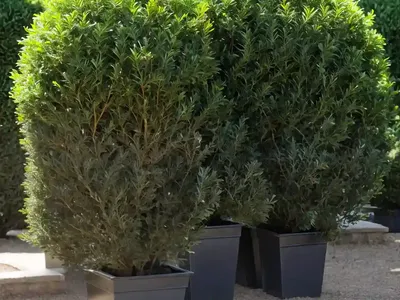
Texas live oaks are increasingly favored for cultivation in containers, offering flexibility in landscaping and urban greening initiatives. The adaptability of Texas live oaks to container growth presents unique opportunities for incorporating these iconic trees into diverse environmental and design contexts.
Container Considerations
Size and Structure: Select spacious and sturdy containers for growing Texas live oaks, ensuring adequate room for root development and stability. Consider containers with sufficient drainage holes to prevent waterlogging and promote proper aeration.
Growing Medium: Utilize a well-drained, nutrient-rich growing medium that supports healthy root growth and moisture retention. Incorporate organic matter and controlled-release fertilizers to sustain the long-term health and vigor of Texas live oaks in containers.
Container Gardening: Integrate container-grown Texas live oaks into outdoor living spaces, patios, and urban greening initiatives to offer shade, visual interest, and ecological benefits. Implement container gardening practices to maintain the health and aesthetics of Texas live oaks in confined growing environments.
Common Diseases
Despite their resilience, Texas live oaks are susceptible to certain diseases that can impact their health and vitality. Recognizing the signs and symptoms of common diseases allows for proactive management and targeted interventions to preserve the well-being of these iconic trees.
Oak Wilt (Ceratocystis fagacearum)
Characteristics: Oak wilt is a vascular disease caused by the fungus Ceratocystis fagacearum, which disrupts the transport of water and nutrients within the tree, leading to wilting, leaf discoloration, and eventual decline.
Preventive Measures: Implement preventive measures such as avoiding pruning during the active transmission period and ensuring proper sanitation of pruning tools to minimize the risk of disease spread.
Management: If oak wilt is suspected, consult with certified arborists to develop a comprehensive management plan that may include fungicidal treatments, root collar excavation, and strategic tree removal and replanting.
Anthracnose (Discula quercina)
Characteristics: Anthracnose is a fungal disease that manifests as leaf spots, blotches, and defoliation, particularly during periods of high humidity and moisture.
Cultural Practices: Implement cultural practices such as regular sanitation of fallen leaves and debris, promoting adequate air circulation, and applying preventive fungicidal treatments to minimize the impact of anthracnose on Texas live oaks.
Pruning Considerations: Prune affected branches