Telegraph Plant (Codariocalyx Motorius)
Plants have always held a special place in the lives of humans. With their diverse shapes, sizes, and colors, they not only provide aesthetic pleasure but.
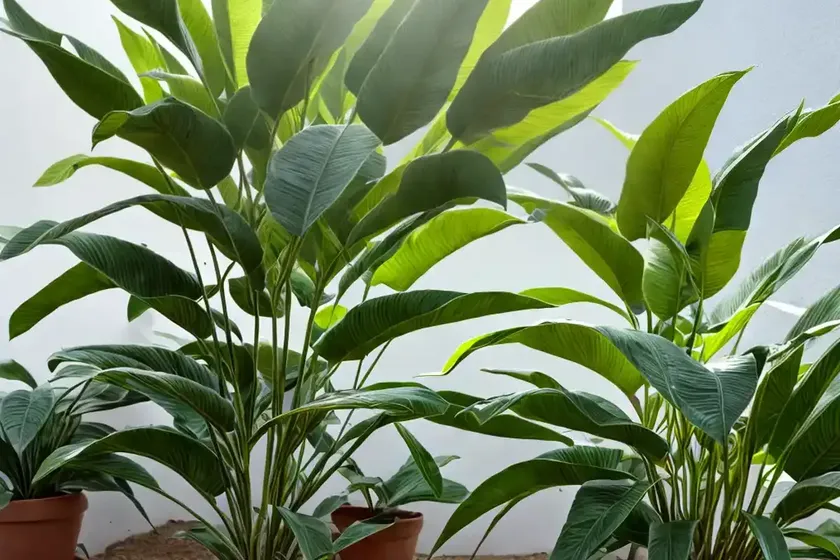
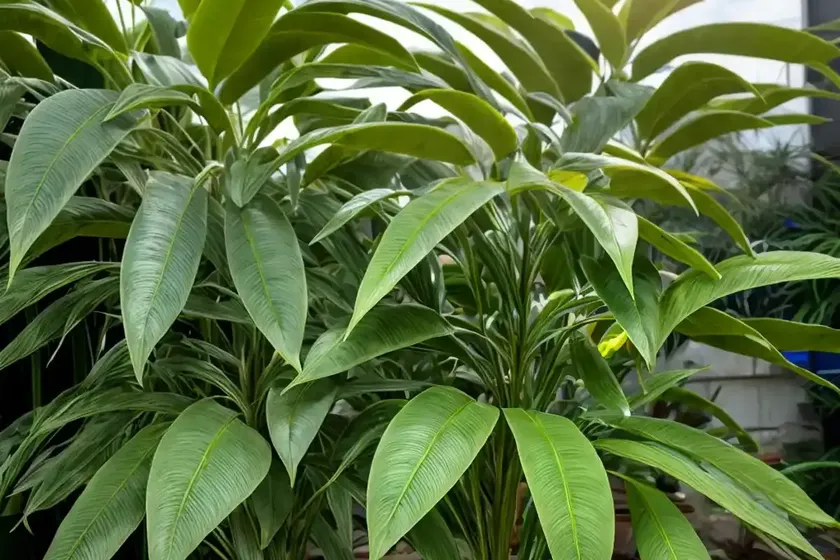
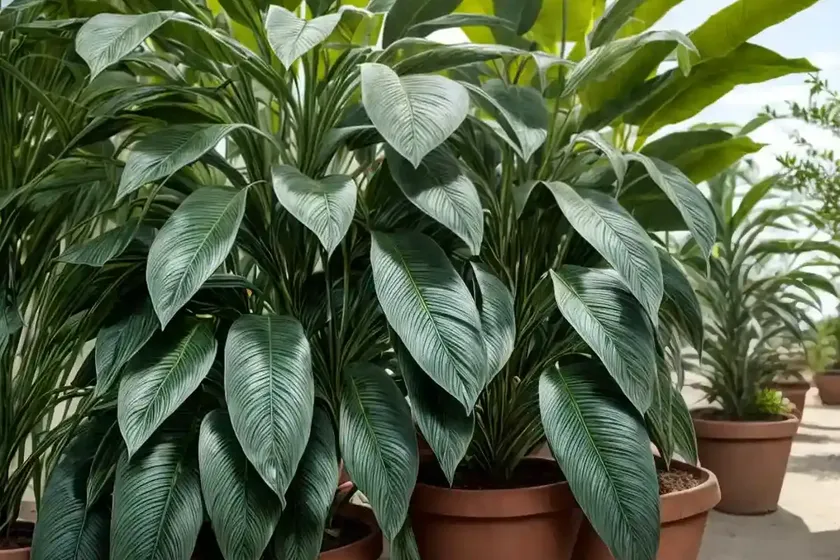
Plants have always held a special place in the lives of humans. With their diverse shapes, sizes, and colors, they not only provide aesthetic pleasure but also play a vital role in the ecological balance of our planet. Today, we delve into the fascinating world of the Telegraph plant, scientifically known as Codariocalyx motorius. We explore its cultural significance, care requirements, medicinal uses, and much more. Whether you are a seasoned gardener or new to the world of plants, this comprehensive guide will equip you with all the information you need to cultivate and nurture this intriguing botanical specimen.
What is Plant: Telegraph Plant (Codariocalyx motorius)
The Telegraph plant, or Codariocalyx motorius, is a unique and intriguing member of the legume family, Fabaceae. It is also commonly referred to as the dancing plant, semaphore plant, or telegraph plant due to the distinct movements of its leaflets. Originating from the tropical regions of Southeast Asia, including India and Myanmar, this plant exhibits remarkable foliage behavior, making it a captivating addition to any indoor or outdoor garden.
Key Takeaways – Telegraph Plant (Codariocalyx motorius)
Before delving deeper into the cultivation and care of the Telegraph plant, let’s take a quick look at the key points that we will cover in this comprehensive guide:
Cultural Significance:
– Historical and cultural references
– Symbolism and traditional uses
Uses:
– Medicinal properties
– Aesthetic and decorative uses
Care Requirements:
– Watering needs
– Sunlight requirements
– Soil and fertilizer requirements
– Pruning techniques
Propagation:
– Methods of propagation
– Tips for successful propagation
Container Gardening:
– Suitability for container gardening
– Tips for growing in containers
Popularity:
– Global popularity and demand
– Reasons for its widespread cultivation
Common Diseases and Pests:
– Identification of diseases
– Effective pest control measures
Botanist’s Tips:
– Expert tips and recommendations
– Common mistakes to avoid
Fun Facts:
– Intriguing and lesser-known facts about the Telegraph plant
Culture
Historical and Cultural Significance
The Telegraph plant has a rich cultural history, particularly in the regions where it is indigenous. In Southeast Asia, it has been a part of traditional herbal medicine, with various parts of the plant being used for their medicinal properties. The unique leaf movement of the plant also led to its inclusion in folklore and traditional stories, where it was associated with magical or mystical properties.
Symbolism and Traditional Uses
In some cultures, the Telegraph plant is considered a symbol of resilience and adaptability due to its ability to thrive in various environmental conditions. The distinctive movement of its leaflets has inspired stories and myths, with some cultures attributing the plant with qualities of agility and grace. Its use in traditional medicine further emphasizes its importance in various cultural practices.
Uses
Medicinal Properties
The Telegraph plant has been traditionally used for its medicinal properties. Various parts of the plant, including the leaves and roots, have been employed in traditional herbal medicine to treat a range of ailments. The plant is believed to possess anti-inflammatory, anti-bacterial, and analgesic properties, making it a valuable asset in traditional healing practices.
Aesthetic and Decorative Uses
Apart from its medicinal uses, the Telegraph plant is highly valued for its aesthetic appeal. The unique leaf movement of the plant adds an element of intrigue and fascination to indoor and outdoor landscapes. Its graceful foliage and delicate leaflets make it a popular choice for botanical enthusiasts and those with a penchant for unique and visually captivating plants.
Water
Watering Needs
The Telegraph plant has moderate watering needs and thrives in consistently moist but well-draining soil. It is essential to water the plant regularly, especially during the growing season, to ensure that the soil remains evenly moist. However, it is crucial to avoid waterlogging, as overly saturated soil can lead to root rot and other complications.
Sunlight
Sunlight Requirements
In terms of sunlight requirements, the Telegraph plant prefers bright, indirect light. While it can tolerate some direct sunlight, it is important to shield it from harsh midday sun, especially in regions with intense heat. When grown indoors, placing the plant near a north or east-facing window can provide it with the ideal balance of light and shade.
Fertilizer
Soil and Fertilizer Requirements
The Telegraph plant thrives in fertile, well-draining soil with a slightly acidic to neutral pH level. When it comes to fertilization, using a balanced, water-soluble fertilizer at half-strength once a month during the growing season can promote healthy growth and vibrant foliage. It is important to refrain from over-fertilizing, as this can lead to nutrient imbalances and potential damage to the plant.
Pruning
Pruning Techniques
Pruning plays a crucial role in maintaining the Telegraph plant’s attractive appearance and overall health. Regular pruning helps to remove dead or damaged foliage, encourages new growth, and enhances the plant’s aesthetic appeal. When pruning, it is important to use clean, sharp pruning shears to make precise cuts and ensure the plant’s vitality.
Propagation
Methods of Propagation
The Telegraph plant can be propagated through both seeds and stem cuttings. While seeds offer a viable means of growing new plants, stem cuttings are often preferred due to their reliability and ability to produce genetically identical offspring. Stem cuttings can be taken from healthy, mature plants and rooted in a suitable growing medium to facilitate new plant growth.
Tips for Successful Propagation
When propagating the Telegraph plant through stem cuttings, it is essential to select a healthy, non-flowering stem and to ensure that the cutting has several nodes. Providing the cutting with optimal humidity and warmth can enhance its rooting success. Additionally, using a rooting hormone can expedite the rooting process and increase the chances of successful propagation.
Container Gardening
Suitability for Container Gardening
The Telegraph plant’s compact size and elegant foliage make it well-suited for container gardening. Its manageable growth habit and ornamental appeal make it an ideal choice for adorning patios, decks, and indoor spaces. When grown in containers, the Telegraph plant can serve as a striking focal point, adding a touch of natural beauty to its surroundings.
Tips for Growing in Containers
When growing the Telegraph plant in containers, it is important to select a well-draining potting mix and a container with adequate drainage holes. Regular monitoring of soil moisture and watering as needed, along with occasional repotting to prevent overcrowding, can ensure the plant’s health and vitality in its container environment.
Popularity
Global Popularity and Demand
The Telegraph plant has garnered significant popularity and demand among botanical enthusiasts, gardeners, and plant lovers worldwide. Its mesmerizing leaf movements, cultural significance, and ease of care have contributed to its widespread cultivation in diverse climates and settings. The plant’s captivating attributes have made it a sought-after addition to both indoor and outdoor gardens.
Common Diseases and Pests
Identification of Diseases
The Telegraph plant is relatively resilient to diseases but may be susceptible to issues such as fungal infections, powdery mildew, and root rot if subjected to unfavorable growing conditions. Regular inspection of the plant for signs of discoloration, wilting, or unusual growth can help in early disease detection and prompt treatment.
Effective Pest Control Measures
Common pests that may affect the Telegraph plant include aphids, spider mites, and mealybugs. Control measures such as gentle washing with water, the application of neem oil, and the introduction of beneficial insects can help manage pest infestations effectively. Creating a healthy growing environment with proper sanitation and air circulation can also reduce the risk of pest problems.
Botanist’s Tips
Expert Tips and Recommendations
- Provide adequate support for tall or leggy growth to prevent the plant from becoming top-heavy.
- Regularly rotate the plant to ensure even growth and prevent leaning towards the light source.
- Monitor the plant for any signs of stress, such as wilting or yellowing, and adjust care practices accordingly.
- Avoid sudden temperature fluctuations and drafts, which can negatively impact the plant’s health.
Common Mistakes to Avoid
- Overwatering, which can lead to root rot and other complications.
- Exposing the plant to prolonged periods of direct sunlight, especially during the hottest part of the day.
- Using poor-quality or overly compacted soil, which can impede drainage and oxygenation.
- Neglecting to provide adequate support for the plant as it grows to maintain its upright posture.
Fun Facts
- The Telegraph plant’s leaflets are known to exhibit rapid, rhythmic movements in response to various stimuli, including touch and light.
- In addition to its ornamental value, the Telegraph plant is known for its air-purifying qualities, making it a valuable addition to indoor spaces.
- The plant’s movements are attributed to rapid changes in turgor pressure within its leaf cells, creating the unique leaflet response.
- The Telegraph plant has been the subject of scientific study and fascination, owing to its distinctive leaf movement and physiological mechanisms.
Links to External Resources
For further information on the Telegraph plant and its care, cultivation, and uses, we recommend exploring the following resources:
- Royal Horticultural Society – Telegraph Plant Care Guide
- The Spruce – How to Grow and Care for Telegraph Plant
- University of Florida IFAS Extension – Dancing Plant
- Missouri Botanical Garden – Codariocalyx motorius
In conclusion, the Telegraph plant, with its captivating leaf movements and rich cultural significance, is a fascinating addition to any indoor or outdoor garden. By adhering to its specific care requirements and providing it with a conducive growing environment, you can enjoy the beauty and allure of this remarkable botanical specimen. Whether you are drawn to its unique leaf behavior, its traditional uses, or its aesthetic appeal, the Telegraph plant offers a wealth of engagement and enjoyment to plant enthusiasts and nature lovers alike.