Teddy Bear Vine (Cyanotis Beddomei)
Cyanotis beddomei, also known as Teddy Bear Vine, is a charming and unique plant that has been gaining popularity among plant enthusiasts. Its distinct.
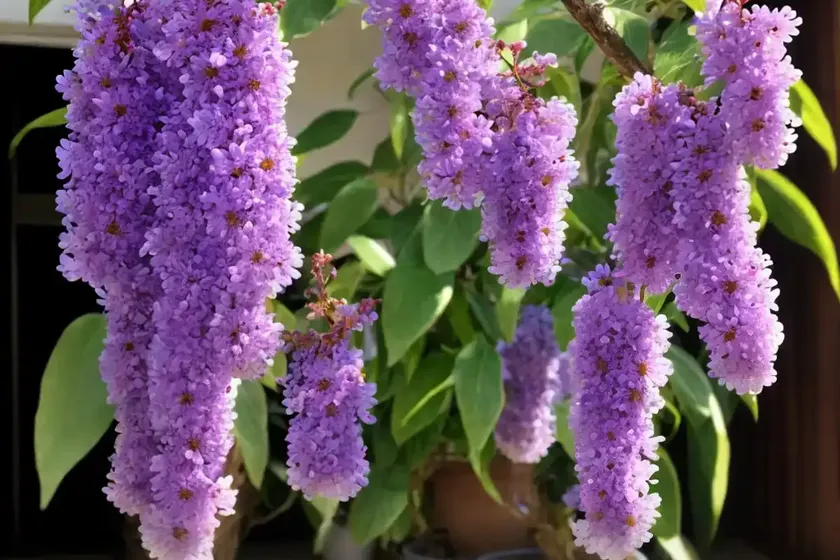
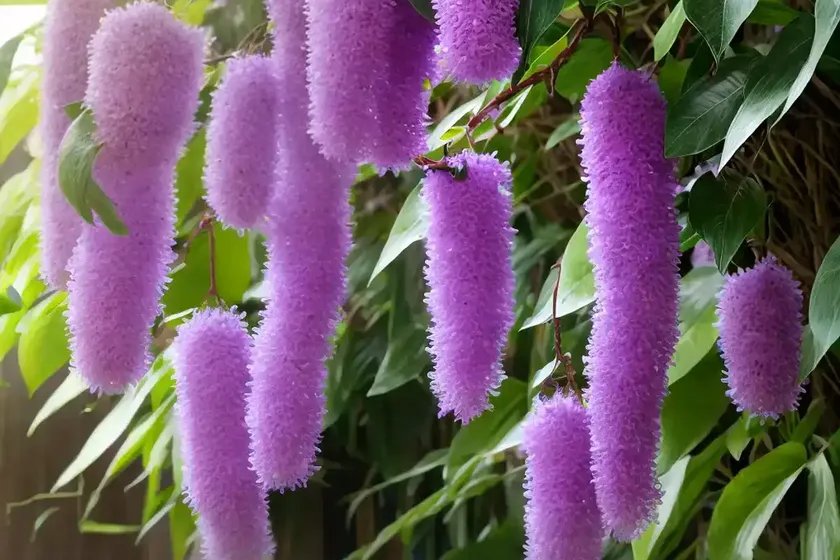
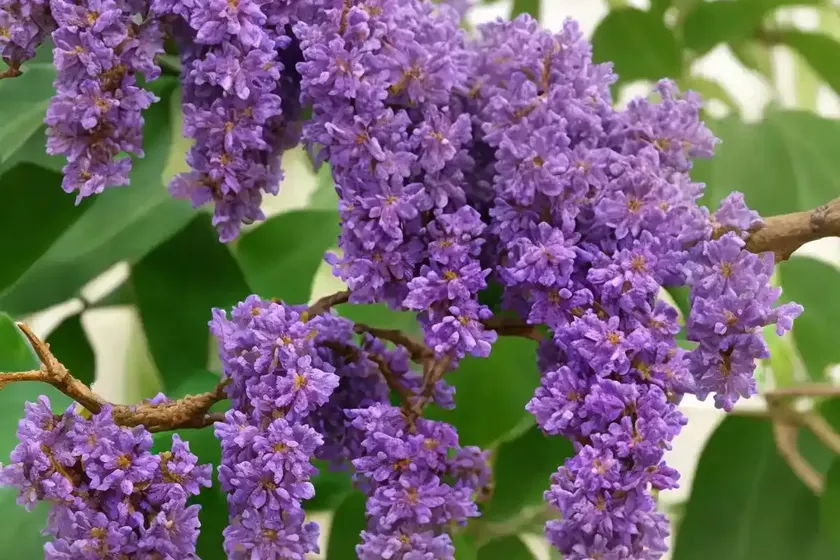
Cyanotis beddomei, also known as Teddy Bear Vine, is a charming and unique plant that has been gaining popularity among plant enthusiasts. Its distinct foliage, low maintenance requirements, and versatility make it an excellent choice for indoor and outdoor environments. In this comprehensive guide, we will delve into the various aspects of Teddy Bear Vine care, including its cultural requirements, propagation techniques, common diseases and pests, and practical tips for its maintenance and growth.
What is Plant: Teddy Bear Vine (Cyanotis beddomei)?
Teddy Bear Vine (Cyanotis beddomei) is a member of the Commelinaceae family, which includes other popular houseplants such as Tradescantia and Callisia species. This charming plant is native to the southern regions of India, where it thrives in subtropical and tropical climates. One of the most distinctive features of the Teddy Bear Vine is its soft, fuzzy foliage that resembles the appearance of a teddy bear, hence its common name.
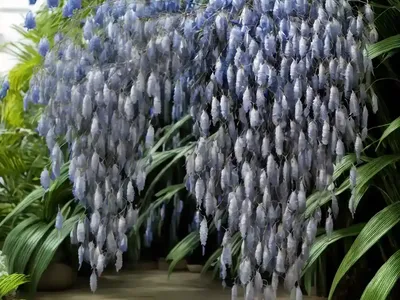
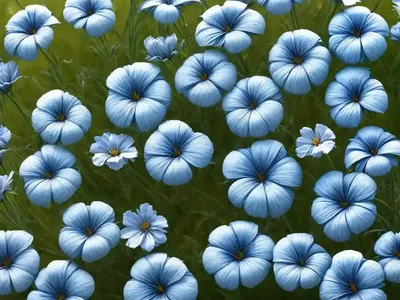
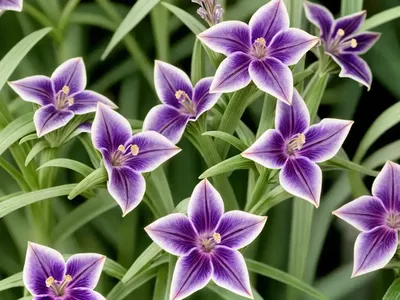
Cyanotis beddomei is an herbaceous perennial that typically grows as a trailing or cascading vine. The plant produces elongated, lance-shaped leaves that are covered in fine, velvety hairs, giving them a unique texture and aesthetic appeal. In addition to its ornamental foliage, Teddy Bear Vine also produces delicate, pale blue flowers that add a touch of delicacy to its overall appearance.
Key Takeaways – Teddy Bear Vine (Cyanotis beddomei)
Culture
- Native Habitat: Southern regions of India
- Growth Habit: Trailing or cascading vine
- Foliage: Soft, fuzzy leaves with a velvety texture
- Flowers: Delicate, pale blue blooms
Uses
- Ornamental: Teddy Bear Vine is primarily grown for its attractive foliage and trailing growth habit.
- Interior Décor: The plant is well-suited for hanging baskets, vertical gardens, and as a trailing houseplant.
Water
- Requirements: Moderate watering; maintain slightly moist but well-drained soil.
- Watering Frequency: Water when the top inch of soil feels dry to the touch.
Sunlight
- Sun Exposure: Bright, indirect light is ideal for healthy growth.
- Indoors: Thrives in well-lit indoor spaces away from direct sunlight.
Fertilizer
- Fertilization: Apply a balanced, water-soluble fertilizer every 4-6 weeks during the growing season.
- Dilution: Dilute the fertilizer to half-strength to avoid the risk of over-fertilization.
Soil
- Soil Type: Well-draining potting mix rich in organic matter.
- pH: Slightly acidic to neutral soil pH (6.0-7.0).
Pruning
- Trimming: Regular pruning to maintain the desired shape and encourage bushier growth.
- Removal of Leggy Growth: Trim back leggy vines to promote new growth and maintain a neat appearance.
Propagation
- Propagation Methods: Division, stem cuttings, and layering.
- Propagation Medium: Use a well-draining, moist propagation medium such as perlite or a peat-based mix.
Container
- Pot Selection: Choose a container with drainage holes to prevent waterlogging.
- Size: Select a pot that allows for adequate root growth with some room for expansion.
Popularity
- Up-and-Coming Houseplant: Teddy Bear Vine is gaining popularity as an attractive and low-maintenance houseplant.
Common Diseases
- Potential Issues: Susceptible to fungal diseases such as root rot and leaf spot.
- Prevention: Proper watering practices and good air circulation can help prevent common fungal infections.
Disease Diagnosis
- Symptoms: Yellowing or browning of foliage, wilting, and spotting on leaves.
- Identification: Carefully inspect the plant for signs of disease and address any issues promptly.
Common Pests
- Pests: Mealybugs and spider mites may occasionally affect Teddy Bear Vine.
- Control: Regular monitoring and use of natural or chemical control methods as needed.
Botanist’s Tips
- Maintenance: Regularly inspect the plant for signs of pests, diseases, or nutrient deficiencies.
- Growth Cycle: Understand the plant’s growth patterns and adjust care accordingly.
Fun Facts
- Medicinal Uses: Some species of Cyanotis are traditionally used for their medicinal properties in certain cultures.
- Air Purification: Due to its foliage, Teddy Bear Vine can contribute to indoor air purification.
- Resemblance: The soft, fuzzy leaves of the plant bear a striking resemblance to the appearance of a teddy bear, hence its name.
Links to External Resources
For additional information on Teddy Bear Vine care, propagation, and maintenance, the following resources are invaluable:
- Royal Horticultural Society: Cyanotis
- University of Florida IFAS Extension: Houseplants and Indoor Gardening
- The Spruce: Indoor Plant Care
Now that we have introduced the basic characteristics and key takeaways of Teddy Bear Vine, let’s delve deeper into its care requirements and essential practices for ensuring its optimal growth and health.
Teddy Bear Vine Care Tips
Cultivating and maintaining Teddy Bear Vine requires attention to several key aspects, from watering and sunlight requirements to propagation techniques and disease management. The following sections will provide detailed insights into each of these critical elements to help you successfully grow and care for your Teddy Bear Vine.
How to Grow and Care for Teddy Bear Vine
Teddy Bear Vine Plant Guide
Watering Needs
Proper watering is crucial for the health and vitality of Teddy Bear Vine. Here are some important tips for meeting the plant’s watering requirements:
- Moderate Watering: Teddy Bear Vine prefers moderately moist soil. Allow the top inch of the soil to dry out slightly between waterings to prevent waterlogging.
- Watering Frequency: Water the plant when the top inch of the soil feels dry to the touch. Adjust the frequency based on environmental conditions, such as indoor humidity levels and seasonal changes.
Sunlight Requirements
Providing the right amount of light is essential for promoting healthy growth and vibrant foliage in Teddy Bear Vine:
- Sun Exposure: Place the plant in a location with bright, indirect light. Avoid direct sunlight, especially during the peak hours of the day, as it can scorch the delicate foliage.
- Indoors: In indoor settings, position the plant in well-lit spaces away from direct sun exposure, such as near east- or west-facing windows.
Fertilizer
Regular fertilization can support the plant’s growth and ensure that it receives essential nutrients:
- Fertilization Schedule: Apply a balanced, water-soluble fertilizer every 4-6 weeks during the active growing season, typically from spring to early fall.
- Dilution: To prevent the risk of over-fertilization, dilute the fertilizer to half-strength before application.
Soil
Choosing the right soil type and ensuring proper potting conditions are essential for Teddy Bear Vine’s overall health:
- Well-Draining Soil: Use a well-draining potting mix that is rich in organic matter to promote healthy root development and prevent waterlogged conditions.
- pH Level: Aim for slightly acidic to neutral soil pH, ideally within the range of 6.0-7.0, to provide an optimal growing environment for the plant.
Pruning
Regular pruning helps manage the plant’s size and shape and encourages bushier growth:
- Trimming Practices: Trim back leggy growth and prune unruly vines to maintain a tidy appearance and promote new growth.
- Removal of Dead Growth: Remove any dead or yellowing foliage to prevent the spread of diseases and redirect the plant’s resources to healthy areas.
Propagation Techniques
Expanding your collection of Teddy Bear Vine can be achieved through various propagation methods:
- Division: Divide mature plants into smaller sections, ensuring each division has a good root system, to propagate new specimens.
- Stem Cuttings: Take stem cuttings from healthy growth and root them in a suitable propagation medium to produce new plants.
- Layering: Encourage roots to develop on lower stems by layering them in moist soil, allowing them to root before separating from the parent plant.
Container
Selecting the right container and providing suitable potting conditions are essential for the plant’s growth and well-being:
- Pot Selection: Choose a container with drainage holes to prevent waterlogging and promote proper air circulation around the roots.
- Size Considerations: Select a pot that accommodates the plant’s root system with some room for growth, preventing the risk of becoming root-bound.
Popularity
Teddy Bear Vine’s unique features and low maintenance requirements contribute to its growing popularity as a desirable houseplant:
- Rising Trend: The plant is becoming increasingly popular among plant enthusiasts and interior decorators for its charming foliage and trailing habit.
- Indoor Appeal: Its adaptability to indoor environments and suitability for hanging displays make it a versatile choice for interior décor.
Common Diseases
Although generally hardy, Teddy Bear Vine can be susceptible to certain diseases, particularly related to moisture and environmental conditions:
- Fungal Infections: Keep an eye out for signs of fungal diseases such as root rot and leaf spot, which can occur in overly damp or poorly ventilated conditions.
- Preventive Measures: Ensure proper watering practices, adequate air circulation, and a well-draining soil mix to minimize the risk of fungal infections.
Disease Diagnosis
Monitoring the plant for signs of distress and addressing any issues promptly is crucial for maintaining a healthy Teddy Bear Vine:
- Symptoms to Watch for: Yellowing or browning of foliage, wilting, or spotting on the leaves may indicate potential diseases or environmental stress.
- Early Intervention: Identify and diagnose any issues early on to implement appropriate treatment and prevent further spread of diseases.
Common Pests
While relatively resistant to pests, Teddy Bear Vine may occasionally attract unwanted visitors such as mealybugs and spider mites:
- Pest Monitoring: Regularly inspect the plant for signs of pests, including webbing, tiny insects, or stippling on the foliage.
- Control Measures: Address pest infestations promptly using natural or chemical control methods, as appropriate for the specific pest species.
Botanist’s Tips
As a plant enthusiast, observing and understanding the specific needs of your Teddy Bear Vine is essential for its long-term health and well-being:
- Regular Maintenance: Keep a close eye on the plant’s growth, health, and overall appearance, and make adjustments to its care as needed.
- Growth Patterns: Understand the plant’s natural growth habits to anticipate its needs and provide suitable conditions for ongoing development.
Fun Facts
Getting to know the unique and intriguing traits of Teddy Bear Vine adds to the enjoyment of growing this delightful plant:
- Medicinal Uses: In some cultures, certain species of Cyanotis are traditionally used for their medicinal properties, reflecting the plant’s historical significance.
- Air-Purifying Qualities: Teddy Bear Vine can contribute to indoor air purification, promoting a healthier indoor environment.
- Resemblance to a Teddy Bear: The plant’s soft, fuzzy foliage bears a striking resemblance to the appearance of a teddy bear, which adds to its charm and appeal.
Links to External Resources
For further guidance and valuable insights on Teddy Bear Vine care and cultivation, consider exploring the following external resources:
- Royal Horticultural Society: Cyanotis
- University of Florida IFAS Extension: Houseplants and Indoor Gardening
- The Spruce: Indoor Plant Care
By tapping into these resources, you can gain a more comprehensive understanding of Teddy Bear Vine and its specific care requirements, ultimately ensuring the optimal growth and health of your plant.
Conclusion
In conclusion, Teddy Bear Vine (Cyanotis beddomei) is a captivating and versatile plant that holds great appeal as a houseplant. With its distinct foliage, low maintenance needs, and adaptability to various indoor settings, it has gained recognition as an up-and-coming favorite among plant enthusiasts and interior decorators.
By following the recommended cultural practices, including providing adequate water, suitable sunlight exposure, and proper soil conditions, you can cultivate a thriving Teddy Bear Vine that enhances your indoor environment with its distinctive charm and beauty. Additionally, staying attuned to the plant’s growth patterns, implementing proactive maintenance, and promptly addressing any issues can contribute to its long-term well-being.
We hope that this comprehensive guide has provided you with valuable insights into Teddy Bear Vine care, cultivation, and ongoing maintenance, allowing you to enjoy the unique qualities and aesthetic appeal of this delightful plant to the fullest.
Feel free to explore the provided external resources for further information and expert guidance on nurturing your Teddy Bear Vine and unlocking its full potential as a beautiful addition to your plant collection.
Remember to enjoy the process of nurturing and watching your Teddy Bear Vine thrive, bringing a touch of nature’s beauty into your indoor space.
Happy gardening!