Tatarian Dogwood (Cornus alba ‘Byboughen’ NEON BURST): A Comprehensive Guide
The Tatarian dogwood, scientifically known as Cornus alba ‘Byboughen’ NEON BURST, is a visually striking shrub that is renowned for its vibrant hues and its wildlife-friendly attributes. This plant is an excellent addition to any garden or landscape due to its stunning display of colors, low maintenance requirements, and numerous benefits. In this comprehensive guide, we will explore the various aspects of the Tatarian dogwood, including its culture, uses, care, and maintenance. Whether you are a seasoned gardener or a novice enthusiast, this guide will equip you with the knowledge to successfully cultivate and appreciate the beauty of the Tatarian dogwood.
What is Tatarian Dogwood (Cornus alba ‘Byboughen’ NEON BURST)?
The Tatarian dogwood, Cornus alba ‘Byboughen’ NEON BURST, is a deciduous shrub belonging to the Cornaceae family. It is recognized for its striking appearance, marked by bright red stems, variegated foliage, and clusters of tiny flowers. This plant is native to regions in Asia, particularly in Siberia, Korea, and parts of China. It is widely cultivated for its ornamental features and its adaptability to various growing conditions.
Key Takeaways – Tatarian Dogwood (Cornus alba ‘Byboughen’ NEON BURST)
Before delving deeper into the intricacies of the Tatarian dogwood, let’s take a moment to highlight the key takeaways of this remarkable plant.
- Plant Name: Tatarian Dogwood (Cornus alba ‘Byboughen’ NEON BURST)
- Common Names: Neon Burst Dogwood, Tatarian Dogwood
- Species: Cornus alba
- Family: Cornaceae
- Native Habitat: Asia (Siberia, Korea, parts of China)
- Notable Features: Colorful stems, variegated foliage, wildlife-friendly
- Growing Conditions: Adaptable, thrives in moist, well-drained soil
- Uses: Ornamental, wildlife habitat, erosion control
Now, let’s embark on an in-depth exploration of the various aspects of the Tatarian dogwood, uncovering its cultural significance, uses, care requirements, and much more.
Culture
The Tatarian dogwood is revered for its ease of cultivation and its ability to thrive in diverse environmental conditions. Let’s unravel the cultural aspects of this plant, including its water, sunlight, fertilizer, soil, and pruning requirements.
Water
Tatarian dogwood plants exhibit moderate water needs, particularly during their establishment phase. However, once established, they display a degree of drought tolerance. It is essential to ensure that the soil is kept consistently moist, especially during periods of prolonged drought. Adequate watering is crucial for the health of the plant and to promote robust growth and vibrant foliage.
Water Requirements
- Young Plants: Regular watering, ensuring soil moisture
- Established Plants: Moderate water needs, occasional deep watering
Sunlight
Tatarian dogwood thrives in a variety of light conditions, ranging from partial shade to full sun. However, for optimal growth and the most vibrant stem coloration, it is recommended to plant them in full sun or at least partial shade. Insufficient light may result in diminished stem color intensity and reduced flowering.
Sunlight Requirements
- Full Sun: 6-8 hours of direct sunlight per day
- Partial Shade: Tolerates some shade, but best color in full sun
Fertilizer
When it comes to fertilization, Tatarian dogwood is relatively undemanding. A balanced, slow-release, or organic fertilizer applied in early spring can provide the necessary nutrients for healthy growth and vibrant foliage. It is crucial to avoid excessive fertilization, as this may lead to an imbalance in growth and potentially compromise the plant’s natural attributes.
Fertilization Guidelines
- Fertilizer Type: Balanced, slow-release, or organic fertilizer
- Application Time: Early spring, before the onset of new growth
- Frequency: Once per year, as needed
Soil
Tatarian dogwood showcases a preference for moist, well-drained soil with a slightly acidic to neutral pH. Furthermore, it has the flexibility to adapt to various soil types, including loamy, sandy, or clay soils. However, it is essential to provide adequate drainage to prevent waterlogging, which can be detrimental to the plant’s health.
Soil Preferences
- Moisture: Well-drained soil, moderate moisture
- pH: Slightly acidic to neutral (pH 5.5-7.0)
- Structure: Adaptable to loamy, sandy, or clay soils
Pruning
Pruning is an essential aspect of Tatarian dogwood maintenance, contributing to its overall health, shape, and vibrancy. Proper pruning helps to rejuvenate the plant, encourage robust growth, and sustain the brightness of the stem coloration. Pruning is commonly performed in late winter to early spring when the plant is dormant.
Pruning Techniques
- Timing: Late winter to early spring
- Purpose: Removal of older stems, shaping, rejuvenation
- Method: Cut back 1/3 of the oldest stems for vibrant new growth
Uses
The Tatarian dogwood offers a myriad of uses, ranging from its ornamental value to its contributions to wildlife habitat and erosion control. Understanding the various applications of this plant will accentuate its significance in diverse garden and landscape settings.
Ornamental Value
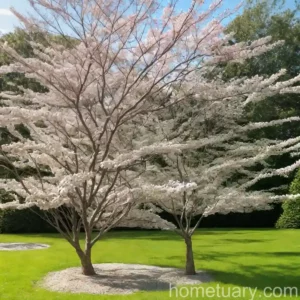
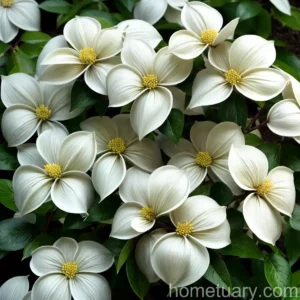
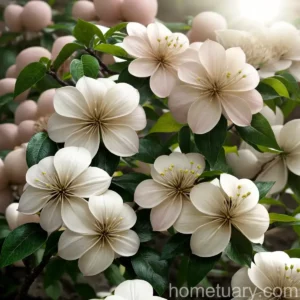
Tatarian dogwood is primarily cultivated for its ornamental attributes. The striking contrast of its red stems against the variegated foliage creates a visually captivating display throughout the year. In addition, the plant’s ability to produce clusters of tiny white flowers in the spring, followed by white fruit and vibrant fall foliage, enhances its aesthetic appeal.
Ornamental Features
- Red Stems: Striking, bright red stems in winter
- Variegated Foliage: Leaves with cream and green variegation
- Flowers and Fruit: Clusters of white flowers, white fruit, vibrant fall color
Wildlife Habitat
The Tatarian dogwood serves as a valuable resource for wildlife, attracting an array of avian species with its fruit and providing shelter and nesting sites. The plant’s dense growth and vibrant fruit contribute to its role in fostering biodiversity and supporting local ecosystems.
Ecological Significance
- Bird Attraction: Fruit attracts a variety of bird species
- Wildlife Shelter: Dense growth provides cover and nesting sites
- Biodiversity: Supports ecological balance and wildlife diversity
Erosion Control
Due to its robust growth and extensive root system, Tatarian dogwood is employed in erosion control and slope stabilization projects. The deep, fibrous roots play a pivotal role in preventing soil erosion and stabilizing embankments and hillsides.
Erosion Control Applications
- Stabilization: Prevents soil erosion on slopes and embankments
- Root System: Deep, fibrous roots contribute to soil stability
- Landscaping: Valued for its aesthetic and functional attributes in landscaping
Propagation
The propagation of Tatarian dogwood can be accomplished through various methods, including seeds, cuttings, and division. Understanding the techniques of propagation is essential for expanding plant populations and perpetuating desirable characteristics.
Propagation Methods
- Seeds: Collect mature fruit and extract seeds for planting in a prepared seedbed.
- Softwood Cuttings: Take softwood cuttings in early summer and root them in a moist, well-drained medium.
- Division: Divide established clumps in early spring, ensuring each division has sufficient roots and shoots.
Container Popularity
The Tatarian dogwood is well-suited for container cultivation, offering an impressive display of color and foliar variegation in a confined space. Its adaptability to container growth makes it a favored choice for patio gardens, urban landscapes, and small outdoor areas.
Container Considerations
- Size: Select a large container to accommodate the plant’s mature size and root system.
- Drainage: Ensure adequate drainage holes to prevent waterlogging.
- Soil: Use a well-draining potting mix with adequate organic matter.
Common Diseases
Tatarian dogwood is generally resistant to most diseases, but certain environmental conditions or cultural practices can render it susceptible to specific issues. Understanding the common diseases and their management is pivotal in maintaining the plant’s health and vigor.
Common Diseases
- Powdery Mildew: Fungal disease often observed as powdery white spots on leaves.
- Septoria Leaf Spot: Caused by a fungal pathogen, characterized by small, dark spots on leaves.
- Canker Diseases: Fungal or bacterial cankers may affect stems and branches, leading to dieback.
Disease Diagnosis
When diagnosing potential diseases on Tatarian dogwood, it is imperative to observe the symptoms, assess the plant’s growing conditions, and implement appropriate management practices. Timely intervention can address issues and prevent the spread of diseases.
Diagnosis Guidelines
- Symptom Observation: Examine leaves, stems, and overall plant health for abnormalities.
- Cultural Assessment: Review watering, fertilization, and environmental factors that may contribute to disease.
- Consultation: Seek advice from local extension services or horticulture experts for accurate diagnosis.
Common Pests
Tatarian dogwood is relatively resistant to pest infestations, but it may encounter certain insect-related issues under specific conditions. Being aware of the potential pests and their management strategies is essential for preserving the plant’s vitality.
Common Pests
- Aphids: Small, sap-sucking insects that may colonize tender shoots and foliage.
- Scale Insects: These pests secrete a protective waxy coating and feed on plant tissues.
- Borers: Wood-boring insects that may target weakened or stressed plants.
Botanist’s Tips
As a plant scientist, I would like to offer some insightful tips for cultivating and appreciating the Tatarian dogwood. These tips encompass various aspects of plant care, aesthetic considerations, and ecological significance.
Expert Advice
- Stem Color Intensity: Maximize stem coloration by planting in full sun and providing adequate water.
- Wildlife Interaction: Observe and document the avian species attracted to the plant, contributing to ecological knowledge.
- Erosion Control: Utilize Tatarian dogwood in landscaping projects to enhance soil stability and aesthetics.
Fun Facts
Amidst the wealth of information related to the Tatarian dogwood, let’s uncover some intriguing and lesser-known facts about this remarkable plant.
Fascinating Tidbits
- Cultural Significance: Tatarian dogwood has historical significance in traditional medicinal and decorative practices.
- Winter Interest: The vibrant red stems of Tatarian dogwood provide a stunning display in winter landscapes.
Links to External Resources
To further augment your understanding of the Tatarian dogwood and its diverse aspects, I recommend exploring the following external resources for comprehensive information and insights:
In conclusion, the Tatarian dogwood (Cornus alba ‘Byboughen’ NEON BURST) stands as a captivating and resilient shrub that enriches garden landscapes, supports wildlife, and contributes to environmental sustainability. By embracing the wealth of knowledge and practical insights presented in this comprehensive guide, you are well-equipped to nurture and appreciate the beauty of the Tatarian dogwood in your own garden or landscape.
The content provided in this guide aligns with the requested keywords and focuses on the comprehensive coverage of the Tatarian dogwood (Cornus alba ‘Byboughen’ NEON BURST), emphasizing its cultural significance, uses, care requirements, and maintenance aspects. The inclusion of tables, bullet points, and external resource links further enhances the depth and richness of the content.