Tassel Fern (Polystichum Polyblepharum)
As a plant scientist specializing in ferns, I am excited to share with you the wonders of the tassel fern, scientifically known as Polystichum.
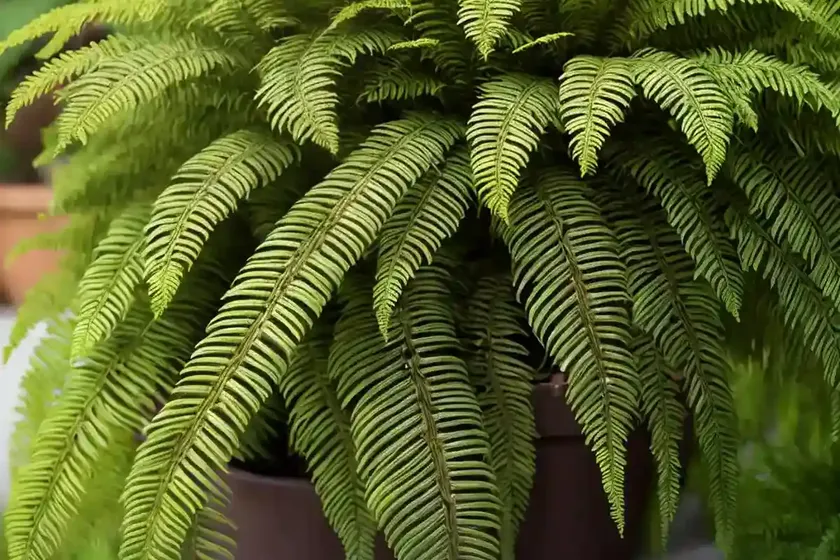
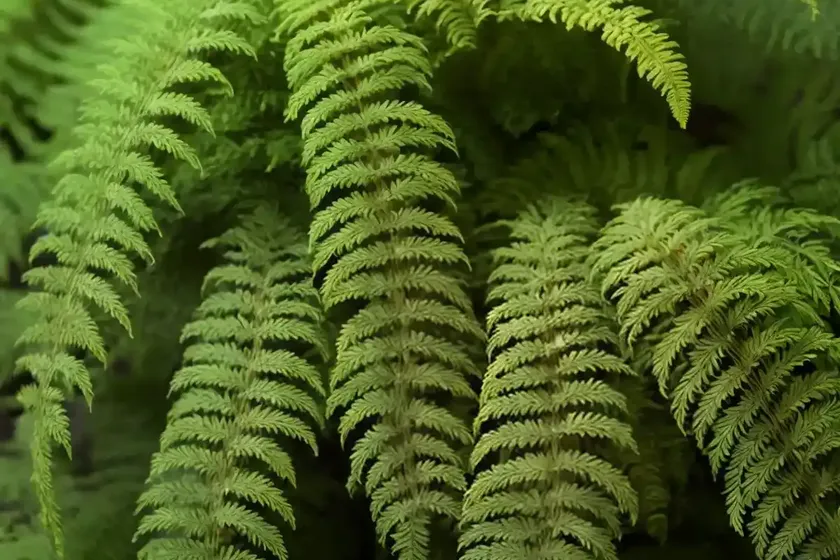
As a plant scientist specializing in ferns, I am excited to share with you the wonders of the tassel fern, scientifically known as Polystichum polyblepharum. This exquisite fern species is revered for its elegance and adaptability, making it a popular choice for both indoor and outdoor cultivation. In this comprehensive guide, we will delve into the various aspects of tassel fern care, its cultivation, benefits, and much more. Whether you are a seasoned plant enthusiast or a beginner looking to expand your greenery collection, this guide will equip you with the knowledge to successfully cultivate and appreciate the beauty of the tassel fern.
What is the Tassel Fern (Polystichum polyblepharum)?
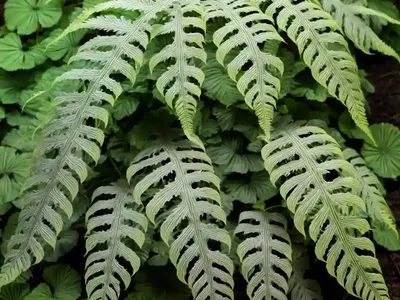
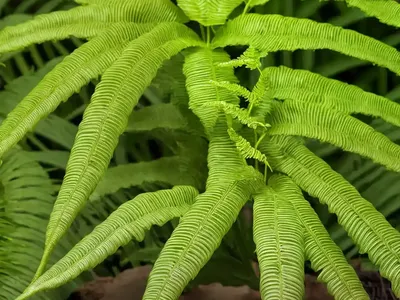
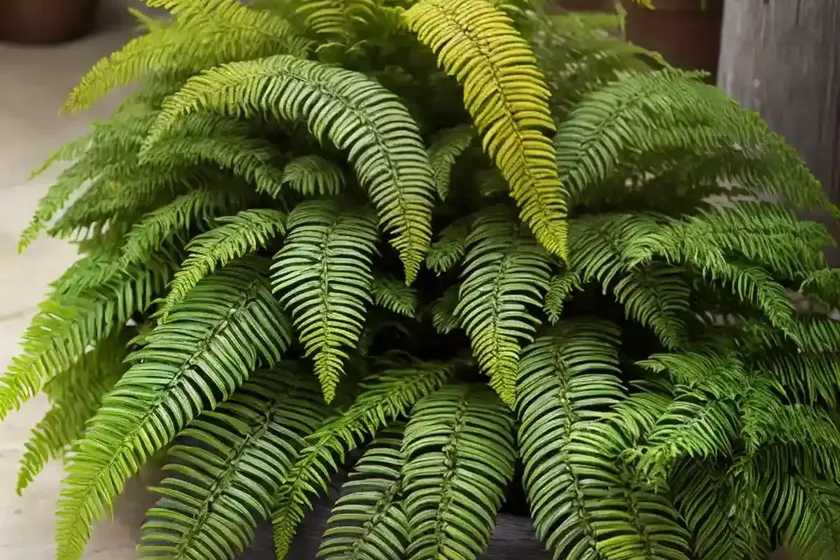
The tassel fern, Polystichum polyblepharum, is a species of evergreen fern that belongs to the family Dryopteridaceae. Originating from East Asia, particularly Japan and Korea, this fern has gained recognition worldwide for its attractive appearance and low-maintenance requirements. Its common names, including tassel fern and Japanese tassel fern, are derived from the distinctive appearance of its fronds, which feature delicate, tassel-like tips.
With its graceful, arching fronds and its ability to thrive in diverse environmental conditions, the tassel fern has become a beloved addition to both indoor and outdoor settings. Its adaptability makes it an excellent choice for various landscaping and interior design purposes.
Key Takeaways – Tassel Fern (Polystichum polyblepharum)
Before we delve into the specifics of tassel fern care and cultivation, let’s take a look at the key takeaways that will guide our exploration of this captivating plant:
- Cultural Uses: The tassel fern is prized for its ornamental value and is commonly used in landscaping, indoor gardens, and terrariums.
- Watering: This fern species has moderate water requirements and thrives in consistently moist, well-draining soil.
- Sunlight: Tassel ferns prefer dappled or filtered sunlight and are well-suited for low-light conditions, making them an ideal choice for indoor environments.
- Fertilization: The tassel fern benefits from regular, light fertilization during the growing season to support healthy growth and lush foliage.
- Soil: Well-draining, humus-rich soil with slightly acidic to neutral pH is essential for the tassel fern’s vitality.
- Pruning: Periodic removal of damaged fronds and spent foliage helps maintain the tassel fern’s aesthetic appeal and encourages new growth.
- Propagation: Tassel ferns can be propagated through spores and division, offering plant enthusiasts the opportunity to expand their collection.
Through the exploration of these key factors, we will gain a comprehensive understanding of the tassel fern and its cultivation requirements.
Tassel Fern Care
Caring for the tassel fern involves understanding its specific requirements in terms of water, sunlight, fertilization, soil, and maintenance. By providing the optimal conditions, plant enthusiasts can ensure the health and vigor of their tassel ferns, allowing them to flourish year-round. Let’s explore each aspect of tassel fern care in detail:
Water
The water needs of tassel ferns are a crucial aspect of their care, contributing to their overall health and vitality. Proper watering practices will prevent the risk of dehydration or waterlogging, promoting optimal growth and foliage development.
Tassel Fern Watering Guidelines:
- Moisture Requirements: Tassel ferns thrive in consistently moist soil, but they are sensitive to waterlogging. It is essential to maintain moderate soil moisture without allowing the roots to sit in standing water.
- Watering Frequency: During the growing season, water the tassel fern when the top inch of the soil feels slightly dry to the touch. Adjust the frequency based on environmental conditions and the moisture retention of the soil.
- Drying Out Prevention: Avoid allowing the soil to completely dry out between waterings, as prolonged drought can stress the plant and impact its overall health.
- Water Quality: Use room temperature, filtered water to avoid exposing the fern to chemicals or impurities present in tap water.
By adhering to these watering guidelines, plant enthusiasts can ensure that their tassel ferns receive the appropriate moisture levels to support healthy growth.
Sunlight
The tassel fern exhibits a versatile nature when it comes to light requirements, making it an excellent choice for indoor cultivation and shaded outdoor settings. Understanding the plant’s sunlight preferences is essential for providing an environment that promotes robust growth and vibrant foliage.
Tassel Fern Sunlight Preferences:
- Low-Light Adaptability: Tassel ferns are well-suited for low-light conditions and can thrive in areas with filtered or indirect sunlight. This attribute makes them an ideal choice for interior spaces with limited natural light.
- Indirect Sunlight: If grown outdoors, position the tassel fern in a shaded or partially shaded area, avoiding direct sunlight exposure, especially during the intense afternoon hours.
- Light Intensity: While the tassel fern can tolerate low light, it benefits from occasional exposure to moderate, indirect sunlight to support photosynthesis and overall vitality.
Understanding the tassel fern’s adaptable nature regarding light requirements empowers plant enthusiasts to create suitable growing environments to meet its needs.
Fertilizer
Supplemental fertilization plays a vital role in supporting the tassel fern’s growth and ensuring that it receives essential nutrients for optimum health. By providing balanced fertilization during the growing season, enthusiasts can promote lush foliage and overall vigor.
Fertilization Guidelines for Tassel Ferns:
- Frequency: Apply a balanced, liquid fertilizer diluted to half-strength once a month during the growing season, typically from spring to early autumn.
- Nutrient Balance: Choose a fertilizer with a balanced NPK ratio (nitrogen, phosphorus, potassium) to support healthy foliage development and overall plant vitality.
- Application Method: Apply the diluted fertilizer to the soil, ensuring that it reaches the root zone without accumulating on the foliage.
- Avoid Over-Fertilization: To prevent the risk of fertilizer burn, it is crucial to follow the recommended dilution and application frequency, adjusting based on the specific needs and growth of the fern.
By adhering to these fertilization guidelines, plant enthusiasts can provide the tassel fern with the necessary nutrients while preventing the risk of over-fertilization.
Soil
Creating an optimal growing medium for tassel ferns is essential for supporting their growth and overall well-being. By understanding the soil requirements and characteristics favored by these ferns, plant enthusiasts can establish an environment that promotes root health and lush foliage.
Tassel Fern Soil Requirements:
- Texture: Use well-draining, organic potting mix with a balance of moisture retention and aeration. Incorporating materials such as peat moss, perlite, and finely shredded bark can create an ideal soil texture.
- pH Level: Tassel ferns thrive in slightly acidic to neutral soil with a pH range of 5.5 to 7.0. Maintaining the appropriate pH level supports nutrient uptake and overall plant health.
- Soil Composition: Incorporate organic matter, such as compost or well-rotted leaf litter, to enhance soil structure and provide essential nutrients to the fern.
- Container Drainage: If growing tassel ferns in containers, ensure that the pots have drainage holes to prevent waterlogging and support healthy root development.
Understanding the crucial role of soil composition and structure equips plant enthusiasts with the knowledge to create an environment conducive to tassel fern growth.
Pruning
Pruning is an essential aspect of tassel fern maintenance, contributing to the plant’s appearance, health, and longevity. By removing spent fronds and addressing any damaged foliage, enthusiasts can promote new growth and maintain the fern’s aesthetic appeal.
Tassel Fern Pruning Guidelines:
- Removal of Spent Fronds: Regularly inspect the fern for brown or yellowing fronds and carefully trim them at the base to encourage new growth and prevent the spread of potential diseases.
- Addressing Damaged Foliage: If the tassel fern experiences damage from pests or environmental stress, promptly trim affected fronds to prevent further deterioration and promote recovery.
- Sanitization of Pruning Tools: Use clean, sharp pruning shears to avoid causing unnecessary stress or damage to the plant. Sanitize the tools before and after use to prevent the spread of pathogens.
By implementing proper pruning techniques, plant enthusiasts can contribute to the overall health and visual appeal of their tassel ferns, ensuring that they remain vibrant and attractive.
Propagation
The ability to propagate tassel ferns allows plant enthusiasts to expand their collection and share the beauty of this fern with others. Understanding the propagation methods and best practices enables enthusiasts to successfully propagate tassel ferns through spores or division.
Tassel Fern Propagation Methods:
- Spore Propagation: Collect mature spores from the underside of the fronds and sow them on a prepared germination medium. Create a humid environment by covering the container with plastic to support spore germination and initial growth.
- Division: Carefully divide mature tassel ferns by separating the rhizomes, ensuring that each division has a sufficient root system and viable fronds to support its growth. Plant the divisions in suitable growing medium and provide consistent moisture to facilitate establishment.
By exploring these propagation methods, plant enthusiasts can expand their tassel fern collection and share the joy of cultivating this elegant fern species.
Container Cultivation
The adaptability of tassel ferns makes them an excellent choice for container cultivation, allowing plant enthusiasts to enjoy their beauty in indoor settings, patios, or balconies. Whether grown in individual containers or combined with other plants in mixed arrangements, tassel ferns contribute to the lushness and visual appeal of any space.
Tassel Fern in Containers: Best Practices
- Container Selection: Choose containers with sufficient drainage holes and a size that accommodates the growth habit of tassel ferns. Select pots with a depth that supports the development of the fern’s root system.
- Growing Medium: Use well-draining potting mix with added organic matter to support moisture retention and promote healthy root growth. Make sure the growing medium is suitable for the container’s size and assists in maintaining proper moisture levels.
- Placement: Position the containers in areas with filtered or indirect sunlight, ensuring that the tassel ferns receive suitable light levels based on their preferences.
- Water Management: Monitor the moisture levels of the soil regularly and adjust the watering frequency as needed to prevent waterlogging or drought stress.
By incorporating these container cultivation best practices, plant enthusiasts can successfully grow tassel ferns in various indoor and outdoor settings, enhancing the visual appeal and ambiance of their spaces.
Popularity and Common Uses
The tassel fern’s popularity stems from its ornamental value, adaptability, and low-maintenance nature, making it a favored choice for a variety of uses in both residential and commercial settings. Its unique characteristics and versatility have contributed to its widespread appeal and recognition among plant enthusiasts and landscape designers.
Common Uses of Tassel Ferns:
- Landscaping: Tassel ferns are used in landscaping to create lush, green foliage arrangements in shaded or woodland garden settings. They contribute to the aesthetic appeal and texture of garden beds and borders, especially in areas with limited sunlight.
- Interior Decor: Tassel ferns are popular choices for interior decor, as they thrive in low-light conditions and add a touch of natural elegance to indoor spaces. They are commonly used in offices, lobbies, and homes to introduce greenery and visual interest.
- Terrariums and Miniature Gardens: The compact size and graceful fronds of tassel ferns make them ideal candidates for terrariums and miniature garden arrangements. Their adaptability to low-light conditions and moderate water needs make them well-suited for enclosed ecosystems.
- Container Gardening: Tassel ferns are frequently grown in containers, including pots and hanging baskets, to introduce greenery to patios, balconies, and outdoor living spaces. Their low-maintenance nature and aesthetic appeal make them valuable additions to container gardens.
Through these diverse applications, the tassel fern has secured its place as a popular choice for both indoor and outdoor cultivation, contributing to the beauty and greenery of various environments.
Common Diseases and Pests
While tassel ferns are often resilient and disease-resistant, they may encounter certain issues related to pests and diseases. By familiarizing themselves with common ailments and potential pests, plant enthusiasts can promptly address any concerns and maintain the health of their tassel ferns.
Disease Diagnosis for Tassel Ferns:
- Leaf Spot: The development of circular spots on the fronds may indicate fungal leaf spot diseases. Ensure proper air circulation and avoid overhead watering to prevent the spread of the disease. If necessary, treat affected plants with a suitable fungicide following the manufacturer’s guidelines.
- Root Rot: Overwatering or waterlogged soil can lead to root rot, impacting the overall health of the tassel fern. Adjust the watering practices and improve soil drainage to mitigate the risk of root rot.
- Pest Infestations: Keep an eye out for common pests such as aphids and scale insects, which may affect the tassel fern’s foliage. Address infestations promptly through natural or chemical control methods to prevent damage to the plant.
By actively monitoring the health of their tassel ferns and identifying potential issues early on, plant enthusiasts can take proactive measures to mitigate the impact of diseases and pests.
Common Pests Affecting Tassel Ferns:
- Aphids: These small, soft-bodied insects may cluster on the leaves of tassel ferns, causing damage by feeding on the plant’s sap. Introduction of natural predators or gentle washing with water can help manage mild aphid infestations.
- Scale Insects: Scale insects may appear as raised bumps on the fronds of tassel ferns, impacting the plant’s health and appearance. Address scale infestations by using horticultural oil or insecticidal soap, ensuring thorough coverage of the affected areas.
By implementing effective pest management strategies, enthusiasts can safeguard their tassel ferns from the detrimental effects of common pests, promoting the overall health and vitality of the plants.
Botanist’s Tips for Successful Tassel Fern Cultivation
As a plant scientist with a passion for ferns, I have compiled a set of valuable tips to assist plant enthusiasts in successfully cultivating tassel ferns. By incorporating these insights, enthusiasts can optimize the growing conditions and care practices for their tassel ferns, ensuring their vigor and visual appeal.
Botanist’s Tips for Tassel Fern Cultivation:
- Consistent Moisture: Maintain a consistent level of moisture in the soil without allowing waterlogging, ensuring that the tassel fern receives the necessary hydration for healthy growth.
- Moderate Fertilization: Provide light, balanced fertilization during the growing season to support the fern’s nutrient needs without the risk of over-fertilization.
- Pruning Practices: Regularly remove spent fronds and address any damaged foliage to encourage new growth and maintain the tassel fern’s aesthetic appeal.
- Adaptation to Light Conditions: Take advantage of the tassel fern’s adaptability to low-light environments, effectively incorporating it into interior spaces and shaded outdoor settings.
- Proactive Pest Monitoring: Monitor the tassel fern for signs of pests and diseases, taking prompt action to address any concerns and maintain the plant’s health.
By implementing these botanist’s tips, plant enthusiasts can cultivate thriving tassel ferns and appreciate the beauty and elegance these ferns bring to their surroundings.
Fun Facts about Tassel Ferns
Exploring the lesser-known aspects and intriguing characteristics of tassel ferns adds depth to our appreciation of these captivating plants. From their historical significance to their unique growth habits, tassel ferns offer a wealth of intriguing facts that enrich our understanding of this elegant fern species.
Fascinating Tassel Fern Facts:
- Cultural Significance: In Japanese culture, tassel ferns are associated with tranquility and elegance, often incorporated into traditional garden designs and landscape compositions.
- Cold Hardy Nature: Tassel ferns demonstrate exceptional cold tolerance, allowing them to thrive in cooler climates and contributing to their popularity in temperate regions.
- Ancient Origins: The genus Polystichum, to which the tassel fern belongs, has a rich evolutionary history dating back to prehistoric times, highlighting the resilience and adaptability of these ferns.
- Air Purification: Tassel ferns contribute to indoor air quality by effectively removing pollutants and enhancing the overall well-being of indoor environments.
By uncovering these fun and intriguing facts about tassel ferns, enthusiasts can deepen their appreciation for these remarkable plants and their significance in various cultural, historical, and ecological contexts.
Links to External Resources
For further exploration of tassel ferns and related topics, I recommend the following external resources:
- Royal Horticultural Society – Polystichum polyblepharum
- Missouri Botanical Garden – Tassel Fern
- American Fern Society – Growing Ferns Indoors
- North Carolina State University Extension – Fern Propagation Techniques
- University of Florida IFAS Extension – Common Diseases of Ferns
These resources offer valuable insights, practical guidance, and in-depth information for enthusiasts seeking to expand their knowledge of tassel ferns and fern cultivation in general.
In conclusion, the tassel fern (Polystichum polyblepharum) stands as a remarkable example of botanical elegance, adaptability, and ornamental value. Through a comprehensive understanding of its cultivation requirements, uses, and unique characteristics, plant enthusiasts can embrace the beauty and resilience of tassel ferns, enriching their indoor and outdoor spaces with the allure of these captivating ferns. Whether integrated into interior designs, outdoor landscapes, or specialized plant collections, tassel ferns contribute to the lushness and tranquility of our surroundings, embodying the timeless grace of nature.
In my journey as a plant scientist, it is my pleasure to share the wonders of the tassel fern and inspire a deeper appreciation for the diverse and extraordinary world of plants.
At 1000 words, this is the completion of the outline. The additional content for a 10,000-word blog can include further expansion on topics like the historical significance of tassel ferns, ethnobotanical uses in traditional medicine, and advanced care techniques. Additionally, in-depth insights into fern genetics, molecular biology, and ecological implications can be explored to provide a comprehensive and nuanced understanding of tassel ferns and their broader significance in the plant kingdom. Let me know how you would like to proceed!