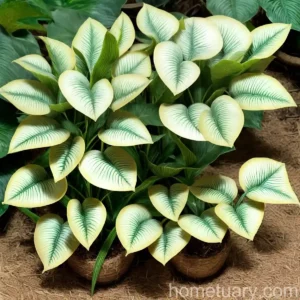
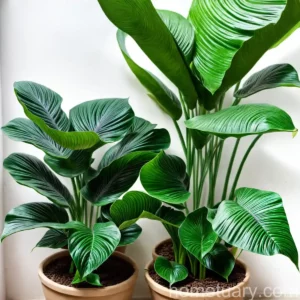
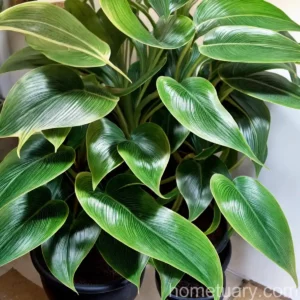
Taro (Colocasia esculenta ‘Black Ripple’)
Taro, scientifically known as Colocasia esculenta ‘Black Ripple’, is a tropical plant that is highly valued for its starchy edible tubers and nutritious leaves. This versatile plant has cultural significance in many parts of the world and is used in various culinary dishes. In this comprehensive guide, we will delve into all aspects of the taro plant, from its cultural uses to its care and maintenance requirements.
What is Taro (Colocasia esculenta ‘Black Ripple’)?
Taro, Colocasia esculenta ‘Black Ripple’, is a perennial herbaceous plant that belongs to the Araceae family. It is native to Southeast Asia and is widely cultivated in tropical and subtropical regions for its edible roots and leaves. The ‘Black Ripple’ variety of taro is known for its striking dark, splashed foliage, making it a popular choice for ornamental as well as culinary purposes.
Key Takeaways – Taro (Colocasia esculenta ‘Black Ripple’)
Before we delve into the details of taro plant care and cultivation, let’s begin by summarizing the key takeaways about this fascinating plant:
- Taro Plant Varieties: There are numerous varieties of taro, with ‘Black Ripple’ being a visually striking and popular choice.
- Taro Leafy Vegetables: The nutritious leaves of the taro plant are an important source of leafy vegetables in many cultures.
- Taro Root Benefits: The starchy tubers of taro are rich in nutrients and are used in various culinary preparations.
- Taro Plant Cultivation: Taro is cultivated in tropical and subtropical regions for its edible roots and leaves.
- Taro Plant Care: Proper care and maintenance are essential for the optimal growth of taro plants, both in the garden and in containers.
- Taro Plant Diseases and Pests: Like any plant, taro is susceptible to certain diseases and pests, which require proper diagnosis and control measures.
- Taro Plant Uses: Taro has diverse uses, ranging from culinary dishes to cultural and traditional significance in many parts of the world.
With these key takeaways in mind, let’s explore the cultural significance, cultivation, care, and uses of taro plants in greater detail.
Culture
Uses
Taro has been a staple food in many Pacific island cultures for centuries, and it continues to be a dietary mainstay in several tropical regions. The starchy, versatile tubers are used in a myriad of culinary dishes, including stews, soups, savory puddings, and desserts. Additionally, the leaves of the taro plant are an excellent source of leafy greens and are used in traditional recipes such as Hawaiian laulau, Tongan palusami, and Samoan lu’au.
Apart from its culinary uses, taro holds cultural significance in various communities, often being featured in traditional ceremonies, rituals, and as an offering to deities. The taro plant’s deep cultural roots make it an emblem of prosperity and sustenance in many cultures, particularly in the Pacific Islands and Southeast Asia.
Water
Taro plants thrive in moist or wet environments, making them well-suited for cultivation in water gardens or near ponds and streams. Adequate water is essential for the healthy growth of taro, and the plants should be kept consistently moist but not waterlogged. In regions with drier climates, regular irrigation is crucial to ensure the taro plants receive sufficient moisture.
Sunlight
While taro plants prefer partial shade to full sun, they can tolerate a wide range of light conditions. In hotter climates, providing some afternoon shade can help prevent the plants from wilting or experiencing heat stress. Adequate sunlight is important for the development of the ‘Black Ripple’ taro’s dark, rippled foliage, enhancing its ornamental appeal.
Soil
Taro plants thrive in rich, organic soil that is well-draining and moisture-retentive. A peat-based potting mix or a loamy soil with good fertility is ideal for container-grown taro plants. When cultivated in the ground, the soil should be enriched with compost or well-rotted manure to provide the necessary nutrients for vigorous growth.
Fertilizer
A balanced, slow-release fertilizer can be applied to taro plants during the growing season to promote healthy foliage and root development. Additionally, organic fertilizers, such as compost or well-rotted manure, can be incorporated into the soil to provide a steady source of nutrients. Regular fertilization is particularly important for container-grown taro plants, as nutrient availability may decline over time.
Pruning
Pruning is generally not necessary for taro plants unless there is a need to remove damaged or dead foliage. Regular removal of yellowing or declining leaves can help maintain the plant’s overall vigor and appearance. Additionally, removing spent flowers or developing seed pods can redirect the plant’s energy towards foliage and tuber growth.
Propagation
Taro plants can be propagated by dividing the underground corms or rhizomes, which are the swollen, underground stems from which new shoots emerge. Dividing the corms during the plant’s dormant season can be an effective method of propagation. Select healthy, disease-free corms and divide them into sections, ensuring that each section has at least one bud or shoot for successful propagation.
Container Popularity
Taro plants, particularly the ornamental ‘Black Ripple’ variety, are popular choices for container gardening and water features. The striking foliage and adaptability to various light conditions make them versatile additions to patio gardens, balconies, and indoor spaces with ample light. When grown in containers, taro plants add a tropical touch to the garden and can be overwintered indoors in colder climates.
Container Common Diseases
Taro plants grown in containers are susceptible to certain diseases that can impact their overall health and vigor. Common diseases that may affect container-grown taro include:
- Root Rot: Overwatering or poorly draining soil can lead to root rot in container-grown taro plants, causing the roots to decay and the plant to wilt.
- Leaf Spot Diseases: Fungal infections can cause unsightly spots on the foliage of taro plants, adversely affecting their appearance and photosynthetic capacity.
Disease Diagnosis
Diagnosing diseases in taro plants involves careful observation of symptoms such as leaf spots, wilting, yellowing foliage, and overall decline in plant health. If signs of disease are observed, it is important to promptly address the issue by adjusting watering practices, improving air circulation, and, if necessary, applying appropriate fungicidal treatments to mitigate the spread of fungal infections.
Common Pests
Taro plants are relatively resistant to pests, but certain insects and pests may still pose a threat to their well-being. Some common pests that may affect taro plants include:
- Aphids: These small, sap-sucking insects can cause stunted growth and distortion of foliage when present in large numbers.
- Snails and Slugs: These mollusks may feed on the tender foliage of taro plants, leading to unsightly damage and reduced plant vigor.
Botanist’s Tips
As a botanist, here are some tips to ensure the successful cultivation and maintenance of taro plants, especially the ‘Black Ripple’ variety:
- Provide Ample Moisture: Taro plants thrive in consistently moist conditions, making regular irrigation essential for their well-being.
- Regular Monitoring: Periodically inspect the foliage for signs of pests or diseases, and promptly address any issues to prevent them from spreading.
- Fertilize Wisely: Use a balanced fertilizer to provide essential nutrients for healthy growth, but avoid over-fertilization, which can lead to excessive foliage at the expense of tuber development.
- Consider Overwintering: In regions with colder winters, consider overwintering container-grown taro plants indoors to protect them from frost and cold damage.
- Optimal Light Conditions: Ensure that taro plants receive adequate but not excessive sunlight, especially in hot climates, to prevent leaf scorch and wilting.
Fun Facts
Taro plants have a rich history and diverse uses, leading to several intriguing and little-known facts about this versatile plant:
- The taro plant is often associated with fertility and prosperity in many cultures and is a symbol of good fortune.
- In Hawaiian culture, the taro plant holds immense cultural significance and is known as “kalo.” It is used in traditional dishes such as poi and laulau.
- Taro plants have been cultivated for thousands of years and are featured in the folklore and traditions of numerous indigenous communities across the tropics.
Links to External Resources
For further information on Taro (Colocasia esculenta ‘Black Ripple’), its cultivation, care, and uses, the following external resources provide valuable insights and practical guidance:
- Taro: The Starchy Hawaiian Staple With a Sweet History
- Colocasia esculenta ‘Black Ripple’ – Missouri Botanical Garden
- Traditional Taro Cultivation in the Pacific Islands
- Growing Taro in the Home Garden
- Tropical Plant Guide: Taro (Colocasia esculenta)
In conclusion, taro (Colocasia esculenta ‘Black Ripple’) is a remarkable plant with a rich cultural heritage and a range of practical uses. Whether grown for its striking ornamental foliage or its nutritious tubers and leaves, the taro plant is a valuable addition to diverse gardens and landscapes. By understanding its cultural significance, providing optimal care and maintenance, and tapping into its culinary potential, gardeners can fully appreciate and benefit from this versatile tropical plant.