The Wonderful World of Taro (Colocasia esculenta ‘Black Coral’)
Taro, also known as Colocasia esculenta ‘Black Coral,’ is a fascinating plant with a rich cultural history and diverse uses. In this comprehensive guide, we will explore every aspect of this unique plant, from its cultivation and care to its cultural significance and culinary applications. Whether you are an avid gardener, a cooking enthusiast, or simply intrigued by the world of plants, this article will provide you with a deep understanding of the beautiful and versatile taro plant.
What is Taro (Colocasia esculenta ‘Black Coral’)?
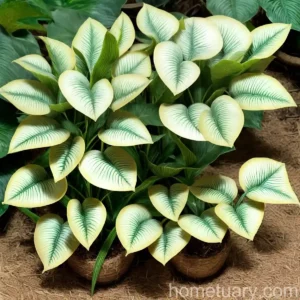
Taro, scientifically known as Colocasia esculenta, is a perennial, herbaceous plant that belongs to the Araceae family. It is native to Southeast Asia and Southern India and has been cultivated for thousands of years as a food crop. The plant is characterized by its large, heart-shaped leaves and starchy, nutrient-rich corms, which are a staple food in many tropical regions.
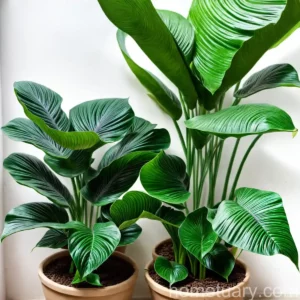
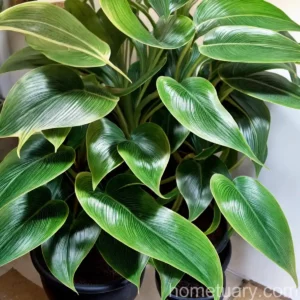
The ‘Black Coral’ variety of taro is particularly noteworthy for its striking, dark foliage, adding a dramatic and elegant touch to any garden or landscape. With its captivating appearance and versatile nature, Colocasia esculenta ‘Black Coral’ has gained popularity not only as a food source but also as an ornamental plant, valued for its aesthetic appeal.
Key Takeaways – Taro (Colocasia esculenta ‘Black Coral’)
Before delving deeper into the world of taro, let’s summarize the key takeaways that we will explore in detail throughout this article:
- Taro Plant Varieties: Understanding the different varieties of taro and their unique characteristics.
- Growing Taro at Home: Tips and guidelines for successfully cultivating taro in home gardens or containers.
- Black Coral Taro: Exploring the distinct features and cultivation requirements of the ‘Black Coral’ variety.
- Colocasia esculenta Cultivation: A comprehensive guide to cultivating and caring for Colocasia esculenta, including soil, water, sunlight, and fertilization requirements.
- Taro Plant Care: Essential care practices for maintaining healthy and thriving taro plants.
- Taro Plant Propagation: Methods for propagating taro plants to expand your garden or share with others.
- Taro Gardening Tips: Helpful tips and recommendations for successful taro gardening.
- Indoor Taro Plants: Exploring the potential for growing taro plants indoors.
- Taro Plant Nutrients: Understanding the essential nutrients required for the optimal growth of taro plants.
- Taro Plant Diseases: Identifying common diseases that affect taro plants and methods for prevention and treatment.
- Taro Plant Pests: Recognizing and managing common pests that can impact the health of taro plants.
- Taro Plant Sunlight Requirements: Determining the ideal sunlight conditions for taro plants.
- Taro Plant Watering: Guidelines for proper watering practices to maintain healthy taro plants.
- Taro Plant Fertilization: Understanding the fertilization needs of taro plants for robust growth.
- Health Benefits of Taro: Exploring the nutritional and potential health benefits of consuming taro.
- Cooking with Taro: Creative and delicious culinary uses of taro in various recipes and dishes.
- Taro Recipes: Inspiration for incorporating taro into your culinary creations.
- Taro Plant Uses: Exploring the diverse uses of taro beyond culinary applications.
- Taro Plant Symbolism: Uncovering the symbolic significance of taro in different cultures and traditions.
- Taro Plant Fun Facts: Intriguing and lesser-known facts about taro plants.
- External Resources: Links to additional references and resources for further exploration.
Now, let’s embark on a comprehensive journey to discover the captivating world of taro plants, from their cultural significance to the practical aspects of cultivation and care.
Culture
Origin and Traditional Cultivation
Taro holds immense cultural significance in many parts of the world, especially in regions where it has been cultivated for centuries. It is believed to have originated in Southeast Asia and South India, where it has been a dietary staple for generations. The plant’s starchy corms and edible leaves have been valued as a reliable food source, providing sustenance in diverse culinary traditions.
In traditional cultivation practices, taro is often grown in flooded or marshy fields, as it thrives in moist soil and can even withstand periods of partial submersion. These ideal growing conditions mimic the plant’s natural habitat, where it grows along the banks of rivers and in low-lying areas with ample water.
Cultural Significance
Taro is deeply woven into the fabric of various cultures and holds symbolic significance in different traditions. In Hawaiian culture, for example, taro is considered a sacred plant and is known as “kalo.” It is revered as the elder sibling of the Hawaiian people and is a vital ingredient in traditional Hawaiian cuisine, particularly in the preparation of poi, a staple food made from the mashed corms.
The plant also plays a significant role in the mythology and folklore of many cultures. In some societies, taro is associated with fertility, abundance, and prosperity, and its cultivation is accompanied by rituals and ceremonies that honor its intrinsic value.
Modern Cultivation and Adaptation
While taro continues to be cultivated using traditional methods in many regions, it has also adapted to modern agricultural practices, including commercial farming and home gardening. The plant’s adaptability and resilience have made it a popular choice for sustainable agriculture and permaculture initiatives.
In addition to its role as a food crop, taro has gained recognition as an ornamental plant, often prized for the lush, tropical aesthetic it brings to gardens and landscapes. The ‘Black Coral’ variety, in particular, stands out for its visually striking, dark foliage, adding an intriguing element to both indoor and outdoor settings.
Uses
Culinary Applications
Taro is a versatile ingredient with a wide range of culinary uses, particularly in tropical and subtropical cuisines. The starchy corms can be prepared in various ways, including boiling, steaming, frying, and baking, and are valued for their unique flavor and texture.
One of the most iconic dishes featuring taro is poi, a traditional Hawaiian staple made by mashing cooked taro corms with water to create a smooth, slightly fermented paste. Poi holds a special place in Hawaiian culture and is celebrated for its role as a nutritious and culturally significant food.
Taro leaves are also utilized in cooking, often incorporated into soups, stews, and stir-fries. In some cultures, the leaves are used to wrap and steam other foods, imparting a distinct flavor to the ingredients.
Nutritional Benefits
Beyond its culinary versatility, taro offers notable nutritional benefits. The corms are a good source of carbohydrates and dietary fiber and provide essential vitamins and minerals, including vitamin E, vitamin C, potassium, and magnesium. Additionally, taro contains antioxidants and may offer potential health benefits, contributing to overall well-being when consumed as part of a balanced diet.
The leaves of the taro plant are also nutritionally rich, offering vitamins A and C, as well as protein, calcium, and iron. In traditional medicine, taro leaves have been used for their potential therapeutic properties, further highlighting the plant’s multifaceted value.
Ornamental and Landscape Use
In addition to its role as a food source, taro has found a place in ornamental horticulture, adorning gardens, botanical collections, and tropical landscapes. The ‘Black Coral’ variety, in particular, has garnered attention for its dramatic and alluring appearance, featuring deep-purple to nearly black foliage that adds a sense of exotic elegance to any environment.
Taro plants are often used to create lush, tropical displays, especially in regions with warm, humid climates where they can thrive outdoors year-round. In colder climates, taro can be grown as a seasonal or indoor plant, bringing a touch of the tropics to indoor spaces or sheltered outdoor areas during the warmer months.
Plant Care
Caring for taro plants involves understanding their specific requirements for water, sunlight, soil, and maintenance. Whether you are growing taro in a garden, a container, or indoors, providing the right conditions will ensure the health and vitality of the plants.
Water
Taro plants thrive in moist soil and are often found in or near water in their natural habitat. When cultivating taro, it is essential to ensure that the soil remains consistently moist, especially during the active growing season. However, it is equally important to prevent waterlogged conditions, as excessive water can lead to root rot and other issues.
- Watering Frequency: During the growing season, water taro plants regularly to keep the soil consistently moist. In hot and dry climates, more frequent watering may be necessary to prevent the soil from drying out.
- Drainage: Ensure that the planting area or container provides adequate drainage to prevent water from stagnating around the plant’s roots.
- Monitoring Moisture Levels: Regularly check the moisture levels of the soil to gauge the need for additional watering.
Sunlight
Taro plants thrive in partial to full sunlight, depending on the local climate and environmental conditions. While they prefer bright, indirect light, they can also tolerate some direct sun, especially in cooler regions. Providing the appropriate sunlight exposure is essential for the plant’s growth and leaf development.
- Light Requirements: Place taro plants in a location that receives bright, indirect light for a significant portion of the day. In warmer climates, some filtered shade during the hottest part of the day may be beneficial.
- Indoor Lighting: When growing taro plants indoors, position them near a window or in an area with adequate natural light. Supplemental grow lights can be used if natural light is limited.
- Protecting from Harsh Sun: In regions with intense sunlight, provide protection from direct midday sun to prevent leaf scorch and water stress.
Soil
Taro plants thrive in well-draining, nutrient-rich soil with a slightly acidic to neutral pH. The soil should retain moisture without becoming waterlogged and should provide a fertile medium for the plant’s roots to establish and grow.
- Soil Composition: Use a well-draining potting mix or garden soil enriched with organic matter, such as compost or well-rotted manure.
- Acidic to Neutral pH: Taro plants prefer a soil pH ranging from 5.5 to 7.0, which can be achieved through the addition of suitable amendments if necessary.
- Moisture Retention: Choose a soil mix that retains moisture while allowing excess water to drain freely, preventing waterlogged conditions.
Fertilizer
Proper fertilization can support the healthy growth and development of taro plants, providing essential nutrients to sustain their vigorous foliage and robust corm production. Fertilize taro plants during the active growing season to ensure optimal nutrition and vitality.
- Balanced Fertilizer: Use a balanced, slow-release fertilizer formulated for leafy and root crops to provide a steady supply of essential nutrients.
- Application Frequency: Apply fertilizer every 4-6 weeks during the growing season, following the manufacturer’s recommended rates for application.
- Organic Amendments: Incorporate organic amendments such as compost or well-rotted manure to enrich the soil and enhance overall soil fertility.
Pruning
Pruning taro plants is primarily focused on the removal of damaged or aging foliage and the management of the plant’s overall growth. Regular pruning can help maintain the plant’s health and appearance, as well as control its size and spread in the garden or landscape.
- Removing Dead Leaves: Trim away any dead, yellowing, or damaged leaves as needed to promote the growth of healthy foliage.
- Thinning Dense Growth: Thin out excessive foliage to improve air circulation and light penetration, reducing the risk of disease and promoting overall plant vigor.
- Controlling Size: Trim back overgrown or sprawling parts of the plant to manage its size and maintain a tidy, well-proportioned appearance.
Propagation
Propagating taro plants allows gardeners to expand their collection, share the plants with others, or rejuvenate existing plantings. Taro can be propagated through various methods, including division, offsets, and stem cuttings, offering flexibility in multiplying the plant for diverse purposes.
Division
Dividing established taro plants is a simple and effective method of propagation, particularly when the plant has developed multiple corms and a dense root system. Division allows for the creation of new plants while rejuvenating the parent plant for continued growth and productivity.
- Process: Carefully dig up the mature plant and gently separate the individual corms, ensuring that each division contains healthy roots and shoots for successful establishment.
- Replanting: Plant the divisions in suitable soil, providing the same optimal growing conditions as for established taro plants, and water thoroughly to support their initial growth.
Offsets
Taro plants often produce offsets, or small corms, around the base of the parent plant. These offsets can be carefully removed and planted separately to establish new plants, each with the potential to develop into a mature taro plant over time.
- Harvesting Offsets: Once the offsets have developed a sufficient root system and begin to show signs of independent growth, carefully detach them from the parent plant for individual replanting.
- Planting Depth: When replanting taro offsets, ensure that the tops of the corms are positioned slightly above the soil level to prevent rot and encourage healthy growth.
Stem Cuttings
Stem cuttings offer an alternative method of propagating taro, particularly when seeking to create new plants from individual stems or leafy shoots. This method allows for the rapid multiplication of taro plants, as each cutting has the potential to develop into a rooted plant.
- Cutting Preparation: Select a healthy stem or leafy shoot and carefully cut it into sections, ensuring that each section has at least one node from which roots can develop.
- Rooting Medium: Plant the cuttings in a suitable rooting medium, such as a well-draining potting mix or a combination of perlite and peat, and maintain consistent moisture to support rooting and establishment.
Container Popularity
Taro plants are well-suited for cultivation in containers and have gained popularity among gardeners and enthusiasts seeking to introduce a tropical flair to their indoor and outdoor spaces. The adaptability of taro to container gardening allows for its successful growth in a wide range of environments, regardless of climate or outdoor space limitations.
Indoor Cultivation
Growing taro plants indoors provides an opportunity to add lush, tropical greenery to interior spaces while benefiting from the plant’s aesthetic appeal and potential air-purifying properties. With the right conditions and care, taro can thrive in indoor environments, creating a striking visual display with its large, vibrant leaves.
- Container Selection: Choose a spacious container with adequate drainage holes to accommodate the plant’s size and promote healthy root development.
- Light Requirements: Position the taro plant near a window or in an area with bright, indirect light, ensuring that it receives sufficient sunlight for robust growth.
- Humidity and Moisture: Maintain moderate humidity levels around the plant, and water as needed to keep the soil consistently moist without becoming waterlogged.
Outdoor Container Gardening
For outdoor container gardening, taro plants enhance patios, verandas, and garden landscapes with their bold foliage and tropical appeal. Taro is well-suited to the flexible nature of container gardening, allowing for easy relocation and customization of outdoor spaces.
- Container Size: Select a large, sturdy container with ample room for the plant’s root system, providing stability and adequate soil volume for healthy growth.
- Outdoor Placement: Position the container in a location that receives partial to full sunlight, or as recommended for the specific taro variety being cultivated.
- Maintenance: Monitor soil moisture closely and water as needed, especially during periods of warm weather or drought, to support the plant’s vitality in the container environment.
Common Diseases
While taro plants are generally robust and resilient, they are susceptible to certain diseases that can affect their growth and overall health. Understanding the common diseases that may impact taro plants is essential for timely identification and effective management to mitigate potential damage.
Disease Diagnosis
When observing taro plants for signs of disease, it is important to be vigilant and responsive to any symptoms that may indicate a potential issue. Common diseases that can affect taro plants include:
- Taro Leaf Blight (TLB): An endemic fungal disease caused by the pathogen Phytophthora colocasiae that affects the leaves of taro plants, leading to characteristic leaf lesions and eventual defoliation.
- Taro Root Rot: A fungal disease, often caused by Phytophthora colocasiae, that affects the roots and corms of taro plants, leading to rotting and decay.
- Dasheen Mosaic Virus (DsMV): A viral disease that affects taro plants, causing symptoms such as mosaic patterns and yellowing of the leaves, stunting, and reduced vigor.
Disease Prevention and Management
Preventive measures and proactive management practices can help minimize the incidence and impact of diseases on taro plants, promoting their long-term health and productivity.
- Cultural Practices: Implement good cultural practices, including proper sanitation, weed control, and avoiding excess soil moisture, to create an environment that discourages the development and spread of diseases.
- Resistant Varieties: Select disease-resistant taro varieties when available, as they may exhibit greater resilience to common taro diseases, reducing the risk of infection.
- Prompt Treatment: If disease symptoms are observed, promptly isolate affected plants, remove and destroy infected plant material, and consider appropriate fungicidal or viral control measures as recommended by local agricultural authorities or plant health experts.
Common Pests
In addition to diseases, taro plants may encounter pest infestations that can impact their growth and vitality. Identifying common pests that affect taro plants and implementing effective pest management strategies is essential for maintaining their health and productivity.
Pest Identification
Common pests that can affect taro plants include:
- Taro Beetle (Papuana uninodis): A leaf-feeding insect that can cause defoliation and damage to the foliage of taro plants, particularly in their larval stage.
- Taro Planthopper (Tarophagus proserpina): A phloem-feeding insect that can cause leaf yellowing, stunting, and the transmission of viral diseases, affecting the overall health of taro plants.
- Taro Leafhopper (Circulifer tenellus): A sap-feeding insect that can cause leaf curling, stunting, and the transmission of phytoplasma diseases in taro plants.
Pest Management
Control measures for managing pest infestations on taro plants can encompass a range of strategies, including cultural, mechanical, biological, and chemical control methods.
- Cultural Practices: Implement cultural practices that promote plant health and vigor, such as maintaining optimal growing conditions, which can enhance the resilience of taro plants against pest pressure.
- Mechanical Control: Handpick and remove pests when feasible, especially in the case of localized infestations, to reduce pest populations and minimize damage.
- Biological Control: Introduce biological control agents, such as predatory insects or natural enemies of the pests, to help manage pest populations in an environmentally sustainable manner.
- Chemical Control: When necessary, use targeted insecticidal treatments following the recommendations and guidelines provided by local agricultural authorities or pest management experts to minimize the impact on beneficial organisms and the environment.
Botanist’s Tips
As a botanist