Tannia (Xanthosoma Sagittifolium)
The tannia plant, scientifically known as Xanthosoma sagittifolium, is a fascinating and versatile plant with a rich history of cultural, culinary, and.
The tannia plant, scientifically known as Xanthosoma sagittifolium, is a fascinating and versatile plant with a rich history of cultural, culinary, and medicinal significance. In this comprehensive guide, we will delve into the various aspects of the tannia plant, including its cultivation, uses, growth conditions, propagation, characteristics, common diseases, pests, and much more. Whether you are a plant enthusiast, a gardener, or simply intrigued by the diverse world of plants, this guide will provide valuable insights into this remarkable species.
Throughout this article, we will explore the intricacies of tannia plant cultivation, its role in traditional and modern practices, as well as its potential benefits and considerations for optimal growth. From its botanical characteristics to its culinary and medicinal applications, we will uncover the multifaceted nature of the tannia plant, shedding light on its value in various contexts.
Key Takeaways – Tannia (Xanthosoma sagittifolium)
Before delving into the specifics of tannia plant cultivation and utilization, let’s take a moment to highlight some key takeaways about this remarkable plant:
- The tannia plant, scientifically known as Xanthosoma sagittifolium, is renowned for its arrow-shaped leaves and edible tubers, making it both an ornamental and a functional addition to gardens and landscapes.
- Tannia cultivation requires attention to factors such as water, sunlight, soil, and fertilizer, all of which influence the plant’s growth and overall health.
- The plant has a rich cultural history and is valued for its culinary uses, potential health benefits, and traditional medicinal properties, making it a significant part of various cultural and agricultural landscapes.
- Proper plant care is essential in preventing common diseases and managing potential pests, ensuring the plant thrives and continues to fulfill its various roles.
Now, let’s embark on an in-depth exploration of the tannia plant and unravel the mysteries that surround this captivating species.
What is Tannia (Xanthosoma sagittifolium)?
Tannia, scientifically categorized as Xanthosoma sagittifolium, is a perennial plant that belongs to the family Araceae. Native to tropical regions of the Americas, primarily in Central and South America, tannia is recognized for its striking arrowhead-shaped leaves and edible underground tubers. It is commonly referred to by various names, including arrowleaf elephant ear, malanga, yautia, and eddoe. The plant’s name may vary across different regions and cultures, reflecting its widespread importance and usage.
Botanical Characteristics of Tannia
The tannia plant boasts several distinctive botanical features, contributing to its ornamental and utilitarian appeal:
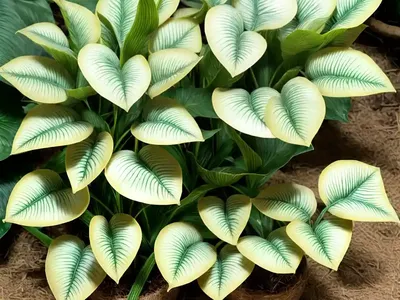
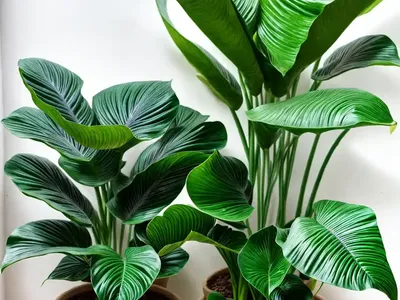
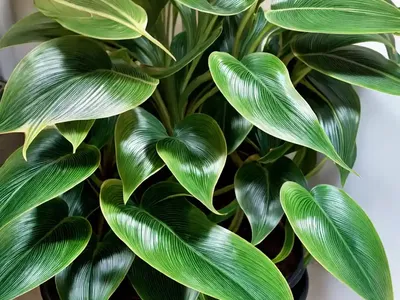
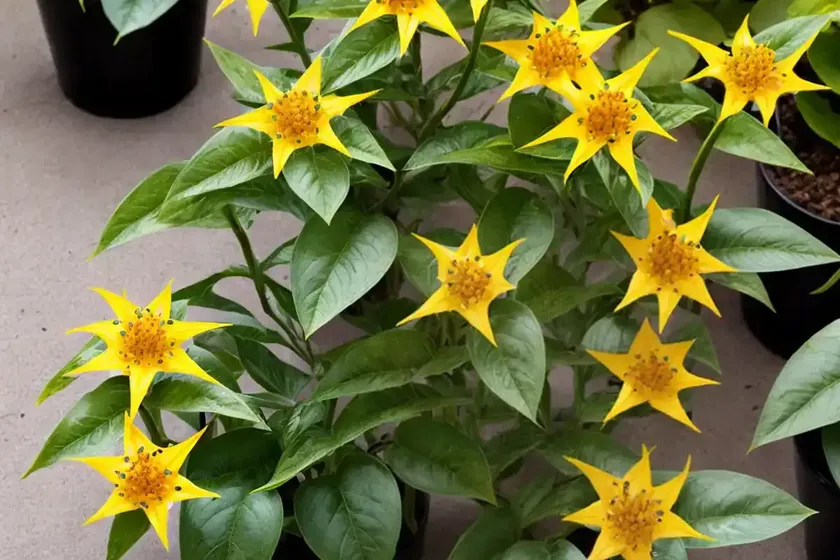
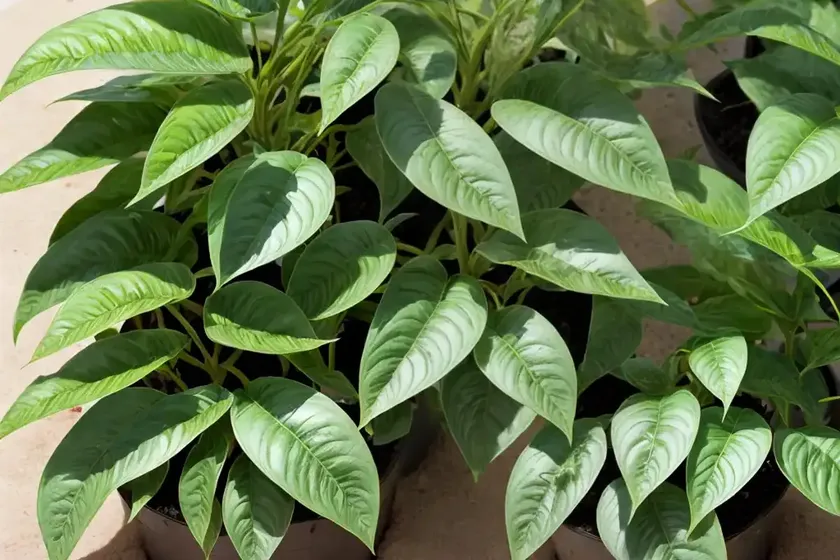
- Leaves: The plant is characterized by large, heart-shaped or arrowhead-shaped leaves that can vary in size, typically reaching lengths of up to 1.5 meters. The leaves often exhibit prominent veining, contributing to their visual appeal.
- Tubers: Tannia produces underground tubers that are a vital part of the plant. These tubers are starchy and serve as a source of nutrition in various culinary and traditional practices.
- Flowers and Fruits: In its natural habitat, tannia can produce inconspicuous flowers and clusters of berries, although the plant is predominantly cultivated for its leaves and tubers.
Cultivation of Tannia (Xanthosoma sagittifolium)
Water
Water is a crucial element in the cultivation of tannia plants, as it directly impacts the plant’s growth and overall health. Tannia plants thrive in consistently moist soil, but they are susceptible to waterlogging. Finding the right balance is essential to avoid both underwatering and overwatering the plant.
-
Watering Schedule: Tannia plants generally require regular watering, especially during periods of active growth and in warm weather. However, it is important to ensure that the soil has adequate drainage to prevent water accumulation around the roots.
-
Moisture Retention: Mulching the soil around the base of the tannia plant can help retain moisture and regulate soil temperature, providing an environment conducive to healthy growth.
-
Observe Plant Response: Monitoring the plant’s response to watering practices is crucial. Adjust the watering frequency based on the plant’s water needs and environmental conditions.
Sunlight
Proper sunlight exposure plays a pivotal role in the growth and development of tannia plants. Generally, tannia plants thrive in partially shaded to shaded environments, making them suitable for cultivation in areas with varying light levels.
-
Ideal Light Conditions: Tannia plants prefer indirect or dappled sunlight. In regions with intense sunlight, providing shade during the hottest part of the day can help prevent leaf scorch and maintain the plant’s health.
-
Adjusting Light Exposure: Assess the plant’s response to its current light exposure. If the leaves display signs of sunburn or appear stressed, consider adjusting the plant’s positioning to provide a more suitable light environment.
-
Seasonal Considerations: During colder seasons, ensuring that tannia plants receive sufficient light is crucial to promote healthy growth, particularly when growth may slow down due to lower temperatures.
Fertilizer
Appropriate fertilization is essential for tannia plants to support their growth, leaf production, and tuber development. Understanding the plant’s nutritional requirements and applying fertilizer at the right intervals is key to maintaining vigorous tannia plants.
-
Nutrient Requirements: Tannia plants benefit from a balanced fertilizer with a higher ratio of potassium, which promotes tuber development. Additionally, a fertilizer with micronutrients can help address specific nutrient deficiencies.
-
Fertilizer Application: Apply fertilizer during the plant’s active growing season, typically in spring and summer. Distribute the fertilizer evenly around the base of the plant and water thoroughly to ensure proper absorption.
-
Observation and Adjustment: Monitor the plant’s growth and leaf development. Adjust the fertilizer applications based on the plant’s response and overall vigor.
Soil
The choice of soil and its characteristics profoundly impact the growth and productivity of tannia plants. Providing a suitable growing medium ensures optimal nutrient uptake and root development, fostering healthy and robust plants.
-
Well-Draining Soil: Tannia plants thrive in well-draining, organically rich soil. Incorporating organic matter, such as compost or well-rotted manure, can improve soil structure and fertility.
-
Soil pH: Tannia plants prefer slightly acidic to neutral soil pH (6.0-7.0). Conduct a soil test to determine the pH level and make necessary adjustments to create an optimal growing environment for the plant.
-
Container Considerations: If cultivating tannia in containers, select a well-draining potting mix to provide adequate aeration and prevent waterlogging of the plant’s roots.
Pruning
Tannia plants generally require minimal pruning, primarily for the management of dead or damaged leaves and to maintain the plant’s overall appearance. Pruning practices are relatively straightforward and focus on promoting the plant’s health and aesthetics.
-
Leaf Pruning: Remove any yellowing, damaged, or diseased leaves as needed. Pruning can help redirect the plant’s energy towards healthy leaf production and tuber development.
-
Pruning Tools: Use clean, sharp pruning shears or scissors to make precise cuts, minimizing the risk of introducing infections or causing unnecessary damage to the plant.
-
Regular Inspection: Periodically inspect the plant for any signs of leaf damage, pest infestation, or disease. Promptly remove affected foliage to prevent the spread of pathogens.
Propagation
Propagating tannia plants offers an opportunity to expand their presence in gardens and landscapes, as well as to share the plant with others who appreciate its beauty and utility. Various propagation methods can be employed to multiply tannia plants and propagate new individuals.
-
Tuber Division: Dividing the plant’s tubers is a common and reliable method of propagation. Select healthy tubers with well-developed ‘eyes’ or growth points, and carefully divide them into sections, ensuring each section has viable buds.
-
Cutting Propagation: Stem cuttings can also be used to propagate tannia plants. Select healthy, disease-free stems and root them in a suitable growing medium to establish new plants.
-
Rhizome Division: While tannia plants typically produce tuberous growth, some varieties may form rhizomes that can be divided and propagated to create new plants.
-
Propagation Considerations: Propagate tannia plants during the plant’s active growing season, providing optimal conditions to support new root and shoot development.
Container Popularity
Tannia plants have gained popularity as container specimens, particularly in regions where their growth conditions can be more controlled and monitored. Cultivating tannia in containers offers several benefits, making it an attractive option for home gardeners and plant enthusiasts.
-
Space Efficiency: Growing tannia in containers allows individuals with limited outdoor space to enjoy the plant’s ornamental beauty and harvestable tubers without the need for expansive garden beds.
-
Portability: Containers provide the flexibility to move tannia plants to different locations, optimizing their exposure to sunlight and adjusting their growing conditions as needed.
-
Temperature Control: In regions with cooler climates, cultivating tannia in containers enables individuals to bring the plants indoors during colder months, providing protection from frost and low temperatures.
-
Aesthetic Appeal: Tannia plants make striking container specimens, adding a tropical flair to outdoor and indoor spaces with their bold, arrowhead-shaped leaves and vibrant green foliage.
Common Diseases
Tannia plants, like many other cultivated species, can be susceptible to certain diseases that may affect their overall health and vitality. Recognizing the signs of common diseases and implementing preventative measures is crucial in preserving the well-being of tannia plants.
-
Leaf Spot: Leaf spot diseases, often caused by fungal pathogens, can manifest as dark lesions or spots on the plant’s leaves. Maintain good air circulation and avoid overhead watering to prevent the spread of leaf spot diseases.
-
Tuber Rots: Excessive moisture and poor drainage can contribute to tuber rots, leading to decay and deterioration of the plant’s essential storage organs. Proper watering practices and well-draining soil are critical in mitigating tuber rots.
-
Bacterial Blight: Bacterial blight can cause wilting, discoloration, and tissue necrosis in tannia plants. Practice proper sanitation and promptly remove and dispose of infected plant material to prevent the spread of the disease.
-
Viral Diseases: Several viral diseases can affect tannia plants, resulting in stunted growth, leaf abnormalities, and reduced vigor. Implementing insect control measures can help mitigate the spread of viruses carried by insect vectors.
Disease Diagnosis
Diagnosing diseases in tannia plants involves careful observation of symptoms and signs, as well as an understanding of the prevalent diseases that may affect the species. By recognizing disease indicators and conducting thorough assessments, it is possible to identify and address potential health concerns in tannia plants.
-
Symptom Identification: Look for characteristic symptoms such as leaf spots, wilting, yellowing, or abnormalities in leaf and stem growth. Note any changes in the plant’s appearance and behavior.
-
Sign Assessment: Check for physical signs of disease, such as fungal growth, bacterial ooze, or viral lesions. These visible signs can provide valuable clues about the nature of the disease affecting the plant.
-
Expert Consultation: If in doubt about disease diagnosis, seek advice from horticulturists, plant pathologists, or local agricultural extension services for accurate identification and tailored management recommendations.
Common Pests
Pests can pose a considerable threat to tannia plants, potentially causing damage to leaves, stems, and tubers. Understanding the common pests that may target tannia plants and implementing proactive pest management measures is essential in protecting the plants from infestations.
-
Aphids: These small, sap-sucking insects can congregate on the undersides of tannia leaves, causing distortion and discoloration of foliage. Insecticidal soaps or horticultural oils can help control aphid populations.
-
Spider Mites: Spider mites are tiny arachnids that can infest tannia plants, leading to stippled, discolored leaves and webbing on the foliage. Regularly spraying the plants with water and implementing natural predators can help manage spider mite infestations.
-
Caterpillars: Caterpillars and leaf-eating larvae can feed on tannia leaves, causing visible damage and defoliation. Hand-picking caterpillars and employing biological controls can help limit their impact on tannia plants.
-
Snails and Slugs: These mollusks can feed on tannia leaves and tubers, leaving behind characteristic slime trails and irregular feeding damage. Implementing physical barriers and using organic slug and snail baits can help protect tannia plants from these pests.
Botanist’s Tips
- Cultural Significance: Recognize the cultural and traditional significance of tannia plants in different regions, appreciating their role in cuisines, rituals, and agricultural practices.
- Tuber Harvesting: Exercise care and attention when harvesting tannia tubers, ensuring that they are gently unearthed and handled to prevent damage.
- Seasonal Adjustments: Adapt cultivation practices and care routines based on seasonal changes, providing tailored support for tannia plants during periods of growth and dormancy.
Fun Facts
- Ethnobotanical Importance: Tannia plants hold significant ethnobotanical importance, featuring in various cultural traditions, healing practices, and culinary customs across tropical regions.
- Folklore and Symbolism: In certain cultures, the tannia plant is associated with symbolism and folklore, embodying meanings related to sustenance, prosperity, and spiritual significance.
Links to External Resources
For additional insights and information on tannia plants, explore the following external resources:
- Tannia: A Staple Root Crop for the Tropics
- Growing Tannia and Malanga in the Florida Home Garden
- Ethnobotany of Xanthosoma spp.
- The World’s Healthiest Foods: Tannia
In conclusion, the tannia plant, scientifically known as Xanthosoma sagittifolium, encompasses a rich tapestry of cultural, culinary, and botanical significance. From its striking arrowhead-shaped leaves to its nutrient-rich tubers, the tannia plant holds considerable value in diverse landscapes, serving both practical and symbolic purposes. By understanding its cultivation, uses, growth conditions, and potential challenges, individuals can appreciate and harness the full potential of this intriguing plant. Whether harboring an interest in traditional medicine, ethnobotany, or sustainable agriculture, the tannia plant offers a compelling subject for exploration and appreciation.