Tania (Xanthosoma Sagittifolium)
Plants have always been an essential part of human life, serving as a source of food, medicine, and beauty. Among the diverse array of plants that grace.
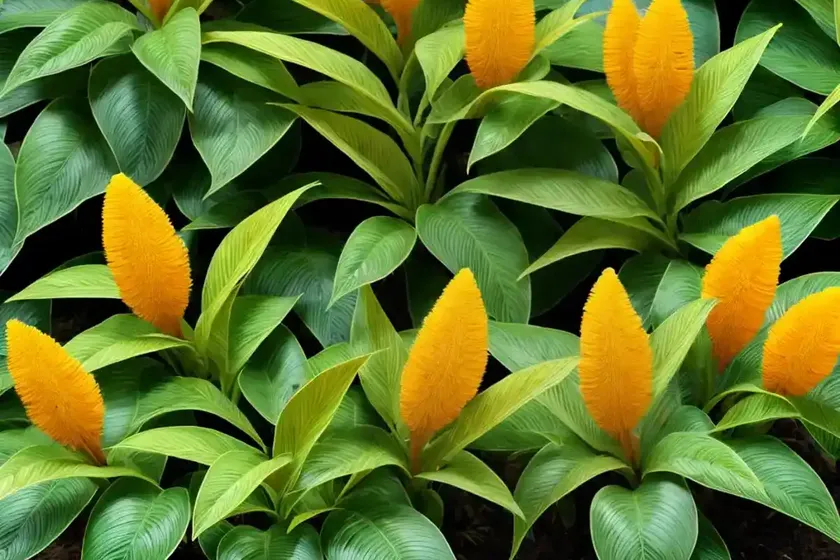
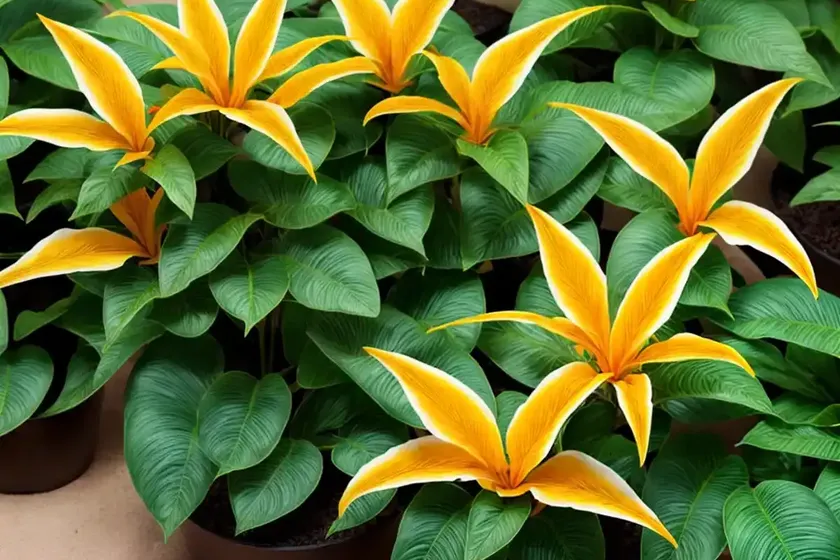
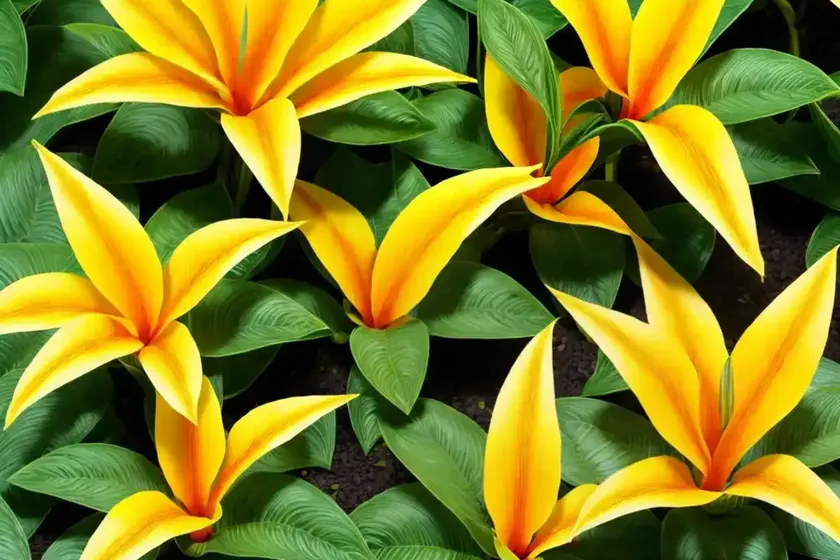
Plants have always been an essential part of human life, serving as a source of food, medicine, and beauty. Among the diverse array of plants that grace the Earth, Tania (Xanthosoma sagittifolium) holds a special place. This tropical plant is not only valued for its culinary uses but also for its ornamental qualities and potential health benefits. In this comprehensive guide, we will delve into the world of Tania, exploring its characteristics, cultivation practices, uses, and much more.
What is Tania (Xanthosoma Sagittifolium)?
Tania, scientifically known as Xanthosoma sagittifolium, is a perennial, tropical plant native to the Americas. Belonging to the Araceae family, it is closely related to taro (Colocasia esculenta) and elephant ear (Alocasia spp.). Tania is known by various names depending on the region, including “yautia” in the Caribbean, “malanga” in Latin America, and “cocoyam” in West Africa.
This plant is highly valued for its edible corms and leaves, which play a significant role in the cuisines of many cultures. Beyond its culinary uses, Tania is also cherished for its striking foliage, making it a popular choice for ornamental gardening.
Key Takeaways – Tania (Xanthosoma Sagittifolium)
To truly understand and appreciate Tania, it is essential to explore its various facets. This entails delving into its cultural significance, uses, and the key factors that contribute to its successful cultivation.
Culture
Tania holds cultural and culinary significance in many tropical and subtropical regions. It is a staple food in the Caribbean, particularly in Puerto Rico and the Dominican Republic, where it is used in traditional dishes such as pasteles and alcapurrias. In Latin American cuisine, Tania is often featured in soups, stews, and casseroles, contributing a unique flavor and texture to the dishes.
Uses
The uses of Tania extend beyond the culinary realm. In addition to its role as a food source, Tania has been utilized for its potential medicinal properties in various traditional healing systems. Its large, lush leaves and visually striking appearance also make it a sought-after plant for landscaping and ornamental gardening.
Water
Proper watering is crucial for the healthy growth of Tania. As a tropical plant, it thrives in humid conditions and requires consistently moist soil. However, it is vital to avoid waterlogged conditions, as this can lead to root rot and other issues.
Sunlight
Tania prefers partial to full shade, making it an ideal choice for gardens with limited direct sunlight. However, it should be shielded from harsh midday sun, especially in hotter climates where excessive sun exposure can scorch the leaves.
Fertilizer
Applying a balanced, slow-release fertilizer during the growing season can help promote healthy foliage and corm development in Tania. Additionally, organic matter such as compost can be incorporated into the soil to enhance its fertility and structure.
Soil
Tania thrives in well-draining, organically rich soil with a slightly acidic to neutral pH. Amending the soil with compost, peat moss, or well-rotted manure can improve its texture and nutrient content, providing an optimal growing environment for the plant.
Pruning
Regular pruning of old or damaged leaves can help maintain the overall health and appearance of Tania. Furthermore, removing spent flowers can promote continued blooming and prevent the plant from expending energy on seed production.
Propagation
Tania can be propagated through division, where the corm is carefully separated into sections, each containing at least one bud or growing point. These divisions can be planted individually to create new Tania plants.
Container Popularity
Due to its ornamental appeal and manageable size, Tania is a popular choice for container gardening. Its striking foliage adds a tropical touch to outdoor and indoor spaces, making it an attractive option for plant enthusiasts with limited garden space.
Common Diseases
Tania may be susceptible to certain diseases, including fungal infections such as leaf blight and root rot. Proper cultural practices and vigilant monitoring can help prevent and manage these issues.
Disease Diagnosis
Diagnosing potential diseases in Tania involves careful observation of the plant’s foliage, stems, and roots for any signs of discoloration, lesions, or wilting. Prompt intervention and appropriate treatment can help address disease issues effectively.
Common Pests
While Tania is relatively resistant to many pests, it may occasionally face challenges from aphids, mites, and certain caterpillar species. Implementing integrated pest management strategies can help keep pest populations in check.
Botanist’s Tips
- To support healthy growth and development, provide Tania with consistently moist, well-draining soil.
- Monitor the plant regularly for any signs of stress, disease, or pest infestations, addressing any issues promptly.
- When trying Tania for the first time, consider starting with a small container or plot to gauge its performance in your specific growing conditions.
Fun Facts
- Tania leaves are often used in cultural traditions, including the wrapping of food items such as tamales in Latin American cuisine.
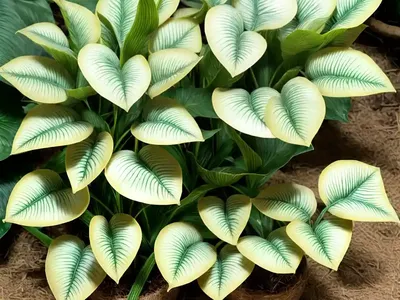
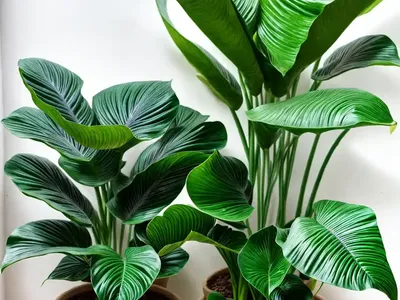
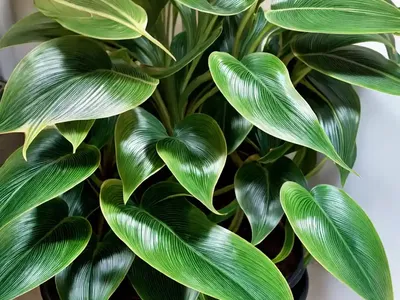
- The plant’s large, arrowhead-shaped leaves give it a dramatic and exotic appearance, making it a striking addition to tropical-themed gardens.
For additional detailed information on Tania (Xanthosoma Sagittifolium), refer to the external resources provided below:
- Tania Plant Care Guide
- How to Grow Tania (Xanthosoma Sagittifolium)
- Tania Plant Characteristics and Varieties
- Tania Plant Propagation Techniques
- Managing Diseases and Pests in Tania Plants
- Soil Requirements for Growing Tania Plants
- Sunlight Needs of Tania Plants
- Tips for Pruning Tania Plants
- Watering Guide for Tania Plants
- Fertilization Techniques for Tania Plants
In the following sections, we will explore each of these aspects in depth, providing a comprehensive resource for anyone interested in the cultivation and utilization of Tania.
Tania Plant Name: “Tania (Xanthosoma Sagittifolium)”
Tania, known scientifically as Xanthosoma sagittifolium, is a fascinating tropical plant with a rich cultural history and a wide range of practical uses. Understanding its care requirements, diversity, and potential benefits is essential for anyone seeking to cultivate and appreciate this unique botanical gem. In the following sections, we will delve into the various aspects of Tania, offering insights into its cultivation, uses, and much more.
As you embark on your journey to explore the world of Tania, keep in mind the multitude of resources available to support your endeavors. Whether you are a seasoned gardener or a novice plant enthusiast, the diverse facets of Tania offer endless opportunities for learning, creativity, and appreciation of the natural world.
Tania Plant Care
Caring for Tania (Xanthosoma sagittifolium) involves understanding its specific needs and adapting cultivation practices accordingly. From proper watering and sunlight requirements to soil preparation and disease management, each aspect of plant care plays a crucial role in fostering the health and vitality of Tania. Let’s explore the key elements of Tania plant care to ensure the successful cultivation of this tropical gem.
How to Grow Tania (Xanthosoma Sagittifolium)
Cultivation Requirements
Tania thrives in tropical and subtropical climates, where it can be grown outdoors as a perennial in suitable conditions. However, it can also be cultivated as an ornamental or edible plant in containers, allowing for widespread cultivation even in non-tropical regions. Understanding the specific requirements for growing Tania is vital for its successful establishment and development.
Tania Plant Characteristics and Varieties
Tania exhibits a range of characteristics that contribute to its visual appeal and practical uses. Its large, arrowhead-shaped leaves and prominent petioles make it a striking addition to gardens and landscapes, while its edible corms provide a valuable food source in many cultures. Exploring the different varieties of Tania can reveal the diversity within this species, offering unique options for gardens and culinary pursuits.
Tania Plant Propagation
Propagation is an essential aspect of cultivating Tania, allowing for the expansion of its presence in gardens and agricultural settings. Understanding the various methods of propagating Tania, such as division and seed propagation, enables individuals to increase their Tania population and share this botanical treasure with others.
Tania Plant Diseases and Pests
Managing diseases and pests is a key consideration in Tania plant care. By identifying common diseases and pests that affect this species, individuals can implement proactive measures to safeguard their plants and maintain their health and vigor. Additionally, understanding the environmental and cultural factors that contribute to disease and pest resistance in Tania can inform cultivation practices that promote plant resilience.
Tania Plant Soil Requirements
Healthy soil forms the foundation for successful Tania cultivation. By addressing the specific soil requirements of Tania, including texture, fertility, and pH, individuals can create an optimal growing environment that supports robust growth and corm development.
Tania Plant Sunlight Needs
Proper sunlight exposure is essential for the health and vitality of Tania. Understanding its sunlight requirements, including ideal light levels and potential sun exposure issues, enables individuals to position their plants optimally and promote vigorous growth.
Tania Plant Pruning Tips
Pruning plays a role in maintaining the overall health and appearance of Tania. By implementing proper pruning techniques, individuals can enhance the aesthetic appeal of their plants while supporting vigorous foliage growth and corm development.
Tania Plant Watering Guide
Effective watering practices are crucial for the well-being of Tania. Understanding its water needs, as well as considerations such as moisture levels, drainage, and potential water-related issues, empowers individuals to provide optimal care for their plants.
Tania Plant Fertilization Techniques
Fertilization contributes to the overall nutrition and vitality of Tania. By applying appropriate fertilization techniques, individuals can ensure that their plants receive essential nutrients for robust growth and corm production.
Tania Plant Companion Planting
Companion planting offers opportunities to enhance the growth and performance of Tania. By selecting suitable companion plants and understanding their synergistic effects, individuals can create planting arrangements that benefit Tania and neighboring species.
Tania Plant Container Gardening
Growing Tania in containers provides flexibility and accessibility for individuals with limited outdoor space. Understanding the unique considerations of container gardening for Tania, including container selection, soil media, and container size, supports successful cultivation in diverse settings.
Tania Plant Outdoor Cultivation
Tania can thrive in outdoor settings, provided that it receives the necessary care and attention. By considering outdoor cultivation practices, including site selection, climate considerations, and protective measures, individuals can foster healthy and productive Tania plants in their gardens or landscapes.
Tania Plant Indoor Growing
Indoor cultivation of Tania offers opportunities for year-round enjoyment and accessibility. Understanding the specific requirements for indoor growing, including lighting, humidity, and temperature considerations, empowers individuals to cultivate Tania successfully indoors.
Tania Plant Benefits
The benefits of Tania extend beyond its ornamental and culinary value. From its potential health benefits and ecological contributions to its cultural significance, Tania offers a range of advantages that enrich the lives of those who cultivate and appreciate this remarkable plant.
In the following sections, we will explore each of these aspects in greater detail, providing insights and practical guidance for individuals interested in the care and cultivation of Tania (Xanthosoma sagittifolium). As we delve into the diverse elements of Tania plant care, we will uncover the richness and potential of this captivating species, offering a comprehensive resource for plant enthusiasts and cultivators.
References:
1. Tania Plant Care Guide – Link
2. How to Grow Tania (Xanthosoma Sagittifolium) – Link
3. Tania Plant Characteristics and Varieties – Link
4. Tania Plant Propagation Techniques – Link
5. Managing Diseases and Pests in Tania Plants – Link
6. Soil Requirements for Growing Tania Plants – Link
7. Sunlight Needs of Tania Plants – Link
8. Tips for Pruning Tania Plants – Link
9. Watering Guide for Tania Plants – Link
10. Fertilization Techniques for Tania Plants – Link