Syngonium Hoffmannii (Nephthytis)
Plants have always fascinated us with their diverse forms, captivating colors, and unique characteristics. Among the myriad of plant species, the Syngonium.
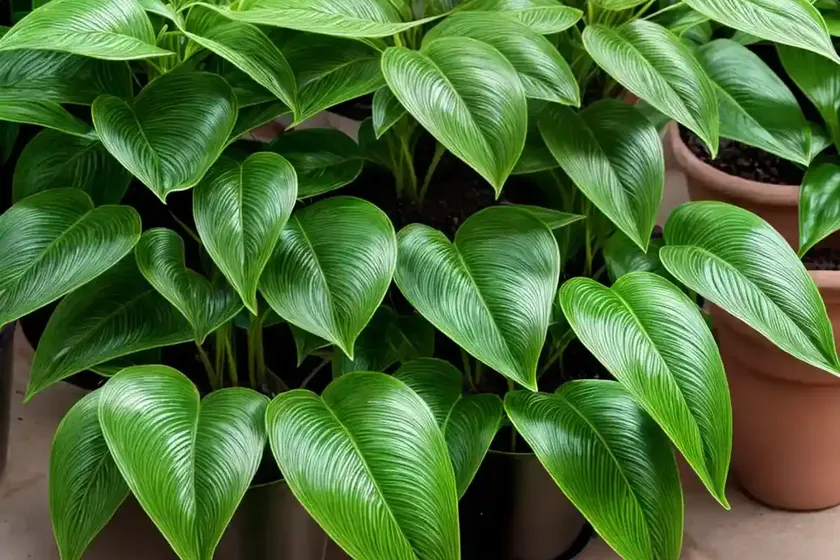
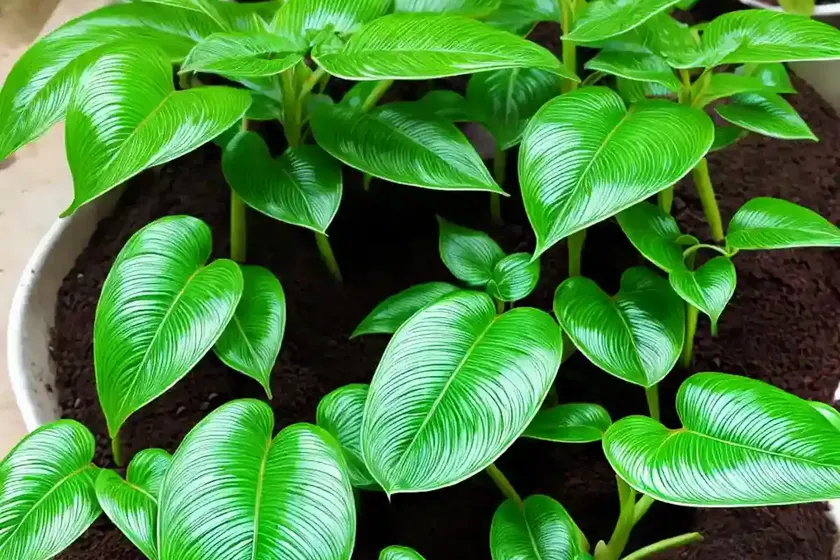
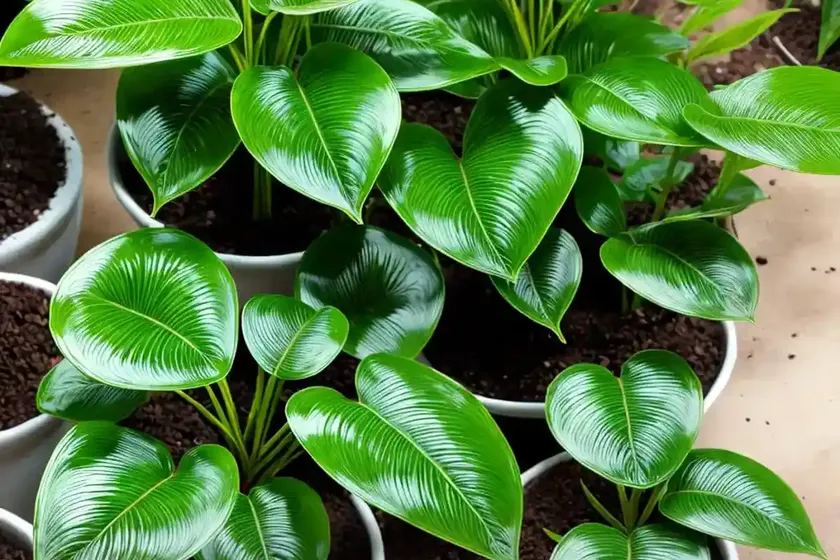
Plants have always fascinated us with their diverse forms, captivating colors, and unique characteristics. Among the myriad of plant species, the Syngonium Hoffmannii, also known as Nephthytis, stands out as a remarkable specimen. With its striking foliage and versatile growth habits, the Syngonium Hoffmannii has captured the interest of plant enthusiasts and horticulturists around the world.
In this extensive guide, we will delve into the captivating realm of the Syngonium Hoffmannii, exploring its cultural significance, diverse uses, optimal care requirements, and much more. Whether you are a seasoned plant aficionado or a novice gardener, this comprehensive resource will equip you with valuable insights into the captivating world of Syngonium Hoffmannii.
What is Syngonium Hoffmannii (Nephthytis)?
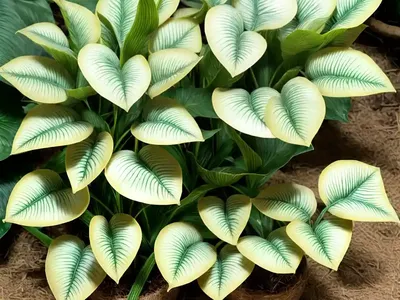
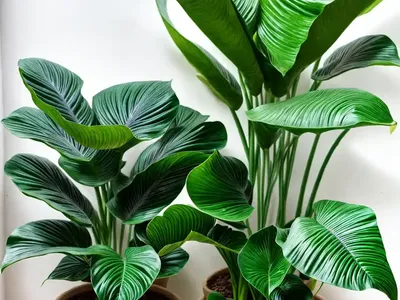
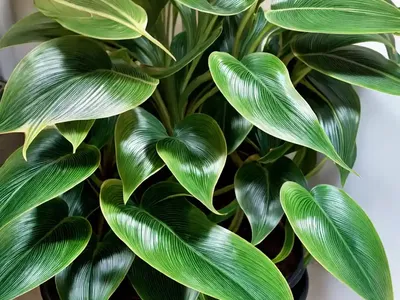
Syngonium Hoffmannii, commonly referred to as Nephthytis, is a species of flowering plant in the Araceae family. Its unique botanical features make it a sought-after ornamental plant, gracing indoor and outdoor environments with its vibrant foliage. Syngonium Hoffmannii is renowned for its elegant, arrowhead-shaped leaves and a lush, trailing growth habit, making it an ideal choice for various decorative and horticultural purposes.
Key Takeaways – Syngonium Hoffmannii (Nephthytis)
Before we embark on our journey to uncover the captivating aspects of Syngonium Hoffmannii, let’s take a moment to highlight the key takeaways that will be explored in-depth throughout this guide:
- Cultural Significance: Understanding the cultural and historical significance of Syngonium Hoffmannii.
- Uses: Exploring the versatile uses of Syngonium Hoffmannii in different settings.
- Optimal Care: Delving into the essential care requirements, including water, sunlight, fertilizer, soil, and pruning.
- Propagation: Uncovering the propagation techniques crucial for cultivating Syngonium Hoffmannii.
- Container Popularity: Analyzing the suitability of different types of containers for Syngonium Hoffmannii.
- Common Diseases and Pests: Identifying potential diseases and pests that can affect Syngonium Hoffmannii, along with effective management strategies.
- Botanist’s Tips: Gaining insights and tips from experienced botanists for successfully cultivating and maintaining Syngonium Hoffmannii.
- Fun Facts: Discovering intriguing and lesser-known facts about Syngonium Hoffmannii.
Now, let’s embark on an exciting exploration of the captivating world of Syngonium Hoffmannii, encompassing its rich heritage, optimal care guidelines, and fascinating attributes that make it a beloved addition to any plant collection.
Cultural Significance of Syngonium Hoffmannii
The Syngonium Hoffmannii holds not only botanical significance but also cultural and historical importance in various regions where it is cultivated. Understanding its cultural resonance provides a deeper appreciation for this remarkable plant and its enduring allure.
Historical Significance
Syngonium Hoffmannii has been cultivated for centuries, with its origins traced back to the tropical regions of Central and South America. In these regions, it holds cultural significance and is often intertwined with traditional practices and beliefs.
The lush and vibrant foliage of Syngonium Hoffmannii has historically been associated with symbolism, representing traits such as growth, resilience, and prosperity. In some cultures, it has been revered for its aesthetic appeal and has been featured in art, literature, and ceremonial traditions.
Contemporary Cultural Impact
In contemporary society, Syngonium Hoffmannii has transcended its historical roots and has become a prized ornament in indoor horticulture and botanical collections. Its unique foliage and compact growth habit have made it a popular choice among plant enthusiasts, interior decorators, and urban gardeners.
Understanding the cultural significance of Syngonium Hoffmannii provides a holistic perspective on its enduring appeal and the diverse ways in which it continues to captivate the hearts of plant enthusiasts worldwide.
Uses of Syngonium Hoffmannii
The diverse uses of Syngonium Hoffmannii extend beyond its ornamental value, encompassing a spectrum of practical and aesthetic applications. Whether as a decorative element in interior spaces or as a natural air purifier, Syngonium Hoffmannii assumes multifaceted roles in various settings.
Ornamental Use
One of the primary uses of Syngonium Hoffmannii is as an ornamental plant, adorning homes, offices, and commercial spaces with its striking foliage. Its compact growth habit and visually appealing leaves make it an ideal choice for tabletop displays, hanging baskets, and decorative arrangements.
Air Purification
Syngonium Hoffmannii also contributes to indoor air quality through its natural air purification properties. The plant is known for its ability to remove toxins such as formaldehyde, xylene, and toluene from the surrounding environment, making it a valuable addition to indoor spaces.
Psychological Well-being
In addition to its aesthetic and air-purifying qualities, the presence of Syngonium Hoffmannii has been linked to psychological well-being. Its lush foliage and vibrant colors have a calming and rejuvenating effect, contributing to a sense of tranquility and harmony in interior settings.
Cultural and Ceremonial Uses
In certain cultures, Syngonium Hoffmannii holds ceremonial significance and may be featured in rituals, celebrations, or traditional practices. Its lush foliage and symbolic associations make it a revered plant in specific cultural contexts.
The diverse uses of Syngonium Hoffmannii underscore its versatile nature and the myriad ways in which it enriches and enhances both indoor and outdoor environments.
Optimal Care for Syngonium Hoffmannii
To ensure the health and vitality of Syngonium Hoffmannii, it is essential to understand and implement optimal care practices. From watering and sunlight requirements to soil composition and pruning techniques, each aspect of care plays a pivotal role in nurturing this remarkable plant.
Water
Maintaining appropriate moisture levels is crucial for the well-being of Syngonium Hoffmannii. While it thrives in slightly moist conditions, overwatering must be avoided to prevent the risk of root rot. Ensuring adequate drainage and allowing the soil to dry slightly between watering intervals can help promote optimal growth.
Syngonium Hoffmannii Watering Needs
- Moisture: Syngonium Hoffmannii thrives in moderately moist soil. Keep the soil evenly moist but avoid waterlogging.
- Frequency: Water the plant when the top inch of the soil feels dry. Adjust the frequency based on environmental conditions and seasonal changes.
- Watering Technique: Use a watering can or sprayer to apply water gently to the soil, allowing it to penetrate the root zone without causing compaction.
Sunlight
Syngonium Hoffmannii exhibits a preference for bright, indirect light, making it well-suited for indoor environments with ample natural illumination. While it can tolerate lower light conditions, providing moderate to bright indirect sunlight fosters healthy foliage growth and vibrant leaf coloration.
Syngonium Hoffmannii Sunlight Requirements
- Light Exposure: Place the plant in an area with bright, indirect sunlight. Shield it from direct sun exposure to prevent leaf scorching and maintain leaf variegation.
- Light Duration: Aim for 6-8 hours of indirect sunlight daily, adjusting the placement as the sun’s position changes throughout the day.
Fertilizer
Feeding Syngonium Hoffmannii with a balanced, water-soluble fertilizer can bolster its growth and enhance foliage development. During the active growing season, providing a diluted fertilizer solution at regular intervals can help supply essential nutrients for sustained vitality.
Syngonium Hoffmannii Fertilizer Needs
- Fertilizer Type: Use a balanced, water-soluble fertilizer with equal N-P-K (nitrogen, phosphorus, potassium) proportions to support overall plant health and foliage growth.
- Application Frequency: Apply fertilizer every 2-4 weeks during the growing season, reducing the frequency during the dormant period. Follow the manufacturer’s guidelines for dilution and application rates.
Soil
The choice of well-draining and nutrient-rich soil is pivotal for cultivating Syngonium Hoffmannii. A porous and aerated potting mix that retains moisture without becoming waterlogged can provide an optimal growing medium for the plant’s root system.
Syngonium Hoffmannii Potting Soil
- Soil Composition: Use a well-draining potting mix rich in organic matter, such as a blend of peat moss, perlite, and coarse sand.
- Aeration and Drainage: Ensure that the soil allows for effective aeration and drainage to prevent waterlogged conditions, which can lead to root rot.
Pruning
Periodic pruning is beneficial for maintaining the shape, density, and overall vigor of Syngonium Hoffmannii. Trimming leggy growth, removing damaged foliage, and shaping the plant can promote a tidy appearance and encourage new growth.
Syngonium Hoffmannii Pruning Tips
- Tip Removal: Trim the growing tips regularly to encourage branching and a bushier growth habit.
- Leaf Pruning: Remove yellowing or damaged leaves promptly to prevent the spread of diseases and maintain plant aesthetics.
Propagation
Syngonium Hoffmannii Propagation
- Propagation Methods: Syngonium Hoffmannii can be propagated through stem cuttings and division of the root ball.
- Rooting Medium: Place stem cuttings in a moist rooting medium, such as a mix of perlite and peat, to facilitate root development.
- Division Technique: When dividing the root ball, ensure that each division has sufficient roots and foliage to support independent growth.
Container Popularity for Syngonium Hoffmannii
Selecting the appropriate container is essential for accommodating the growth requirements of Syngonium Hoffmannii and creating an aesthetically pleasing display. The choice of container influences factors such as root development, moisture retention, and overall plant health.
Common Container Types
Syngonium Hoffmannii Container Selection
| Container Type | Description |
|---|---|
| Ceramic Pots | Offer decorative appeal and come in various colors and patterns. |
| Hanging Baskets | Ideal for trailing growth, providing an airy and visually appealing display. |
| Self-Watering Pots | Facilitate consistent moisture supply and reduce watering frequency. |
| Terracotta Pots | Provide excellent aeration and moisture regulation for the root system. |
Container Considerations
When selecting a container for Syngonium Hoffmannii, consider the following factors:
- Size: Choose a container that accommodates the plant’s root system and allows for future growth without becoming excessively large.
- Drainage Holes: Opt for containers with adequate drainage holes to prevent waterlogging and root rot.
- Aesthetics: Select a container that complements the plant’s foliage and the overall décor of the space.
Choosing an appropriate container for Syngonium Hoffmannii is essential for fostering healthy growth and enhancing its visual appeal within any environment.
Common Diseases and Pests
Like any plant, Syngonium Hoffmannii is susceptible to certain diseases and may encounter pest-related issues. Recognizing and effectively managing these challenges is crucial for safeguarding the plant’s well-being and vitality.
Disease Diagnosis
Syngonium Hoffmannii Common Problems
- Leaf Spot: Manifests as dark, water-soaked lesions on the foliage, often caused by fungal pathogens. Maintain proper air circulation and address underlying moisture issues to prevent leaf spot.
- Root Rot: Results from prolonged waterlogged conditions, leading to the decay of the plant’s root system. Adjust watering practices and ensure adequate drainage to prevent root rot.
Common Pests
Syngonium Hoffmannii Pests Control
- Spider Mites: Small, web-spinning pests that can infest the undersides of the leaves, causing stippling and discoloration. Use gentle insecticidal sprays and maintain a humid environment to deter spider mite infestations.
- Mealybugs: Soft-bodied insects that cluster on the foliage and stems, feeding on plant sap and secreting honeydew. Use insecticidal soaps and neem oil to eradicate mealybug infestations effectively.
Vigilant monitoring and prompt intervention can help mitigate the impact of diseases and pests, safeguarding the health and appearance of Syngonium Hoffmannii.
Botanist’s Tips for Syngonium Hoffmannii
Drawing insights and recommendations from experienced botanists sheds light on advanced care techniques and cultivation strategies that can elevate the vitality and beauty of Syngonium Hoffmannii.
Botanist’s Insights
- Humidity Management: Maintaining adequate humidity levels through methods such as misting, humidifiers, or pebble trays can enhance the lushness and vibrancy of Syngonium Hoffmannii’s foliage.
- Support Structures: Providing a moss pole or trellis can encourage a trailing growth habit in Syngonium Hoffmannii, adding vertical interest and promoting overall plant vigor.
Incorporating tips from seasoned botanists can amplify the success of cultivating and caring for Syngonium Hoffmannii, enriching the experience of nurturing this exceptional plant.
Fun Facts About Syngonium Hoffmannii
Uncovering intriguing and lesser-known facts about Syngonium Hoffmannii adds an element of fascination to its already captivating allure. Let’s delve into some fun and remarkable tidbits about this exceptional plant:
- Natural Variegation: Some varieties of Syngonium Hoffmannii exhibit striking variegation patterns, with leaves showcasing a captivating blend of colors, from creamy whites to vibrant greens.
- Air Purification: As part of the Araceae family, Syngonium Hoffmannii contributes to air purification by filtering out pollutants, enhancing indoor air quality, and promoting a healthier living environment.
- Pet-Friendly: Unlike certain plants that pose risks to pets, Syngonium Hoffmannii is considered non-toxic to cats and dogs, making it a safe and pet-friendly addition to households.
- Trailing Growth: Certain Syngonium Hoffmannii varieties feature a cascading growth habit, making them an ideal choice for hanging baskets, shelf displays, and vertical arrangements.
These captivating fun facts add depth to the enchanting nature of Syngonium Hoffmannii, elevating its appeal as a cherished plant in horticulture and decorative settings.
Conclusion
The spectrum of attributes and care requirements associated with Syngonium Hoffmannii (Nephthytis) underscores its remarkable versatility and enduring allure. From its rich cultural significance to its multifaceted uses and optimal care guidelines, Syngonium Hoffmannii embodies the timeless appeal of ornamental plants in the botanical world.
By embracing the insights and recommendations presented in this comprehensive guide, plant enthusiasts, horticulturists, and individuals with an appreciation for nature can embark on a fulfilling journey of cultivating, nurturing, and celebrating the captivating beauty of Syngonium Hoffmannii.
May the vibrant foliage, air-purifying qualities, and cultural resonance of Syngonium Hoffmannii continue to captivate and inspire plant lovers around the globe, fostering a deeper connection to the wondrous world of plants and their enduring significance in our lives.
By diving into the key aspects of Syngonium Hoffmannii, from its historical significance to its optimal care requirements, this comprehensive guide aims to equip readers with a profound understanding of this remarkable plant. Whether it’s for ornamental display, air purification, or cultural resonance, the versatile nature of Syngonium Hoffmannii continues to captivate plant enthusiasts and add a touch of natural splendor to diverse environments.
Click here to explore additional resources on Syngonium Hoffmannii and its captivating attributes.