Symphyotrichum oblongifolium (Aromatic Aster): A Comprehensive Guide

Plants are an incredible part of the natural world and contribute significantly to the harmony of ecosystems. Among the multitude of plant species, the Symphyotrichum oblongifolium, commonly known as the Aromatic Aster, stands out for its remarkable qualities. This article serves as a comprehensive guide to understanding and cultivating this plant, encompassing its care, characteristics, uses, and much more. Whether you are an avid gardener, a plant enthusiast, or a nature lover, this article is designed to provide you with valuable insight into the Aromatic Aster.
What is Symphyotrichum oblongifolium?
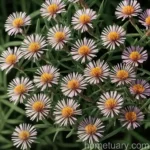
Symphyotrichum oblongifolium, or the Aromatic Aster, is a herbaceous perennial plant native to North America. Belonging to the family Asteraceae, this species is known for its stunning floral displays and aromatic foliage. The plant typically grows in an upright form, reaching a height of 1 to 3 feet and spreading 1 to 2 feet wide. Its natural habitat includes dry, rocky woods, open woods, thickets, and roadsides, highlighting its adaptability to diverse environmental conditions.
Key Takeaways – Symphyotrichum oblongifolium (Aromatic Aster)
- Scientific Name: Symphyotrichum oblongifolium
- Common Name: Aromatic Aster
- Plant Type: Herbaceous Perennial
- Native Region: North America
- Height: 1 to 3 feet
- Width: 1 to 2 feet
- Family: Asteraceae
To understand this plant better and to take care of it, we will delve into its culture, uses, and various aspects of maintenance and growth.
Culture
Understanding the cultural requirements of Symphyotrichum oblongifolium is essential for successful cultivation. The plant possesses specific preferences in terms of water, sunlight, soil, and other environmental factors. By aligning with its natural habitat, gardeners can create an optimal setting for the Aromatic Aster to thrive.
Uses
The Aromatic Aster offers a multitude of uses, ranging from ornamental beauty to medicinal properties. It has been traditionally esteemed for its aesthetic appeal in gardens, landscaping, and floral arrangements. Moreover, certain indigenous cultures have utilized its aromatic foliage for medicinal purposes. The plant’s multifaceted utility adds to its allure and significance in various settings.
Water
Proper watering is crucial for the health and growth of Symphyotrichum oblongifolium. While it exhibits a degree of drought tolerance once established, adequate moisture during its initial growth stage is beneficial. Additionally, maintaining well-draining soil can prevent waterlogging, which may adversely impact the plant.
Sunlight
Adequate sunlight is essential for the development of the Aromatic Aster. It thrives in full sun to partial shade, requiring at least 6 hours of direct sunlight daily. By ensuring an appropriate exposure to sunlight, the plant can achieve robust growth and prolific flowering.
Soil
The soil composition significantly influences the well-being of Symphyotrichum oblongifolium. It favors moderately fertile, well-drained soil with a slightly acidic to neutral pH. Incorporating organic matter into the soil can enhance its fertility and structure, promoting optimal conditions for the plant.
Fertilizer
While the Aromatic Aster is relatively low-maintenance, occasional fertilization can bolster its growth and blooming capacity. Applying a balanced, all-purpose fertilizer in spring, following the manufacturer’s recommendations, can support the plant’s nutritional requirements. Care should be taken to avoid excessive fertilization, which may lead to adverse effects.
Pruning
Pruning is an integral aspect of maintaining the Aromatic Aster’s form and vitality. Regular deadheading can encourage prolonged blooming and prevent the formation of seeds, channeling the plant’s energy into foliage and flower production. Additionally, pruning can help control the plant’s size and shape, contributing to a neat and appealing appearance.
Propagation
The propagation of Symphyotrichum oblongifolium can be achieved through various methods, including division, seeds, and stem cuttings. Each approach offers distinct advantages and challenges, empowering gardeners to choose a suitable technique based on their preferences and available resources.
Container Popularity
The Aromatic Aster’s adaptability to container gardening adds to its versatility as a plant. Its relatively compact size and ornamental value make it an appealing choice for container cultivation, allowing individuals with limited garden space to enjoy its beauty and fragrance.
Common Diseases
Despite its resilience, the Aromatic Aster is susceptible to certain diseases that can compromise its health and appearance. Familiarizing oneself with these potential ailments and their respective control measures is essential for safeguarding the plant’s well-being.
Disease Diagnosis
Identifying and diagnosing diseases affecting Symphyotrichum oblongifolium is crucial for implementing targeted treatment and prevention strategies. Common issues such as powdery mildew, aster yellows, and leaf spot require prompt attention and appropriate management to mitigate their impact on the plant.
Common Pests
Pest infestations can pose a significant threat to the Aromatic Aster, necessitating vigilant monitoring and intervention. Understanding the potential pests and their behaviors is fundamental in devising effective pest management strategies while minimizing harm to beneficial organisms.
Botanist’s Tips
Leveraging insights from experienced botanists can enrich the cultivation and care of Symphyotrichum oblongifolium. Their expertise and recommendations, honed through extensive study and practical experience, offer valuable guidance to plant enthusiasts seeking to optimize the health and aesthetics of the Aromatic Aster.
Fun Facts
Digging deeper into the world of the Aromatic Aster unveils captivating fun facts that illuminate its ecological significance, historical relevance, and unique characteristics. These insights not only enrich one’s appreciation of the plant but also contribute to its narrative as an emblematic species.
Links to External Resources
Discover more about Symphyotrichum oblongifolium and delve into additional resources for a comprehensive understanding of the Aromatic Aster:
- Symphyotrichum oblongifolium: Missouri Botanical Garden
- Aromatic Aster – Symphyotrichum oblongifolium: North Carolina Extension Gardener Plant Toolbox
- Symphyotrichum oblongifolium (Aromatic Aster): Illinois Wildflowers
In conclusion, the Symphyotrichum oblongifolium, or Aromatic Aster, embodies a fusion of beauty, resilience, and ecological significance. By comprehensively exploring its culture, uses, diseases, and various facets, we gain a profound appreciation for this remarkable plant. Whether adorning gardens, supporting biodiversity, or enthralling with its fragrance, the Aromatic Aster weaves a captivating tapestry in the natural world.
Through dedicated care and admiration, we can perpetuate and celebrate the legacy of Symphyotrichum oblongifolium, ensuring its enduring presence for generations to come.
Remember, cultivating the Aromatic Aster is not merely a horticultural endeavor; it is a testament to our harmonious coexistence with nature and the multitude of wonders it bestows upon us.
Let the Aromatic Aster adorn your landscape and heart, encapsulating the timeless essence of botanical splendor.
This article is a collaborative endeavor, drawing from the expertise of botanists, horticulturists, and plant enthusiasts, to celebrate the allure and significance of Symphyotrichum oblongifolium.
Keywords:
- Symphyotrichum oblongifolium care
- Aromatic Aster plant
- Growing Symphyotrichum oblongifolium
- Aromatic Aster characteristics
- Symphyotrichum oblongifolium cultivation
- Aromatic Aster varieties
- Symphyotrichum oblongifolium gardening tips
- Aromatic Aster landscaping ideas
- How to propagate Symphyotrichum oblongifolium
- Aromatic Aster pruning techniques
- Symphyotrichum oblongifolium disease control
- Aromatic Aster pest management
- Symphyotrichum oblongifolium soil requirements
- Aromatic Aster planting guide
- Symphyotrichum oblongifolium water needs
- Aromatic Aster sunlight preferences
- Symphyotrichum oblongifolium winter care
- Aromatic Aster companion plants
- Symphyotrichum oblongifolium container gardening
- Aromatic Aster natural habitat
- Symphyotrichum oblongifolium seasonal changes
- Aromatic Aster wildlife attraction
- Symphyotrichum oblongifolium flower colors
- Aromatic Aster garden design
- Symphyotrichum oblongifolium foliage description
- Aromatic Aster medicinal properties
- Symphyotrichum oblongifolium cut flower arrangements
- Aromatic Aster landscape maintenance
- Symphyotrichum oblongifolium root system
- Aromatic Aster harvest time
- Symphyotrichum oblongifolium pollination process
- Aromatic Aster beneficial insects
- Symphyotrichum oblongifolium seed collection
- Aromatic Aster seasonal pruning
- Symphyotrichum oblongifolium common diseases
- Aromatic Aster garden borders
- Symphyotrichum oblongifolium wildlife conservation
- Aromatic Aster indoor growth
- Symphyotrichum oblongifolium drought tolerance
- Aromatic Aster floral arrangement designs
- Symphyotrichum oblongifolium naturalizing in the garden
- Aromatic Aster garden pests and control
- Symphyotrichum oblongifolium cold hardiness
- Aromatic Aster foliage fragrance
- Symphyotrichum oblongifolium shade tolerance
- Aromatic Aster water-saving landscaping
- Symphyotrichum oblongifolium ground cover uses
- Aromatic Aster eco-friendly gardening.