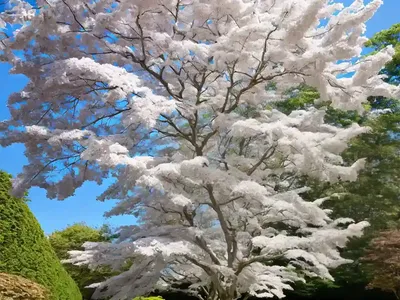
Sycamore Maple (Acer Pseudoplatanus)
Plants have been an essential part of human life for centuries, providing food, shelter, and aesthetic value. The Sycamore maple (Acer pseudoplatanus) is a.
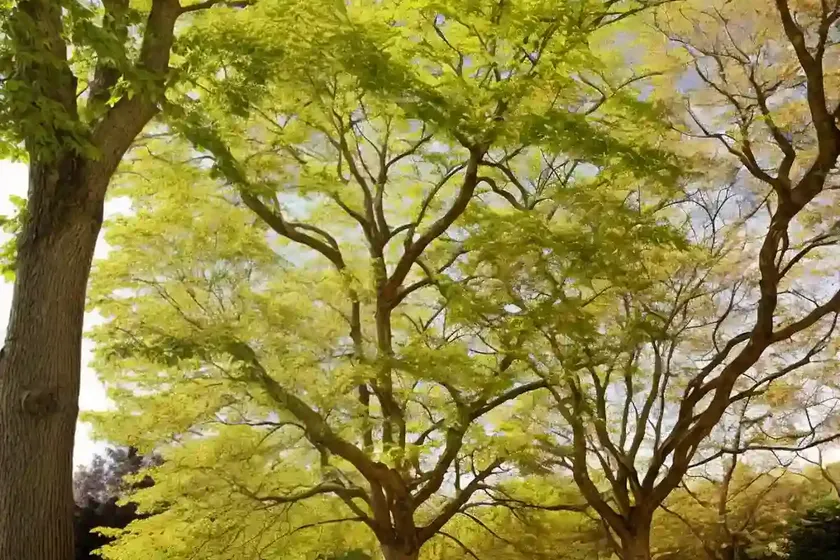


Plants have been an essential part of human life for centuries, providing food, shelter, and aesthetic value. The Sycamore maple (Acer pseudoplatanus) is a striking tree species that holds cultural, ecological, and economic significance. In this comprehensive guide, we will delve into the characteristics, care requirements, cultivation techniques, and various uses of the Sycamore maple.
What is the Sycamore Maple (Acer pseudoplatanus)?
The Sycamore maple, scientifically known as Acer pseudoplatanus, is a deciduous tree native to central Europe and southwestern Asia. It belongs to the Aceraceae family and is commonly referred to as the sycamore in the United Kingdom and the sycamore maple in the United States. This majestic tree is characterized by its broad, palmate leaves and distinctive bark, making it a popular choice in parks, gardens, and urban landscapes.
Key Takeaways – Sycamore Maple (Acer pseudoplatanus)
Before we delve into the specifics of caring for the Sycamore maple, let’s highlight key takeaways about this remarkable tree.
- Scientific Name: Acer pseudoplatanus
- Common Names: Sycamore, Sycamore maple
- Native Habitat: Central Europe, southwestern Asia
- Leaf Characteristics: Broad, palmate leaves
- Bark Appearance: Distinctive, smooth gray bark with patches of pale brown or pinkish hues
- Cultural Significance: Valued for its ornamental beauty and ecological importance
- Potential Uses: Timber production, urban landscaping, and medicinal purposes
Now that we have an overview of the Sycamore maple, let’s explore the specific care requirements and considerations for nurturing this iconic tree.
Culture
Cultivating the Sycamore maple requires an understanding of its preferred growing conditions, including soil, sunlight, water, and climate preferences. By providing the ideal cultural environment, gardeners and arborists can promote the healthy growth and development of this magnificent tree.
Sunlight
The Sycamore maple thrives in partial to full sun, requiring at least 6 hours of direct sunlight each day for optimal growth and foliage density. When selecting a planting location, ensure that the tree will receive adequate sunlight and has ample space to spread its sprawling canopy.
Water
While the Sycamore maple is moderately drought-tolerant once established, it benefits from regular watering, especially during dry spells and hot summer months. Proper soil moisture is crucial for the tree’s overall health, and it is essential to maintain a consistent watering schedule, particularly during its initial establishment phase.
Soil
The Sycamore maple prefers well-draining soil that is rich in organic matter. It thrives in slightly acidic to neutral pH levels (pH 6.0-7.5) and is adaptable to various soil types, including loam, sandy loam, and clay loam. Conducting a soil test can provide valuable insights into the soil composition and aid in making necessary amendments to create an optimal growing environment for the tree.
Climate Preferences
The Sycamore maple is well-suited to temperate climates, displaying resilience in regions with cold winters and mild to moderate summer temperatures. It is important to consider the tree’s hardiness zone requirements when selecting a planting site, ensuring that it aligns with the climatic conditions conducive to its growth.
Uses
The Sycamore maple serves a multitude of practical and ecological purposes, ranging from timber production to its role in enhancing wildlife habitats. Understanding the diverse uses of this tree underscores its value and significance in various contexts.
Timber Production
One of the primary uses of the Sycamore maple is in timber production. The wood of the Sycamore maple is prized for its fine texture, attractive grain patterns, and versatility in woodworking applications. The timber is utilized in crafting furniture, cabinetry, musical instruments, and specialty items, showcasing its exceptional strength and aesthetic appeal.
Urban Landscaping
The Sycamore maple is a favored choice in urban and suburban landscapes, where it is valued for its ornamental beauty, shade-providing canopy, and tolerance to urban pollutants. It is often planted along streets, in parks, and near residential areas, contributing to the aesthetic enhancement of the urban environment.
Medicinal Purposes
In traditional herbal medicine, various parts of the Sycamore maple, including the bark and leaves, have been used to create natural remedies for certain ailments. While the medicinal uses of the tree are not as widespread in modern times, it underscores the historical and cultural significance of the Sycamore maple in traditional healing practices.
Fertilizer
To support the vigorous growth and vitality of the Sycamore maple, proper fertilization is essential. Applying a balanced, slow-release fertilizer in early spring can provide the tree with the necessary nutrients to support leaf development, root expansion, and overall vigor. Additionally, incorporating organic matter such as compost around the tree’s drip line can contribute to soil fertility and long-term nutrient availability.
Pruning
Pruning the Sycamore maple is an integral aspect of its care and maintenance. Proper pruning techniques can help shape the tree’s canopy, promote air circulation, and remove dead or diseased branches. When pruning, it is important to adhere to best practices to minimize stress to the tree and encourage healthy new growth.
Pruning Tips
- Timing: Prune during the dormant season to minimize sap bleeding and stress on the tree.
- Tools: Use sharp, clean pruning tools to make precise and clean cuts, reducing the risk of damage and disease transmission.
- Branch Structure: Aim to maintain a balanced and open canopy to encourage sunlight penetration and airflow within the tree.
It is crucial to approach pruning with care and consideration for the tree’s natural form and growth habits, ensuring that it continues to flourish and thrive.
Propagation
Propagating the Sycamore maple can be achieved through various methods, including seed propagation and vegetative propagation. Each approach offers unique advantages and considerations, allowing for the successful propagation and expansion of the tree population.
Seed Propagation
Sycamore maple seeds can be collected from mature trees and sown in well-draining, moist soil. The seeds require a period of stratification to break dormancy, typically achieved by cold stratification in a refrigerator or outdoor planting during the fall. Once germinated, the seedlings can be transplanted to their desired growing locations.
Vegetative Propagation
Vegetative propagation methods, such as hardwood cuttings and air layering, offer opportunities to create genetically identical replicas of existing Sycamore maple trees. These techniques can be employed to propagate specific cultivars or preserve the characteristics of exceptional specimens, contributing to the diversity and conservation of the tree species.
Container Popularity
While the Sycamore maple is commonly grown in landscape settings, it can also thrive when cultivated in containers. This versatility makes it well-suited for patio, balcony, and urban gardening, allowing individuals with limited outdoor space to enjoy the beauty and shade benefits of this remarkable tree.
Container Common Diseases
When growing the Sycamore maple in containers, it is important to be mindful of potential diseases that can affect the tree in a confined environment. Common diseases that may impact container-grown Sycamore maples include:
- Anthracnose: A fungal disease that causes leaf spots and blight, often exacerbated by wet and humid conditions.
- Powdery Mildew: A fungal infection characterized by the powdery white growth on leaves, affecting photosynthesis and overall plant health.
- Root Rot: Excessive moisture in container soil can lead to root rot, compromising the tree’s nutrient uptake and stability.
Proactively monitoring the tree for signs of disease, providing adequate air circulation, and practicing proper watering techniques can help mitigate the risk of disease establishment in container-grown Sycamore maples.
Disease Diagnosis
Despite its resilience, the Sycamore maple is susceptible to certain diseases, which, if left unchecked, can impact its overall health and vitality. Recognizing the symptoms and implementing appropriate management measures are critical in preserving the well-being of the tree.
Sycamore Maple Leaf Diseases
Several fungal diseases can affect the leaves of Sycamore maples, leading to discoloration, defoliation, and reduced photosynthetic capacity. Common leaf diseases include:
- Tar Spot: Characterized by black, tar-like spots on the leaves, caused by the fungus Rhytisma acerinum. While unsightly, it generally does not pose a significant threat to the tree’s long-term health.
- Sooty Bark Disease: A fungal infection, typically associated with the Exobasidium species, leading to the development of black, sooty growth on the bark and leaves.
Diagnosing leaf diseases accurately is paramount in implementing targeted treatment and prevention strategies to safeguard the tree’s foliage and overall vigor.
Common Pests
In addition to disease concerns, the Sycamore maple is susceptible to certain pests that can impact its growth and aesthetics. Vigilance in pest management is crucial for maintaining the tree’s health and minimizing pest-related damage.
Acer Pseudoplatanus Pests
Common pests that may affect the Sycamore maple include:
- Sycamore Lace Bug: These small, winged insects can cause stippling and discoloration of the leaves, affecting the tree’s photosynthetic capacity.
- Horse Chestnut Scale: Scale insects can infest the branches and stems of Sycamore maples, leading to the development of honeydew and sooty mold.
Regular monitoring and prompt intervention, such as targeted insecticidal treatments or biological control methods, can help manage pest populations and preserve the tree’s vitality.
Botanist’s Tips
As a plant scientist or botanist, navigating the nuanced care requirements and ecological significance of the Sycamore maple involves leveraging specialized knowledge and practical insights. Here are a few botanist’s tips for cultivating and studying the Sycamore maple:
- Leaf Morphology: Explore the diverse leaf shapes and variations within the Sycamore maple species, noting the subtle distinctions that contribute to its visual appeal and taxonomical classification.
- Environmental Adaptation: Investigate the tree’s adaptive traits and responses to environmental factors, shedding light on its resilience in varying ecological conditions.
- Microscopic Analysis: Utilize microscopic techniques to examine leaf tissues, bark structures, and cellular components, deepening the understanding of the Sycamore maple’s anatomical intricacies.
By integrating scientific principles with practical observations, botanists can contribute to the comprehensive understanding and conservation of the Sycamore maple species.
Fun Facts
Uncovering intriguing and lesser-known facts about the Sycamore maple adds depth to the appreciation and fascination for this remarkable tree. Here are a few fun facts that illuminate the Sycamore maple’s captivating nature:
- Autumn Splendor: The Sycamore maple exhibits a spectacular display of autumn colors, transitioning from vibrant green to rich hues of yellow, orange, and red, creating a stunning visual spectacle in landscapes and forests.
- Wildlife Habitat: The Sycamore maple provides valuable resources for various wildlife species, including birds, insects, and mammals, contributing to biodiversity and ecological balance.
- Historical Significance: In folklore and traditional beliefs, the Sycamore maple has been associated with symbolism, myths, and cultural folklore, weaving into the fabric of cultural heritage and storytelling.
These fun facts offer a glimpse into the multifaceted identity of the Sycamore maple, enriching the experience of engaging with this iconic tree.
Links to External Resources
To further explore and deepen your knowledge of the Sycamore maple, consider delving into these external resources:
- Royal Horticultural Society – Acer pseudoplatanus
- USDA Forest Service – Sycamore Maple
- Missouri Botanical Garden – Acer pseudoplatanus
These resources offer a wealth of information, images, and scientific insights into the Sycamore maple, serving as valuable references for enthusiasts, researchers, and plant scientists.
In conclusion, the Sycamore maple (Acer pseudoplatanus) stands as a symbol of natural beauty, ecological significance, and cultural resonance. By delving into its care requirements, propagation techniques, and diverse uses, we can deepen our appreciation for this iconic tree and contribute to its sustainable cultivation and conservation.
By: [Your Name]
“`