Swiss Pine (Pinus Cembra)
The Swiss Pine, also known as Pinus Cembra, is a remarkable evergreen tree that is native to the alpine regions of Central Europe. This magnificent tree is.
Introduction
The Swiss Pine, also known as Pinus Cembra, is a remarkable evergreen tree that is native to the alpine regions of Central Europe. This magnificent tree is renowned for its ornamental value, ecological significance, and various practical uses. In this comprehensive guide, we will explore the fascinating world of the Swiss Pine, delving into its growth habits, care tips, characteristics, uses in landscaping, propagation methods, diseases, pests, and much more.
Key Takeaways – Swiss Pine (Pinus Cembra)
Before we dive deeper into the specifics of the Swiss Pine, let’s take a quick look at the key takeaways of this remarkable tree.
- Scientific Name: Pinus Cembra
- Common Name: Swiss Pine
- Growth Habits: Slow-growing, conical shape, reaching a height of 40-50 feet at maturity.
- Characteristics: Soft, blue-green needles, ornamental cones, and attractive bark.
- Uses in Landscaping: Valued for its ornamental appeal, timber production, and ecological benefits.
- Pruning Techniques: Minimal pruning required; primarily for shaping and removing dead or damaged branches.
- Propagation Methods: Typically propagated from seeds or through grafting techniques.
- Diseases and Pests: Susceptible to certain fungal diseases and insect pests, which require proactive management.
- Soil Requirements: Thrives in well-drained, slightly acidic soils with good fertility.
- Climate Preferences: Prefers cool, alpine climates with adequate moisture and cold winters.
- Wildlife Habitat: Provides valuable habitat for various wildlife species and contributes to biodiversity conservation.
With these key takeaways in mind, let’s delve into the world of Swiss Pine and explore the intricacies of caring for and appreciating this remarkable tree.
What is Swiss Pine (Pinus Cembra)?
Swiss Pine (Pinus Cembra) is an iconic evergreen conifer species belonging to the Pinaceae family. This majestic tree is native to the mountainous regions of Central Europe, including the Alps, Carpathians, and Tatra Mountains. The Swiss Pine is renowned for its slow growth, conical form, and remarkable adaptability to alpine environments. Its visually striking appearance, combined with its ecological importance and practical uses, has made it a highly valued tree species in various contexts, ranging from horticulture to forestry and conservation.
Swiss Pine Growth Habits
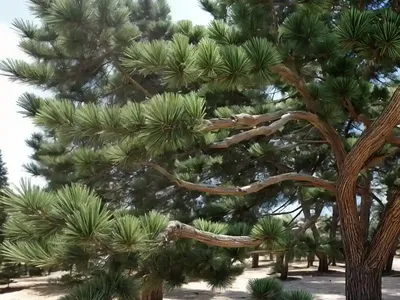
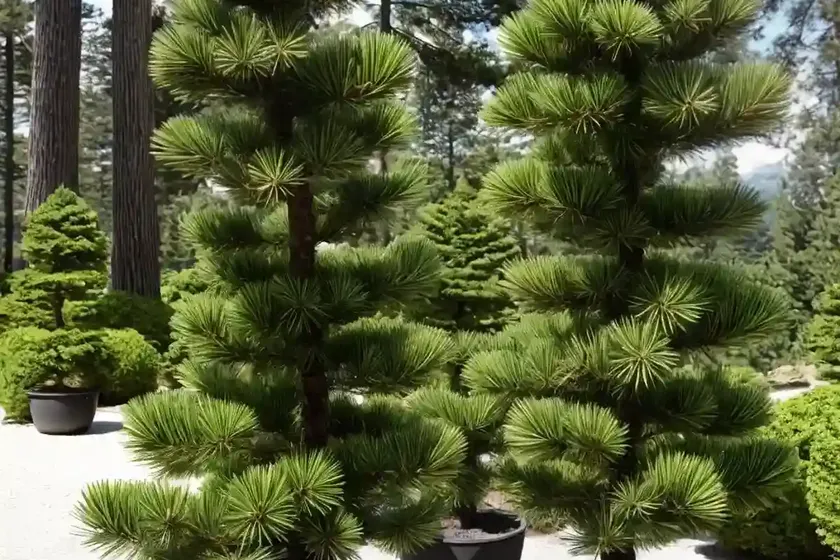
The Swiss Pine is a slow-growing conifer species, typically reaching a height of 40-50 feet at maturity, with a spread of about 20-25 feet. It exhibits a conical or pyramidal growth habit, forming a prominent central leader and lateral branches that develop in a whorled pattern. The tree’s growth rate is relatively modest, which contributes to its longevity and ability to withstand harsh environmental conditions in its native habitats.
Pinus Cembra Trees
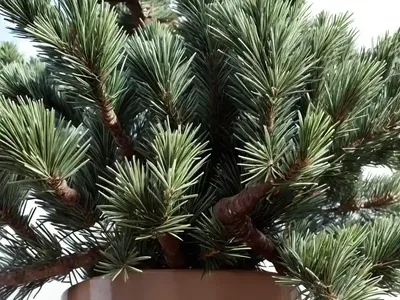
Pinus Cembra trees, also known as Swiss Stone Pines, are characterized by their visually appealing features, including soft, blue-green needles, ornamental cones, and attractive, silvery-gray bark. The distinctive appearance of Pinus Cembra trees makes them a popular choice for ornamental plantings, landscape designs, and naturalistic settings, where they contribute to the aesthetic appeal of the surroundings.
Swiss Pine Care Tips
Caring for Swiss Pine trees requires attention to several key factors, including water, sunlight, soil, fertilizer, pruning, and propagation. By understanding and addressing these essential care requirements, individuals can ensure the healthy growth and overall well-being of their Swiss Pine trees, whether they are cultivated in home gardens, urban landscapes, or natural forest ecosystems.
Pinus Cembra Characteristics
The characteristics of Pinus Cembra include its adaptability to alpine climates, resilient growth habit, and visually striking foliage, cones, and bark. These characteristics contribute to the overall allure and ecological significance of Pinus Cembra trees, making them an indispensable component of montane and subalpine ecosystems in their native range.
Swiss Pine Tree Facts
This remarkable conifer species is replete with fascinating facts, from its ecological resilience to its utility in various cultural, medicinal, and practical contexts. Exploring Swiss Pine tree facts allows us to gain a deeper appreciation for the multifaceted nature of this iconic tree and its enduring impact on alpine environments and human societies.
Pinus Cembra Planting Guide
Understanding the optimal planting conditions and techniques for Pinus Cembra is essential for establishing healthy, thriving trees in diverse environments. A well-informed planting guide provides invaluable insights into the specific requirements of Pinus Cembra and the steps necessary to support successful establishment and long-term growth.
Swiss Pine Varieties
While Swiss Pine (Pinus Cembra) is primarily recognized as a single species, variations in growth habits, foliage color, and ecological adaptability may give rise to distinct varieties or subspecies within the broader taxonomic classification. The identification and appreciation of Swiss Pine varieties enrich our understanding of the species’ genetic diversity and potential for cultivation in diverse landscapes.
Pinus Cembra Uses in Landscaping
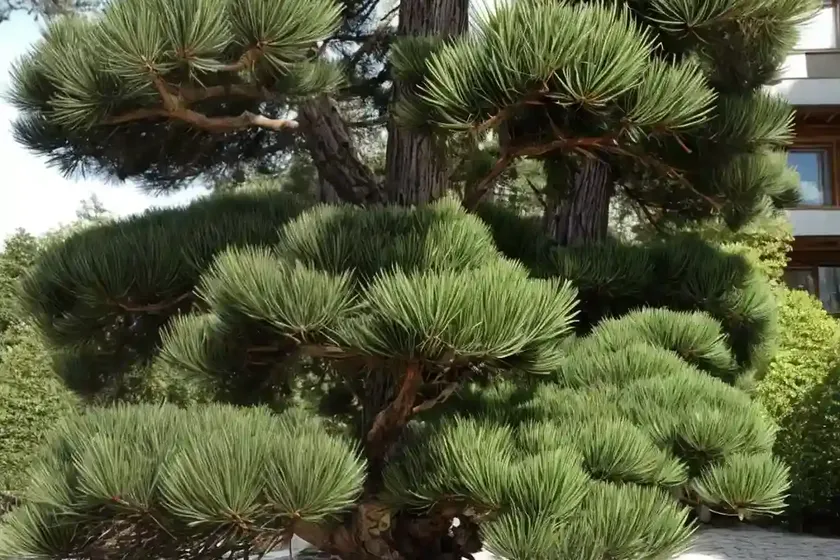
The versatile uses of Pinus Cembra in landscaping encompass both aesthetic and functional considerations, as the tree’s ornamental value and ecological contributions make it an appealing choice for diverse outdoor settings. Exploring the ways in which Pinus Cembra can be integrated into landscape designs enhances our appreciation for its role in enhancing the beauty and sustainability of natural and cultivated environments.
Culture of Swiss Pine (Pinus Cembra)
Successful cultivation of Swiss Pine (Pinus Cembra) hinges on understanding and meeting its cultural requirements, encompassing essential factors such as water, sunlight, soil, fertilizer, and pruning practices. Catering to these cultural needs ensures the optimal health and vitality of Swiss Pine trees, enabling them to flourish in various growing conditions.
Uses
The Swiss Pine (Pinus Cembra) is valued for its diverse uses, spanning ecological conservation, timber production, ornamental landscaping, and traditional medicinal applications. These multifaceted uses underscore the unique significance of Swiss Pine in ecological, economic, and cultural contexts, highlighting its enduring relevance in contemporary society.
Swiss Pine (Pinus Cembra): Care Guide
Water
Watering Requirement: Swiss Pine trees exhibit moderate water needs and prefer well-drained soils with good moisture retention. During the initial establishment phase, regular watering is essential to support root development and ensure adequate hydration. Once established, Swiss Pine trees can withstand periods of drought, although supplemental irrigation during prolonged dry spells can benefit their overall health.
Optimal Watering Schedule: A general guideline for watering Swiss Pine trees is to provide deep, thorough watering sessions rather than frequent shallow watering. This approach promotes deep root growth and enhances the tree’s drought tolerance. Adjusting the frequency and volume of water application based on seasonal weather conditions and soil moisture levels can help maintain an optimal balance for Swiss Pine trees.
Sunlight
Sunlight Requirements: Swiss Pine trees thrive in full sun to partial shade, preferring locations with ample sunlight exposure, especially during the growing season. While they can tolerate some degree of shade, adequate sunlight promotes vigorous growth, vibrant foliage coloration, and the development of ornamental cones, contributing to the overall aesthetic appeal of the trees.
Optimal Sun Exposure: When selecting a planting site for Swiss Pine, prioritize locations that receive at least 6-8 hours of direct sunlight per day, particularly in the morning and early afternoon. This exposure pattern supports photosynthesis, ensures even growth distribution, and minimizes the risk of potential fungal diseases associated with prolonged shading and poor air circulation.
Fertilizer
Fertilization Requirements: Swiss Pine trees benefit from periodic fertilization to maintain soil fertility and support their nutritional needs. A balanced, slow-release fertilizer with a formulation suited for acid-loving plants is recommended for Swiss Pine trees, as it provides essential nutrients, including nitrogen, phosphorus, and potassium, without causing nutrient imbalances or excessive growth stimulation.
Fertilization Schedule: Apply fertilizer to Swiss Pine trees in early spring before the onset of new growth or during late fall to early winter to facilitate nutrient uptake before the dormant season. Follow the recommended application rates and avoid excessive fertilization, as it can lead to root burn and compromise the natural resilience of the trees.
Soil
Soil Requirements: Swiss Pine trees thrive in well-drained, slightly acidic soils with good fertility and adequate moisture retention. Loamy, sandy, or rocky soils with a pH range of 5.5-6.5 are conducive to healthy Swiss Pine growth, providing the necessary aeration, drainage, and nutrient availability essential for sustained vitality.
Optimal Soil Conditions: Conduct a soil test to assess the pH, nutrient levels, and texture of the planting site before introducing Swiss Pine trees. Amend the soil as needed to optimize its characteristics, incorporating organic matter, such as compost or well-rotted manure, to enhance fertility and improve soil structure for the benefit of the trees.
Pruning
Pruning Techniques: Swiss Pine trees generally require minimal pruning, primarily for shaping, removing dead or diseased branches, and maintaining a balanced structure. Prune the trees during the dormant season to minimize stress and facilitate wound healing. Employ sterilized pruning tools to ensure clean cuts and reduce the risk of pathogen transmission.
Pruning Schedule: Schedule pruning sessions for Swiss Pine trees during late winter to early spring, when the trees are dormant and less susceptible to resource depletion or pest infestations. Avoid excessive pruning, especially the removal of large branches, to preserve the natural form and vigor of the trees while addressing specific pruning objectives.
Propagation of Swiss Pine (Pinus Cembra)
Propagation Methods
Swiss Pine (Pinus Cembra) can be propagated through various methods, including seed propagation and grafting techniques. Successful propagation allows for the expansion of Swiss Pine populations, genetic conservation, and the development of new cultivars with desirable traits, ensuring the continued availability and diversity of this valuable conifer species.
Seed Propagation
Seed Collection: Collect mature cones from healthy, disease-free Swiss Pine trees during the autumn months when the cones are fully developed and begin to open naturally. Gather the cones promptly to prevent seed dispersal and store them in a dry, well-ventilated location until the seeds can be extracted.
Seed Preparation: Extract the seeds from the cones by carefully separating them from the scales, ensuring that they are intact and viable. Remove any debris and chaff before preparing the seeds for sowing to maximize the germination potential and yield of viable seedlings.
Sowing Technique: Sow the Swiss Pine seeds in well-drained, sterile seedling trays or containers filled with a suitable seed starting mix. Press the seeds gently into the substrate, cover them lightly with additional growing medium, and maintain uniform moisture levels to facilitate germination.
Seedling Care: Provide consistent moisture and moderate sunlight to the Swiss Pine seedlings as they germinate and develop. Transplant the seedlings into larger containers or nursery beds once they have established healthy root systems and vigorous shoots.
Grafting Techniques
Graft Selection: Identify suitable scion wood from desirable Swiss Pine cultivars or genetically superior trees to serve as grafting materials. Choose scion wood with a diameter matching that of the rootstock, free from diseases, and exhibiting the desired traits for propagation.
Grafting Procedure: Execute the selected grafting technique, such as whip grafting or cleft grafting, to unite the scion wood with the rootstock successfully. Apply appropriate grafting tools, techniques, and sealing materials to ensure a secure connection and facilitate the healing process.
Graft Care: Provide appropriate care and environmental conditions to support the successful union of the scion and rootstock. Regular monitoring, protection from environmental stressors, and proper aftercare contribute to the establishment and growth of grafted Swiss Pine plants.
Swiss Pine in Containers: Cultivation and Care
Container Popularity
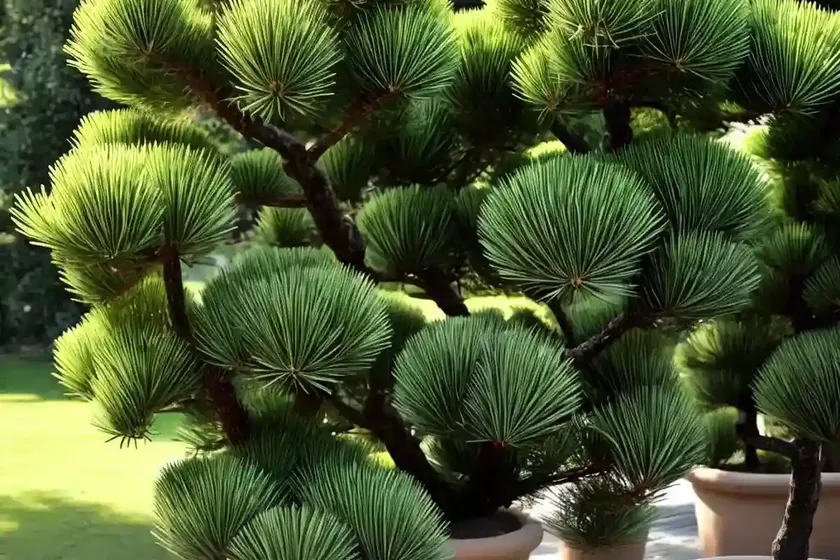
Swiss Pine trees are increasingly cultivated in containers, showcasing their ornamental value and enabling their integration into various urban, suburban, and small-space settings. Container-grown Swiss Pine trees offer versatile design possibilities, mobility, and accessibility, allowing individuals to appreciate and benefit from these iconic evergreens in diverse environments.
Container Common Diseases
Container-grown Swiss Pine trees may be susceptible to certain diseases associated with confined growing conditions, moisture fluctuations, and limited root space. Understanding and proactively managing common diseases ensures the sustained health and vigor of Swiss Pine trees in containers, supporting their long-term cultivation and visual appeal.
Disease Diagnosis
Accurate diagnosis of diseases affecting container-grown Swiss Pine trees involves thorough observation, symptom identification, and, if necessary, laboratory analysis to pinpoint the causative agents. Timely and precise disease diagnosis facilitates targeted treatment strategies and promotes effective disease management in container-grown specimens.
Common Pests
Container cultivation of Swiss Pine trees may attract specific insect pests that thrive in enclosed environments, container substrates, or outdoor settings with limited natural pest control mechanisms. Implementing integrated pest management practices, monitoring for pest activity, and employing preventive measures are essential for preserving the health and vitality of Swiss Pine trees in containers.
Botanist’s Tips for Swiss Pine (Pinus Cembra) Care and Appreciation
Observational Techniques
Engage in regular observation of Swiss Pine trees to monitor their growth, detect potential issues, and appreciate the dynamic changes they undergo throughout the seasons. Employ various observational techniques, such as visual inspection, tactile assessment, and olfactory observation, to gain insights into the tree’s health, environmental interactions, and aesthetic appeal.
Ecological Considerations
Recognize and appreciate the ecological role of Swiss Pine (Pinus Cembra) in its native habitats and cultivated landscapes, emphasizing its contributions to soil stabilization, wildlife habitat provision, and biodiversity conservation. Harnessing ecological considerations fosters a holistic approach to Swiss Pine care, promoting sustainable practices and awareness of the tree’s environmental significance.
Educational Engagement
Embrace opportunities for educational engagement with Swiss Pine trees, sharing their cultural, ecological, and practical values with diverse audiences and fostering a deeper understanding and appreciation of this iconic conifer species. Utilize educational materials, public events, and collaborative initiatives to enhance awareness and advocacy for Swiss Pine conservation and sustainable utilization.
Fun Facts about Swiss Pine (Pinus Cembra)
Here are some captivating fun facts about Swiss Pine (Pinus Cembra) that showcase the tree’s remarkable attributes and cultural significance:
- Historical Significance: Swiss Pine has a rich historical heritage, with references in folklore, traditional crafts, and historical literature, symbolizing endurance, resilience, and adaptability in alpine environments.
- Drought-Resistant Landscaping: Swiss Pine is valued for its drought tolerance, making it an ideal choice for water-wise landscaping and arid environment restoration projects.
- Foliage Texture: The foliage of Swiss Pine exhibits a soft, fine texture, adding tactile interest and visual charm to landscapes, gardens, and naturalized settings.
- Wildlife Food Source: The seeds of Swiss Pine serve as a valuable food source for diverse wildlife species, contributing to the ecological food web and supporting biodiversity conservation efforts.
- Aromatic Resin: Swiss Pine exudes a fragrant resin with aromatic properties, traditionally used for incense, medicinal applications, and artisanal products, highlighting its cultural and sensory allure.
Links to External Resources
For additional information, resources, and interactive content related to Swiss Pine (Pinus Cembra) and related topics, explore the following links:
- Swiss Pine: A Sustainable Resource for Timber Production
- Alpine Ecosystems and Swiss Pine Conservation
- Horticultural Uses and Botanical Gardens Featuring Swiss Pine
- Wildlife Ecology and Swiss Pine: Research and Conservation Initiatives
In conclusion, Swiss Pine (Pinus Cembra) stands as a captivating symbol of alpine resilience, ecological diversity, and cultural significance. By delving into its growth habits, care tips, propagation methods, uses in landscaping, and diverse attributes, we gain a deeper appreciation for the enduring allure and practical relevance of this iconic conifer species. Whether adorning alpine slopes, enhancing urban green spaces, or contributing to sustainable forestry practices, Swiss Pine continues to inspire and enrich our natural and cultural landscapes with its timeless presence and versatile contributions.