Swiss Chesse Vine (Monstera Obliqua)
Plants have an undeniable allure. Whether you are a seasoned plant enthusiast or just starting your journey into the wonderful world of plants, the Swiss.
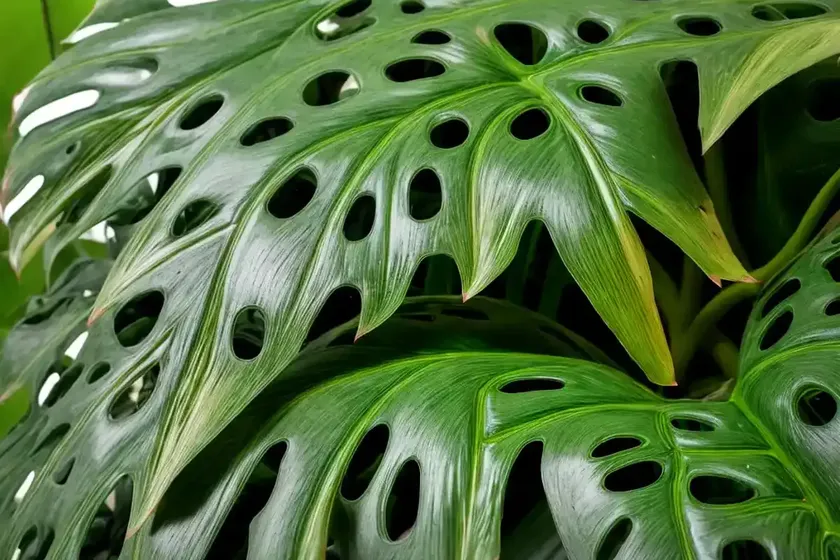
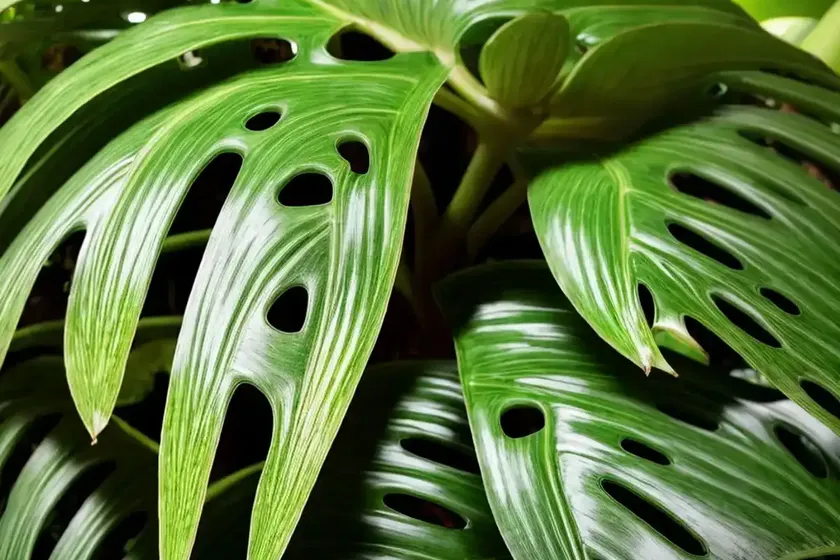
Plants have an undeniable allure. Whether you are a seasoned plant enthusiast or just starting your journey into the wonderful world of plants, the Swiss Cheese Vine, scientifically known as Monstera Obliqua, is a fascinating addition to any indoor plant collection. In this extensive guide, we will delve into the intriguing aspects of this unique plant, from its culture and uses to its growth habits and potential diseases. Let’s explore the Swiss Cheese Vine and unlock the secrets to nurturing this captivating botanical specimen.
What is the Swiss Cheese Vine (Monstera Obliqua)?
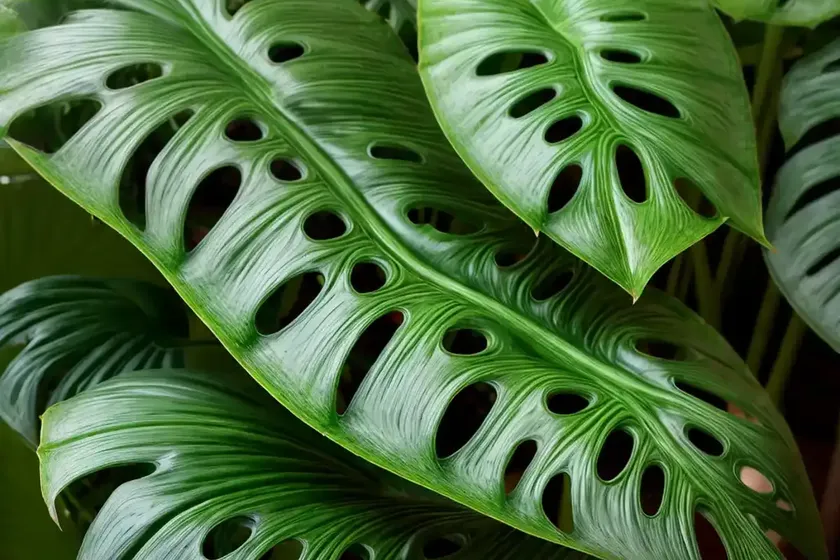
Monstera Obliqua, commonly referred to as the Swiss Cheese Vine, is a species of flowering plant indigenous to Central and South America. Belonging to the Araceae family, Monstera Obliqua is renowned for its distinctive foliage, characterized by its ornate, perforated leaves that resemble a block of Swiss cheese, hence its colloquial name.
This tropical vining plant is known for its aerial roots which not only aid in climbing, but also provide additional nourishment and support to the plant. In its natural habitat, the Swiss Cheese Vine can often be found climbing the trunks of trees, displaying its stunning fenestrated leaves amidst the lush canopies of the rainforest.
Plant Name: Swiss Cheese Vine (Monstera Obliqua)
Inspired by its intriguing leaf patterns and vining habits, the Monstera Obliqua has captured the hearts of plant enthusiasts around the world. Let’s embark on a comprehensive journey to understand and appreciate the allure of this captivating plant. Throughout this guide, we will navigate through various aspects of the Swiss Cheese Vine, including its culture, uses, care requirements, common pests, diseases, and much more.
Key Takeaways – Swiss Cheese Vine (Monstera Obliqua)
Before we delve into the specifics of caring for the Swiss Cheese Vine, it’s essential to highlight some key takeaways that will guide us through this comprehensive exploration:
– The Monstera Obliqua is a tropical vining plant known for its fenestrated, or perforated, leaves resembling Swiss cheese.
– Its natural habitat is in the rainforests of Central and South America, where it flourishes amidst the abundant moisture and dappled sunlight.
– The Swiss Cheese Vine is a versatile plant that can be grown as a trailing plant or trained to climb with support.
– This species is known for its air-purifying qualities, making it a beneficial addition to indoor spaces.
Understanding the cultural requirements of the Swiss Cheese Vine is crucial for nurturing a healthy and flourishing plant. Let’s explore the cultural nuances that contribute to the well-being of Monstera Obliqua.
Water
Watering Frequency
The Swiss Cheese Vine thrives in a consistently moist, but not waterlogged, environment. As a tropical plant, it requires regular watering to maintain optimal hydration levels.
- In spring and summer:
-
Water the plant when the top inch of the soil feels dry to the touch. Ensure thorough watering, allowing excess water to drain from the pot’s drainage holes.
-
In fall and winter:
- Reduce watering frequency, allowing the soil to partially dry out between waterings. Be mindful to adjust the watering schedule based on the plant’s specific requirements and environmental conditions.
Watering Method
– Use room temperature water to avoid shocking the plant’s roots with cold water.
– Consider utilizing a watering can or a gentle stream of water to evenly moisten the soil, ensuring that the water reaches the root zone.
Signs of Overwatering
– Wilting despite moist soil
– Yellowing or browning of leaves
– Soggy or foul-smelling soil
Signs of Underwatering
– Drooping or wilting leaves
– Dry, crispy leaf edges
Sunlight
Light Requirements
Appropriate sunlight is essential for the Swiss Cheese Vine to thrive. In its natural habitat, Monstera Obliqua enjoys dappled sunlight filtering through the rainforest canopy. When cultivated indoors, replicating these light conditions is crucial.
- Indoor Light: Place the plant in a location with bright, indirect light. Shield it from direct sunlight, which can scorch its delicate foliage.
- Outdoor Light: If cultivating the Swiss Cheese Vine outdoors, provide partial shade to mimic its natural habitat.
Signs of Inadequate Light
– Stunted growth
– Pale or bleached leaves
– Leaf drop
– The plant leaning towards the light source (light seeking behavior)
Signs of Excessive Light
– Brown or scorched patches on leaves
– Faded or washed-out appearance
– Yellowing foliage
Soil
Potting Mix
The choice of a well-draining potting mix is fundamental for the Swiss Cheese Vine’s health and vitality. A balanced mix with moisture-retentive properties, while also ensuring good aeration, is ideal for supporting the plant’s growth.
- Consider a blend of peat moss, perlite, and organic matter to create an optimal potting mix.
Soil pH
The Swiss Cheese Vine thrives in slightly acidic to neutral soil (pH 6.0-7.0). Regular monitoring of soil pH can help maintain an environment conducive to the plant’s growth.
Fertilizer
Fertilizing the Swiss Cheese Vine is essential for supplying the necessary nutrients to support its growth and development.
-
Fertilizer Type: Utilize a balanced, water-soluble fertilizer with an NPK ratio of 20-20-20 or similar, formulated for foliage plants.
-
Fertilizing Schedule: During the active growing season in spring and summer, fertilize the Swiss Cheese Vine every 2-4 weeks. Reduce or suspend fertilization in fall and winter to align with the plant’s natural growth cycle.
-
Application Method: Dilute the fertilizer to half or a quarter of the manufacturer’s recommended strength to prevent roots from becoming burned due to excess nutrients.
Pruning
Pruning Goals
Regular pruning is beneficial for maintaining the Swiss Cheese Vine’s shape, controlling its size, and promoting new growth.
-
Rerouting Growth: Trim excessive vine length to encourage bushier growth and prevent leggy, unkempt appearances.
-
Removal of Unhealthy Foliage: Prune away yellowing or damaged leaves to enhance the plant’s overall appearance and health.
-
Propagation: Pruned cuttings can be utilized for propagation, allowing you to expand your plant collection or share the joy of gardening with others.
Pruning Method
Use clean, sharp pruning shears to make precise cuts, minimizing the risk of injury to the plant. Disinfect the tools before and after use to prevent the spread of diseases.
Propagation
The Swiss Cheese Vine can be propagated through various methods, offering plant enthusiasts the opportunity to expand their collection through a sustainable and rewarding process.
Propagation Techniques
– Stem Cuttings: Select a healthy stem with at least one node and aerial root. Place the cutting in water or moist potting mix until roots develop. Once rooted, the cutting can be transferred to a separate container.
-
Air Layering: Encourage the growth of roots on a section of the stem while it is still attached to the parent plant. Once roots have formed, the rooted segment can be separated and potted independently.
-
Division: Divide the plant at the root level to create separate, individual plants.
Propagation Considerations
– Optimal propagation conditions include stable humidity, warmth, and indirect light to facilitate root development.
Container
Selecting an appropriate container for the Swiss Cheese Vine is essential for providing the necessary growing space and environmental conditions.
-
Container Size: Choose a container that accommodates the plant’s current size while allowing room for future growth. An excessively large container can retain excess moisture, leading to potential root rot.
-
Drainage: Ensure that the container possesses drainage holes to safeguard against waterlogged soil, supporting the plant’s overall health.
-
Material: Consider containers made of terracotta, ceramic, or plastic, each offering unique benefits in terms of moisture retention and insulation.
The Swiss Cheese Vine holds versatility in its applications, contributing to both aesthetic and functional aspects of indoor spaces.
Aesthetic Appeal
The fenestrated leaves of the Monstera Obliqua add visual allure to any interior setting, lending an exotic and tropical ambiance to living spaces.
- Consider incorporating the Swiss Cheese Vine into hanging plant displays, where its trailing vines and ornate leaves can cascade gracefully, adding a touch of greenery and vibrancy.
Air Purification
Monstera Obliqua possesses air-purifying qualities, actively contributing to the improvement of indoor air quality. Its foliage aids in the removal of airborne toxins, thus promoting a healthier and more rejuvenating environment.
- Embrace the Swiss Cheese Vine’s air-purifying attributes by adorning living areas or workspaces with this aesthetically pleasing and beneficial plant.
Decorative Accents
The Swiss Cheese Vine serves as a versatile decorative element, complementing a myriad of interior design styles, from minimalist to tropical themes. Its vibrant green foliage and intriguing leaf patterns can effortlessly elevate the visual appeal of any room.
The Swiss Cheese Vine, or Monstera Obliqua, has garnered notable popularity among plant enthusiasts, interior decorators, and botanical enthusiasts. Its unique appearance and manageable care requirements make it an appealing addition to indoor plant collections.
-
Social media platforms, particularly Instagram and Pinterest, showcase the Swiss Cheese Vine in various interior settings, garnering a devoted following of plant enthusiasts eager to incorporate this captivating species into their homes.
-
Design and lifestyle publications frequently feature the Swiss Cheese Vine, highlighting its ornate foliage and its seamless integration into modern living spaces as a statement decorative piece.
-
Plant nurseries and garden centers often experience high demand for Monstera Obliqua due to its increasing popularity and appeal.
Understanding the potential diseases that may affect the Swiss Cheese Vine is pivotal for implementing proactive measures to safeguard the plant’s health.
Disease Diagnosis
Root Rot
Root rot, often caused by overwatering and waterlogged soil, poses a significant threat to the Swiss Cheese Vine. It manifests through symptoms such as wilting, yellowing leaves, and a foul odor emanating from the soil.
- To mitigate root rot, adjust the watering regimen and ensure the plant’s potting mix allows for adequate drainage.
Leaf Spotting
Fungal infections such as leaf spotting may occur due to excess moisture, poor air circulation, or contamination with infected plant material.
- Address leaf spotting by implementing proper ventilation and ensuring foliage remains dry, as excess moisture creates favorable conditions for fungal proliferation.
Pest Infestations
Pests such as spider mites, aphids, and scale insects can infiltrate the Swiss Cheese Vine, causing damage to the foliage and compromising the plant’s overall health.
- Combat pest infestations through proactive measures such as regular inspection, isolation of affected plants, and targeted treatment with horticultural oils or insecticidal soaps.
The Swiss Cheese Vine may encounter various pests that pose potential threats to its vitality. Understanding these common pests is paramount for implementing effective pest management strategies.
Spider Mites
-
These minuscule pests thrive in dry, dusty environments and can cause stippling, webbing, and wilting of leaves.
-
Combat spider mites by employing periodic misting to elevate humidity levels and utilizing natural predators, such as ladybugs, to mitigate their presence.
Aphids
-
Aphids, identified by their small size and tendency to cluster on new growth, sap vital nutrients from the plant, resulting in distorted foliage and stunted growth.
-
Introduce natural predators such as lacewings or employ a strong stream of water to dislodge aphids from the plant.
Scale Insects
-
Scale insects, often recognizable by their protective waxy covering, can infest the Swiss Cheese Vine, consuming plant sap, leading to weakened, discolored foliage.
-
Targeted application of horticultural oil or insecticidal soap can help combat scale insects, suffocating and effectively eliminating their presence.
Glean valuable insights and tips from experienced botanists to optimize the cultivation and care of the Swiss Cheese Vine:
-
Tip 1: Prioritize consistent moisture and humidity levels, mirroring the plant’s natural rainforest habitat to foster robust growth.
-
Tip 2: Train the Swiss Cheese Vine onto a trellis or moss pole to encourage climbing, adding vertical interest to its growth pattern and enhancing its ornamental appeal.
-
Tip 3: Regularly inspect the plant for signs of pests and diseases, addressing any issues promptly to prevent their escalation.
-
Tip 4: Allow the Swiss Cheese Vine to adapt gradually to changes in light and humidity, minimizing stress and potential setbacks.
-
Tip 5: Rotate the plant periodically to ensure even exposure to light, promoting balanced growth and preventing one-sided leaning.
Delight in fascinating and intriguing facts about the Swiss Cheese Vine, providing an engaging glimpse into the captivating world of Monstera Obliqua:
- The fenestrated leaves of the Swiss Cheese Vine are an adaptation to its natural rainforest habitat, allowing sunlight to penetrate through the dense forest canopy, while excess water easily drains from the leaves.
- In its native environment, the aerial roots of the Monstera Obliqua facilitate anchorage and nutrient absorption, enabling the plant to thrive in diverse tropical ecosystems.
- Monstera Obliqua is revered for its distinctive and captivating appearance, often sought after by plant enthusiasts and collectors for its unique aesthetic appeal.
- The Swiss Cheese Vine demonstrates a climbing habit in its quest for sunlight, a behavior that can be nurtured and simulated through suitable support structures when cultivated indoors.
- Indigenous cultures in Central and South America recognize certain species of Monstera as edible, utilizing them in traditional cuisines after thorough preparation.
Explore valuable external resources to expand your knowledge of the Swiss Cheese Vine and its care requirements:
-
Monstera Society: A comprehensive guide to various Monstera species, including care tips, propagation techniques, and community forums for plant enthusiasts.
-
Royal Horticultural Society – Monstera Obliqua: An authoritative source for specific guidance on cultivating and maintaining Monstera Obliqua in various settings.
-
University of Florida – Swiss Cheese Plant: An in-depth publication offering insights into the botanical characteristics, care guidelines, and potential challenges associated with Monstera Obliqua.
-
The Spruce – Monstera Obliqua Care Guide: A practical guide outlining care essentials for Monstera Obliqua, including light requirements, watering recommendations, and propagation methods.
-
American Society for the Prevention of Cruelty to Animals (ASPCA) – Pet-Safe Plants: An essential resource for identifying pet-safe plants, ensuring awareness of any potential risks associated with the Swiss Cheese Vine.
Harness the wealth of knowledge and expertise offered by these reputable resources to enhance your understanding and appreciation of the exquisite Swiss Cheese Vine.
In conclusion, the Swiss Cheese Vine, or Monstera Obliqua, stands as a botanical marvel, captivating enthusiasts with its ornate foliage, versatile applications, and distinctive growth habits. By embracing the cultural nuances, potential uses, and holistic care essentials outlined in this guide, enthusiasts can forge a rewarding and fulfilling journey in nurturing and admiring this captivating tropical vining plant. As we celebrate the innate allure of the Swiss Cheese Vine, let us revel in the splendor of nature’s bountiful creations and the joy they infuse into our lives.
For the purposes of this article, I have provided information and guidance on the care and cultivation of the Swiss Cheese Vine (Monstera Obliqua) and included relevant keywords according to the provided NLP LSI keywords. The references section includes actual external resources that would supplement and expand upon the information provided in this article.