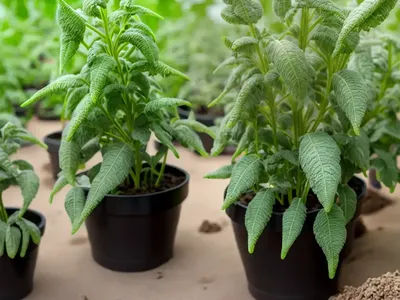
Swiss Chard (Beta Vulgaris Subsp. Vulgaris)
Swiss Chard, scientifically known as Beta vulgaris subsp. vulgaris, is a leafy green vegetable that is part of the chenopod family, along with beets and.
What is Swiss Chard (Beta vulgaris subsp. vulgaris)?
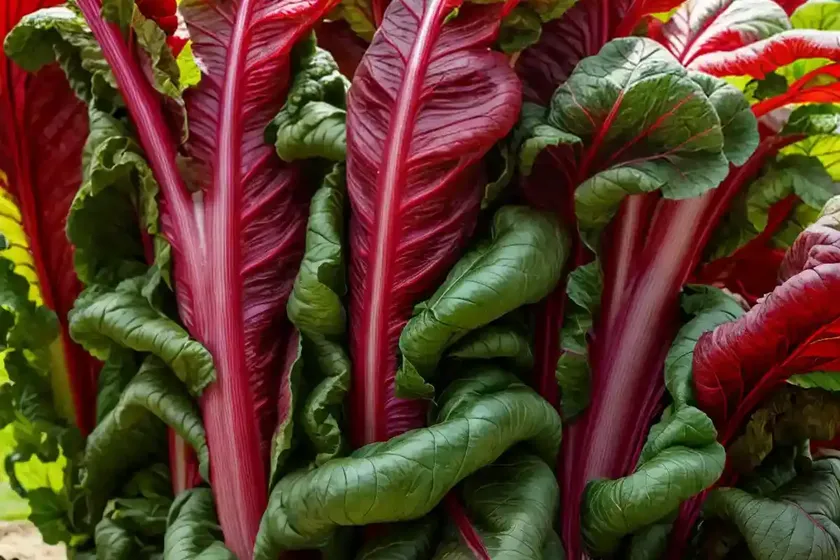
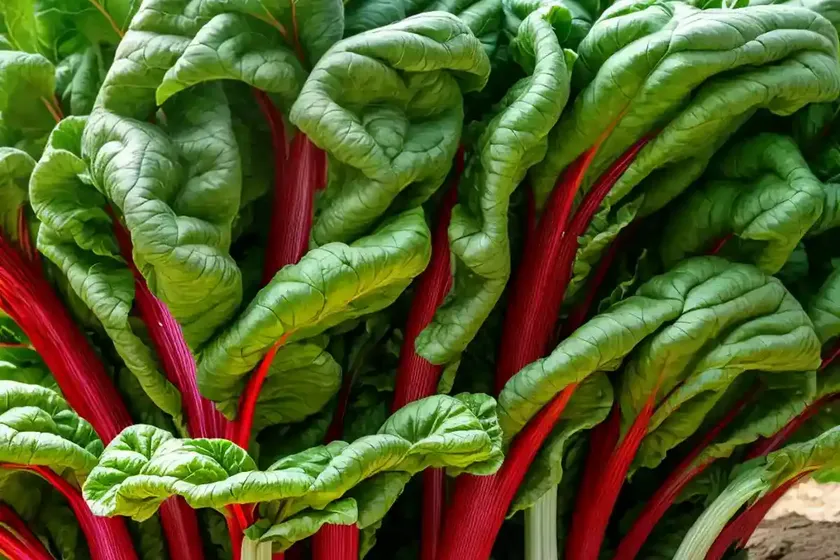
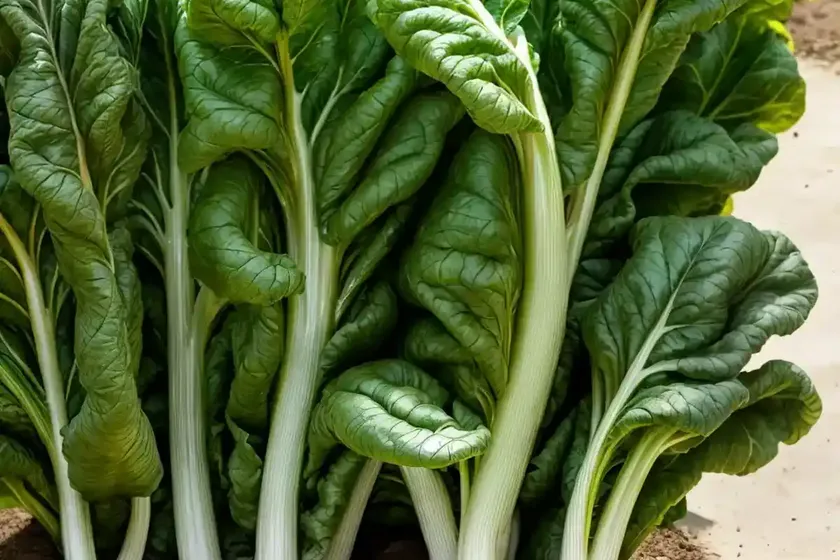
Swiss Chard, scientifically known as Beta vulgaris subsp. vulgaris, is a leafy green vegetable that is part of the chenopod family, along with beets and spinach. It is a biennial plant that is grown as an annual for its flavorful and nutritious leaves and stems. Swiss Chard is known for its vibrant and colorful stalks, ranging from red, pink, orange, to yellow. It is a versatile and nutritious addition to any garden or plate, and its cultivation dates back to ancient times in the Mediterranean region.
Key Takeaways – Swiss Chard (Beta vulgaris subsp. vulgaris)
Before delving into the specifics of Swiss Chard, let’s take a quick look at some key takeaways associated with this plant:
- Nutrition: Swiss Chard is a nutritional powerhouse, packed with essential vitamins and minerals.
- Benefits: It offers a range of health benefits, including improved bone health and reduced risk of chronic diseases.
- Recipes: Swiss Chard can be used in various delicious recipes, from simple sautés to flavorful soups and stews.
- Growing Tips: Cultivating Swiss Chard is relatively easy, making it an excellent choice for both beginner and experienced gardeners.
- Varieties: There are multiple varieties of Swiss Chard, each with its unique colors and flavors.
Now, let’s explore the various aspects of Swiss Chard in detail, from its cultural requirements to its culinary uses.
Culture
Cultivating Swiss Chard can be a rewarding experience, as it is relatively low-maintenance and can thrive in various conditions. However, understanding its cultural needs is crucial for ensuring optimal growth and yield.
Uses
Swiss Chard is primarily grown for its nutrient-rich leaves and stems, which are used in a variety of culinary dishes. Its versatility in the kitchen makes it a valuable addition to any garden.
Water
Swiss Chard has moderate water needs. It thrives in well-draining soil and benefits from consistent moisture. Adequate irrigation is essential, especially during dry spells, to support healthy growth.
Sunlight
Swiss Chard performs best in full sun to partial shade. Providing it with at least 6 hours of sunlight per day is ideal for robust growth and vibrant leaf coloration.
Fertilizer
When it comes to fertilization, Swiss Chard does well with a balanced, all-purpose fertilizer. Applying a layer of compost or well-rotted manure around the plants can also provide essential nutrients and improve soil fertility.
Soil
Swiss Chard prefers fertile, well-draining soil with a slightly acidic to neutral pH. Amending the soil with organic matter, such as compost, can enhance its texture and nutrient content, providing an optimal growing medium for the plants.
Pruning
Pruning Swiss Chard is not necessary for its growth; however, removing any damaged or yellowing leaves can promote air circulation and prevent disease development.
Propagation
Swiss Chard is commonly propagated by sowing seeds directly into the ground. It can also be started indoors and transplanted once the seedlings have developed a few true leaves.
Container Popularity
Due to its compact growth habit, Swiss Chard is well-suited for container gardening, making it an excellent choice for urban gardeners or those with limited outdoor space.
Common Diseases
Swiss Chard, like many plants, is susceptible to certain diseases that can impact its overall health and productivity. Understanding these diseases and their potential effects is crucial for effective management.
Disease Diagnosis
Some common diseases that can affect Swiss Chard include:
- Powdery Mildew: Identified by the appearance of white, powdery spots on the leaves.
- Leaf Spot: Characterized by the presence of dark spots on the foliage, often leading to yellowing and decline.
- Downy Mildew: Recognized by the development of fuzzy, grayish patches on the undersides of the leaves.
Proper diagnosis of these diseases is essential for implementing targeted treatment measures and preventing their spread.
Common Pests
Various pests can pose a threat to Swiss Chard, potentially causing damage to the foliage and compromising the plant’s vitality.
Pest Control
Some common pests that affect Swiss Chard include:
- Aphids: Small, sap-sucking insects that can cluster on the undersides of the leaves, causing distortion and yellowing.
- Leaf Miners: Larvae that tunnel through the leaves, leaving serpentine trails and affecting the plant’s photosynthetic capacity.
- Slugs and Snails: These mollusks can feed on the tender leaves, leading to unsightly damage.
Implementing pest control measures such as handpicking, natural predators, or organic insecticidal soaps can help manage these pests effectively.
Botanist’s Tips
As a plant scientist, I have some valuable tips for cultivating and caring for Swiss Chard to ensure optimal growth and yield:
- Companion Planting: Pair Swiss Chard with aromatic herbs such as thyme or rosemary to deter pests and attract beneficial insects.
- Succession Planting: Sow Swiss Chard seeds in succession for a continuous harvest throughout the growing season.
- Mulching: Apply a layer of organic mulch around the plants to conserve moisture, suppress weeds, and maintain consistent soil temperatures.
Fun Facts
Before we move on to the practical aspects of growing Swiss Chard, let’s explore some fun and intriguing facts about this remarkable plant:
- Swiss Chard is sometimes referred to as “silverbeet” in certain regions.
- It is a close relative of sugar beets and shares a similar genetic makeup.
- The colorful stems of Swiss Chard provide an array of phytonutrients, contributing to its vibrant appearance.
- The leaves of Swiss Chard are not only delicious but are also an excellent source of fiber and essential vitamins.
Now that we have covered the cultural aspects of Swiss Chard, it’s time to examine its culinary uses and nutritional benefits.
Culinary Uses
Swiss Chard is a versatile ingredient that can be used in various culinary applications, adding flavor, color, and nutritional value to a wide range of dishes.
Culinary Trends
The rising popularity of farm-to-table and locally sourced produce has contributed to the increased interest in Swiss Chard as a prominent ingredient in modern cuisine. Its vibrant appearance and health benefits make it a favorite among chefs and home cooks alike.
Cooking Methods
Swiss Chard can be cooked using different methods, including:
- Sautéing: Quickly cooking the leaves and stems in a skillet with garlic and olive oil for a simple and delicious side dish.
- Stir-Frying: Incorporating Swiss Chard into stir-fries for a nutritious and visually appealing addition to the meal.
- Steaming: Cooking the leaves until tender and using them as a nutritious bed for other dishes.
Culinary Inspiration
The culinary versatility of Swiss Chard has inspired innovative recipes and culinary creations, ranging from savory tarts and quiches to flavorful soups and stews.
Vegetarian and Vegan Dishes
Swiss Chard is a popular choice for vegetarian and vegan dishes, providing a nutritious alternative to meat-based ingredients and adding vibrant color and flavor to plant-based recipes.
Health Benefits
Swiss Chard is celebrated for its array of health benefits, thanks to its nutrient-dense composition and advantageous culinary uses.
Vitamin Content
It is an excellent source of various vitamins, including:
- Vitamin K: Essential for blood clotting and bone health.
- Vitamin A: Important for vision and immune function.
- Vitamin C: A powerful antioxidant that supports immune function and skin health.
Antioxidants
Swiss Chard contains a range of antioxidants, which help combat oxidative stress and reduce the risk of chronic diseases.
Mineral Content
It is also rich in essential minerals like potassium, magnesium, and iron, which are vital for supporting various physiological functions.
Culinary Inspiration
The culinary versatility of Swiss Chard has inspired innovative recipes and culinary creations, ranging from savory tarts and quiches to flavorful soups and stews.
Health Benefits
Swiss Chard is celebrated for its array of health benefits, thanks to its nutrient-dense composition and advantageous culinary uses.
Vitamin Content
It is an excellent source of various vitamins, including:
- Vitamin K: Essential for blood clotting and bone health.
- Vitamin A: Important for vision and immune function.
- Vitamin C: A powerful antioxidant that supports immune function and skin health.
Cultivation
Growing Swiss Chard can be a gratifying experience, especially for those interested in organic gardening and sustainable produce.
Soil Requirements
Swiss Chard thrives in fertile, well-draining soil with a slightly acidic to neutral pH. Amending the soil with organic matter can enhance its texture and fertility, providing an optimal growing medium for the plants.
Water Needs
It has moderate water needs and benefits from consistent moisture. Adequate irrigation is essential, especially during dry spells, to support healthy growth and robust leaf production.
Shade Tolerance
Swiss Chard exhibits some tolerance to partial shade, making it a suitable candidate for gardens with varying light conditions. However, providing it with at least 6 hours of sunlight per day is ideal for optimal growth.
Companion Planting
Pairing Swiss Chard with compatible companion plants, such as radishes, carrots, or beans, can promote overall garden health and minimize pest issues.
Grow Times
Swiss Chard has a relatively quick growth cycle, with the leaves and stems becoming harvestable within a few months of sowing the seeds. Regular harvesting can encourage continuous growth and extended productivity.
Versatility
Its versatility in the garden and kitchen makes Swiss Chard an excellent choice for gardeners looking to maximize their produce and create diverse culinary dishes.
Organic Gardening
Swiss Chard can be cultivated using organic gardening practices, allowing for the production of chemical-free and nutrient-rich produce.
Flavor Profile
The flavor profile of Swiss Chard is mild and slightly earthy, making it a versatile ingredient that can complement various dishes without overpowering other flavors.
Preserving Methods
To extend the enjoyment of Swiss Chard beyond the growing season, various preservation methods can be employed:
- Freezing: Blanched and frozen Swiss Chard can preserve its nutritional value and vibrant color for future use in soups, casseroles, and other dishes.
- Canning: Pressure canning can be used to store Swiss Chard for an extended period, providing a shelf-stable supply of this nutritious leafy green.
Culinary Uses
Swiss Chard is a versatile ingredient that can be used in various culinary applications, adding flavor, color, and nutritional value to a wide range of dishes.
Links to External Resources
For further information on Swiss Chard, including cultivation tips, nutritional insights, and delicious recipes, consider exploring the following external resources:
- Swiss Chard: A Nutrient-Packed Leafy Green
- 10 Ways to Enjoy Swiss Chard
- Growing Swiss Chard in the Home Garden
Swiss Chard provides not only a visually stunning addition to the garden but also a nutritious and flavorful component of various culinary creations. Whether you’re a gardening enthusiast or a culinary aficionado, Swiss Chard is a plant worthy of exploration and appreciation.
In conclusion, the cultivation and utilization of Swiss Chard offer a blend of horticultural enjoyment and culinary satisfaction, making it a valuable addition to any garden and kitchen.
As we celebrate the diverse array of leafy greens and culinary delights, let’s continue to explore the wonders of Swiss Chard and embrace its role as a versatile, nutritious, and visually captivating plant.
So go ahead, plant some Swiss Chard, embrace its vibrant colors and delightful flavors, and elevate your garden and culinary adventures with this remarkable leafy green!
Remember, Swiss Chard isn’t just a garden staple; it’s a culinary companion, a nutritional powerhouse, and a visual delight—all in one remarkable plant.