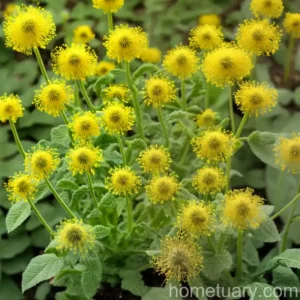
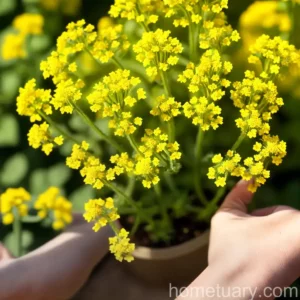
The Wonderful World of Sweet Rocket (Hesperis Matronalis)
Plants have been an integral part of human existence since time immemorial, providing us with food, medicine, and beauty. Among the vast array of plant species, one particularly enchanting and versatile plant is the Sweet Rocket, scientifically known as Hesperis matronalis. This ornamental herbaceous perennial has captured the hearts of gardeners, herbalists, and nature enthusiasts for centuries with its delightful fragrance, charming blooms, and a range of cultural and medicinal uses. In this comprehensive guide, we will explore the captivating world of Sweet Rocket, delving into its cultural significance, growing requirements, uses, and so much more.
What is Sweet Rocket (Hesperis Matronalis)?
Sweet Rocket Overview
- Scientific Name: Hesperis matronalis
- Common Names: Sweet Rocket, Dame’s Rocket, Dame’s Violet, Mother-of-the-evening
- Family: Brassicaceae (Cruciferae)
- Type: Herbaceous perennial
- Origin: Eurasia and North Africa
Sweet Rocket is a delightful flowering plant that belongs to the Brassicaceae family, which also includes cabbage, mustard, and other cruciferous vegetables. It is native to Eurasia and North Africa, where it is found in woodlands, meadows, and along roadsides. The common names, such as Dame’s Rocket and Dame’s Violet, reflect the plant’s association with femininity and elegance, while its alluring fragrance has earned it the moniker “Mother-of-the-evening.”
Key Takeaways – Sweet Rocket (Hesperis Matronalis)
- Sweet Rocket, also known as Hesperis matronalis, is a fragrant herbaceous perennial with beautiful clusters of flowers.
- It belongs to the Brassicaceae family and is native to Eurasia and North Africa.
- The plant is known for its captivating fragrance and is commonly used in gardens and landscaping for its ornamental value.
- Sweet Rocket has a rich cultural history and is associated with femininity and elegance, reflected in its various common names.
- The plant has diverse cultural, medicinal, and ornamental uses, making it a prized addition to gardens and natural landscapes.
- Understanding its cultural significance, growing requirements, and uses can help plant enthusiasts make the most of this enchanting species.
Culture
Uses
Sweet Rocket has been cherished for its ornamental, aromatic, and medicinal properties for centuries, enriching gardens and natural spaces with its beauty and fragrance. Let’s explore the diverse uses of this captivating plant.
Ornamental Use
-
Sweet Rocket in Gardens: The plant is commonly cultivated in gardens for its charming, fragrant blooms that add a touch of elegance and beauty to the landscape. It is often used in cottage gardens, border plantings, and mixed perennial beds, where its lovely flowers and delightful scent create a captivating display.
-
Landscape Ideas: Sweet Rocket’s tall spikes of flowers make it an excellent choice for naturalized landscapes, woodland gardens, and informal settings, adding height and color to the backdrop. Its ability to attract pollinators enhances the ecological value of such spaces.
-
Container Gardening: Due to its adaptability, Sweet Rocket can thrive in containers, allowing urban and space-constrained gardeners to enjoy its beauty and fragrance on balconies, patios, or other outdoor areas.
-
Companion Plant: The plant’s alluring fragrance and delicate appearance make it an ideal companion for a variety of garden companions. It can be interplanted with other perennials, shrubs, and annuals to create stunning mixed plantings.
Medicinal Use
- Herbal Uses: In traditional herbal medicine, Sweet Rocket has been utilized for its reputed medicinal properties. The plant was historically valued for its diuretic, diaphoretic, and laxative properties, and was employed to address various ailments. Additionally, Sweet Rocket was believed to possess mild sedative and anti-inflammatory attributes. While its medicinal uses have diminished with modern pharmaceutical advancements, the historical significance of this plant in herbal medicine should not be overlooked.
Water
- Water Needs: Sweet Rocket thrives in moist, well-drained soils and appreciates regular watering, especially during dry spells. It is important to provide consistent moisture to young plants and during extended periods of drought to ensure robust growth and prolific flowering.
Sunlight
- Sun Requirements: Sweet Rocket flourishes in partial shade to full sun, making it adaptable to a range of light conditions. While it can tolerate some shade, it generally performs best in a location with ample sunlight to promote strong, healthy growth and abundant flowering.
Fertilizer
- Fertilization: Fertilizing is generally not necessary for Sweet Rocket if it is planted in nutrient-rich soil. However, if the soil is poor or deficient in organic matter, a balanced, slow-release fertilizer can be applied in spring to provide essential nutrients for healthy growth and blooming.
Soil
- Soil Requirements: Sweet Rocket prefers fertile, well-drained soil with a slightly alkaline to neutral pH. It can adapt to various soil types, including loamy, sandy, or clay soils, as long as they are well-drained. Incorporating organic matter, such as compost, during planting can enhance soil fertility and structure, providing an optimal growing environment for the plant.
Pruning
- Pruning Tips: After the blooming period, spent flowers and stems can be deadheaded to encourage additional flowering and prevent self-seeding. Additionally, cutting back the plant’s foliage in late summer can promote a more compact growth habit and a fresh flush of growth. Proper pruning can help maintain the plant’s vigor and appearance throughout the growing season.
Propagation
-
Propagation: Sweet Rocket can be propagated from seeds or divisions to establish new plants. Here are some propagation tips for this lovely perennial:
-
Seeds: Collect mature seeds from the plant after the flowering period and sow them directly into the garden in the fall or early spring. Lightly cover the seeds with soil and keep them moist until germination occurs.
-
Divisions: Established clumps of Sweet Rocket can be divided in early spring or fall to create new plants. Carefully lift the clump, divide it into smaller sections, and replant the divisions in prepared soil. Ensure that each division has sufficient roots and foliage to support its growth.
-
Container Popularity
- Container Gardening: Sweet Rocket’s adaptability to container planting makes it a popular choice for gardeners with limited space or those seeking to add fragrance and beauty to patios, balconies, or small outdoor areas. When grown in containers, it is important to use a well-draining potting mix, provide adequate water, and ensure that the container receives sufficient sunlight for optimal growth and blooming.
Common Diseases
Sweet Rocket is generally resistant to most diseases but may be susceptible to certain issues under specific conditions. Understanding common diseases and their management can help maintain the plant’s health and vitality.
Disease Diagnosis
-
Downy Mildew (Peronospora parasitica): This fungal disease can cause yellowing and wilting of foliage, with the presence of a grayish-white, powdery growth on the undersides of leaves. Proper sanitation, adequate air circulation, and fungicidal treatments may help manage this issue.
-
Powdery Mildew (Erysiphe cruciferarum): Powdery mildew can manifest as a white, powdery coating on foliage, eventually leading to leaf distortion and reduced vigor. Improving air circulation, removing affected plant parts, and utilizing fungicidal treatments can aid in controlling powdery mildew.
-
Leaf Spot Diseases: Various fungal and bacterial pathogens can cause leaf spot diseases, resulting in circular lesions with distinctive margins on the foliage. Implementing proper sanitation, avoiding overhead watering, and applying fungicidal treatments when necessary can help mitigate leaf spot issues.
Common Pests
While generally resistant to most pests, Sweet Rocket may encounter occasional pest pressures that can impact its growth and appearance. Identifying common pests and implementing appropriate pest management strategies is essential for maintaining the plant’s vitality.
Botanist’s Tips
To enhance the successful cultivation of Sweet Rocket and appreciate its full potential, consider the following botanical insights and recommendations:
-
Pollinator Attraction: The nectar-rich blossoms of Sweet Rocket attract a variety of pollinators, including bees, butterflies, and other beneficial insects, making it a valuable addition to pollinator-friendly gardens and naturalized landscapes.
-
Partner Plants: Pairing Sweet Rocket with other pollinator-friendly plants, such as lavender, catmint, and coneflowers, can create a vibrant and ecologically beneficial garden design, supporting pollinators and enhancing the aesthetic appeal of the landscape.
-
Underplanting: Consider planting low-growing, shade-tolerant perennials or ground covers around the base of Sweet Rocket to create visually appealing combinations and maximize the use of space in the garden.
Fun Facts
Sweet Rocket in Folklore
In folklore and traditional cultures, Sweet Rocket has been associated with various symbolisms and uses, adding to its enchanting allure and historical significance. Here are some intriguing insights into the folklore surrounding this captivating plant:
-
Historical Significance: Sweet Rocket has been historically linked to femininity, grace, and elegance, with its delightful fragrance and charming blossoms symbolizing love, purity, and beauty in many cultural contexts.
-
Festive Decor: In some traditions, Sweet Rocket was utilized for floral arrangements and garlands during festive celebrations, weddings, and other joyous occasions, infusing the gatherings with its sweet fragrance and enchanting presence.
-
Herbal Traditions: Sweet Rocket was incorporated into various herbal traditions and folk remedies, reflecting its perceived medicinal properties and cultural importance in the realms of wellness and healing.
Links to External Resources
For further exploration of Sweet Rocket and its diverse facets, the following external resources offer valuable information, insights, and inspiration:
- Royal Horticultural Society – Hesperis Matronalis
- Missouri Botanical Garden – Hesperis Matronalis
- Gardening Know How – Sweet Rocket Plant Care
- University of Vermont Extension Department of Plant and Soil Science – Ornamentals: Dame’s Rocket
Conclusion
In the realm of ornamental plants, few species possess the timeless charm, versatility, and cultural significance of Sweet Rocket (Hesperis matronalis). From its captivating fragrance and delightful blooms to its diverse uses and rich folklore, this herbaceous perennial continues to captivate the hearts and imaginations of plant enthusiasts, herbalists, and nature lovers around the world. By understanding the cultural importance, growing requirements, and uses of Sweet Rocket, individuals can cultivate and appreciate this enchanting plant to its fullest potential, enhancing gardens, landscapes, and lives with its timeless beauty and captivating presence.
In the pursuit of sustainable gardening and ecological stewardship, embracing the allure of ornamental plants like Sweet Rocket offers not only aesthetic pleasure but also supports biodiversity, pollinators, and the interconnected web of life that flourishes in our natural spaces. As we cherish the ornamental and cultural treasures of plants like Sweet Rocket, we honor the intricate tapestry of nature and celebrate the enduring bond between humanity and the botanical realm.
May the fragrant blossoms and enchanting presence of Sweet Rocket continue to inspire and delight generations to come, serving as a poignant reminder of the timeless beauty and wonder that can be found in the embrace of nature’s gifts.