Hoary Stock (Matthiola Incana)
Plants hold an indispensable place in the world, serving as the very foundation of life. They come in all shapes, sizes, and colors, each with its own.
Introduction
Plants hold an indispensable place in the world, serving as the very foundation of life. They come in all shapes, sizes, and colors, each with its own unique characteristics and requirements for growth. In this comprehensive guide, we will delve into the intriguing world of the Hoary Stock plant (Matthiola incana). From its cultural significance and uses to its growth requirements, propagation, and common diseases and pests, we will cover every aspect of this captivating plant.
What is Hoary Stock (Matthiola incana)?
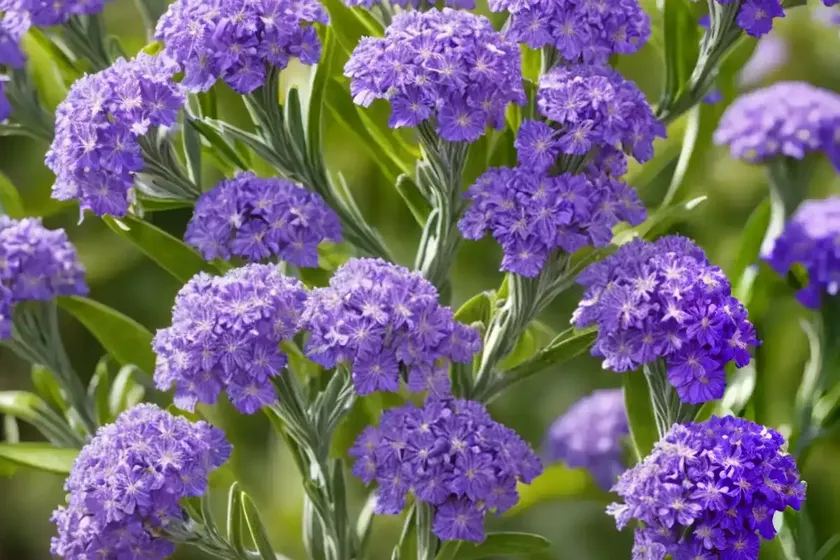
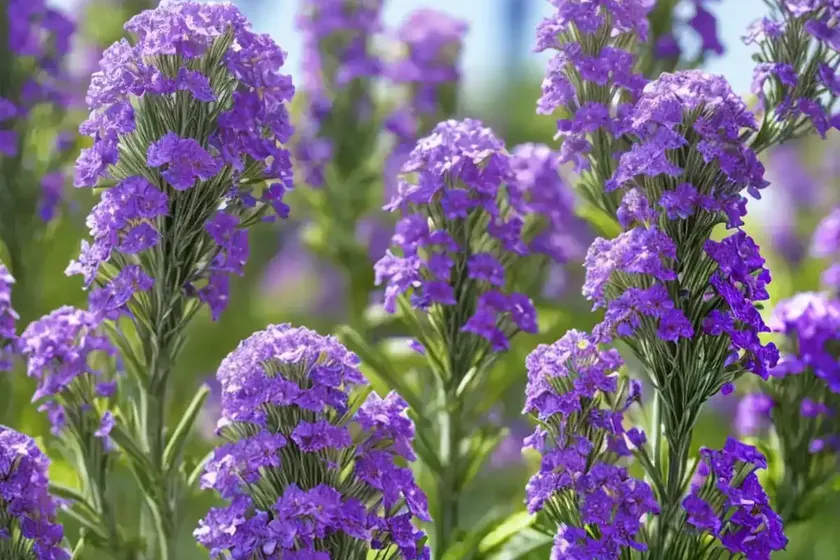
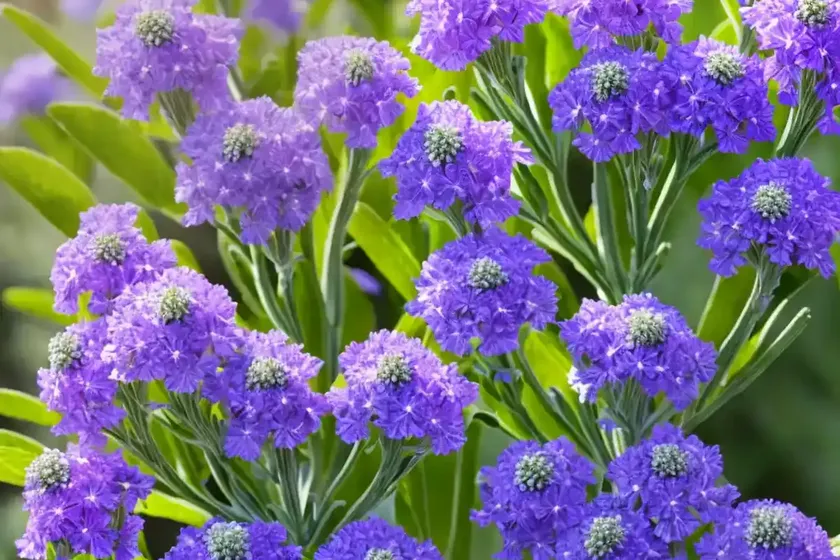
Hoary Stock, scientifically known as Matthiola incana, is a flowering plant that belongs to the Brassicaceae family. It is renowned for its fragrant and vibrant flowers, making it a popular choice for gardens, landscapes, and floral arrangements. This biennial or short-lived perennial plant is revered for its ornamental qualities and cultural and medicinal uses.
Hoary Stock is native to the Mediterranean region and has been cultivated for centuries due to its enchanting fragrance and beautiful flowers. It is often grown as an ornamental plant but also holds significance in traditional herbal remedies and folklore.
Key Takeaways
Hoary Stock (Matthiola incana)
- Scientific Name: Matthiola incana
- Common Name: Hoary Stock
- Family: Brassicaceae
- Nature: Biennial/short-lived perennial
Culture
Hoary Stock is known for its prolific blooms and delightful fragrance, making it a favorite among gardeners and florists. Understanding its cultural requirements is essential for nurturing this plant to its full potential.
Uses
Ornamental
- Hoary Stock is primarily grown for its ornamental value. The fragrant flowers and attractive colors make it a sought-after plant for floral arrangements, landscaping, and garden borders.
Medicinal
- The plant has been used in traditional herbal remedies for its purported medicinal properties.
Water
Hoary Stock has moderate water needs and should be watered consistently to keep the soil moist but not waterlogged. Adequate watering is crucial, especially during periods of dry weather or when the plant is in bloom.
- Water the plant deeply once or twice a week, ensuring that the water reaches the root zone.
- Avoid overwatering, which can lead to root rot and other water-related issues.
Sunlight
Hoary Stock thrives in full sun to partial shade, making it versatile in various garden settings. Adequate sunlight is essential for robust growth and prolific flowering.
- Plant in a location that receives at least 6 hours of sunlight per day for best results.
- In areas with intense summer heat, providing partial shade during the hottest part of the day can benefit the plant.
Fertilizer
Fertilizing Hoary Stock contributes to its overall health and flowering performance. A balanced fertilizer can provide the necessary nutrients for vigorous growth and abundant blooms.
- Use a slow-release fertilizer or organic compost when planting Hoary Stock to enrich the soil.
- Apply a general-purpose liquid fertilizer every 4-6 weeks during the growing season to promote continuous flowering.
Soil
The right soil conditions are vital for Hoary Stock to thrive. Well-draining soil with good fertility and a slightly alkaline pH is ideal for this plant.
- Amend the soil with organic matter such as compost to improve its structure and fertility.
- Ensure that the soil is well-draining to prevent waterlogging, which can lead to root problems.
Pruning
Proper pruning can help maintain the shape and vigor of Hoary Stock while also encouraging repeat blooming. Deadheading spent flowers is particularly important for prolonging the flowering period.
- Regularly remove faded flowers to stimulate the production of new blooms.
- Prune the plant to maintain a compact and bushy growth habit, especially in the early stages of growth.
Propagation
Hoary Stock can be propagated through seeds or cuttings. Understanding the propagation methods is essential for expanding and replenishing your plant collection.
- Seed Propagation: Harvest seeds from mature seedpods and sow them in well-prepared soil in the early spring or fall for the following year’s blooms.
- Cutting Propagation: Take stem cuttings in the spring or early summer, and root them in a well-draining potting mix to produce new plants.
Container Popularity
Due to its compact growth habit and attractive flowers, Hoary Stock is well-suited for container gardening. The plant’s adaptability to containers makes it a favorite choice for beautifying patios, balconies, and other small spaces.
- Select a container with adequate drainage holes to prevent waterlogging.
- Use a well-draining potting mix specifically formulated for container plants.
Common Diseases
Hoary Stock is generally resistant to diseases, but certain environmental conditions can make it susceptible to specific issues. Being attentive to signs of diseases and taking preventive measures is essential for maintaining the plant’s health.
- Powdery Mildew: Fungal disease that causes powdery white patches on the foliage. Maintain good air circulation and avoid overhead watering to prevent powdery mildew.
- Root Rot: Excessive moisture and waterlogged soil can lead to root rot. Ensure proper drainage and avoid overwatering to prevent this issue.
Disease Diagnosis
Diagnosing and addressing diseases promptly is crucial for preventing the spread and damage caused by plant diseases.
- Check the foliage regularly for any signs of discoloration, spotting, or powdery residues.
- If symptoms are observed, isolate the affected plant to prevent the spread of the disease.
Common Pests
Hoary Stock may encounter various pests that can detract from its growth and flowering. Understanding the common pests and their control measures is essential for maintaining healthy plants.
- Aphids: Small, sap-sucking insects that can cause distortion of leaves and transmit viruses. Control aphids by spraying the plant with a strong stream of water or using insecticidal soap.
- Cabbage Worms: Green caterpillars that feed on the foliage. Handpick the caterpillars or use organic insecticides to control their population.
Botanist’s Tips
- Regularly deadhead faded flowers to prolong the blooming period and maintain a tidy appearance.
- Apply a layer of organic mulch around the base of the plant to conserve moisture and suppress weed growth.
- Provide adequate air circulation around the plants to minimize the risk of fungal diseases.
Fun Facts
- In traditional folklore, Hoary Stock was associated with love, happiness, and protection against evil spirits, making it a popular choice for bridal bouquets and decorations.
- The plant’s fragrant blooms attract a variety of pollinators, including butterflies, bees, and hummingbirds, adding liveliness to the garden.
Links to External Resources
For further information on Hoary Stock (Matthiola incana) and related topics, the following resources can provide valuable insights:
- Royal Horticultural Society – Matthiola incana
- University of Florida IFAS Extension – Hoary Stock Propagation
- Missouri Botanical Garden – Plant Finder: Matthiola incana
- North Carolina State University Extension – Growing Biennials
In conclusion, Hoary Stock (Matthiola incana) stands out as a captivating and versatile plant with numerous uses and characteristics that make it a valuable addition to gardens, landscapes, and floral arrangements. By understanding its cultural requirements, propagation methods, and pest and disease control measures, gardeners can cultivate and enjoy the beauty and fragrance of this remarkable plant.
Remember to foster a hospitable environment for Hoary Stock by providing suitable growing conditions, and you will undoubtedly be rewarded with an abundance of charming blooms and delightful fragrances.
With its rich history, ornamental allure, and cultural significance, Hoary Stock continues to be a cherished plant that captivates the hearts of plant enthusiasts and nature lovers alike.