Star-Of-Bethlehem (Gagea Pratensis)
As a plant scientist, I am always fascinated by the diversity and beauty of the botanical world. Today, we will delve into the intriguing world of the.
Introduction
As a plant scientist, I am always fascinated by the diversity and beauty of the botanical world. Today, we will delve into the intriguing world of the Star-Of-Bethlehem (Gagea pratensis), a captivating plant that holds both ornamental and cultural significance. Throughout this comprehensive guide, we will explore the key aspects of this plant, including its characteristics, cultivation, and maintenance. Furthermore, we will uncover its rich history, uses, and even the potential challenges associated with its care. Let’s embark on this journey to unravel the mysteries and wonders of the Star-Of-Bethlehem.
What is the Star-Of-Bethlehem (Gagea pratensis)?
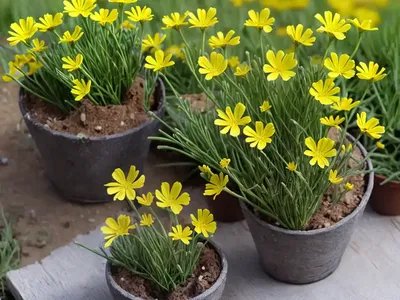
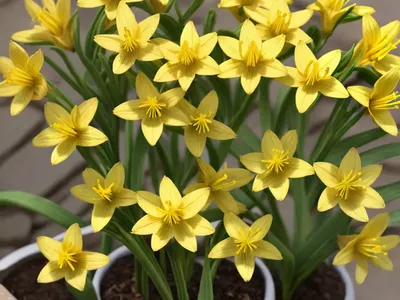
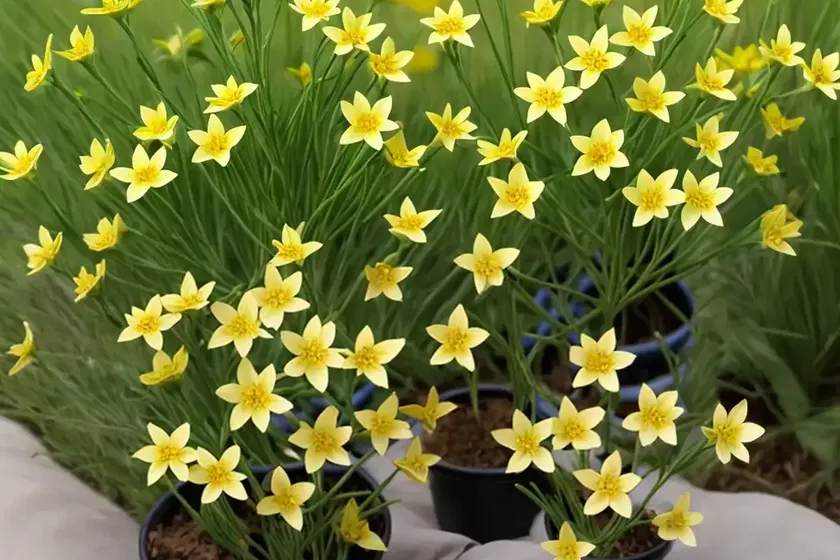
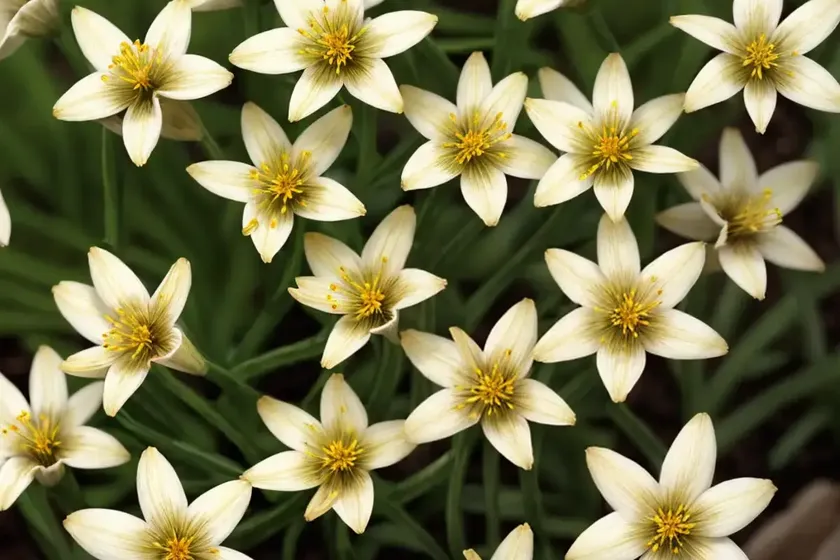
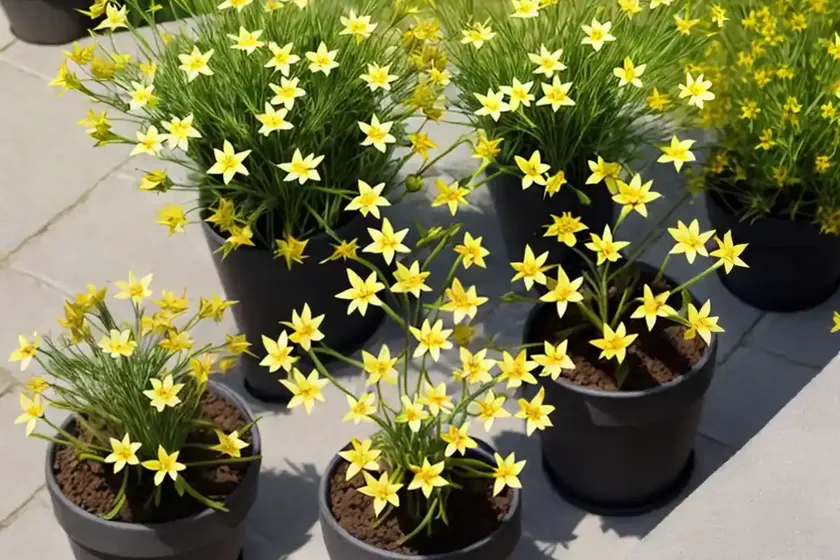
The Star-Of-Bethlehem, scientifically known as Gagea pratensis, is a species of flowering plant in the Liliaceae family. This delicate and alluring plant is native to Europe and Asia, where it thrives in various habitats, including meadows, woodlands, and grassy slopes. The plant derives its intriguing name from its star-shaped, six-petaled flowers that bloom in clusters. The petals come in a range of colors, including cheerful shades of yellow and white, creating a mesmerizing display in natural landscapes.
Plant Description:
- Scientific Name: Gagea pratensis
- Common Name: Star-Of-Bethlehem
- Family: Liliaceae
- Native Habitat: Europe and Asia
- Flower Characteristics: Six-petaled star-shaped flowers in yellow and white hues
Throughout this extensive guide, we will explore the various dimensions of the Star-Of-Bethlehem plant, covering its cultural significance, uses, care requirements, potential diseases and pests, and much more.
Key Takeaways – Star-Of-Bethlehem (Gagea pratensis)
Before delving into the intricacies of cultivating and caring for Star-Of-Bethlehem, let’s summarize the key takeaways associated with this captivating plant.
Star-Of-Bethlehem Plant Characteristics
The Star-Of-Bethlehem, as a member of the Liliaceae family, boasts several notable characteristics that contribute to its allure and appeal. Some of the prominent characteristics of the Gagea pratensis plant include:
– Six-petaled star-shaped flowers
– Vibrant yellow and white flower colors
– Fine-textured, narrow leaves
– Perennial growth habit
– Adaptability to various growing conditions
Star-Of-Bethlehem Plant Uses
The Star-Of-Bethlehem plant holds cultural, ornamental, and potentially medicinal uses. These uses include:
– Ornamental garden plant
– Symbolic significance in folklore and traditions
– Potential medicinal properties
Star-Of-Bethlehem Plant Care
Cultivating and caring for the Star-Of-Bethlehem plant requires attention to several key factors, including:
– Watering needs
– Sunlight requirements
– Soil preferences
– Fertilization guidelines
– Pruning considerations
– Propagation methods
Common Diseases and Pests
While the Star-Of-Bethlehem is relatively resilient, it may still be susceptible to certain diseases and pests. Identifying and addressing these issues is crucial for maintaining plant health and vigor.
As we progress, we will delve deeper into each of these key takeaways, providing comprehensive insights into the cultivation, care, and significance of the Star-Of-Bethlehem plant.
Culture
Cultural Significance
The Star-Of-Bethlehem plant has captured the fascination of cultures and traditions across various regions where it naturally occurs. Its star-shaped flowers and graceful presence have inspired symbolic and mythological associations, contributing to its cultural significance.
Symbolism and Folklore
In folk traditions, the Star-Of-Bethlehem plant has been associated with themes of purity, hope, and renewal. Its star-like flowers are often linked to celestial symbolism, representing notions of light, guidance, and spiritual awakening.
The name “Star-Of-Bethlehem” itself carries religious connotations, linking the plant to the biblical narrative and the Nativity. The star-shaped flowers have been interpreted as celestial messengers, carrying profound symbolic meaning in diverse cultural narratives.
Herbs and Medicinal Uses
Beyond its ornamental appeal, the Star-Of-Bethlehem has been historically associated with various medicinal properties. While modern scientific research on its medicinal uses is limited, traditional herbal knowledge has attributed certain therapeutic benefits to the plant.
In traditional herbal medicine, the bulb of the Star-Of-Bethlehem plant has been utilized for its potential diuretic and expectorant properties. However, it is crucial to note that the plant contains toxic compounds, and any potential medicinal use should be approached with caution and expert guidance.
Uses
Ornamental Garden Plant
The Star-Of-Bethlehem, with its charming star-like blooms and slender foliage, holds an esteemed place in the realm of ornamental gardening. Its graceful appearance and perennial nature make it a coveted addition to gardens and landscapes, contributing to a captivating floral display.
Landscaping Applications
In garden design, the Star-Of-Bethlehem plant finds its place in various landscaping scenarios. Its delicate blooms and graceful foliage can be utilized in diverse ways, including:
– Naturalizing in meadows and woodland settings
– Enlivening rock gardens and border plantings
– Enhancing the visual appeal of cottage gardens and informal landscapes
Cultural and Symbolic Uses
The star-shaped blossoms of the Star-Of-Bethlehem plant have historically held symbolic significance in diverse cultural contexts. In festivals, ceremonies, and religious observances, the plant’s blooms have been integrated into decorations and rituals, echoing themes of purity, spirituality, and rebirth.
While its uses extend beyond mere utility, the plant’s symbolic resonance adds an enriching layer to its presence in cultural practices and traditions.
Water
Watering Needs
Understanding the water requirements of the Star-Of-Bethlehem plant is fundamental for ensuring its vitality and longevity in garden settings. While the plant exhibits a degree of resilience, optimal watering practices are essential for promoting healthy growth and prolific blooming.
Soil Moisture Levels
The Star-Of-Bethlehem plant thrives in well-drained soil conditions, requiring moderate soil moisture to support its growth. Consistent moisture, without waterlogging, is beneficial, especially during the active growing season and blooming period.
Watering Guidelines
To provide appropriate moisture to the Star-Of-Bethlehem plant, consider the following watering guidelines:
– Established Plants: During periods of limited rainfall, provide supplementary water to established plants, ensuring that the soil remains evenly moist but not waterlogged.
– Newly Planted Specimens: Newly planted Star-Of-Bethlehem specimens may benefit from more frequent watering to support establishment and root development. Monitor soil moisture closely during the initial stages after planting.
Seasonal Considerations
Adapt watering practices according to seasonal variations in temperature and precipitation. In hot and dry conditions, increase the frequency of watering to prevent the soil from drying out excessively. During periods of heavy rainfall, adjust watering frequency to avoid water accumulation around the plant’s root zone.
Sunlight
Sunlight Requirements
Ample sunlight is essential for promoting the vigorous growth and abundant flowering of the Star-Of-Bethlehem plant. Understanding the plant’s sunlight preferences is pivotal for optimizing its performance in garden settings.
Preferred Lighting Conditions
The Star-Of-Bethlehem plant thrives in full to partial sunlight, benefiting from at least six hours of direct sunlight per day. Adequate sunlight exposure supports robust flower production and helps maintain the plant’s overall vigor and vitality.
Partial Shade Tolerance
While the plant favors full sunlight, it also exhibits a degree of tolerance to partial shade. In regions with intense summer heat, providing some afternoon shade may shield the plant from excessive heat stress and help prolong the longevity of its blooms.
Positioning Considerations
When situating Star-Of-Bethlehem specimens in garden settings, consider the following positioning considerations:
– Select a well-drained location with exposure to ample sunlight, especially during the morning hours.
– In hotter climates, partial shade during the heat of the day may be beneficial to prevent sunscald and heat-related stress.
Fertilizer
Fertilization Guidelines
Appropriate fertilization practices play a pivotal role in supporting the healthy growth and blooming of the Star-Of-Bethlehem plant. While the plant is relatively resilient, providing essential nutrients can enhance its vigor and floral abundance.
Nutrient Requirements
The Star-Of-Bethlehem benefits from a balanced fertilizer application, supplying vital nutrients for sustained growth and flowering. The following fertilizer considerations are essential for promoting the plant’s vitality:
– NPK Ratio: Utilize a balanced, all-purpose fertilizer with an NPK ratio of approximately 10-10-10 or a similar composition. This balanced formulation supports overall plant health and flower production.
– Application Timing: Apply fertilizer in early spring, just before the onset of active growth and blooming. A supplemental application in mid-summer can further bolster the plant’s vigor.
Application Method
To effectively administer fertilizer to the Star-Of-Bethlehem plant, employ the following application method:
– Granular Fertilizer: Sprinkle the recommended amount of granular fertilizer around the base of the plant, ensuring even distribution.
– Incorporation: Gently work the fertilizer into the soil surface, avoiding direct contact with the plant’s foliage to prevent potential leaf burn.
Maintain a balanced approach to fertilization, avoiding excessive applications that can lead to nutrient imbalances and potential adverse effects on the plant’s well-being.
Soil
Soil Preferences
Understanding the soil preferences of the Star-Of-Bethlehem plant is crucial for establishing optimal growing conditions and promoting its robust growth and blooming performance. The plant thrives in well-drained, nutrient-rich soil, exhibiting adaptability to varied soil types.
Soil Texture
The Star-Of-Bethlehem plant flourishes in loamy, well-drained soil with a moderately rich organic content. The following soil characteristics are beneficial for the plant’s growth:
– Well-Drained Structure: Ensure that the soil offers good drainage to prevent waterlogging, which can compromise the plant’s root health.
– Ample Organic Matter: Incorporate organic amendments, such as compost or well-rotted manure, into the soil to enhance its fertility and moisture retention capacity.
pH Range
The preferred soil pH range for the Star-Of-Bethlehem plant falls within the slightly acidic to neutral range, typically between 6.0 and 7.0. Monitoring and maintaining the soil pH within this optimal range promotes nutrient availability and supports the plant’s physiological processes.
Soil Testing
Conduct periodic soil tests to assess the pH and nutrient levels in the soil. Based on the test results, make appropriate adjustments to the soil pH and fertility to create a favorable growing environment for the Star-Of-Bethlehem plant.
Pruning
Pruning Considerations
Pruning plays a pivotal role in maintaining the health, appearance, and blooming efficiency of the Star-Of-Bethlehem plant. While the plant generally requires minimal pruning, strategic interventions can help optimize its growth and flowering performance.
Pruning Timing
Execute pruning operations at the appropriate times to minimize potential disruption to the plant’s natural growth cycles and blooming patterns. Key pruning considerations include:
– Post-Blooming Pruning: After the blooming period, remove spent flower stalks and any discolored or damaged foliage to maintain the plant’s aesthetic appeal and encourage new growth.
– Division: Periodically divide overcrowded clumps of Star-Of-Bethlehem plants, especially if their growth becomes dense or leads to reduced flowering. Dividing plant clumps rejuvenates their vigor and promotes enhanced blooming.
Pruning Techniques
Employ precise and targeted pruning techniques to ensure the optimal health and visual appeal of the Star-Of-Bethlehem plant. Utilize clean, sharp pruning tools and adhere to the following practices:
– Deadheading: Remove spent flowers by cutting the flower stalks back to the base of the plant, promoting additional blooming and tidying the plant’s appearance.
– Division Method: When dividing plant clumps, carefully sever the root mass into smaller sections and replant them at the desired locations, ensuring each division contains viable roots and shoots for successful establishment.
Propagation
Propagation Methods
The propagation of Star-Of-Bethlehem plants allows for the expansion of their presence in garden settings and provides the opportunity to share their beauty with others. Several reliable propagation methods can be employed to propagate new plants from established specimens.
Division Technique
Division: Divide mature clumps of Star-Of-Bethlehem plants during the dormant season, typically in early spring or late summer. Follow these steps to propagate the plant through division:
1. Carefully extract the plant clump from the soil, ensuring the preservation of the root system.
2. Use a sharp garden knife or spade to separate the clump into smaller sections, each containing viable roots and shoots.
3. Replant the divided sections in prepared soil, ensuring proper spacing and adequate soil moisture for successful establishment.
Seed Propagation
While less commonly employed, seed propagation offers an alternative method for propagating Star-Of-Bethlehem plants. To propagate the plant from seeds, adhere to the following seed propagation guidelines:
– Seed Collection: Collect mature seeds from the plant after the blooming period. Allow the seeds to fully ripen and dry on the plant before harvesting.
– Sowing Method: Sow the collected seeds in suitable seed-starting mix or well-prepared garden soil. Ensure consistent soil moisture and warmth to facilitate germination.
Propagation Considerations
When propagating Star-Of-Bethlehem plants through division or seed propagation, consider the following essential propagation considerations:
– Plant Health: Select robust and healthy specimens for propagation, ensuring the propagation of desirable traits and consistent vigor in the new plants.
– Soil Preparation: Prepare the planting site or propagation containers with fertile, well-drained soil, creating an optimal growth environment for the newly propagated plants.
– Establishment Care: Provide attentive care to the newly propagated plants, ensuring adequate moisture, protection from extreme conditions, and support for their initial growth and establishment.
Container Popularity
Container Gardening Appeal
The Star-Of-Bethlehem plant’s captivating flowers and graceful foliage make it an appealing choice for container gardening enthusiasts. Cultivating the plant in containers offers several advantages, including:
– Flexibility in placement and positioning
– Opportunity to showcase the plant’s blooms in diverse locations
– Potential to create stunning arrangements and displays with complementary companion plants
Container Selection
When selecting containers for growing Star-Of-Bethlehem plants, consider the following container characteristics:
– Adequate Drainage: Ensure that the containers offer sufficient drainage, preventing waterlogging and promoting root health.
– Appropriate Size: Select containers with ample room for the plant’s roots to expand, providing a conducive environment for robust growth.
– Material Considerations: Choose durable, weather-resistant containers that complement the aesthetics of the Star-Of-Bethlehem plant and harmonize with the overall garden design.
Container Care
The successful cultivation of Star-Of-Bethlehem plants in containers depends on attentive care and strategic maintenance practices. Adhere to the following guidelines to ensure the optimal condition of container-grown specimens:
– Watering: Monitor the soil moisture levels closely, ensuring that the container soil remains consistently moist but not waterlogged.
– Sunlight Exposure: Position the containers in locations that receive adequate sunlight, aligning with the plant’s sunlight requirements for robust growth and blooming.
– Fertilization: Apply a balanced, slow-release fertilizer to container-grown plants, supplementing their nutrient requirements for sustained vitality and flowering.
Common Diseases
Disease Susceptibility
The Star-Of-Bethlehem plant generally exhibits resilience to most common plant diseases, contributing to its reputation as a low-maintenance garden specimen. However, certain environmental and cultural factors can predispose the plant to specific diseases, warranting vigilance and prompt intervention.
Fungal Infections
In conditions of excessive moisture and poor air circulation, the Star-Of-Bethlehem plant may be susceptible to fungal diseases, including:
– Botrytis Blight: Manifests as gray mold on flowers and foliage, leading to wilt and decay.
– Leaf Spot Diseases: Characterized by the formation of discolored, spotted areas on the plant’s leaves, compromising their vigor and aesthetic appeal.
Disease Prevention
Preventing the onset and spread of common plant diseases is critical for maintaining the health and vitality of Star-Of-Bethlehem plants. Implement the following disease prevention strategies:
– Cultural Practices: Maintain proper spacing between plants, promoting adequate air circulation and reducing the risk of fungal infections.
– Optimal Watering: Avoid overwatering and minimize wet foliage to reduce the risk of fungal diseases and related issues.
– Sanitation: Remove and dispose of any affected plant material promptly to prevent disease spread, and employ clean pruning tools to minimize transmission of pathogens.
Disease Diagnosis
When observing symptoms of disease or abnormalities in Star-Of-Bethlehem plants, it is crucial to accurately diagnose the underlying issues to implement effective management strategies. Some common signs of disease and potential diagnostic considerations include:
– Discoloration: Yellowing, browning, or spotting of leaves may indicate fungal or bacterial infections or nutrient deficiencies.
– Wilting or Drooping: Signs of wilting or drooping may point to issues with water uptake, such as root rot or waterlogging.
– Abnormal Growth Patterns: Stunted growth, deformities, or abnormal blooming patterns may signal physiological disorders or pest infestations.
Consulting with knowledgeable horticulturists or plant health specialists can aid in accurate disease diagnosis and the development of targeted solutions to address the specific issues affecting the Star-Of-Bethlehem plants.
Common Pests
Pest Vulnerability
While generally resilient, the Star-Of-Bethlehem plant may encounter potential pest pressures, necessitating vigilant monitoring and integrated pest management practices.
Aphid Infestations
Aphids, small sap-sucking insects, may target the foliage and tender shoots of Star-Of-Bethlehem plants, leading to detrimental effects such as:
– Deformation and curling of leaves
– Weakening of plant vigor
– Honeydew secretion and sooty mold growth on foliage
Pest Management
Employing proactive pest management approaches is essential for mitigating potential pest infestations and safeguarding the health of Star-Of-Bethlehem plants. Integrated pest management strategies include:
– Natural Predators: Encourage the presence of beneficial insects, such as ladybugs and lacewings, which predate on aphids and help control their populations.
– Physical Removal: Physically dislodge aphids from plant foliage with a strong stream of water, reducing their numbers and minimizing damage.
– Horticultural Oils and Soaps: Utilize horticultural oils and insecticidal soaps as targeted treatments to manage aphid infestations, minimizing the impact on beneficial insects and overall environmental balance.
Botanist’s Tips
Expert Insights
As a botanist and plant scientist, I offer the following expert tips and insights for cultivating and caring for Star-Of-Bethlehem plants:
- Site Selection: Choose well-drained, sunny locations for planting Star-Of-Bethlehem specimens, ensuring optimal growing conditions for robust growth and blooming.
- Soil Amendment: Incorporate organic matter into the soil, enhancing its fertility and moisture retention capacity to support the plant’s vigor and resilience.
- Minimal Pruning: Practice minimal pruning