Star Cactus (Haworthia Retusa)
The Star Cactus, scientifically known as Haworthia retusa, is a charming succulent plant that has gained popularity among plant enthusiasts for its.
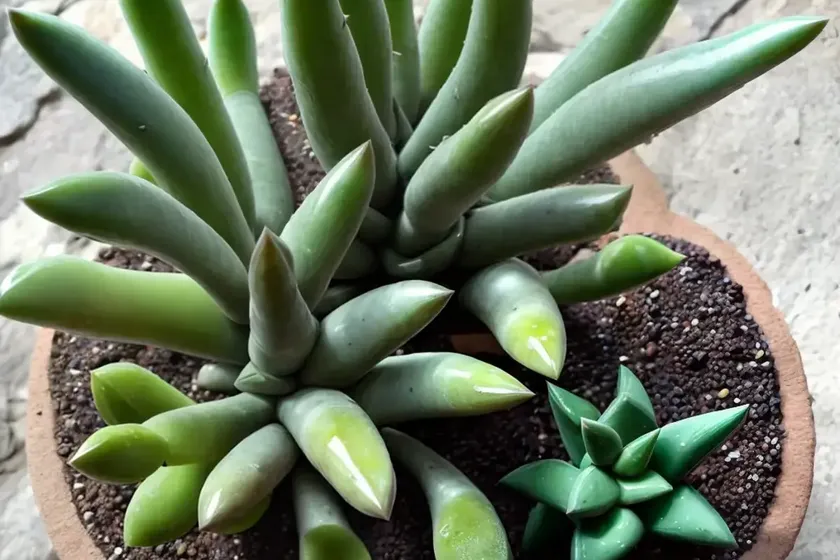
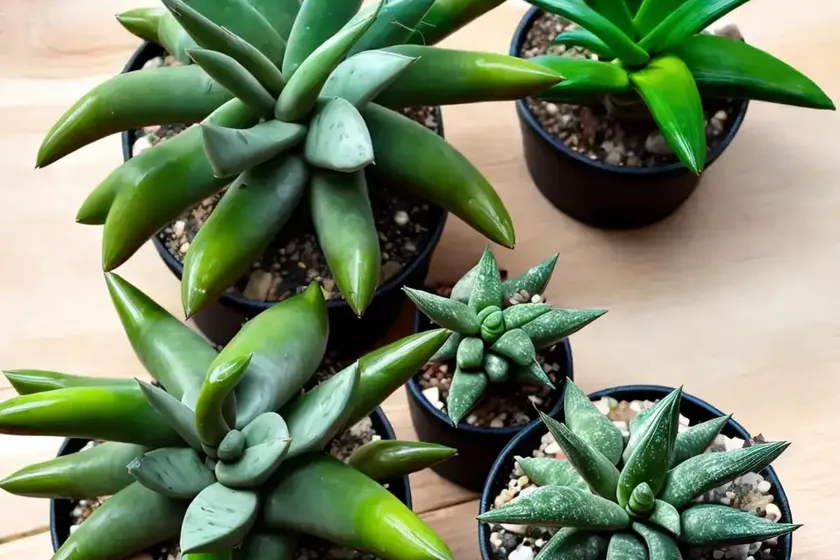
The Star Cactus, scientifically known as Haworthia retusa, is a charming succulent plant that has gained popularity among plant enthusiasts for its striking appearance and low-maintenance requirements. This article is a comprehensive guide to understanding and caring for the Star Cactus, covering its culture, uses, care requirements, propagation, common diseases, common pests, and much more.
Plant Name: Star Cactus (Haworthia retusa)
Before we delve into the various aspects of caring for the Star Cactus, let’s first understand what this intriguing plant is all about.
What is the Star Cactus (Haworthia retusa)?
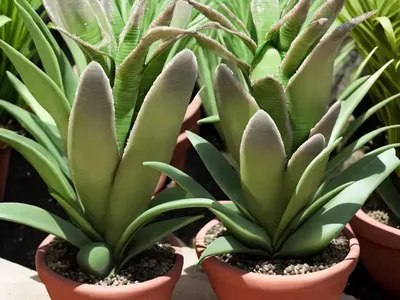
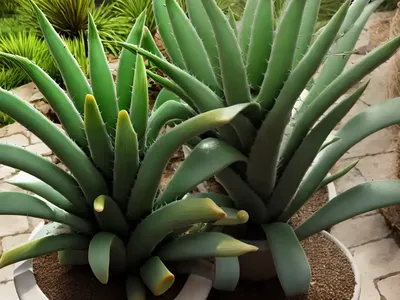
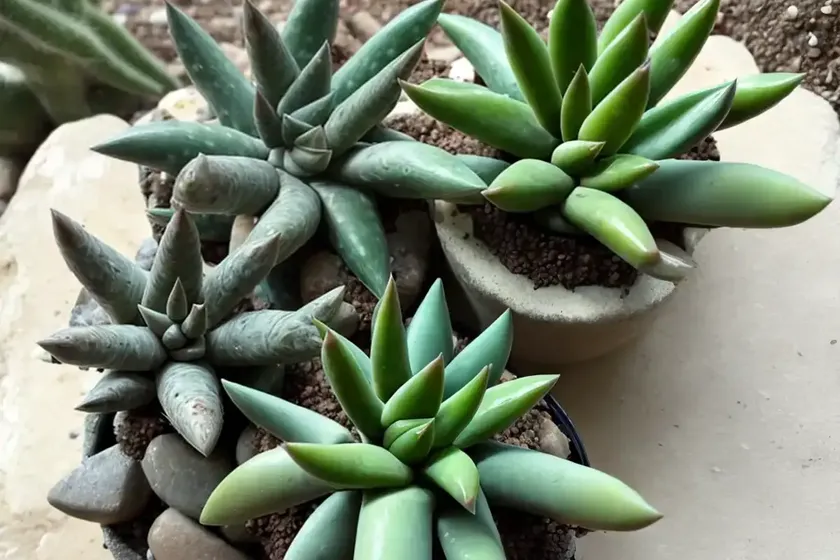
Haworthia retusa, commonly known as the Star Cactus, is a species of succulent plant in the genus Haworthia. It is native to South Africa, where it thrives in the warm, arid regions of the Eastern Cape province. The name “Star Cactus” is derived from the distinctive star-like rosette formation of its leaves, which gives it an otherworldly appearance. This plant belongs to the family Asphodelaceae and is closely related to Aloe and Gasteria plants.
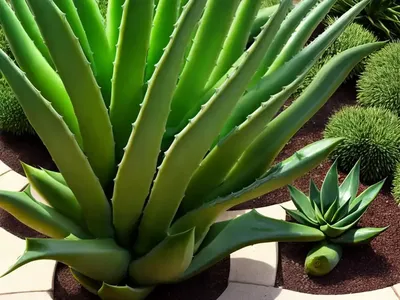
The Star Cactus is characterized by its compact size, fleshy leaves, and intricate leaf patterns, making it a visually appealing addition to indoor and outdoor plant collections. With proper care, it can thrive for many years, making it an excellent choice for both beginner and experienced plant enthusiasts.
Now that we have a basic understanding of the Star Cactus, let’s explore the key takeaways, culture, uses, and care requirements for this fascinating plant.
Key Takeaways – Star Cactus (Haworthia retusa)
Here are some key takeaways about the Star Cactus before we dive into the specifics of its care and maintenance:
- Botanical Name: Haworthia retusa
- Common Name: Star Cactus
- Plant Type: Succulent
- Native Habitat: Eastern Cape province of South Africa
- Distinctive Feature: Star-like rosette formation of leaves
- Low-Maintenance: Suitable for both beginner and experienced plant enthusiasts
- Versatile: Can be grown indoors and outdoors
- Attractive Display: Excellent for decorative arrangements and succulent gardens
Now that we have a general overview of the Star Cactus, let’s explore the specific aspects of caring for this unique plant.
Culture
Uses
The Star Cactus is prized for its ornamental value and is commonly used in various settings for its decorative appeal. Here are some popular uses of the Star Cactus:
- Indoor Decor: Its compact size and visually striking appearance make it a popular choice for indoor decor, such as tabletop displays, shelves, and terrariums.
- Succulent Gardens: It adds an exotic touch to succulent gardens and rock gardens, enhancing the overall aesthetic with its unique leaf formation.
- Ornamental Arrangements: Due to its distinctive shape and texture, it is often used in ornamental arrangements and mixed succulent displays.
- Houseplant: It serves as an attractive indoor plant, adding greenery to homes and offices while requiring minimal maintenance.
Water
Proper watering is key to the health and vitality of the Star Cactus. Due to its succulent nature, it is adapted to storing water in its leaves, allowing it to withstand periods of drought. Here are some essential guidelines for watering the Star Cactus:
- Frequency: Water the plant when the top inch of the soil feels dry to the touch. Typically, this translates to about once every 2-3 weeks during the growing season (spring and summer).
- Avoid Overwatering: It is crucial to avoid overwatering, as excessive moisture can lead to root rot and other issues. Always ensure that the soil has dried out between waterings.
- Winter Dormancy: During the winter months, reduce watering to once every 4-6 weeks, as the plant goes into a period of dormancy and requires less water.
Sunlight
Proper sunlight is essential for the Star Cactus to thrive and display its characteristic rosette formation and leaf coloration. Here are some important considerations regarding sunlight requirements:
- Light Exposure: Place the Star Cactus in bright, indirect sunlight. While it can tolerate some direct sunlight, prolonged exposure to intense afternoon sun should be avoided to prevent leaf scorching.
- Indoor Placement: If grown indoors, position the plant near a south- or east-facing window where it can receive ample natural light.
- Outdoor Cultivation: When grown outdoors, ensure that the plant is placed in a location with partial shade, especially during the hottest part of the day.
Fertilizer
Proper fertilization can help maintain the health and vigor of the Star Cactus. However, due to its relatively low nutritional requirements, it is important to apply fertilizer sparingly. Here are some fertilizer guidelines:
- Frequency: Fertilize the Star Cactus once every 3-4 weeks during the growing season (spring and summer) with a diluted, balanced liquid fertilizer specifically formulated for succulents.
- Reduce Frequency: During the fall and winter months, reduce the frequency of fertilization or completely withhold fertilizers, as the plant’s growth slows down.
Soil
The right soil composition is crucial for the Star Cactus to thrive and remain healthy. A well-draining, porous soil mix is essential to prevent waterlogging and ensure adequate aeration for the roots. Here are some tips for selecting the right soil for the Star Cactus:
- Succulent Potting Mix: Plant the Star Cactus in a well-draining succulent potting mix that provides good aeration and prevents water retention. Commercial succulent or cactus potting mixes are readily available and can also be augmented with perlite or sand for improved drainage.
- Avoid Heavy Soils: Refrain from using heavy, moisture-retentive soils, as they can lead to root rot and other issues.
Pruning
Although the Star Cactus generally requires minimal pruning, occasional maintenance may be necessary to remove dead or dried-up leaves. When pruning the plant, it is important to use clean, sharp scissors or pruning shears to avoid causing unnecessary damage.
Propagation
The Star Cactus can be propagated through offsets, leaf cuttings, and seed propagation. Here are some common methods of propagation:
- Offsets: Propagation through offsets involves separating the small offsets or “pups” that develop around the base of the parent plant. These offsets can be carefully removed and potted individually to establish new plants.
- Leaf Cuttings: Leaf cuttings can also be used to propagate the Star Cactus. Simply select healthy leaves, allow them to callus for a few days, and then place them on well-draining soil to root and establish new plants.
Container Popularity
The Star Cactus is a popular choice for container gardening due to its compact size and ornamental value. It is often featured in various types of containers, including:
- Terracotta Pots: The natural, earthy appeal of terracotta pots complements the Star Cactus’s rustic and organic aesthetic.
- Decorative Containers: It is often showcased in decorative containers that enhance its visual appeal, such as glazed ceramic pots, geometric planters, and glass containers.
- Hanging Baskets: The trailing growth habit of some varieties makes them suitable for hanging baskets, adding an interesting dimension to vertical displays.
Common Diseases
While the Star Cactus is relatively resistant to most diseases, it is important to be aware of potential issues that may arise. Here are some common diseases and ailments that may affect the plant:
- Root Rot: Overwatering or poorly draining soil can lead to root rot, causing the roots to decay and compromising the plant’s overall health.
- Pest Infestations: Mealybugs, aphids, and spider mites are common pests that may infest the Star Cactus, leading to issues such as leaf damage and wilting.
Disease Diagnosis
Diagnosing and addressing diseases promptly is crucial for the well-being of the Star Cactus. Here are some symptoms to watch out for and actions to take:
- Root Rot: If the plant exhibits wilting, yellowing, or mushy, discolored roots, it may be suffering from root rot. In such cases, it is important to assess the soil and adjust the watering regimen to prevent further damage.
- Pest Infestations: Keep an eye out for signs of pests, such as white, cottony masses (mealybugs) or webbing (spider mites) on the plant. If pests are detected, prompt treatment with insecticidal soaps or horticultural oils can help control infestations.
Common Pests
In addition to diseases, the Star Cactus is susceptible to various pests that can affect its health and appearance. Here are some common pests that may infest the plant:
- Mealybugs: These small, white, cottony insects can cluster on the leaves and stems, sucking sap from the plant and causing damage.
- Aphids: Aphids are tiny, soft-bodied insects that may appear in clusters on the new growth of the plant, leading to leaf distortion and yellowing.
- Spider Mites: These minuscule pests can create fine webbing on the plant and cause stippling or discoloration of the leaves as they feed on the plant sap.
Addressing pest infestations promptly is essential to prevent widespread damage and maintain the plant’s health.
Botanist’s Tips
Here are some expert tips for successfully growing and caring for the Star Cactus:
- Adequate Drainage: Ensure that the pot or container has drainage holes to prevent waterlogging, as excess moisture can be detrimental to the plant’s health.
- Moderate Watering: Err on the side of underwatering rather than overwatering, as the plant is better equipped to handle dry conditions than excessive moisture.
- Observation: Regularly inspect the plant for signs of pests, diseases, or other issues, and take proactive measures to address any problems that may arise.
Fun Facts
To further appreciate the uniqueness of the Star Cactus, here are some intriguing fun facts about this captivating plant:
- The name “Haworthia” is derived from Adrian Hardy Haworth, an English botanist and entomologist who is celebrated for his contributions to the study of succulent plants.
- The rosette pattern of the Star Cactus’s leaves has earned it the nickname “Zebra Cactus” in some regions due to the striking stripes and bands on its foliage.
- In its native habitat of South Africa, the Star Cactus thrives in rocky, arid environments and is well-adapted to withstand dry conditions and intense sunlight.
Links to External Resources
To further expand your knowledge of the Star Cactus and explore additional information, care guides, and visual references, we recommend the following external resources:
- The Haworthia Society
- Succulent Plant Care: Haworthia
- Cactus and Succulent Society of America
- Garden Guides: How to Care for Haworthia
In conclusion, the Star Cactus (Haworthia retusa) is a captivating succulent plant that captivates with its unique leaf formation, ease of care, and versatile decorative potential. Whether grown indoors as a houseplant or incorporated into succulent gardens, it is sure to add a touch of exotic charm to any setting. By understanding its culture, implementing proper care practices, and staying vigilant against potential issues, you can enjoy the beauty and resilience of the Star Cactus for years to come.
Thank you for joining us in exploring the fascinating world of the Star Cactus. Happy gardening and may your plant collection continue to thrive and inspire!