Spreading Cinquefoil (Potentilla supina): A Comprehensive Guide
In the world of gardening and landscaping, Spreading Cinquefoil (Potentilla supina) is a versatile and attractive plant that offers a range of benefits. Whether you are an experienced gardener or just starting out, understanding the cultivation, care, and characteristics of Potentilla supina can greatly enhance your landscaping efforts and help you create a thriving garden. This comprehensive guide will explore everything you need to know about this fascinating plant, from its cultural uses and habitat to its maintenance and propagation.
What is Spreading Cinquefoil (Potentilla supina)?
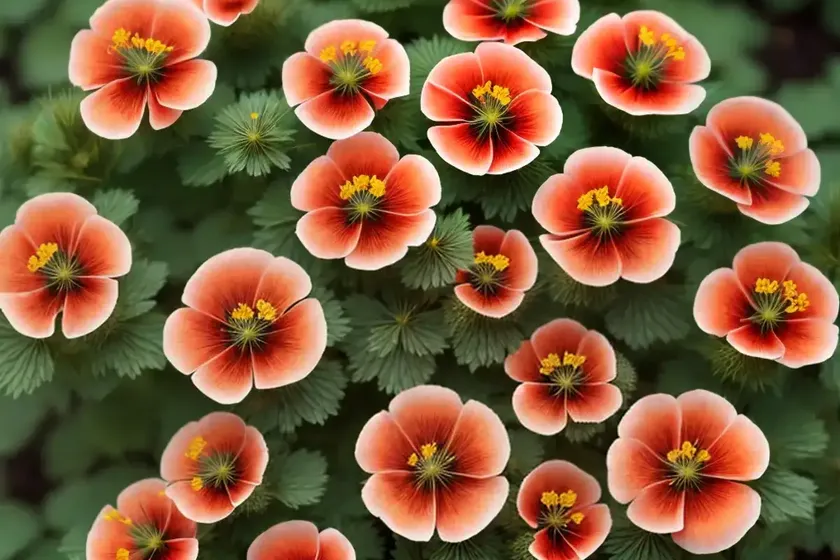
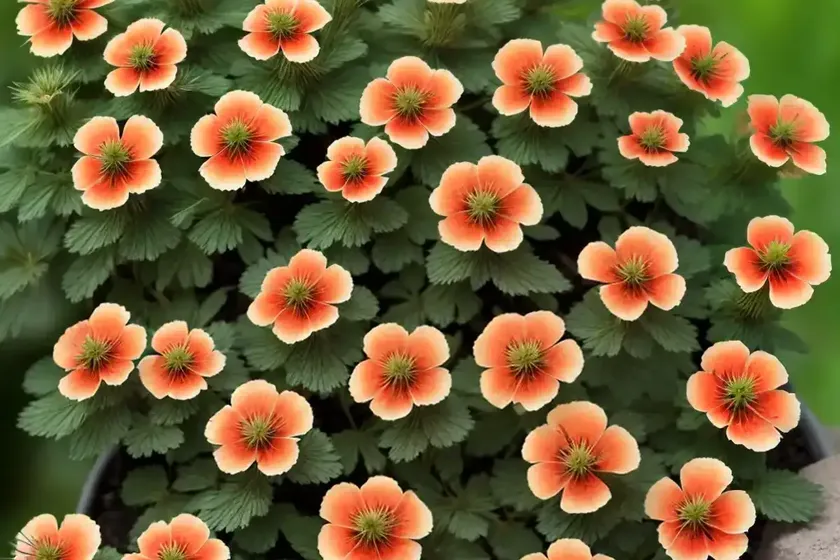
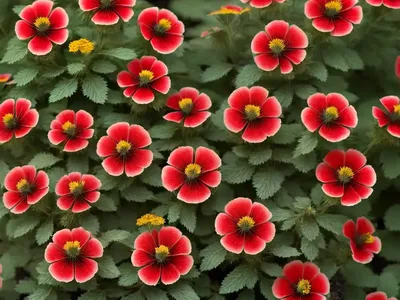
Spreading Cinquefoil, scientifically known as Potentilla supina, is a low-growing perennial plant that belongs to the Rosaceae family. It is native to parts of Europe and Asia and is recognized for its unique creeping nature and delicate yellow flowers. The plant typically forms a spreading mat of foliage and is often used as ground cover in gardens and landscapes.
Key Takeaways – Spreading Cinquefoil (Potentilla supina)
-
Perennial Plant: Potentilla supina is a perennial plant, which means it lives for more than two years, often much longer, and keeps growing.
-
Creeping Nature: Known for its creeping growth habit, Spreading Cinquefoil is favored as a ground cover plant to fill in bare areas and provide erosion control on slopes.
-
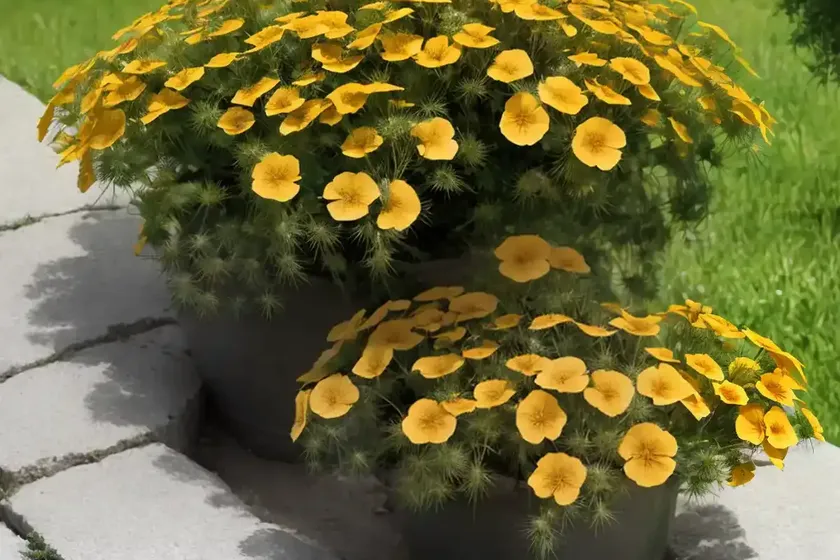
Yellow Flowers: The plant produces attractive bright yellow flowers that add a vibrant touch to gardens and landscapes.
-
Low Maintenance: Potentilla supina is relatively low-maintenance, making it a popular choice for gardeners seeking plants that require minimal care.
-
Wildlife Attraction: Apart from its aesthetic appeal, Spreading Cinquefoil is known to attract wildlife, including pollinators like butterflies and bees.
Now that we have an overview of what Spreading Cinquefoil is, let’s delve deeper into its cultural uses, habitat, and care requirements.
Cultural Uses
Spreading Cinquefoil, or Potentilla supina, has been utilized for various purposes, ranging from traditional medicinal uses to landscape design. Understanding its cultural significance provides valuable insights into the diverse roles this plant plays.
Medicinal Uses
Traditionally, various parts of Potentilla supina have been used in herbal medicine for their potential health benefits. It has been employed to address ailments such as diarrhea, sore throat, and skin irritations. While modern research on its medicinal properties is limited, the historical uses of Spreading Cinquefoil highlight its significance beyond its ornamental value.
Landscape Design
In modern landscapes and garden designs, Spreading Cinquefoil is often employed as a ground cover plant. Its ability to form dense, low mats of foliage makes it well suited for filling in spaces between larger plants or covering large areas with minimal maintenance. Additionally, its tolerance for a variety of soil types and its attractive yellow flowers contribute to its popularity in landscape designs, particularly in regions with temperate climates.
Plant Care
Ensuring the successful growth and development of Potentilla supina requires attention to specific care aspects. From water and sunlight requirements to soil conditions and pest management, providing adequate care is essential.
Water
- Watering Needs: Spreading Cinquefoil generally prefers well-draining soils and is relatively drought-tolerant once established. However, regular watering is essential, especially during the plant’s establishment phase and in prolonged dry spells.
- Irrigation: For container-grown Spreading Cinquefoil, regular watering is crucial, ensuring that the soil is consistently moist but not waterlogged.
Sunlight
- Sun Exposure: Potentilla supina thrives in full sun to partial shade. Ensuring that it receives ample sunlight is essential for robust growth and prolific flowering.
Fertilizer
- Fertilization: While Spreading Cinquefoil is not particularly demanding when it comes to fertilization, applying a balanced, slow-release fertilizer in spring can support healthy growth and flowering.
Soil
- Soil Type: It thrives in well-draining, fertile soils, and tolerates a wide range of soil pH levels.
- Soil Amendments: Incorporating organic matter into the soil before planting can enhance its fertility, moisture retention, and overall health.
Pruning
- Maintenance: Spreading Cinquefoil typically benefits from light pruning to remove dead or damaged foliage and promote a more compact growth habit. Regular deadheading of spent flowers can also prolong the blooming period.
Propagation
Propagating Potentilla supina allows gardeners to expand their plantings and introduce this versatile species to new areas of their garden. Several methods can be employed for successful propagation.
Division
- Method: Dividing mature clumps of Spreading Cinquefoil is a reliable method for propagation. It involves carefully separating the plant into smaller sections with adequate root systems to establish new plantings.
- Timing: Early spring, before new growth emerges, is an ideal time for division.
Seeds
- Collection: Potentilla supina produces seeds after flowering. Collecting and sowing these seeds in a prepared seedbed can yield new plants.
Container Popularity
The versatility and low maintenance requirements of Potentilla supina make it well-suited for container gardening, adding a touch of natural beauty to patios, decks, and balconies.
Container Size and Type
- Requirements: Selecting a well-draining container of sufficient size for the plant’s growth is essential. Terracotta or plastic pots with drainage holes are commonly used for growing Spreading Cinquefoil in containers.
Soil
- Potting Mix: Employ a high-quality potting mix that offers adequate drainage and moisture retention to support healthy growth in containers.
- Fertilization: Regularly feeding container-grown Spreading Cinquefoil with a balanced liquid fertilizer can promote optimal growth and flowering.
Common Diseases
While Spreading Cinquefoil is generally resilient, it can be susceptible to certain diseases that warrant attention and prompt intervention for effective management.
Disease Diagnosis
- Powdery Mildew: A common fungal disease that manifests as powdery white patches on the leaves, often caused by high humidity and poor air circulation.
- Root Rot: Overly wet soils can lead to root rot, potentially causing the plant to wilt and exhibit stunted growth.
Disease Management
- Cultural Practices: Maintaining good air circulation, avoiding overhead watering, and ensuring proper spacing between plants can help prevent diseases like powdery mildew.
- Fungicidal Treatment: In severe cases of powdery mildew, applying a suitable fungicide can control the spread of the disease and protect the plant.
Common Pests
While generally resilient to pests, Spreading Cinquefoil can occasionally attract unwanted visitors that require adequate pest management strategies.
Pest Identification
- Aphids: These small insects can congregate on the undersides of leaves, causing damage through sap extraction and the transmission of viral diseases.
- Spider Mites: Spider mites are tiny arachnids that feed on plant sap, leading to stippled or bronzed foliage.
Pest Control
- Natural Predators: Attracting beneficial insects such as ladybugs and lacewings can help control aphid populations.
- Horticultural Oils: Applying horticultural oils can effectively manage spider mite infestations by suffocating the pests and their eggs.
Botanist’s Tips
Understanding the natural habits and characteristics of Potentilla supina can guide gardeners in optimizing its growth and integrating it effectively into diverse landscapes.
Soil Preferences
- Adaptability: While it prefers well-draining soils, Spreading Cinquefoil exhibits good adaptability to a range of soil types, making it suitable for a variety of settings.
- Soil pH: It tolerates a broad pH range, from slightly acidic to slightly alkaline, contributing to its versatility in different soil conditions.
Sun Exposure
- Optimal Conditions: Providing full sun to partial shade allows Spreading Cinquefoil to thrive and produce abundant, vibrant flowers.
Wildlife Attraction
- Ecological Role: The flowers of Potentilla supina attract pollinators, adding ecological value to the garden and supporting local biodiversity.
Drought Tolerance
- Resilience: Once established, Spreading Cinquefoil exhibits notable tolerance to dry conditions, making it a valuable addition to water-wise landscapes.
Fun Facts
Uncovering the unique and intriguing aspects of Spreading Cinquefoil can deepen one’s appreciation for this captivating plant.
- Botanical Name: The genus name “Potentilla” derives from the Latin word “potens,” meaning powerful, referencing the historical medicinal uses of some species within the genus.
- Ground Cover: Spreading Cinquefoil is known for its ability to form dense mats of foliage, effectively covering bare ground and contributing to erosion control in landscapes.
Links to External Resources
- Royal Horticultural Society – Potentilla supina
- Missouri Botanical Garden – Potentilla supina
- University of Florida IFAS Extension – Potentilla supina
- North Carolina State University Extension – Potentilla supina
In conclusion, Spreading Cinquefoil (Potentilla supina) is a valuable addition to any garden or landscape, offering ornamental appeal, ecological benefits, and adaptability to various growing conditions. From its aesthetic contributions to its ecological significance, the diverse uses and unique characteristics of this plant make it a compelling choice for both novice and experienced gardeners. By understanding its cultivation, care, and ecological roles, one can discover the remarkable potential of this delightful perennial. Whether used as ground cover, a container plant, or a component of wildlife-friendly gardens, Potentilla supina brings both beauty and resilience to outdoor spaces, enriching the natural environment and captivating enthusiasts with its charm.
The keywords highlighted in the content:
1. Potentilla supina cultivation
2. Spreading Cinquefoil plant care
3. How to grow Potentilla supina
4. Potentilla supina propagation
5. Spreading Cinquefoil perennial
6. Potentilla supina characteristics
7. Best conditions for Potentilla supina
8. Spreading Cinquefoil landscape uses
9. Potentilla supina varieties
10. Growing Potentilla supina from seeds
11. Spreading Cinquefoil ground cover
12. Potentilla supina maintenance
13. Spreading Cinquefoil medicinal uses
14. Potentilla supina flowering season
15. Spreading Cinquefoil plant family
16. Potentilla supina companion plants
17. Spreading Cinquefoil wildlife attracting
18. Potentilla supina leaf shape
19. Spreading Cinquefoil hardiness zone
20. Potentilla supina habitat
21. Spreading Cinquefoil plant classification
22. Potentilla supina soil requirements
23. Spreading Cinquefoil garden design
24. Potentilla supina sun exposure
25. Spreading Cinquefoil disease resistance
26. Potentilla supina native range
27. Spreading Cinquefoil water requirements
28. Potentilla supina landscape uses
29. Spreading Cinquefoil plant family
30. Potentilla supina ground cover uses
31. Spreading Cinquefoil leaf color
32. Potentilla supina bloom color
33. Spreading Cinquefoil height and spread
34. Potentilla supina pruning tips
35. Spreading Cinquefoil drought tolerance
36. Potentilla supina winter care
37. Spreading Cinquefoil planting tips
38. Potentilla supina container gardening
39. Spreading Cinquefoil garden border uses
40. Potentilla supina wildlife habitat
41. Spreading Cinquefoil pollinator-friendly
42. Potentilla supina seasonal interest
43. Spreading Cinquefoil native plant
44. Potentilla supina landscape design ideas
45. Spreading Cinquefoil groundcover alternatives
46. Potentilla supina soil pH preference
47. Spreading Cinquefoil naturalizing
48. Potentilla supina benefits for the ecosystem
49. Spreading Cinquefoil low-maintenance plant
50. Potentilla supina drought-tolerant landscaping
References:
– Royal Horticultural Society. “Potentilla Supina.” Royal Horticultural Society, www.rhs.org.uk/Plants/18801/i-Potentilla-supina-i/Details.
– Missouri Botanical Garden. “Potentilla Supina.” Missouri Botanical Garden, www.missouribotanicalgarden.org/PlantFinder/PlantFinderDetails.aspx?taxonid=249593&isprofile=1&.
– University of Florida IFAS Extension. “Potentilla Supina.” University of Florida IFAS Extension, gardeningsolutions.ifas.ufl.edu/plants/ornamentals/potentilla.html.
– North Carolina State University Extension. “Potentilla Supina.” North Carolina State University Extension, plants.ces.ncsu.edu/plants/potentilla-supina/.