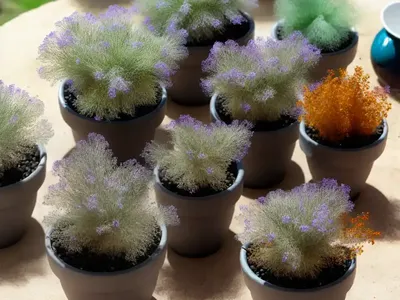
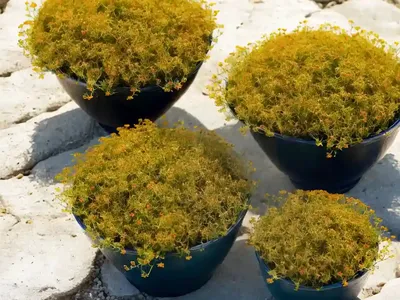
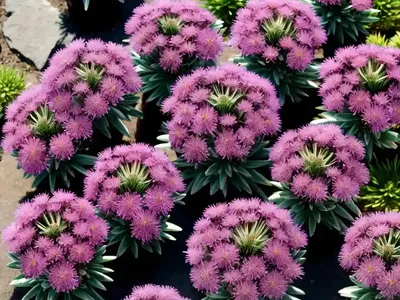
Split Rock Plant (Pleiospilos Nelii)
Plants are fascinating organisms that come in a multitude of shapes, sizes, and varieties. Among the diverse array of flora, the Split Rock plant.
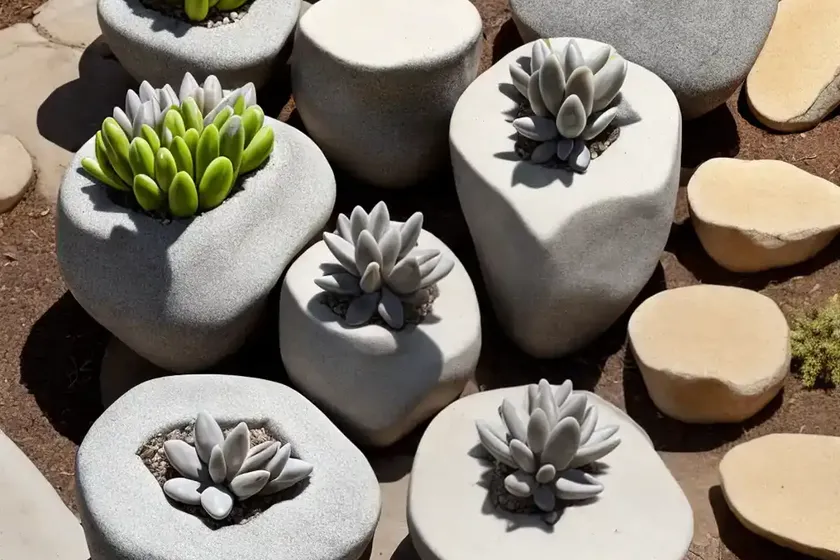
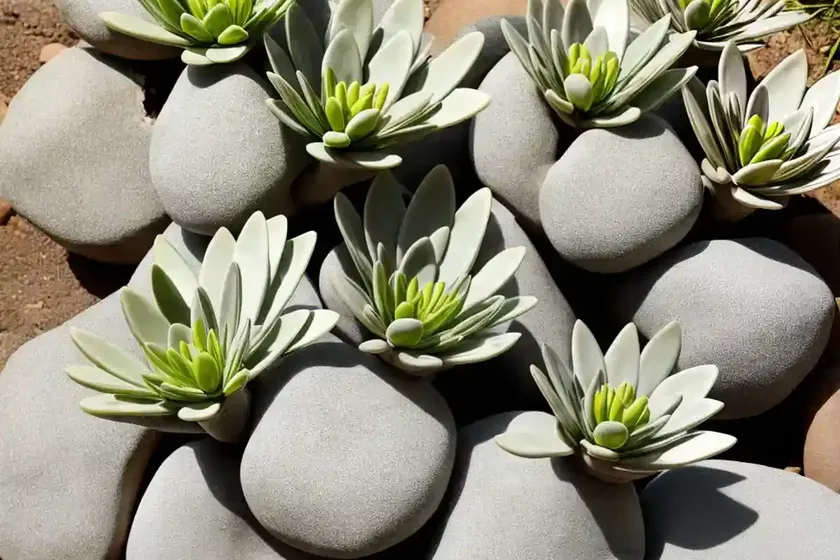
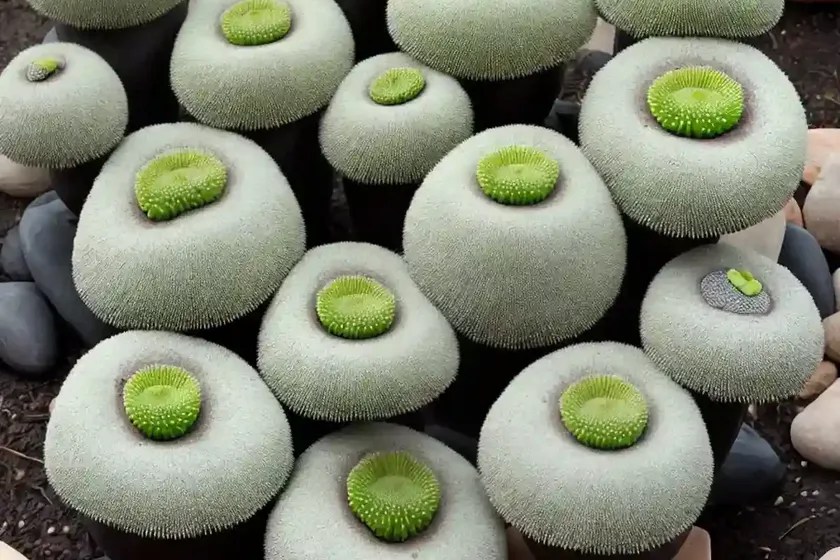
Plants are fascinating organisms that come in a multitude of shapes, sizes, and varieties. Among the diverse array of flora, the Split Rock plant, scientifically known as Pleiospilos nelii, is a unique and intriguing specimen. This succulent plant is native to South Africa and belongs to the Aizoaceae family. Its distinctive appearance and low-maintenance nature make it a popular choice for plant enthusiasts and collectors worldwide.
In this in-depth guide, we will delve into the various aspects of caring for the Split Rock plant, covering its cultural requirements, uses, watering needs, sunlight preferences, soil considerations, maintenance practices, propagation methods, common diseases, and much more. Whether you’re a seasoned plant aficionado or a novice in the realm of gardening, this comprehensive care guide will equip you with the knowledge and insights needed to nurture and appreciate the singular beauty of the Pleiospilos nelii.
What is a Plant?
Plants are living organisms belonging to the kingdom Plantae. They are characterized by their ability to produce their own food through the process of photosynthesis, utilizing sunlight, water, and carbon dioxide to synthesize organic compounds. Plants play a crucial role in the Earth’s ecosystem, serving as primary producers and forming the foundation of food chains. In addition to their ecological significance, plants also contribute to the aesthetic appeal of natural landscapes and enrich indoor and outdoor environments with their striking diversity.
Split Rock Plant (Pleiospilos nelii)
The Split Rock plant, scientifically referred to as Pleiospilos nelii, is a captivating succulent native to the arid regions of South Africa. It is renowned for its distinctive appearance, which closely resembles the top half of a geode or a split rock, thus earning its common name. This succulent perennial is a member of the Aizoaceae family, which includes an array of fascinating and resilient plant species.
Key Takeaways – Split Rock Plant (Pleiospilos nelii)
Before delving into the specific care requirements of the Split Rock plant, let’s outline some key takeaways that encapsulate the essential aspects of nurturing and appreciating this remarkable succulent:
-
Cultural Requirements: The Split Rock plant thrives in arid conditions and requires well-draining soil, minimal water, ample sunlight, and protection from excessive moisture.
-
Uses: This unique succulent is prized for its ornamental value and is commonly cultivated as a decorative houseplant or displayed in rock gardens and arid landscapes.
-
Watering: Due to its natural habitat in arid regions, the Split Rock plant has minimal water requirements and is susceptible to rot if overwatered. Careful watering practices are essential for its health and longevity.
-
Sunlight: Pleiospilos nelii prefers bright, direct sunlight and should be placed in a location that receives several hours of sunlight each day to promote healthy growth and vibrant coloration.
-
Soil: Well-draining soil with a sandy or gravelly texture is ideal for the Split Rock plant, ensuring that excess moisture is swiftly eliminated to prevent root rot.
-
Propagation: Methods for propagating the Split Rock plant include seed germination and division of established clumps, offering opportunities to expand your plant collection or share its beauty with others.
-
Container Popularity: The compact size and striking appearance of the Split Rock plant make it a sought-after choice for container gardening, contributing a touch of natural charm to indoor and outdoor spaces.
-
Common Diseases: While generally resilient, the Split Rock plant can be susceptible to fungal diseases when overwatered or exposed to prolonged dampness.
-
Common Pests: Mealybugs and aphids are potential pests that may affect the Split Rock plant, necessitating vigilant monitoring and appropriate pest management strategies.
With these key takeaways in mind, let’s embark on a comprehensive exploration of the various aspects of Split Rock plant care, encompassing its unique requirements, propagation methods, maintenance practices, and more.
Split Rock Plant Care
Cultivating and caring for the Split Rock plant entails attentiveness to its specific cultural needs and environmental preferences. By understanding the distinct requirements of Pleiospilos nelii, you can create an optimal growing environment that promotes the health, vitality, and visual appeal of this captivating succulent.
Water
Water is a critical factor in the care of the Split Rock plant, and it is essential to ensure that the watering practices align with its natural habitat in arid regions. Adequate drainage is paramount, as excessive moisture can lead to root rot and other complications. Here are some key considerations regarding watering the Split Rock plant:
Water Requirements
- The Split Rock plant has minimal water requirements and is adapted to arid conditions, characterized by infrequent rainfall and well-draining soil.
- Water sparingly, allowing the soil to dry out completely between waterings. During the active growing season, typically in spring and autumn, occasional deep waterings can support the plant’s growth and hydration needs.
- During the plant’s dormant period, usually in summer and winter, it is advisable to refrain from watering to prevent moisture-related issues.
Watering Practices
- Use a targeted and cautious approach when watering the Split Rock plant, directing the water toward the base of the plant to avoid wetting the leaves, which can make the plant more susceptible to rot.
- Preferably, water the plant in the morning to allow any excess moisture to evaporate during the day, reducing the risk of fungal diseases in the humid microclimate around the plant.
Sunlight
Sunlight is a vital energy source for the Split Rock plant, supporting its growth, coloration, and overall vitality. Understanding the sunlight requirements of Pleiospilos nelii is essential for creating an optimal environment that promotes its well-being.
Sunlight Requirements
- Pleiospilos nelii thrives in bright, direct sunlight and should be situated in a location that receives several hours of direct sunlight each day.
- A southern or western exposure is usually ideal, providing the plant with the intense sunlight it craves. Inadequate sunlight may result in etiolation, characterized by elongated, pale growth to reach for light.
- During the hot summer months, some protection from the intense midday sun may be beneficial to prevent sunburn on the plant’s leaves.
Indoor Sunlight
- When grown indoors, ensure that the Split Rock plant is placed near a sunny window that receives ample sunlight throughout the day.
- If natural light is limited, supplemental grow lights can be used to provide the plant with the necessary light intensity for optimal growth.
Fertilizer
Proper fertilization can support the growth and vigor of the Split Rock plant, providing essential nutrients that may be scarce in its natural habitat. Considerations regarding fertilizer application for Pleiospilos nelii include:
Fertilizer Type
- Use a balanced, diluted fertilizer specifically formulated for succulents and cacti. A fertilizer with a lower nitrogen content is preferable, as excessive nitrogen can promote rapid, elongated growth at the expense of the plant’s compact, natural form.
Fertilization Frequency
- During the plant’s active growing season in spring and autumn, apply a diluted succulent fertilizer every 4-6 weeks to support healthy growth and overall well-being.
- Refrain from fertilizing during the plant’s dormant period in summer and winter when its metabolic processes slow down, and it has reduced nutrient requirements.
Application Method
- Apply the diluted fertilizer to the soil around the base of the plant, ensuring that it does not come into contact with the plant’s leaves to avoid potential leaf burn.
Soil
The choice of soil is a crucial factor in the successful cultivation of the Split Rock plant, as it directly influences the plant’s water retention, root health, and overall growth. Optimal soil conditions for Pleiospilos nelii encompass the following considerations:
Soil Composition
- Well-draining soil with a sandy or gravelly texture is essential for the Split Rock plant, mimicking the arid, rocky environments of its natural habitat. A cactus or succulent potting mix is well-suited for this purpose, providing the necessary aeration and drainage.
Container Size and Drainage
- Plant the Split Rock in a container with adequate drainage holes to facilitate the swift elimination of excess moisture. A shallow, wide container is generally preferred, as it accommodates the plant’s shallow root system and promotes stability.
Soil pH
- Aim for a slightly acidic to neutral pH range (pH 6.5-7.0) in the soil, as this supports proper nutrient uptake and overall soil health for the Split Rock plant.
Pruning
Pruning requirements for the Split Rock plant are minimal, given its compact growth habit and slow growth rate. However, occasional maintenance and gentle pruning can help enhance the plant’s appearance and remove any damaged or desiccated foliage. Pruning considerations include:
- Removal of spent or withered flower remnants to maintain the plant’s visual appeal.
- Trimming of any damaged, discolored, or desiccated leaves to maintain the plant’s overall vitality and aesthetics.
- Avoid excessive pruning, as the Split Rock plant naturally maintains a compact, low-growing form that contributes to its charm.
Propagation
Propagation offers the opportunity to expand your collection of Split Rock plants or share the beauty of Pleiospilos nelii with fellow plant enthusiasts. The following propagation methods can be employed to propagate the Split Rock plant:
Seed Germination
- Propagate the Split Rock plant from seeds, ensuring that the seeds are sown in a well-draining succulent potting mix and kept lightly moist until germination occurs. Maintain warm temperatures and provide ample sunlight for successful seed germination.
Division
- Propagate established Split Rock plants by dividing clumps, carefully separating offsets or individual plant clusters and replanting them in suitable containers with well-draining soil.
Common Diseases
While the Split Rock plant is generally resilient and low-maintenance, it can be susceptible to certain diseases, particularly when its cultural requirements are not met. Understanding common diseases and their associated symptoms can aid in timely intervention and effective management.
Disease Diagnosis
-
Fungal Diseases: Excessive moisture and poor air circulation can predispose the Split Rock plant to fungal diseases, including root rot and leaf spot. Symptoms include soft, discolored, or water-soaked areas on the plant, often accompanied by a foul odor in the case of root rot.
-
Pest Damage: Mealybugs and aphids are potential pests that may affect the Split Rock plant, feeding on the plant’s sap and causing stunted growth, wilting, and the presence of sticky honeydew residue on the plant.
Botanist’s Tips
To further enhance the success of caring for the Split Rock plant and appreciate its unique features, consider the following expert tips from botanists and seasoned plant enthusiasts:
-
Temperature Considerations: Be mindful of temperature fluctuations and avoid exposing the Split Rock plant to extreme cold or heat, as it is adapted to moderate, arid climates.
-
Aeration and Air Circulation: Ensure proper air circulation around the plant to mitigate the risk of fungal diseases, particularly in humid environments or during periods of increased moisture.
-
Protecting from Excess Moisture: Implement preventative measures to shield the Split Rock plant from excessive moisture, including positioning it in a well-ventilated area and carefully monitoring watering practices.
Fun Facts
The Split Rock plant harbors several fascinating and engaging attributes that contribute to its allure and distinctiveness as a succulent specimen. Uncover some intriguing fun facts about Pleiospilos nelii:
- The plant’s unique appearance, resembling a split geode or rock, has led to its common name, the Split Rock plant.
- During the flowering period, which typically occurs in autumn, the Split Rock plant produces stunning daisy-like flowers with vibrant hues, adding a striking contrast to its robust, succulent leaves.
- Pleiospilos nelii has evolved to survive in arid environments by storing water in its specialized leaf pairs, allowing it to endure extended periods of drought.
Links to External Resources
For further insights, detailed information, and additional resources on the care and cultivation of the Split Rock plant, consider exploring the following reputable sources:
-
The Royal Horticultural Society (RHS): The RHS offers comprehensive guidance on growing and caring for a wide range of plants, including detailed profiles and cultivation advice for succulents and desert plants.
-
Succulent Plant Care: This resource provides extensive information on succulent care, propagation techniques, and addressing common issues encountered when cultivating succulents, serving as a valuable reference for plant enthusiasts.
-
World of Succulents: Discover an extensive collection of succulent species and gain insights into their unique characteristics, cultivation tips, and visual inspiration for incorporating succulents into diverse settings.
Conclusion
The Split Rock plant, or Pleiospilos nelii, embodies a distinctive and visually captivating succulent species that thrives in arid environments and captivates plant enthusiasts with its unique appearance and resilient nature. By gaining a comprehensive understanding of its cultural requirements, watering, sunlight preferences, soil considerations, propagation methods, and common diseases, you can cultivate and appreciate the singular beauty of the Split Rock plant with confidence and success.
With its remarkable ability to thrive in arid conditions, its striking visual appeal reminiscent of split rocks, and its low-maintenance nature, the Split Rock plant offers an exceptional addition to indoor and outdoor plant collections, rock gardens, and arid landscapes. By implementing the insights and recommendations presented in this comprehensive care guide, you can embark on a rewarding journey of nurturing and enjoying the splendor of Pleiospilos nelii, uncovering its unique charms and resilience in diverse horticultural settings.
As you embark on your journey of caring for and appreciating the distinctive qualities of the Split Rock plant, may your endeavors be enriched by the visual allure, resilience, and intrinsic beauty of Pleiospilos nelii.
Thank you for reading!