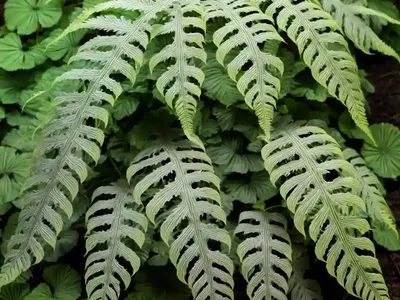
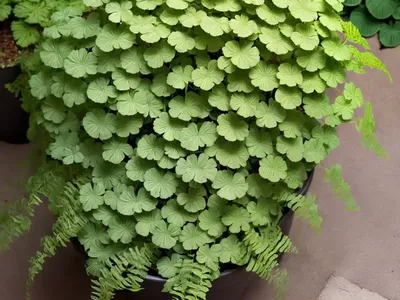
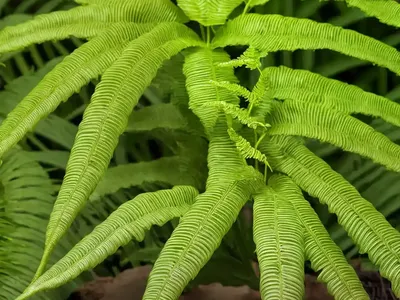
Soft Shield Fern (Polystichum Setiferum (Plumosomultilobum Group)
Ferns have fascinated botanists and nature enthusiasts for centuries. Among these, the soft shield fern (Polystichum setiferum – Plumosomultilobum Group).
Introduction
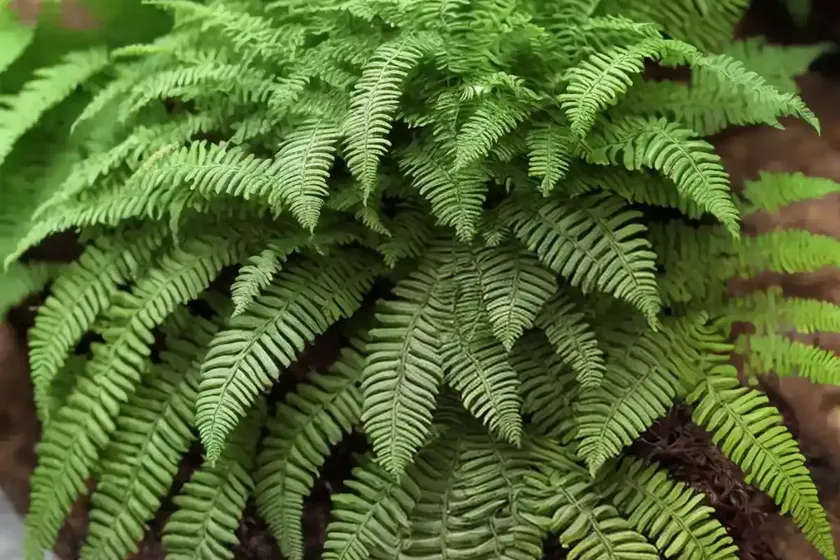
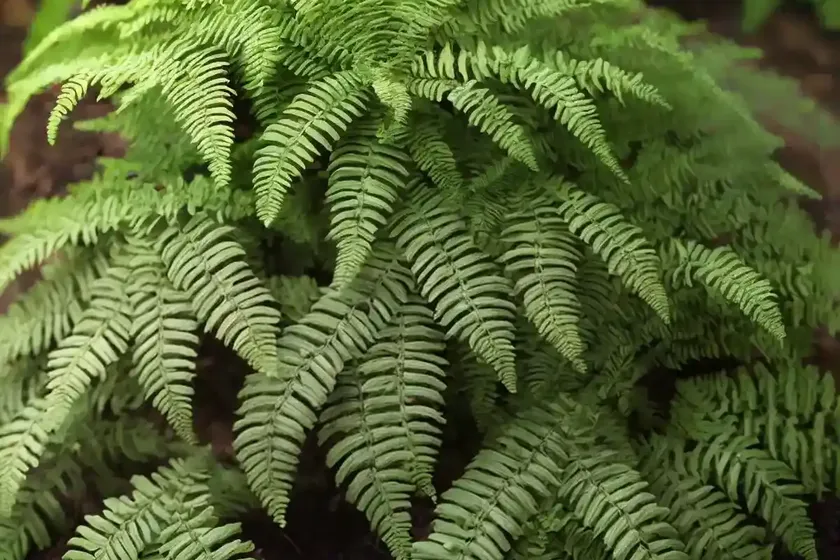
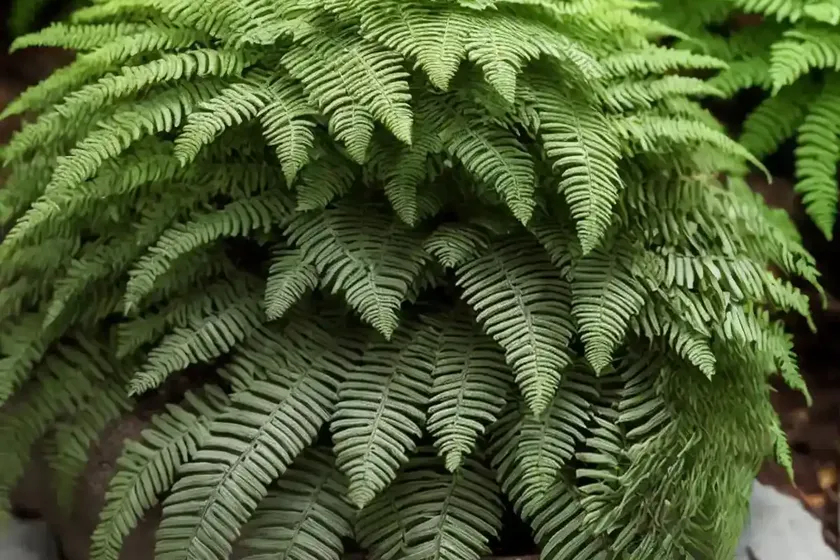
Ferns have fascinated botanists and nature enthusiasts for centuries. Among these, the soft shield fern (Polystichum setiferum – Plumosomultilobum Group) stands out as a popular and visually striking species. In this comprehensive guide, we’ll delve into the various facets of its care and cultivation, exploring its cultural requirements, uses, popularity, diseases, and much more. Whether you’re an avid gardener looking to diversify your plant collection or a beginner keen on exploring ferns, this guide will equip you with the knowledge needed to grow and appreciate the soft shield fern.
What is Plant: Soft Shield Fern (Polystichum setiferum – Plumosomultilobum Group)?
The soft shield fern, scientifically known as Polystichum setiferum and belonging to the Plumosomultilobum Group, is a perennial evergreen fern. Characterized by its delicate, lacy fronds and a penchant for shaded, moist environments, this fern species is native to various regions across Europe. Its graceful appearance and adaptability have earned it a cherished spot in gardens, woodland areas, and even indoor spaces.
Key Takeaways
Before we dive deeper into the intricacies of caring for the soft shield fern, let’s outline some key takeaways:
- Soft Shield Fern (Polystichum setiferum – Plumosomultilobum Group)
- Family: Dryopteridaceae
- Native habitat: Europe
- Preferred habitat: Shaded, moist environments
- Growth habit: Evergreen perennial
- Notable features: Delicate, lacy fronds
- Use: Ornamental plant for gardens and indoor spaces
Now that we have a basic understanding of the soft shield fern, let’s explore its care requirements, cultural uses, and more.
Culture
Uses
The soft shield fern is primarily cultivated for its ornamental value. Its delicate fronds and graceful appearance make it an exquisite addition to woodland gardens, shaded borders, or even as an indoor potted plant. Beyond its visual appeal, this fern species also contributes to the ecological diversity of its habitat, providing cover and nesting sites for small wildlife.
Water
Maintaining appropriate moisture levels is crucial for the optimal growth of the soft shield fern. While it thrives in moist environments, it is essential to ensure good drainage to prevent waterlogging, especially in container plantings. Regular, moderate watering is recommended, allowing the soil to dry slightly between watering sessions to prevent root rot.
Sunlight
Being a shade-loving plant, the soft shield fern is ideally suited for environments with dappled or partial shade. Direct sunlight should be avoided, as it can scorch the delicate fronds. Whether in a garden setting or as an indoor plant, providing filtered light or gentle shade is essential for its thriving.
Fertilizer
Ferns, including the soft shield fern, have unique nutritional requirements. While they are not heavy feeders, a balanced, diluted fertilizer can be applied during the growing season to support healthy foliage development. Opt for a liquid fertilizer specifically formulated for ferns and apply it at half-strength every 4-6 weeks.
Soil
The soft shield fern prefers rich, well-draining soil with ample organic matter. A mix of peat, leaf mold, and a small amount of sand can create an excellent growing medium for this fern. Additionally, incorporating a layer of mulch around the base of the plant can help retain moisture and regulate soil temperature.
Pruning
Pruning requirements for the soft shield fern are minimal. Regular removal of any yellowing or damaged fronds can help maintain the plant’s aesthetic appeal. It is best to perform this task in early spring, allowing space for new growth. However, ensure not to over-prune, as healthy fronds are essential for the plant’s vitality.
Propagation
The soft shield fern can be propagated through spores or division. Spore propagation can be a more intricate process, involving the collection and sowing of spores onto a suitable growing medium. On the other hand, division is a simpler and more reliable method, typically carried out during the plant’s dormant period. Separating the plant into smaller sections, each with viable roots, can yield new, independent fern plants.
Container Popularity
Due to its adaptability to container cultivation, the soft shield fern is a popular choice for indoor and outdoor potted plantings. Its elegant appearance and low-maintenance nature make it an appealing addition to spaces with limited ground access, such as balconies, patios, or shaded areas within the home.
Container Common Diseases
Common container diseases that can affect the soft shield fern include:
- Root Rot: Occurs due to excessive moisture and poor drainage.
- Powdery Mildew: Fungal infection that manifests as a powdery white layer on the fronds.
- Rhizoctonia Aerial Blight: Characterized by brown lesions and spots on the foliage.
Disease Diagnosis
Diagnosing diseases in the soft shield fern involves careful observation of the plant’s foliage and overall health. Any discoloration, wilting, or abnormal growth patterns should be investigated promptly. Additionally, inspecting the soil and assessing environmental conditions can provide valuable insights into the potential causes of disease.
Common Pests
While the soft shield fern is relatively resistant to pests, it may occasionally encounter the following pest issues:
- Aphids: Small, sap-sucking insects that can cluster on the undersides of fronds.
- Mites: Tiny arachnids that can cause stippling and discoloration on the foliage.
- Scale Insects: Usually found on the fronds, presenting as small, waxy bumps.
Botanist’s Tips
To ensure the optimal health and longevity of the soft shield fern, consider the following tips:
- Choose a sheltered, shaded location to mimic the fern’s natural habitat.
- Avoid overwatering by allowing the soil to partially dry between watering sessions.
- Regularly inspect the foliage for signs of disease or pest infestations.
- Provide occasional misting to maintain adequate humidity for indoor specimens.
Fun Facts
- The soft shield fern belongs to the Dryopteridaceae family, which includes various fern species known for their ornamental value and adaptability.
- The delicate, lacy appearance of the soft shield fern’s fronds has earned it the common name “plumose.”
- In its native habitats, the soft shield fern is often found alongside streams, in moist woodland areas, and on shaded hillsides.
Links to External Resources
For further information on the soft shield fern and related topics, consider exploring the following resources:
- Royal Horticultural Society – Ferns
- American Fern Society
- Missouri Botanical Garden – Polystichum setiferum
- The British Pteridological Society
In conclusion, the soft shield fern (Polystichum setiferum – Plumosomultilobum Group) is a captivating fern species that offers both visual appeal and ecological value. By understanding its cultural requirements, propagation methods, and potential challenges, plant enthusiasts can cultivate and appreciate this elegant fern with confidence. Whether as a woodland garden centerpiece, a potted ornamental, or a naturalistic landscape element, the soft shield fern holds a distinct charm that continues to captivate gardeners and botanists alike.
By adhering to the care guidelines outlined in this guide and staying attuned to the plant’s needs, you can cultivate thriving, flourishing soft shield ferns that enliven and enrich their surroundings.