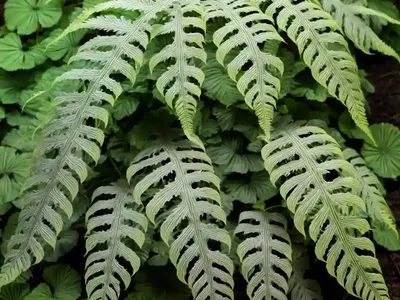
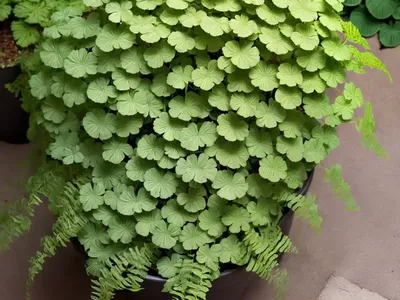
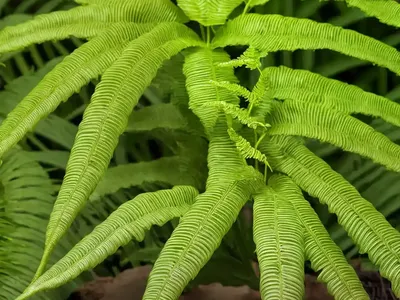
Soft Shield Fern (Polystichum Setiferum (Divisilobum Group) ‘Herrenhausen’)
Soft shield fern, scientifically known as Polystichum setiferum (Divisilobum Group) ‘Herrenhausen’, is a stunning evergreen fern that belongs to the family.
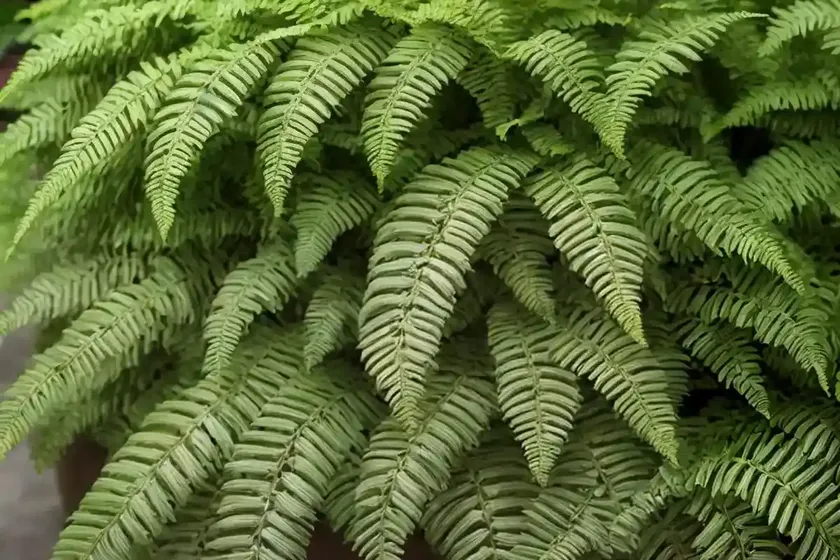
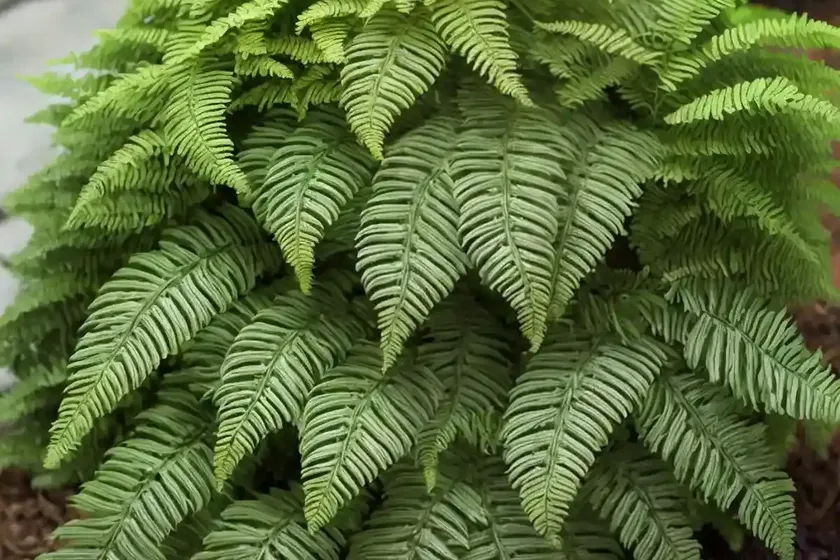
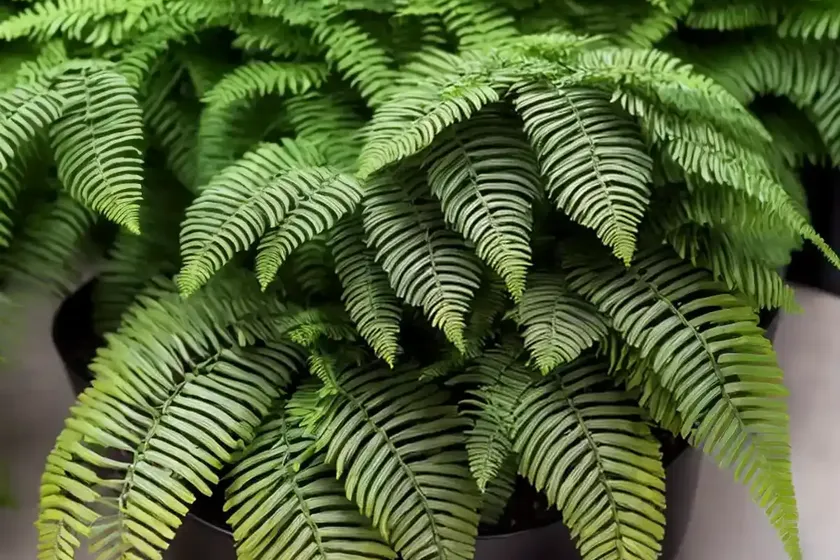
Soft shield fern, scientifically known as Polystichum setiferum (Divisilobum Group) ‘Herrenhausen’, is a stunning evergreen fern that belongs to the family Dryopteridaceae. This elegant fern species is cherished by gardeners and landscaping enthusiasts for its exceptional ornamental qualities and adaptability to various environmental conditions. The ‘Herrenhausen’ variety, in particular, is celebrated for its graceful fronds and robust growth habits, making it a popular choice for both indoor and outdoor settings.
In this comprehensive guide, we will explore the fascinating world of the soft shield fern, delving into its cultural requirements, uses in landscaping, care guidelines, and much more. From understanding its water and sunlight needs to mastering the art of propagation and maintenance, this article will equip you with the knowledge to foster healthy and thriving soft shield ferns in your own garden or indoor space.
What is Plant: Soft Shield Fern (Polystichum setiferum (Divisilobum Group) ‘Herrenhausen’)?
Before we dive deeper into the nuances of caring for soft shield ferns, let’s take a moment to unravel the botanical and horticultural essence of this captivating fern species. The Polystichum setiferum (Divisilobum Group) ‘Herrenhausen’ is a cultivar of the soft shield fern, renowned for its lustrous green fronds and its adaptability to different environments. As a member of the Divisilobum Group within the Polystichum setiferum species, ‘Herrenhausen’ exhibits distinct characteristics that set it apart from other varieties within the same species.
In the following sections, we will explore various aspects of caring for soft shield ferns, including their cultural requirements, uses in landscaping, water and sunlight preferences, fertilizer needs, soil considerations, propagation methods, and common pests and diseases. Additionally, we will delve into the fascinating world of ferns, shedding light on their unique features, maintenance techniques, and their incredible role in enriching garden landscapes.
Key Takeaways – Soft Shield Fern (Polystichum setiferum (Divisilobum Group) ‘Herrenhausen’)
Culture
- Soft shield ferns thrive in moist, well-draining soil, preferably with a slightly acidic to neutral pH.
- They are adaptable to various light conditions, including shade to partial shade, making them versatile choices for landscaping and indoor settings.
- With regular watering and proper air circulation, soft shield ferns can flourish in diverse climates, from temperate to subtropical regions.
Uses
- Soft shield ferns are prized for their ornamental value, serving as elegant additions to shaded gardens and woodland landscapes.
- They can be planted as groundcover or used in mixed border plantings, adding lush greenery and texture to the surroundings.
- Indoor enthusiasts often incorporate soft shield ferns into their décor, harnessing their beauty and air-purifying qualities.
Water
- Consistent moisture is crucial for soft shield ferns, requiring regular watering to maintain their vigor and lush foliage.
- Overwatering should be avoided, as it may lead to root rot, while prolonged drought can result in wilting and diminished growth.
Sunlight
- Although soft shield ferns prefer shaded environments, they can tolerate some morning sun or dappled light, especially in cooler climates.
- Excessive exposure to direct sunlight should be avoided, as it can scorch the fronds and compromise the plant’s health.
Fertilizer
- Moderate fertilization during the growing season can enhance the growth and vibrancy of soft shield ferns.
- A balanced, slow-release fertilizer or a diluted liquid fertilizer applied every few weeks can suffice to meet the plant’s nutritional needs.
Soil
- Humus-rich, well-draining soil with good moisture retention properties is ideal for soft shield ferns.
- Organic amendments such as compost or leaf mold can be incorporated into the soil to improve its texture and fertility, creating a favorable environment for the ferns.
Pruning
- Removal of damaged or unsightly fronds can be performed throughout the year to maintain the aesthetic appeal of soft shield ferns.
- Pruning should be carried out with care to avoid harming the central growing point of the plant, preserving its natural form and symmetry.
Propagation
- Soft shield ferns can be propagated through division, spores, or rhizome cuttings, providing opportunities to expand their presence in the garden or share with fellow enthusiasts.
- Division of mature clumps in early spring or fall and spore sowing in a controlled environment are popular propagation methods for these ferns.
Container Popularity
- Soft shield ferns are well-suited for container gardening, thriving in shaded urban balconies, patios, and indoor spaces.
- Their lush foliage and low maintenance requirements make them desirable choices for adding greenery to compact living spaces.
Common Diseases
- Soft shield ferns may be susceptible to fungal diseases such as rhizome rot, leaf spot, or rust, especially in conditions of high humidity and poor air circulation.
- Adequate spacing, proper watering practices, and good hygiene can mitigate the risk of diseases in soft shield ferns.
Disease Diagnosis
- Early detection of disease symptoms such as yellowing fronds, lesions, or stunted growth can aid in prompt diagnosis and targeted treatment to prevent the spread of diseases to healthy plants.
- Proper sanitation and preventive measures play a crucial role in maintaining the overall health of soft shield ferns.
Common Pests
- Pest infestations in soft shield ferns may include aphids, scale insects, and spider mites, which can weaken the plants and affect their vitality.
- Regular monitoring, natural predators, and appropriate control measures can help in managing pest issues effectively.
Botanist’s Tips
- Creating a microclimate with suitable humidity levels, air circulation, and filtered light can optimize the growing conditions for soft shield ferns, particularly in indoor settings.
- Observing the natural habits and growth patterns of soft shield ferns in their native habitats can provide valuable insights for their successful cultivation.
Fun Facts
- Soft shield ferns are ancient plants with a rich evolutionary history, dating back to prehistoric times, and have thrived across diverse ecosystems over millennia.
- The intricate patterns of the fronds and the gradual unfurling of fiddleheads during the spring add to the mystique and charm of soft shield ferns.
Links to External Resources
- American Fern Society
- Royal Horticultural Society – Ferns
- Missouri Botanical Garden – Polystichum Setiferum
- The Hardy Fern Foundation
- University of Florida IFAS Extension – Ferns
Conclusion
The allure of soft shield ferns lies not only in their aesthetic appeal but also in their resilience and adaptability, making them valuable additions to diverse landscapes and interior spaces. By understanding the specific cultural requirements, maintenance techniques, and propagation methods associated with these graceful ferns, enthusiasts and horticulturists alike can harness the full potential of soft shield ferns, enhancing the beauty and vitality of their surroundings.
Through a harmonious combination of thoughtful care, creative landscaping, and appreciation for the botanical wonders of Polystichum setiferum (Divisilobum Group) ‘Herrenhausen’, we can continue to celebrate and preserve the enduring charm of soft shield ferns in horticulture and beyond.