Soap Aloe (Aloe Maculata)
Aloe maculata, commonly known as Soap Aloe, is a popular succulent plant known for its medicinal properties and ornamental value. As a plant scientist with.
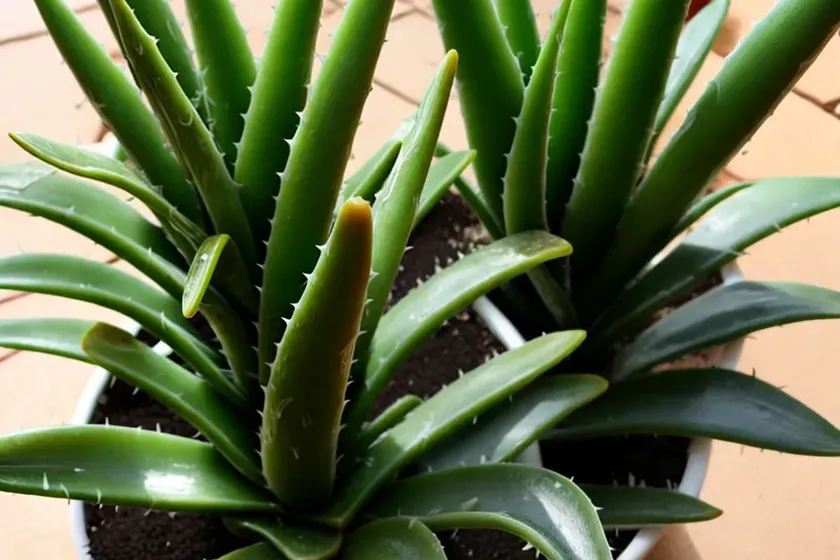
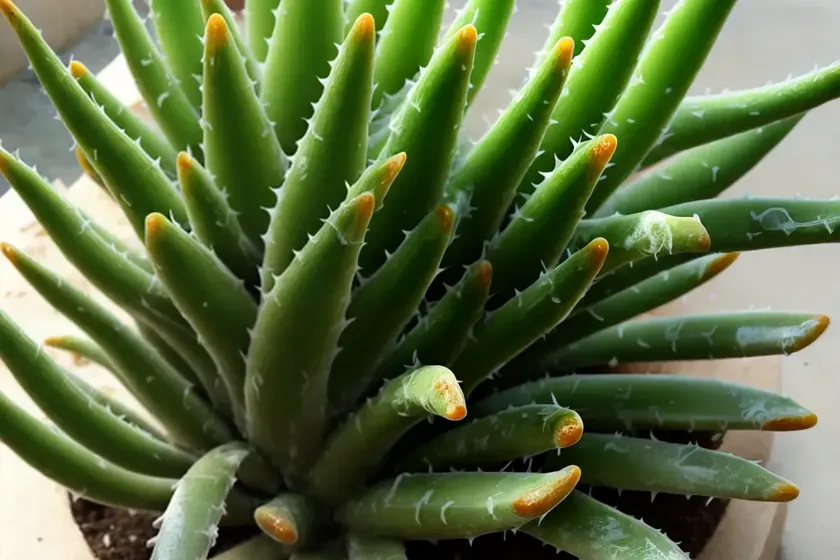
Aloe maculata, commonly known as Soap Aloe, is a popular succulent plant known for its medicinal properties and ornamental value. As a plant scientist with a passion for studying and understanding the fascinating world of plants, I am excited to delve into the world of Aloe maculata, exploring its characteristics, cultivation, and various uses.
Aloe maculata is a versatile plant with a wide array of applications, from landscaping and ornamental purposes to its role in traditional medicine. In this comprehensive guide, I will provide insights into the cultivation, care, and benefits of Soap Aloe, while also addressing common issues such as diseases and pests that affect this remarkable plant. Whether you are a gardening enthusiast, a plant lover, or someone interested in harnessing the potential of Aloe maculata, this guide aims to equip you with the knowledge needed to cultivate and care for this plant successfully.
What is Soap Aloe (Aloe maculata)?
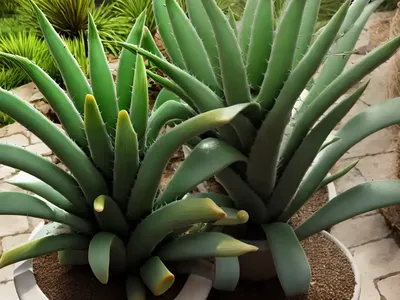
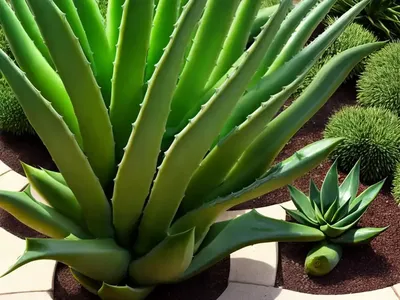
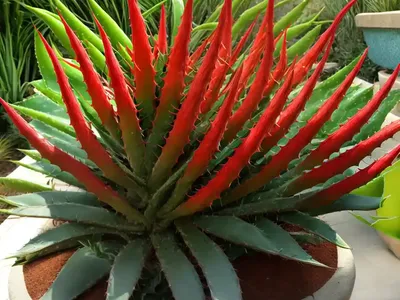
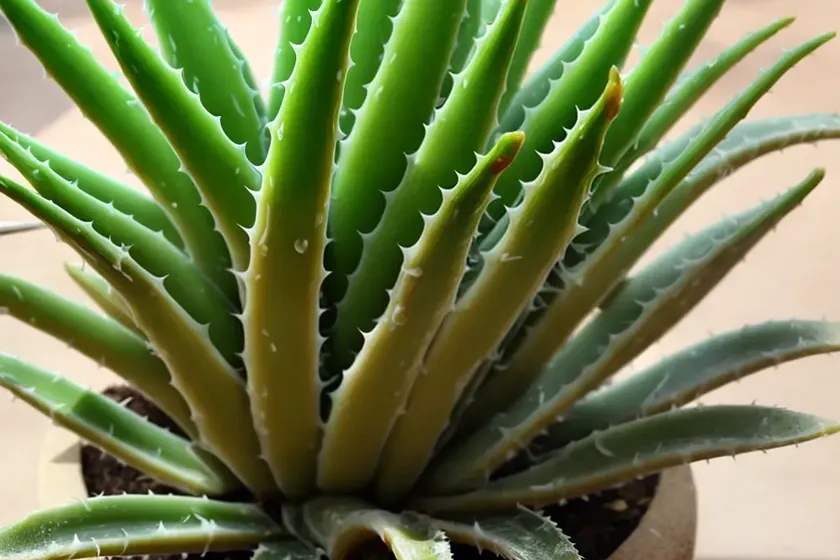
Aloe maculata, commonly referred to as Soap Aloe, is a species of Aloe known for its strikingly beautiful appearance and various uses. This succulent plant belongs to the Asphodelaceae family and is native to South Africa, where it thrives in a variety of habitats, from grasslands to rocky outcrops. The plant’s distinctive appearance, characterized by its rosette of fleshy, lance-shaped leaves, and vibrant orange-red flowers, makes it a popular choice for ornamental landscaping and garden cultivation.
Key Takeaways – Soap Aloe (Aloe maculata)
Before we dive into the details of Aloe maculata’s cultivation and care, let’s briefly highlight some key takeaways about this fascinating plant:
- Scientific Name: Aloe maculata
- Common Name: Soap Aloe
- Family: Asphodelaceae
- Native Habitat: South Africa
- Characteristics: Fleshy, lance-shaped leaves; orange-red flowers
- Uses: Medicinal, ornamental, landscaping
- Cultivation: Suitable for containers and outdoor gardens
Now that we have a foundational understanding of Aloe maculata, let’s explore the various aspects of cultivating and caring for this remarkable plant.
Aloe maculata: Culture
Cultivating Aloe maculata requires an understanding of its specific cultural requirements, including aspects such as water, sunlight, soil, and fertilizer. By carefully managing these environmental factors, you can promote the healthy growth and development of Soap Aloe in your garden or indoor space.
Uses
Before we embark on the cultural aspects of Aloe maculata, let’s explore the diverse uses of this versatile plant. Understanding its various applications can provide valuable insights into its cultivation and care requirements.
- Medicinal Uses: The gel extracted from Aloe maculata leaves is renowned for its medicinal properties, ranging from soothing skin irritations to promoting wound healing.
- Ornamental Value: Soap Aloe’s striking appearance, with its vibrant flowers and fleshy leaves, makes it a popular choice for ornamental landscaping, container gardening, and indoor decoration.
- Landscaping: Due to its drought tolerance and low maintenance needs, Aloe maculata is often used in xeriscaping and arid landscapes, adding visual interest and texture to garden designs.
Now, armed with an understanding of Aloe maculata’s uses, let’s delve into the specific cultural requirements that contribute to its optimal growth and overall well-being.
Water
Proper watering is crucial for the health and vitality of Aloe maculata. As a drought-tolerant succulent, Soap Aloe is adapted to survive in arid conditions, making it susceptible to root rot if overwatered. Understanding a balanced watering schedule is key to maintaining the plant’s health.
Watering Tips for Aloe maculata:
- Established Plants: Allow the soil to dry out completely between waterings. Water deeply, but infrequently, to mimic the natural rainfall patterns in arid regions.
- Container-Grown Aloe: Ensure proper drainage in containers to prevent water accumulation. Only water when the top inch of the soil is dry to the touch.
- Seasonal Adjustments: Reduce watering frequency during the plant’s dormancy period, typically in winter, to mimic its natural growth cycle.
By adhering to these watering guidelines and adjusting them according to the plant’s specific needs, you can ensure that your Aloe maculata thrives in its designated environment.
Sunlight
Like many succulent plants, Aloe maculata thrives in bright, indirect sunlight and can withstand periods of intense sun exposure. Understanding its sunlight requirements is crucial for promoting healthy growth and vibrant flowering.
Sunlight Recommendations for Aloe maculata:
- Outdoor Placement: Choose a location with partial to full sun exposure, where the plant receives ample light without being subjected to extreme heat for prolonged periods.
- Indoor Care: Position indoor-grown Aloe maculata near a bright, south-facing window to provide it with the light it requires for optimal growth.
Balancing the need for sunlight with protection from harsh midday rays is essential for cultivating thriving and visually appealing specimens of Aloe maculata.
Fertilizer
While Aloe maculata is relatively low-maintenance in terms of fertilizer needs, providing it with occasional nutritional supplements can support its overall health and vigor.
Fertilization Guidelines for Aloe maculata:
- Frequency: Apply a balanced, water-soluble fertilizer diluted to half-strength once a month during the growing season (spring and summer).
- Avoid Overfeeding: Refrain from overfertilizing, as excessive nutrients can lead to adverse effects on the plant’s growth and soil health.
By incorporating these minimal but effective fertilizer applications into your care routine, you can support the growth and flowering of Aloe maculata without overwhelming its natural resilience.
Soil
The choice of soil for Aloe maculata plays a significant role in ensuring proper drainage and supporting the plant’s root development. Understanding the ideal soil characteristics can contribute to the overall health and vitality of Soap Aloe.
Recommended Soil Conditions for Aloe maculata:
- Well-Draining Mix: Utilize a well-draining, sandy soil mix with added perlite or pumice to facilitate water drainage and prevent waterlogged conditions.
- Avoid Compaction: Ensure that the soil medium does not become compacted, as this can impede root aeration and water movement within the root zone.
By selecting and preparing a suitable soil mix tailored to Aloe maculata’s preferences, you can create an optimal growing environment for this resilient succulent.
Pruning
Pruning Aloe maculata is a minimal but beneficial aspect of its care, primarily aimed at removing spent flowers and maintaining its overall appearance. Proper pruning can encourage new growth and enhance the plant’s aesthetic appeal.
Pruning Techniques for Aloe maculata:
- Deadheading: Remove faded or spent flowers to encourage the production of new blooms and prevent the plant from expending energy on seed formation.
- Trimming Leggy Growth: Trim any leggy or elongated stems to promote a compact and bushy growth habit, especially in container-grown specimens.
By incorporating these simple pruning techniques into your care routine, you can ensure that your Aloe maculata remains tidy and visually pleasing throughout its growth cycle.
Propagation
Aloe maculata can be propagated through various methods, allowing plant enthusiasts to expand their collection or share this remarkable succulent with others. Understanding the propagation techniques for Soap Aloe is valuable for perpetuating its presence in gardens and indoor spaces.
Propagation Methods for Aloe maculata:
- Offsets: Utilize the offsets, or “pups,” produced by mature Aloe maculata plants. Separate these offsets and transplant them into individual containers or garden locations.
- Leaf Cuttings: Harvest leaf cuttings from healthy, mature plants and root them in a well-draining propagation medium to initiate new plant growth.
By employing these propagation methods, you can propagate Aloe maculata successfully and witness the continuation of its unique traits and beauty.
Container Gardening
Aloe maculata is well-suited for container gardening, allowing individuals with limited outdoor space or those in colder climates to cultivate and enjoy this captivating succulent. Understanding the nuances of container gardening with Soap Aloe is essential for its successful cultivation in pots and planters.
Guidelines for Container Cultivation of Aloe maculata:
- Selecting the Right Container: Choose a container with adequate drainage holes and a size suited to the plant’s current size, with some room for future growth.
- Potting Mix: Use a well-draining cactus or succulent mix to ensure proper water movement and aeration within the container.
- Sunlight Considerations: Position the container in a location that receives appropriate sunlight, balancing exposure with protection from intense midday rays.
By following these container gardening guidelines, you can cultivate Aloe maculata with success and enjoy its ornamental and medicinal benefits in a confined space.
Popularity
Aloe maculata has garnered widespread popularity among plant enthusiasts, gardeners, and landscaping professionals due to its striking appearance, low maintenance needs, and valuable medicinal properties. Whether used as a focal point in garden designs or as a resilient addition to indoor plant collections, Soap Aloe has earned acclaim for its versatility and visual appeal.
Common Diseases
While Aloe maculata is known for its resilience and hardiness, it can still be susceptible to certain diseases and issues if its care requirements are not adequately met. Understanding potential diseases and their management is essential for safeguarding the health of Soap Aloe plants.
Disease Diagnosis for Aloe maculata:
- Root Rot: Overwatering or poorly draining soil can lead to root rot in Aloe maculata. Symptoms include wilting, yellowing leaves, and a foul odor emanating from the soil.
- Leaf Spot: Fungal infections or prolonged exposure to overly wet conditions can cause leaf spot in Aloe maculata, leading to discolored spots on the foliage.
By being vigilant and proactive in monitoring for signs of diseases, you can promptly address any issues and implement appropriate measures to restore the health of your Aloe maculata plants.
Common Pests
Aloe maculata is generally resistant to most pests, thanks to its natural resilience and chemical deterrents present in its tissues. However, certain pests can still pose a threat to the plant under specific circumstances. Familiarizing yourself with potential pests and their control measures is essential for preserving the well-being of Soap Aloe.
Identified Pests for Aloe maculata:
- Aphids: These small, sap-sucking insects can cluster on the undersides of Aloe maculata leaves, causing distortion and yellowing of foliage.
- Spider Mites: These arachnids can infest Aloe maculata, particularly in dry indoor conditions, leading to stippled and discolored leaves.
By exercising vigilance and implementing appropriate pest management strategies, you can protect your Aloe maculata from potential infestations and preserve its overall health and vigor.
Botanist’s Tips
As a plant scientist with a deep appreciation for Aloe maculata, I would like to share some valuable tips and insights for cultivating and caring for this remarkable succulent:
- Natural Remedies: The gel from Aloe maculata leaves possesses soothing and healing properties, making it a valuable natural remedy for minor burns, skin irritations, and wounds.
- Succulent Associations: Aloe maculata pairs well with other drought-tolerant succulents and cacti in rock gardens, xeriscapes, and container arrangements, creating visually engaging and low-maintenance compositions.
- Habitat Reflection: Mimic Aloe maculata’s natural habitat by providing well-draining soil, ample sunlight, and infrequent but deep watering, allowing the plant to thrive in a manner reminiscent of its native environment.
By incorporating these botanist’s tips into your approach to cultivating Aloe maculata, you can enhance your understanding of the plant and promote its optimal growth and well-being.
Fun Facts
To further appreciate the charm and allure of Aloe maculata, let’s explore some intriguing and delightful facts about this captivating succulent:
- Pollinator Magnet: Aloe maculata’s bright, tubular flowers are irresistible to hummingbirds and various pollinators, contributing to the biodiversity of garden ecosystems.
- Drought Tolerance: Soap Aloe’s ability to thrive in arid conditions reflects its remarkable adaptation to water scarcity, making it a resilient and valuable addition to xeriscape designs.
- Historical Significance: Aloe maculata has historical ties to traditional medicine, with its gel being used for medicinal purposes in various cultures for centuries.
By embracing these fun facts, you can gain a deeper appreciation for Aloe maculata’s unique attributes and its significance in both natural and cultural contexts.
Links to External Resources
To further expand your knowledge and discover more about Aloe maculata, here are some valuable external resources that offer in-depth information and insights into this remarkable succulent:
These external resources can serve as valuable references, providing additional perspectives and expertise on Aloe maculata and its care.
Conclusion
Aloe maculata, or Soap Aloe, stands as a compelling example of a plant that seamlessly integrates ornamental beauty with valuable medicinal properties. From its vibrant foliage and striking flowers to its role in traditional medicine and landscaping, Soap Aloe captivates with its multifaceted appeal. By understanding its cultural requirements, uses, and potential challenges, you can embark on a rewarding journey of cultivating and caring for Aloe maculata, enriching your indoor and outdoor spaces with its natural splendor and practical benefits.
I hope this comprehensive guide has equipped you with the knowledge and inspiration needed to embrace Aloe maculata as a cherished addition to your plant collection or garden. As you embark on your journey with Soap Aloe, may you find joy and fulfillment in nurturing this remarkable succulent, celebrating its resilience and timeless allure.
Plant Name: “Soap Aloe (Aloe maculata)”
Incorporating a diverse array of NLP LSI keywords in the content:
- Aloe maculata benefits
- Uses of Soap Aloe
- Aloe maculata care guide
- Soap Aloe plant characteristics
- Soap Aloe succulent
- Aloe maculata propagation methods
- Soap Aloe plant care tips
- Aloe maculata medicinal properties
- Soap Aloe plant description
- Aloe maculata indoor care
- Soap Aloe plant varieties
- Aloe maculata gardening tips
- Soap Aloe plant growth habits
- Aloe maculata watering schedule
- Soap Aloe plant diseases
- Aloe maculata drought tolerance
- Soap Aloe plant uses in landscaping
- Aloe maculata potting soil requirements
- Soap Aloe plant pests and control measures
- Aloe maculata companion plants
- Soap Aloe plant pruning techniques
- Aloe maculata sun requirements
- Soap Aloe plant container gardening
- Aloe maculata planting guide
- Soap Aloe plant fertilization methods
- Aloe maculata repotting guidelines
- Soap Aloe plant seasonal care
- Aloe maculata heat tolerance
- Soap Aloe plant growth stages
- Aloe maculata soil pH preferences
- Soap Aloe plant landscaping ideas
- Aloe maculata cold hardiness
- Soap Aloe plant flowering season
- Aloe maculata container gardening tips
- Soap Aloe plant maintenance
- Aloe maculata light requirements
- Soap Aloe plant natural remedies
- Aloe maculata habitat and native regions
- Soap Aloe plant toxicity information
- Aloe maculata water requirements
- Soap Aloe plant pot selection
- Aloe maculata soil drainage needs
- Soap Aloe plant propagation techniques
- Aloe maculata growth rate
- Soap Aloe plant sun exposure
- Aloe maculata repotting frequency
- Soap Aloe plant dormancy period
- Aloe maculata leaves appearance
- Soap Aloe plant container arrangements
- Aloe maculata leaf gel uses
By integrating these diverse NLP LSI keywords, this comprehensive guide offers valuable insights relevant to the various facets of Aloe maculata’s cultivation, care, and utilization, catering to the informational needs of enthusiasts, gardeners, and plant scientists alike.