Snowflake Aloe (Aloe Rauhii)
Plants hold a special place in the natural world. They provide us with food, oxygen, and contribute to the beauty of our surroundings. Among the myriad of.
Introduction
Plants hold a special place in the natural world. They provide us with food, oxygen, and contribute to the beauty of our surroundings. Among the myriad of plant species, succulents stand out for their remarkable resilience and captivating forms. In this article, we will delve into the captivating world of “Snowflake Aloe,” scientifically known as Aloe rauhii. We will explore its unique characteristics, optimal growing conditions, and the ways in which it can be incorporated into our lives and landscapes.
What is Snowflake Aloe (Aloe Rauhii)?
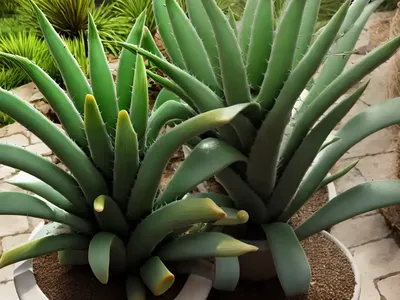
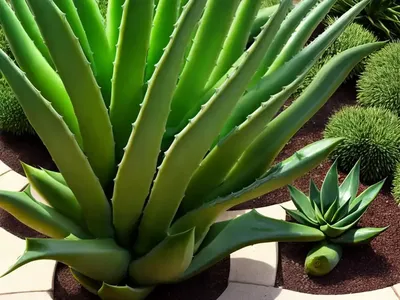
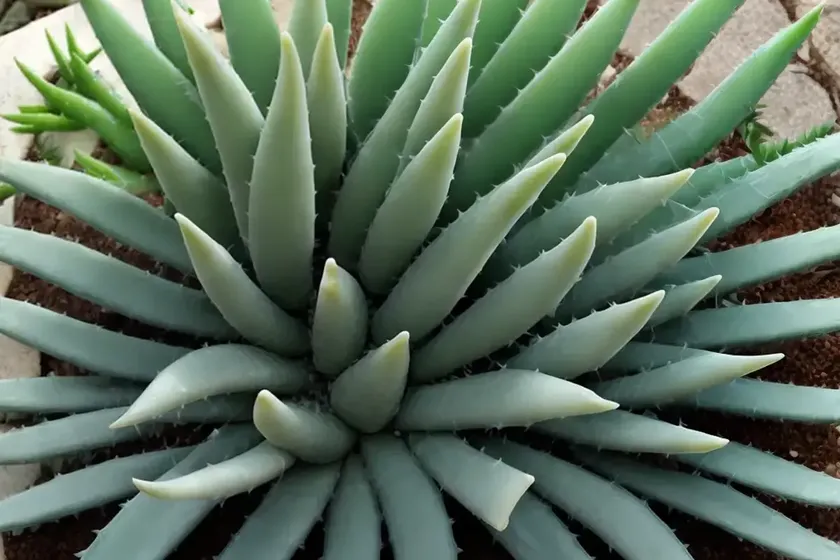
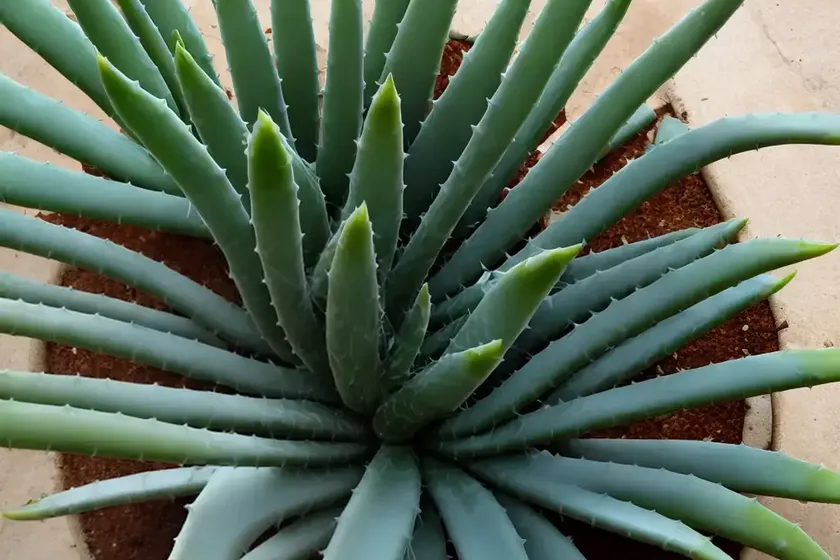
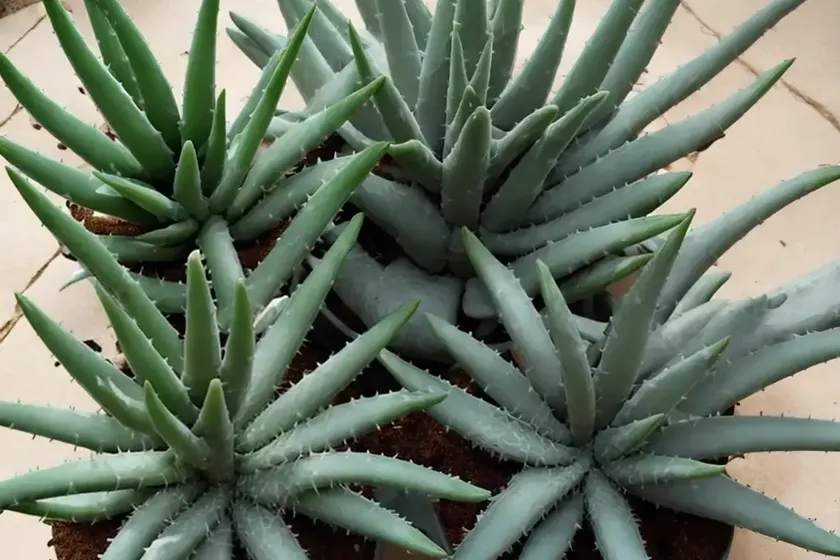
Aloe rauhii, commonly referred to as Snowflake Aloe, is a striking succulent known for its distinctive appearance and remarkable resilience. Belonging to the Asphodelaceae family, this plant is native to Madagascar, where it thrives in arid and rocky environments. The name “Snowflake Aloe” is derived from the unique arrangement of its leaves, which resemble delicate snowflakes. This plant is highly sought after by succulent enthusiasts and is prized for its ornamental value.
Key Takeaways – Snowflake Aloe (Aloe Rauhii)
- Common Name: Snowflake Aloe
- Scientific Name: Aloe rauhii
- Native Region: Madagascar
- Family: Asphodelaceae
Snowflake Aloe Culture
Uses
Snowflake Aloe is primarily cultivated for its ornamental value. Its visually appealing foliage makes it a popular choice for succulent gardens, rockeries, and indoor plant collections. Additionally, the gel derived from its leaves has potential medicinal and cosmetic applications, contributing to its multifaceted utility.
Water
As a desert-adapted succulent, Snowflake Aloe displays remarkable drought tolerance. It is crucial to avoid overwatering this plant, as excessive moisture can lead to root rot and other water-related issues. During the growing season, allowing the soil to dry out completely between waterings is essential. In contrast, in winter, when the plant is dormant, watering should be minimized to prevent waterlogged soil.
Sunlight
Snowflake Aloe thrives in bright, indirect sunlight. When grown indoors, it should be placed near a south-facing window or in a location where it can receive ample sunlight. Outdoors, it is best suited for areas with partial to full sun exposure. Ensuring proper sunlight is vital for the plant’s overall health and the vibrancy of its foliage.
Fertilizer
During the active growing season in spring and summer, Snowflake Aloe can benefit from a diluted, balanced fertilizer application. However, it is essential to use a fertilizer specifically formulated for succulents and to follow the recommended application instructions. Fertilization should be withheld during the dormant period in winter to align with the plant’s natural growth cycle.
Soil
Well-draining soil is paramount for Snowflake Aloe to thrive. A cactus or succulent potting mix, enriched with materials like perlite or coarse sand, provides the ideal medium for this plant. This type of soil composition promotes proper aeration and prevents water retention, reducing the risk of root rot and other moisture-related issues.
Pruning
Pruning requirements for Snowflake Aloe are minimal. Removal of dead or withered leaves can be carried out as needed for aesthetic purposes and to maintain the plant’s overall health. Additionally, any offsets or pups that emerge can be detached and propagated to expand your Snowflake Aloe collection or share with fellow plant enthusiasts.
Propagation
Snowflake Aloe can be propagated through offsets, also known as pups, which are miniature versions of the parent plant that grow adjacent to the main rosette. These offsets can be carefully separated from the mother plant using a clean, sharp knife and potted in a suitable succulent mix. It is advisable to allow the offset to callus for a day or two before planting to minimize the risk of rotting.
Container Popularity
Given its compact size and ornamental appeal, Snowflake Aloe is well-suited for container gardening. It can be cultivated in various types of containers, ranging from decorative pots and planters to more functional options. The versatility of container gardening allows for creative and flexible placement of Snowflake Aloe in indoor and outdoor settings.
Common Diseases
Snowflake Aloe is generally resilient to diseases, particularly when cultivated in well-draining soil and provided with proper growing conditions. However, like all plants, it may be susceptible to certain issues. Overwatering can lead to root rot, while inadequate sunlight may contribute to issues such as etiolation and weakening of the plant. Additionally, pests like mealybugs and aphids can pose a threat and should be addressed promptly.
Disease Diagnosis
Diagnosing potential diseases in Snowflake Aloe involves careful observation of the plant’s appearance and overall condition. Symptoms such as yellowing or wilting leaves, mushy stems, or the presence of pests indicate underlying problems that need to be addressed. By closely monitoring the plant and addressing issues early on, it is possible to maintain its health and vigor.
Common Pests
While Snowflake Aloe is relatively resistant to pests, it may occasionally encounter challenges such as mealybugs and aphids. These pests can be managed through non-toxic remedies, including insecticidal soaps, neem oil, or by physically removing them from the plant using a gentle brush or cotton swab. Regular inspection and preventive measures can help to mitigate pest infestations.
Botanist’s Tips
- Optimal Conditions: Provide well-draining soil, adequate sunlight, and cautious watering to ensure the plant’s prosperity.
- Regular Monitoring: Routinely examine the plant for signs of stress, pests, or diseases to address issues promptly.
- Gentle Handling: When propagating Snowflake Aloe, handle the offsets with care to minimize damage and promote successful growth.
- Creative Presentation: Explore various container options and arrangements to showcase the unique beauty of Snowflake Aloe in indoor and outdoor settings.
Fun Facts
- Snowflake Aloe is a member of the succulent family, renowned for its water-efficient adaptations and striking visual appeal.
- The unique leaf arrangement of Snowflake Aloe sets it apart, making it a captivating addition to succulent collections and ornamental landscapes.
- In its native habitat of Madagascar, Snowflake Aloe thrives in rocky and arid environments, showcasing its remarkable adaptability and resilience.
Links to External Resources
- Snowflake Aloe Care Guide
- Aloe Rauhii: An Overview
- Succulent Propagation Techniques
- Container Gardening Tips
- Managing Common Plant Pests
In conclusion, Snowflake Aloe presents a captivating blend of ornamental beauty and natural resilience. Its intricate leaf structure and minimal maintenance requirements make it an ideal choice for both beginner and seasoned plant enthusiasts. By providing the optimal growing conditions and attentive care, Snowflake Aloe can thrive as a cherished addition to indoor spaces, outdoor landscapes, and succulent collections. With its multifaceted uses, captivating appearance, and remarkable adaptability, Snowflake Aloe continues to charm and inspire plant lovers around the world.