Snowball Bush (Viburnum Opulus)
As a plant scientist with a passion for exploring the wonders of the natural world, I am thrilled to dive into the enchanting realm of the Snowball Bush.
Introduction
As a plant scientist with a passion for exploring the wonders of the natural world, I am thrilled to dive into the enchanting realm of the Snowball Bush, scientifically known as Viburnum Opulus. This elegant and versatile shrub has captured the hearts of gardeners and nature enthusiasts worldwide with its stunning visual appeal, diverse uses, and fascinating ecological contributions. In this comprehensive guide, we will delve into the various aspects of the Snowball Bush, including its culture, uses, maintenance, propagation, and ecological significance. By the end of this journey, you will gain a profound understanding of how to care for and appreciate the magnificent Viburnum Opulus in all its glory.
What is the Snowball Bush (Viburnum Opulus)?
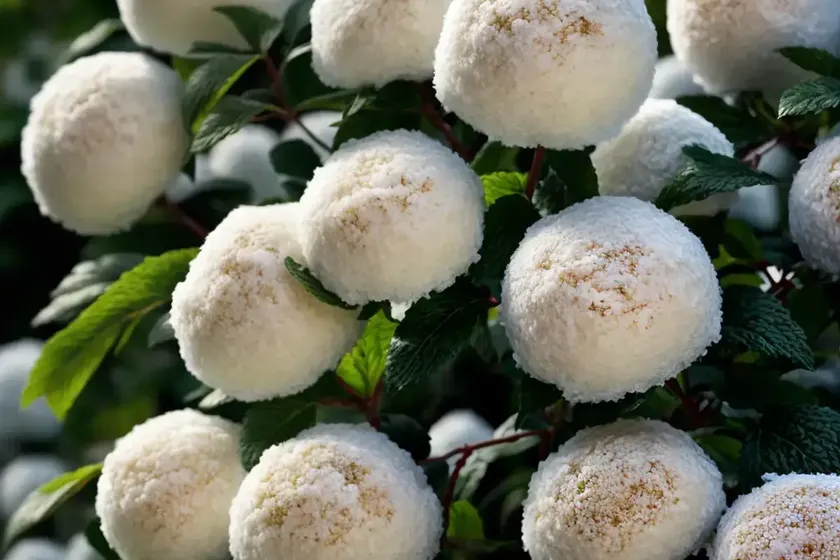
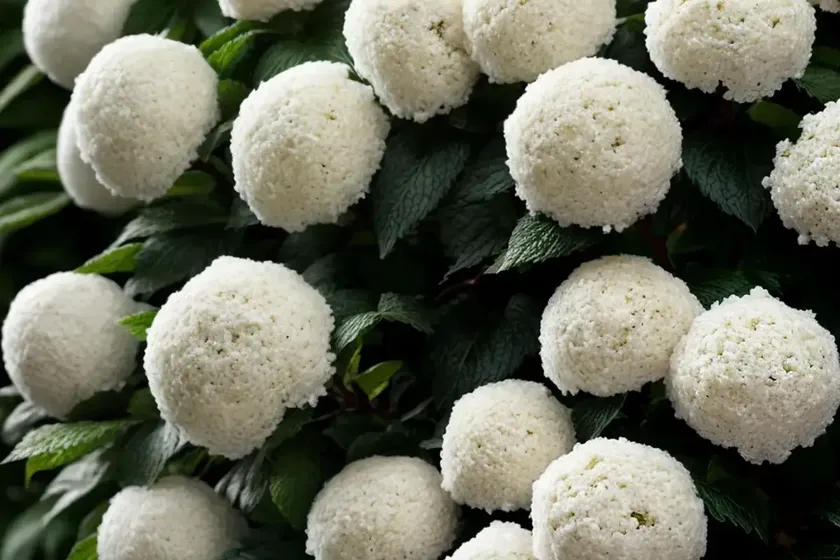
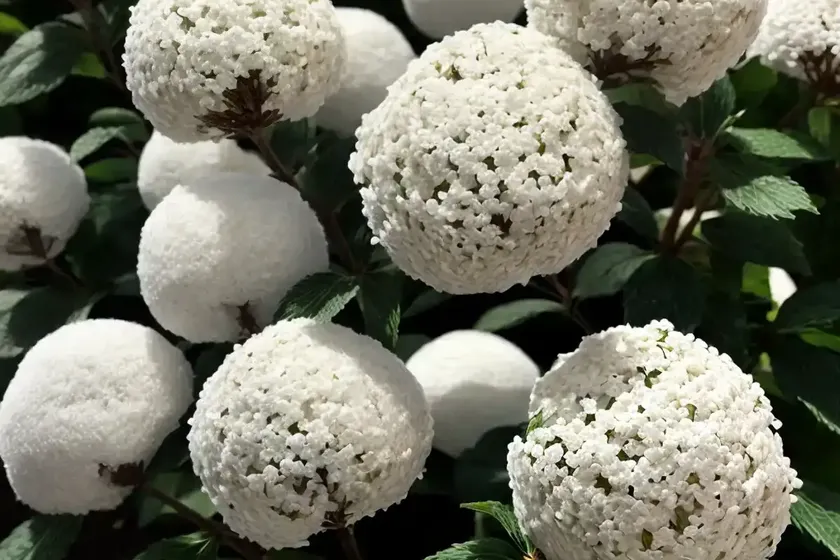
The Snowball Bush, or Viburnum Opulus, is a deciduous shrub belonging to the honeysuckle family, Caprifoliaceae. It is native to Europe, North Africa, and Asia, and is widely cultivated for its ornamental and ecological value. This charming shrub is known for its large, round clusters of white flowers, resembling snowballs, which bloom in spring and early summer, creating a breathtaking spectacle in gardens and landscapes. The Snowball Bush is treasured for its elegant, multi-seasonal display, as it undergoes striking transformations throughout the year, from lush green foliage and opulent blossoms to vibrant autumn hues and decorative berries.
Key Takeaways – Snowball Bush (Viburnum Opulus)
Before embarking on our exploration of the Snowball Bush, let’s take a moment to highlight the key takeaways that we will unravel in this comprehensive guide:
- Culture
- Understanding the ideal growing conditions for Viburnum Opulus
- Uses
- Exploring the diverse applications of the Snowball Bush, from landscaping to medicinal purposes
- Water
- Delving into the watering needs of Viburnum Opulus and effective watering techniques
- Sunlight
- Evaluating the sun exposure requirements for optimal growth and blooming
- Fertilizer
- Unveiling the fertilization requirements for sustaining the health and vitality of the Snowball Bush
- Soil
- Investigating the preferred soil characteristics and composition for Viburnum Opulus
- Pruning
- Mastering the art of pruning the Snowball Bush for shape, health, and abundant blooms
- Propagation
- Exploring the various methods of propagating Viburnum Opulus for expanding its presence in the garden
- Container Popularity
- Understanding the potential and considerations for container gardening with the Snowball Bush
- Common Diseases
- Identifying prevalent diseases affecting Viburnum Opulus and effective diagnosis methods
- Common Pests
- Recognizing the common pests that can afflict the Snowball Bush and strategies for pest management
- Botanist’s Tips
- Gaining insights and expert tips from botanists to maximize the beauty and resilience of Viburnum Opulus
- Fun Facts
- Uncovering intriguing and delightful facts about the Snowball Bush
With these key takeaways in mind, let’s delve deeper into the enchanting world of the Snowball Bush and unveil the mysteries of Viburnum Opulus.
Culture of the Snowball Bush (Viburnum Opulus)
Understanding the cultural requirements of the Snowball Bush is fundamental for nurturing its growth, ensuring abundant blooms, and maintaining its health and vigor. Let’s delve into the essential elements that contribute to the thriving culture of Viburnum Opulus.
Water
Proper hydration is crucial for the well-being of the Snowball Bush. While Viburnum Opulus demonstrates good tolerance to varying moisture levels, it thrives in consistently moist, well-drained soil. Adequate watering is especially essential during its initial establishment and periods of drought. To provide optimal moisture for the Snowball Bush, consider the following watering guidelines:
* Water deeply and regularly, especially during dry spells and prolonged heat.
* Ensure that the soil is moist, but not waterlogged, to prevent water-related stress and root rot.
* Apply organic mulch around the base of Viburnum Opulus to conserve soil moisture and regulate temperature.
Sunlight
Sunlight plays a pivotal role in the growth, blooming, and overall vitality of the Snowball Bush. Viburnum Opulus thrives in full to partial sunlight, with a minimum of 4-6 hours of direct sunlight per day. Adequate exposure to sunlight is essential for promoting robust growth, abundant flowering, and vibrant foliage. When determining the planting location for the Snowball Bush, consider the following sunlight requirements:
* Choose a site with well-drained soil and exposure to direct or filtered sunlight for the optimal development of Viburnum Opulus.
* Avoid planting in excessively shady areas, as it can hinder blooming and lead to sparse growth.
Fertilizer
Fertilization plays a pivotal role in enhancing the nutrient uptake and overall health of the Snowball Bush. While Viburnum Opulus displays moderate fertility requirements, providing a balanced and adequate supply of nutrients can significantly contribute to its vigor and blooming potential. Consider the following tips for fertilizing the Snowball Bush:
* Apply a complete, balanced fertilizer during the spring or early summer to support the growth and blooming of Viburnum Opulus.
* Use a slow-release fertilizer to ensure continuous nutrient availability and minimize the risk of over-fertilization.
Soil
The soil composition and characteristics profoundly influence the growth, blooming, and resilience of the Snowball Bush. Viburnum Opulus exhibits a preference for moist, well-drained, and slightly acidic to neutral soil. To optimize the soil conditions for the Snowball Bush, consider the following soil requirements:
* Ensure that the soil is rich in organic matter, with good drainage to prevent waterlogging and root rot.
* Conduct a soil test to assess the pH levels and nutrient composition, and amend the soil as needed to meet the ideal conditions for Viburnum Opulus.
Uses of the Snowball Bush (Viburnum Opulus)
The Snowball Bush, with its enchanting beauty and versatile attributes, serves a myriad of purposes, ranging from ornamental landscaping to medicinal and ecological applications. Let’s explore the diverse uses of Viburnum Opulus and its invaluable contributions to various spheres.
Ornamental Landscaping
One of the primary uses of the Snowball Bush is its ornamental value in landscaping and garden design. Viburnum Opulus is revered for its captivating visual appeal, especially during its blooming season when it adorns gardens with clusters of exquisite white flowers, resembling snowballs. Additionally, the lush green foliage, vibrant autumn colors, and decorative berries further augment its ornamental allure, making it a favored choice for:
- Flower borders and mixed shrub borders
- Specimen plantings in gardens and landscapes
- Naturalistic and cottage-style gardens
- Park and estate landscapes
Medicinal and Herbal Uses
In addition to its aesthetic splendor, Viburnum Opulus has been historically recognized for its medicinal properties and herbal uses. Various parts of the Snowball Bush, including the bark, leaves, and berries, have been employed in traditional herbal remedies and natural medicine. The potential medicinal uses of Viburnum Opulus include its purported benefits in:
* Alleviating cramps and muscle spasms
* Addressing menstrual and menopausal discomfort
* Supporting urinary tract health
While the therapeutic applications of the Snowball Bush have been a subject of historical folklore and traditional practices, it is essential to exercise caution and consult qualified healthcare professionals before using it for medicinal purposes.
Ecological Significance
The Snowball Bush plays a vital role in supporting biodiversity and ecological balance through its ecological contributions. Viburnum Opulus provides valuable resources for wildlife, including bees, butterflies, and birds, by offering:
* Nectar-rich flowers that attract pollinators, such as bees and butterflies
* Berries that serve as a food source for birds, especially during the winter months
By cultivating Viburnum Opulus in gardens and natural habitats, individuals can actively contribute to supporting local ecosystems and fostering wildlife interactions.
Pruning the Snowball Bush (Viburnum Opulus)
Effective pruning is essential for shaping the growth, enhancing the flowering display, and maintaining the health and aesthetic appeal of the Snowball Bush. By mastering the art of pruning Viburnum Opulus, gardeners can promote vigorous growth, abundant blooms, and a well-defined structural form. Let’s explore the key considerations and techniques for pruning the Snowball Bush.
Pruning Timing
The timing of pruning plays a critical role in optimizing the blooming potential and overall health of the Snowball Bush. Viburnum Opulus responds well to pruning and can be pruned at specific times to achieve desired outcomes. Consider the following pruning schedule for the Snowball Bush:
* Post-flowering Pruning: Perform light pruning immediately after the blooming period to shape the shrub and remove spent flowers. This practice promotes rejuvenation and prepares the Snowball Bush for the next blooming cycle.
* Winter Pruning: Conduct more significant pruning, if necessary, during the dormant season, particularly in late winter or early spring. This approach allows for restructuring the shrub, removing damaged or congested branches, and rejuvenating the overall form of Viburnum Opulus.
Pruning Techniques
Employing appropriate pruning techniques is essential for achieving the desired shape, abundance of blooms, and vigorous growth in the Snowball Bush. Whether it involves rejuvenation pruning or routine maintenance, adhering to proper pruning techniques can promote the optimal development of Viburnum Opulus. Consider the following techniques for pruning the Snowball Bush:
* Selective Pruning: Remove dead, damaged, or diseased branches to maintain the health and vigor of the Snowball Bush.
* Thinning: Thin out congested growth to improve air circulation and light penetration within the shrub, promoting overall vitality and minimizing disease susceptibility.
* Rejuvenation Pruning: Employ rejuvenation pruning to invigorate older or overgrown Snowball Bushes by selectively removing older branches and encouraging new growth from the base.
By integrating these pruning considerations and techniques into the care regimen for the Snowball Bush, gardeners can ensure its longevity, abundant blooms, and exquisite form.
Propagation of the Snowball Bush (Viburnum Opulus)
Expanding the presence of the Snowball Bush within the garden or sharing its beauty with others often involves propagating Viburnum Opulus through various methods. By understanding the propagation techniques and requirements, individuals can successfully cultivate new plants and perpetuate the charm of the Snowball Bush. Let’s explore the diverse methods of propagating Viburnum Opulus and the key considerations for each approach.
Seed Propagation
Propagating the Snowball Bush from seeds offers a fascinating and rewarding way to cultivate new plants and preserve the genetic diversity of Viburnum Opulus. When considering seed propagation for Viburnum Opulus, it is essential to follow these fundamental steps:
- Seed Collection: Collect mature berries from the Snowball Bush and extract the seeds, ensuring that they are thoroughly cleaned and prepared for sowing.
- Seed Treatment: To enhance germination, consider scarifying the seeds or subjecting them to stratification, mimicking the natural environmental conditions necessary for germination.
- Sowing: Plant the treated seeds in a well-prepared seed bed or containers, ensuring adequate moisture and warmth for successful germination.
- Seedling Care: Provide optimal care for the seedlings, including regular watering, gradual acclimatization to outdoor conditions, and protection from potential threats.
Seed propagation offers an engaging way to explore the lifecycle of the Snowball Bush and play a part in conserving its genetic heritage.
Cuttings Propagation
Utilizing stem cuttings for propagating the Snowball Bush presents an effective and expedient method for creating new plants with genetic uniformity to the parent plant. When propagating Viburnum Opulus through cuttings, consider the following steps for successful establishment:
- Selecting Cuttings: Choose healthy, non-flowering shoots or semi-hardwood cuttings, typically taken in the late summer to early autumn, to ensure optimal rooting potential.
- Preparation: Prepare the cuttings by removing the lower leaves, treating the base with a rooting hormone, and placing them in a suitable rooting medium, such as a mix of perlite and peat moss.
- Rooting Environment: Provide the cuttings with a warm, humid environment and ensure consistent moisture to facilitate root development.
- Transplanting: Once the cuttings have established roots, transplant them into individual containers or the desired planting sites, providing appropriate care for their continued growth.
By mastering the art of propagation through seeds and cuttings, gardeners can expand the presence of the Snowball Bush and share its enchanting beauty with others.
Snowball Bush in Containers
The versatility of the Snowball Bush extends to its potential for thriving in containers, offering gardeners the opportunity to cultivate Viburnum Opulus in various settings, from small urban spaces to patio gardens and balconies. When considering container gardening with the Snowball Bush, it is essential to address the key aspects of its care and requirements for successful cultivation. Let’s delve into the considerations for growing the Snowball Bush in containers and the essential guidelines for its maintenance.
Container Selection
Choosing the appropriate containers for the Snowball Bush is essential for providing ample space for root development, stability, and aesthetic appeal. When selecting containers for Viburnum Opulus, consider the following factors:
- Size: Opt for large, sturdy containers that provide sufficient room for root growth and stability against wind and environmental elements.
- Drainage: Ensure that the containers have adequate drainage holes to prevent waterlogging and promote healthy root conditions.
Soil and Watering
The soil composition and watering practices are pivotal for sustaining the health and vitality of the Snowball Bush in containers. To ensure the optimal conditions for Viburnum Opulus in containers, consider the following guidelines:
- Soil: Use a well-draining, nutrient-rich potting mix with adequate organic matter to support the growth and blooming of the Snowball Bush.
- Watering: Monitor the moisture levels closely and water the Snowball Bush in containers as needed, ensuring that the soil remains moist but not waterlogged.
Sunlight and Maintenance
Providing appropriate sunlight and regular maintenance are crucial for the well-being and aesthetic appeal of the Snowball Bush in containers. Consider the following aspects when caring for Viburnum Opulus in containers:
- Sunlight: Place the containers in a location that receives at least 4-6 hours of direct sunlight per day to support the growth and blooming of the Snowball Bush.
- Maintenance: Regularly prune and shape the Snowball Bush in containers, remove spent flowers, and provide appropriate fertilization to sustain its vigor and blooming potential.
By adhering to these guidelines for container gardening with the Snowball Bush, gardeners can enjoy the elegance and charm of Viburnum Opulus in diverse settings and spaces.
Common Diseases Affecting the Snowball Bush (Viburnum Opulus)
Despite its resilience, the Snowball Bush is susceptible to certain diseases that can affect its health and vitality. Understanding the common diseases that afflict Viburnum Opulus, their symptoms, and effective diagnosis methods is essential for implementing timely interventions and preserving the well-being of the Snowball Bush. Let’s explore the prevalent diseases affecting the Snowball Bush and the key considerations for disease diagnosis and management.
Disease Diagnosis
Recognizing the symptoms of diseases affecting the Snowball Bush is fundamental for implementing appropriate and targeted management strategies. Common diseases that can afflict Viburnum Opulus include:
- Powdery Mildew: Characterized by the presence of white powdery patches on the foliage, leading to leaf distortion and impaired growth.
- Bacterial Blight: Manifests as dark, water-soaked spots on the leaves and stems, often accompanied by wilting and dieback of affected parts.
- Leaf Spot: Presents as circular lesions with defined margins on the foliage, leading to premature leaf drop and reduced vigor.
Disease Management
Implementing proactive measures and timely interventions can help mitigate the impact of diseases on the Snowball Bush. Consider the following strategies for managing common diseases affecting Viburnum Opulus:
- Cultural Practices: Maintain good air circulation, proper spacing, and adequate sunlight exposure to minimize disease prevalence and promote overall plant health.
- Sanitation: Remove and dispose of affected plant parts, such as leaves and branches, to prevent the spread of diseases and minimize recurrence.
- Fungicidal Treatments: If necessary, utilize appropriate fungicidal sprays to control powdery mildew and leaf spot, following the recommended application guidelines and safety precautions.
By staying vigilant, practicing good cultural practices, and implementing targeted management strategies, gardeners can safeguard the Snowball Bush from common diseases and preserve its vitality and ornamental allure.
Common Pests Afflicting the Snowball Bush (Viburnum Opulus)
In addition to diseases, the Snowball Bush is susceptible to certain pests that can affect its foliage, stems, and overall vigor. Understanding the common pests that afflict Viburnum Opulus, their signs of infestation, and effective pest management strategies is essential for protecting the health and beauty of the Snowball Bush. Let’s explore the prevalent pests affecting the Snowball Bush and the key considerations for pest recognition and management.
Pest Recognition
Recognizing the signs of pest infestation on the Snowball Bush is crucial for implementing targeted interventions and preventing widespread damage. Common pests that can afflict Viburnum Opulus include:
- Aphids: Small, soft-bodied insects that cluster on the foliage and young shoots, causing distortion of leaves and secreting honeydew, leading to sooty mold development.
- Scale Insects: These pests appear as small, immobile bumps on the stems and foliage, often accompanied by sticky honeydew and sooty mold.
- Viburnum Beetle: The larvae of the viburnum beetle consume the foliage, leading to skeletonized leaves and potential defoliation of the Snowball Bush.
Pest Management
Employing effective pest management strategies is essential for preventing widespread damage and preserving the vitality of the Snowball Bush. Consider the following approaches for managing common pests afflicting Viburnum Opulus:
- Pruning and Removal: Prune and remove heavily infested plant parts to reduce pest populations and minimize their impact on the Snowball Bush.
- Natural Predators: Encourage the presence of natural predators, such as ladybugs and lacewings, to control aphid populations and maintain ecological balance.
- Horticultural Oils: Utilize horticultural oils to smother and eliminate scale insects, applying them according to the recommended guidelines and safety precautions.
By integrating these pest management strategies and proactively addressing pest infestations, gardeners can protect the Snowball Bush from common pests and sustain its exuberant growth and captivating allure.
Botanist’s Tips for Caring for the Snowball Bush (Viburnum Opulus)
Incorporating expert insights and botanist’s tips into the care regimen for the Snowball Bush can significantly enhance its resilience, blooming potential, and overall health. Let’s delve into the invaluable tips and recommendations from botanists and plant specialists for maximizing the beauty and vitality of Viburnum Opulus.
Expert Insights
- Pruning Techniques: Prune the Snowball Bush immediately after flowering to maintain its natural form and enhance blooming for the following season.
- Fertilization Timing: Apply a balanced fertilizer in