Snake Plant ‘samurai Dwarf’ (Sansevieria Ehrenbergii ‘samurai’)
In the world of indoor gardening and landscaping, the Snake Plant, scientifically known as Sansevieria, has gained significant popularity due to its low.
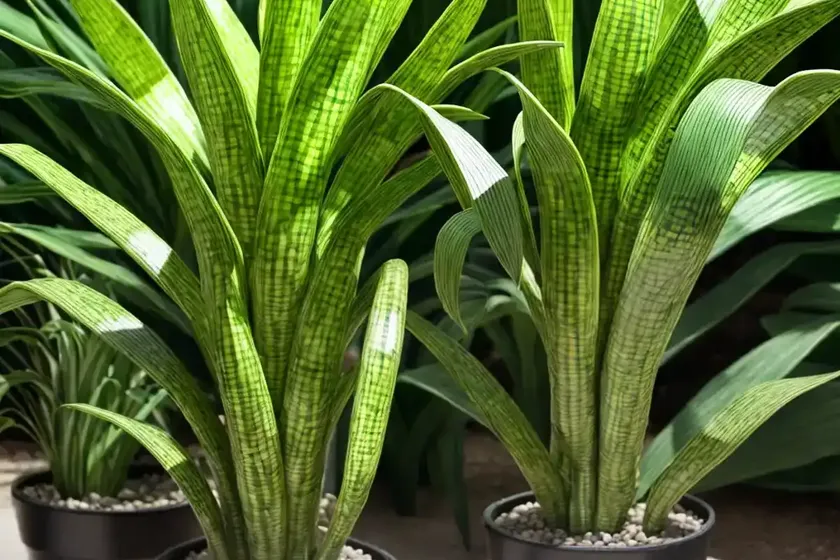
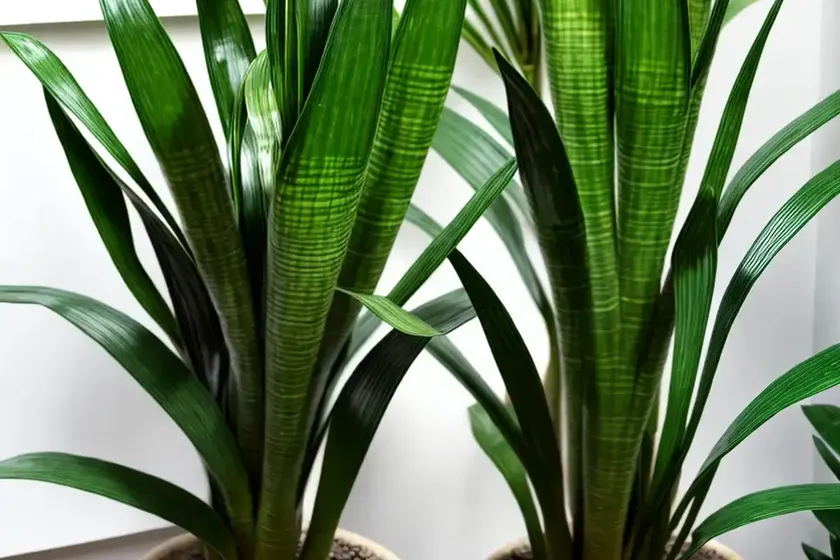
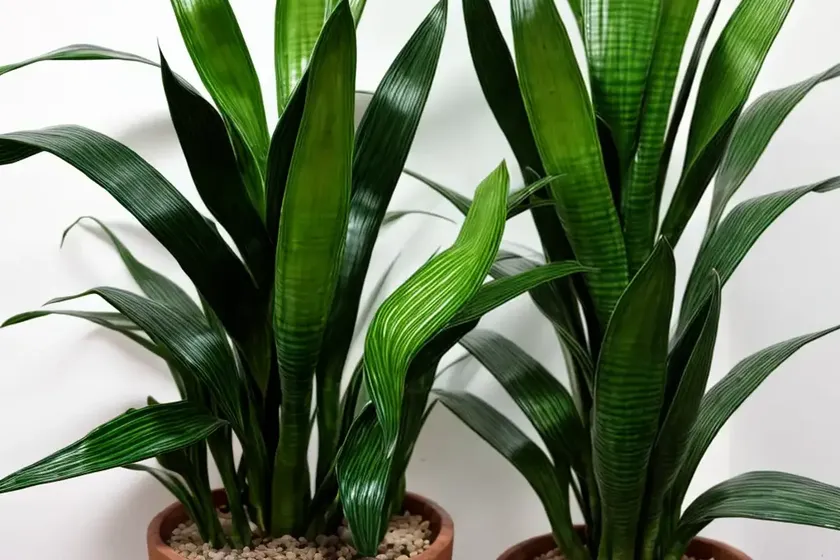
In the world of indoor gardening and landscaping, the Snake Plant, scientifically known as Sansevieria, has gained significant popularity due to its low maintenance requirements and air-purifying qualities. One distinctive variety within the Sansevieria genus is the ‘Samurai Dwarf,’ also referred to as Sansevieria ehrenbergii ‘Samurai.’ This unique type of Snake Plant has garnered attention for its compact size, attractive appearance, and ease of care, making it an ideal choice for both beginners and seasoned plant enthusiasts.
In this comprehensive guide, we will delve into the various aspects of the Snake Plant ‘Samurai Dwarf,’ offering insights into its culture, uses, care requirements, common diseases, propagation techniques, and much more. Whether you’re seeking information on its water and sunlight needs, soil preferences, or growth habits, this guide aims to provide a holistic understanding of this fascinating plant species.
What is the Snake Plant ‘Samurai Dwarf’ (Sansevieria ehrenbergii ‘Samurai’)?
The Snake Plant ‘Samurai Dwarf’ is a compact and visually striking cultivar of the Sansevieria genus. It is characterized by its sturdy, upright leaves that grow in a rosette form, displaying unique patterns and coloration. With its relatively small size compared to other Snake Plant varieties, the ‘Samurai Dwarf’ is well-suited for tabletops, shelves, and other indoor spaces where larger plants may be impractical.
This variety of Snake Plant is known for its adaptability to diverse environmental conditions, making it an excellent choice for indoor cultivation. Its resilience and low maintenance requirements have contributed to its widespread popularity among plant enthusiasts and interior decorators alike.
Key Takeaways – Snake Plant ‘Samurai Dwarf’ (Sansevieria ehrenbergii ‘Samurai’)
Here are the key takeaways that we will explore in detail throughout this guide:
- Culture
- Uses
- Water
- Sunlight
- Fertilizer
- Soil
- Pruning
- Propagation
- Container Popularity
- Container Common Diseases
- Disease Diagnosis
- Common Pests
- Botanist’s Tips
- Fun Facts
- Links to External Resources
Now, let’s dive into each of these aspects and uncover the intricacies of caring for the Snake Plant ‘Samurai Dwarf.’
Culture of the Snake Plant ‘Samurai Dwarf’
Understanding the cultural requirements of the Snake Plant ‘Samurai Dwarf’ is crucial for ensuring its optimal growth and well-being. From its native habitat to its indoor adaptation, exploring the cultural aspects of this plant sheds light on its resilience and adaptability.
Native Habitat
The Sansevieria genus, which includes the ‘Samurai Dwarf’ variety, has origins in various regions across Africa, encompassing countries such as Nigeria, Congo, and Madagascar. Within these regions, Snake Plants typically thrive in arid climates and are known for their ability to withstand periods of drought.
The ‘Samurai Dwarf’ variety, specifically, is believed to have originated from the arid landscapes of Africa, where it has evolved to endure harsh environmental conditions, including limited water availability and intense sunlight. This natural adaptation has equipped the ‘Samurai Dwarf’ with traits that make it well-suited for indoor cultivation, where controlled environmental conditions can mimic its native habitat.
Indoor Adaptation
As a popular choice for indoor spaces, the Snake Plant ‘Samurai Dwarf’ has demonstrated its adaptability to the low light and stable temperatures commonly found in homes and offices. Its ability to thrive in such conditions contributes to its reputation as an ideal indoor plant, particularly for individuals with busy lifestyles or limited experience in plant care.
Uses of the Snake Plant ‘Samurai Dwarf’
Beyond its ornamental value, the Snake Plant ‘Samurai Dwarf’ serves various practical purposes, making it a versatile addition to indoor and outdoor settings. Understanding its uses provides insight into the diverse roles it can play in different environments.
Ornamental Purposes
The ‘Samurai Dwarf’ variety, like many other Snake Plants, is primarily valued for its ornamental appeal. Its striking appearance, characterized by variegated leaves and compact growth habit, makes it an attractive choice for adding visual interest to interior spaces. Whether used as a standalone specimen or incorporated into mixed plant arrangements, the ‘Samurai Dwarf’ contributes to the aesthetic enhancement of its surroundings.
Air Purification
One of the most celebrated attributes of the Snake Plant genus, including the ‘Samurai Dwarf’ variety, is its ability to purify the air by removing toxins such as formaldehyde, xylene, toluene, and nitrogen oxides. This air-purifying quality makes the ‘Samurai Dwarf’ a valuable addition to indoor environments, where it can help improve air quality and create a healthier living or working space.
Medicinal and Folk Uses
In traditional medicine and folklore, certain species of Sansevieria, including the ‘Samurai Dwarf’ variety, are believed to possess medicinal properties. While scientific validation of these claims is limited, some cultures have utilized extracts from the plant for various purposes, such as treating minor ailments and promoting overall wellness. However, it is important to approach any potential medicinal uses of the ‘Samurai Dwarf’ with caution and seek professional guidance before applying it for therapeutic purposes.
Care Requirements for the Snake Plant ‘Samurai Dwarf’
To provide the best possible care for the Snake Plant ‘Samurai Dwarf,’ it is essential to understand its specific requirements in key areas such as water, sunlight, fertilizer, soil, and pruning. By tailoring care practices to accommodate its needs, you can optimize its growth and longevity.
Water
The ‘Samurai Dwarf’ is renowned for its tolerance of drought conditions, which is a hallmark of many Sansevieria species. When it comes to watering this plant, it is crucial to strike a balance between providing adequate moisture and avoiding overwatering, which can lead to root rot and other issues.
-
Water Requirements: The ‘Samurai Dwarf’ thrives in well-draining soil and prefers to dry out between watering sessions. As a general guideline, aim to water the plant when the top inch of the soil feels dry to the touch. During the growing season, which typically spans spring and summer, more frequent watering may be necessary, while reduced watering is recommended during the plant’s dormant phase in fall and winter.
-
Soil Moisture Management: Ensuring proper soil moisture is vital for the health of the ‘Samurai Dwarf.’ Avoid allowing the plant to sit in water for extended periods, as this can lead to root rot and other moisture-related issues. Employing a well-draining potting mix and utilizing pots with drainage holes are effective strategies for managing soil moisture.
Sunlight
While the ‘Samurai Dwarf’ is renowned for its adaptability to low light conditions, ensuring adequate access to sunlight is still essential for its overall well-being and growth.
-
Sunlight Needs: This variety of Snake Plant can thrive in both low light and bright, indirect light conditions. It can tolerate lower light levels than many other indoor plants, making it suitable for rooms with limited natural light. However, providing moderate to bright light exposure, such as near a north- or east-facing window, can promote healthier growth and more vibrant leaf coloration.
-
Sunlight Duration: Aim to provide the ‘Samurai Dwarf’ with at least a few hours of indirect sunlight each day, although it can tolerate prolonged periods of low light. Rotating the plant periodically can ensure uniform exposure to light, promoting balanced growth and preventing leaning or stretching toward the light source.
Fertilizer
Although the ‘Samurai Dwarf’ is known for its adaptability to nutrient-poor conditions, providing occasional fertilization can help support its growth and overall health.
-
Fertilizer Requirements: During the growing season, which typically spans from spring to early fall, consider using a balanced, water-soluble fertilizer formulated at half strength. Applying fertilizer every four to six weeks can provide the plant with essential nutrients without risking fertilizer burn or excessive nutrient buildup in the soil.
-
Fertilizer Application: Always apply fertilizer to moist soil to prevent potential root damage, and ensure that the plant is actively growing when administering fertilization. Reduce or eliminate fertilizer application during the plant’s dormant phase in fall and winter, when its growth rate naturally slows down.
Soil
An appropriate potting mix is fundamental to the well-being of the ‘Samurai Dwarf,’ as it influences moisture retention, aeration, and nutrient availability for the plant’s roots.
-
Potting Mix: Select a well-draining potting mix specifically formulated for succulent or cacti plants, as these mixes provide the ideal balance of moisture retention and aeration. The addition of materials such as perlite or coarse sand can further improve drainage and prevent waterlogged conditions.
-
Soil pH Level: While the ‘Samurai Dwarf’ is generally adaptable to a wide range of soil pH levels, a slightly acidic to neutral pH (6.0-7.0) is conducive to its growth and nutrient uptake. Regularly monitoring soil pH and making adjustments as necessary can help maintain an optimal growing environment for the plant.
Pruning
Pruning serves multiple purposes for the ‘Samurai Dwarf,’ including the removal of dead or damaged foliage, shaping the plant’s appearance, and promoting new growth.
-
Maintenance Pruning: Regularly inspect the plant for any discolored, withered, or damaged leaves, and promptly remove them by cutting them off at the base. This not only enhances the plant’s appearance but also prevents the spread of diseases and conserves the plant’s energy for healthy growth.
-
Shaping and Size Control: While the ‘Samurai Dwarf’ naturally maintains a compact growth habit, occasional pruning can help shape its appearance and prevent overcrowding. Trimming back any excessive or unruly growth can contribute to a tidier and more visually appealing plant.
Propagation of the Snake Plant ‘Samurai Dwarf’
The propagation of the ‘Samurai Dwarf’ variety offers the opportunity to expand your plant collection or share the beauty of this unique Snake Plant with others. Understanding the propagation techniques for this plant can empower you to replicate its desirable traits and foster new plants from existing specimens.
Division
Dividing the ‘Samurai Dwarf’ through rhizome division is a straightforward and effective method of propagation. This technique involves carefully separating the plant into smaller sections, each with its own root system, to establish new individual plants.
- Propagation Steps:
- Select a mature ‘Samurai Dwarf’ plant with multiple shoots and a robust root system.
- Gently remove the plant from its pot and carefully separate the rhizomes, ensuring that each division retains both leaves and roots.
- Plant the divided sections in separate containers filled with well-draining potting mix, ensuring that the soil is evenly moist but not waterlogged.
- Place the new plantings in an environment with consistent, indirect light and maintain adequate soil moisture to encourage root establishment and new growth.
Leaf Cuttings
Propagating the ‘Samurai Dwarf’ through leaf cuttings offers an alternative method for generating new plants from existing foliage. While this technique requires more time and patience than division, it can yield rewarding results when carried out correctly.
- Propagation Steps:
- Select healthy, mature leaves from the ‘Samurai Dwarf’ plant, ensuring that each cutting is at least a few inches in length.
- Allow the leaf cuttings to callus over by air-drying them in a shaded, well-ventilated area for a few days.
- Plant the callused leaf cuttings in a shallow tray or pot filled with well-draining, moist potting mix, burying them about an inch deep.
- Place the tray or pot in a warm, shaded location with consistent humidity, and mist the leaf cuttings periodically to maintain moisture levels.
- Over time, new plantlets should develop from the base of the leaf cuttings, signaling successful propagation. Once the young plants have established adequate root systems, they can be transplanted into individual containers for continued growth.
Container Popularity and Selection for the Snake Plant ‘Samurai Dwarf’
Choosing suitable containers for the ‘Samurai Dwarf’ involves considering factors such as size, material, drainage, and aesthetic appeal. By selecting the right containers and understanding the significance of proper potting, you can provide an optimal growing environment for the plant.
Container Size
Given the compact growth habit of the ‘Samurai Dwarf,’ smaller to medium-sized containers are generally well-suited for accommodating its root system and supporting its upright foliage.
-
Pot Size: Opt for containers that allow a few inches of space around the plant’s root ball, providing adequate room for growth without overwhelming the plant with excessive soil volume. A container with a diameter of 6 to 8 inches is often suitable for young ‘Samurai Dwarf’ specimens, while more mature plants may benefit from slightly larger containers.
-
Depth: The depth of the container should be sufficient to support the plant’s roots without excessive compacting of the soil. A depth of 6 to 8 inches is typically suitable for the ‘Samurai Dwarf,’ allowing for healthy root development and stability.
Material Considerations
Containers can be crafted from a variety of materials, each with distinct benefits and considerations for plant growth and maintenance.
-
Terracotta: Terracotta pots are known for their porous nature, allowing for enhanced aeration and moisture management in the soil. However, they may require more frequent watering due to their ability to absorb moisture from the soil.
-
Plastic: Plastic containers are lightweight, durable, and moisture-retentive, making them suitable for environments with fluctuating humidity levels or for individuals who may struggle with frequent watering.
-
Ceramic: Ceramic pots are prized for their aesthetic appeal and versatility, often available in a range of colors and finishes. While they can be effective for maintaining soil moisture, it’s important to ensure adequate drainage to prevent waterlogged conditions.
Drainage
Proper drainage is essential for preventing waterlogged soil, which can lead to root rot and other moisture-related issues.
-
Drainage Holes: Select containers with drainage holes to facilitate the removal of excess water and prevent the soil from becoming waterlogged. If using decorative pots without drainage holes, consider planting the ‘Samurai Dwarf’ in a plastic grower’s pot that can be placed inside the decorative container.
-
Saucers and Trays: Utilize saucers or trays underneath the containers to catch excess water and prevent it from pooling around the plant. Empty these trays after watering to avoid stagnant water accumulation.
Common Diseases of the Snake Plant ‘Samurai Dwarf’
While the ‘Samurai Dwarf’ is known for its resilience and disease resistance, it can still be susceptible to certain issues under unfavorable growing conditions. Recognizing and addressing common diseases is vital for maintaining the plant’s health and preventing the spread of ailments.
Disease Diagnosis
Several factors can contribute to the development of diseases in the ‘Samurai Dwarf,’ including overwatering, inadequate air circulation, and pest infestations. Being vigilant about the plant’s appearance and responding promptly to any signs of distress can help mitigate the impact of diseases.
-
Root Rot: Overwatering or waterlogged soil can lead to root rot in the ‘Samurai Dwarf,’ causing the roots to decay and compromising the plant’s overall health. Symptoms of root rot include wilting, yellowing or browning of leaves, and a foul odor emanating from the soil.
-
Leaf Spotting: Fungal infections or bacterial pathogens can cause unsightly spots or lesions on the leaves of the ‘Samurai Dwarf,’ impacting its visual appeal and potentially hindering photosynthesis. Infected areas may exhibit discoloration, water-soaked spots, or necrotic tissue.
Disease Management
Addressing diseases in the ‘Samurai Dwarf’ involves implementing proactive measures to mitigate their impact and prevent further spread.
-
Cultural Adjustment: Where possible, review the plant’s cultural conditions, such as watering practices, light exposure, and air circulation, to identify and rectify any factors contributing to disease development.
-
Pruning and Sanitation: Promptly prune any affected or damaged foliage from the ‘Samurai Dwarf,’ disposing of the removed plant material to prevent disease spread. Sanitize pruning tools between cuts to minimize the risk of transmitting pathogens.
-
Fungicidal Treatments: In cases of severe fungal infections, applying a targeted fungicidal treatment approved for use on Snake Plants can help manage the spread of the disease. Follow the product instructions carefully and monitor the plant’s response to treatment.
Common Pests Affecting the Snake Plant ‘Samurai Dwarf’
In addition to diseases, the ‘Samurai Dwarf’ may encounter pest infestations that can compromise its vitality and appearance. Familiarizing yourself with common pests and effective control measures is essential for safeguarding the plant against potential damage.
Pest Identification
Several pests are known to target the ‘Samurai Dwarf,’ feeding on its foliage, stems, and roots and causing varying degrees of damage.
-
Spider Mites: These minuscule pests are known for their ability to form webbing on the leaves of the ‘Samurai Dwarf’ and extract plant juices, potentially leading to stippling, discoloration, and leaf drop.
-
Mealybugs: Mealybugs are small, soft-bodied insects that may congregate in clusters on the foliage and stems of the ‘Samurai Dwarf,’ excreting honeydew and causing leaf distortion and decline.
-
Scale Insects: Scales can appear as raised, waxy bumps on the leaves and stems of the ‘Samurai Dwarf,’ where they feed on plant sap and weaken the plant over time.
Pest Control
Effectively managing pest infestations in the ‘Samurai Dwarf’ involves employing integrated pest management strategies and taking targeted action to mitigate the impact of pests.
-
Horticultural Oils: Applying horticultural oils or insecticidal soaps can help suffocate and eliminate certain pests such as spider mites and mealybugs. Thoroughly coat the affected plant surfaces with the treatment, ensuring complete coverage of the pests.
-
Systemic Insecticides: In cases of severe and persistent pest infestations, consider using systemic insecticides specifically formulated for use on indoor plants. These products can be absorbed by the plant and provide ongoing protection against pests for an extended period.
-
Natural Predators: Introducing natural predators, such as predatory mites or beneficial insects, can offer a biological control method for managing certain pests while minimizing the use of chemical treatments.
Botanist’s Tips for Growing the Snake Plant ‘Samurai Dwarf’
Drawing from the expertise of botanists and experienced plant growers, the following tips can elevate your approach to caring for the ‘Samurai Dwarf,’ enhancing its growth and resilience.
-
Moderation in Watering: Err on the side of underwatering rather than overwatering, as excessive soil moisture can be detrimental to the ‘Samurai Dwarf’ and contribute to potential issues such as root rot.
-
Balanced Fertilization: Exercise caution when fertilizing the ‘Samurai Dwarf,’ opting for a balanced, diluted fertilizer and avoiding excessive application that can lead to nutrient imbalances and salt buildup in the soil.
-
Optimal Light Exposure: While the ‘Samurai Dwarf’ tolerates low light, providing moderate to bright, indirect light can promote more vibrant leaf coloration and balanced growth.
-
Mindful Pruning: When pruning the ‘Samurai Dwarf,’ prioritize the removal of dead or damaged foliage, and maintain a visually appealing appearance without overzealous pruning that can stress the plant.
-
Adaptation: Observe and adapt to the ‘