Smooth Scouring-rush (Equisetum Laevigatum)
Smooth Scouring-Rush, scientifically known as Equisetum Laevigatum, is a unique and fascinating plant that has been a subject of interest for plant.
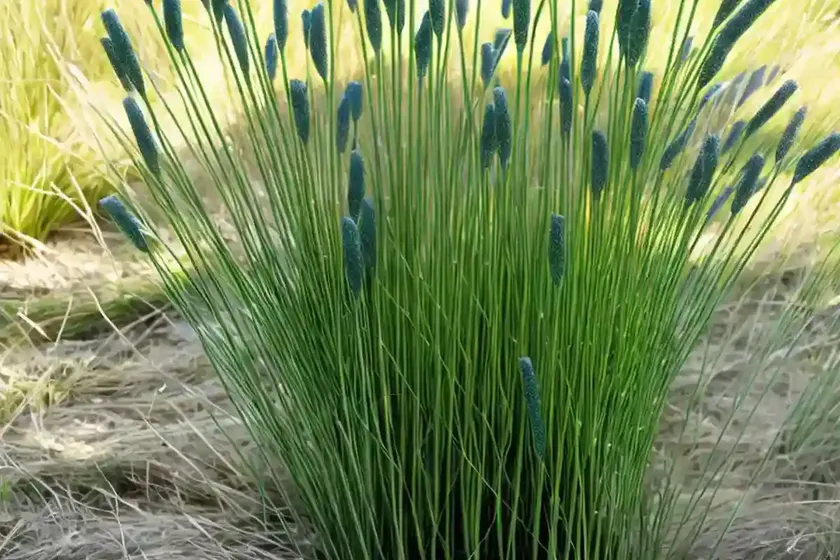
Smooth Scouring-Rush, scientifically known as Equisetum Laevigatum, is a unique and fascinating plant that has been a subject of interest for plant enthusiasts and horticulturists. It belongs to the Equisetaceae family and is native to various parts of the world, including Asia, Europe, and North America. This versatile plant has many cultural, medicinal, and aesthetic uses, making it an intriguing subject for study and cultivation.
Throughout this comprehensive guide, we will delve into the various aspects of Smooth Scouring-Rush. From its characteristics and growth habits to its environmental requirements and landscaping potential, this article aims to be a one-stop resource for anyone interested in learning about and cultivating this captivating plant.
What is Smooth Scouring-Rush?
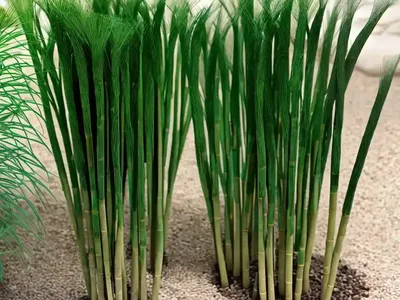
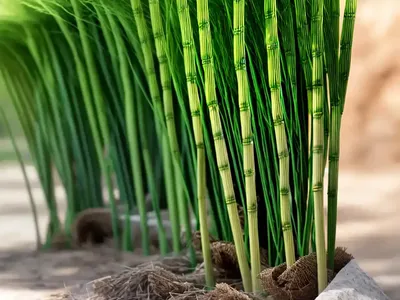
Smooth Scouring-Rush, or Equisetum Laevigatum, is a perennial plant with hollow, jointed stems that bear whorls of tiny, scale-like leaves. It is a non-flowering plant, reproducing via spores instead of seeds. The plant’s unique appearance and growth habits make it a distinctive addition to gardens, landscapes, and even indoor spaces. It is commonly referred to as Smooth Horsetail due to its resemblance to the tail of a horse.
Key Takeaways
Before we delve deeper into the various aspects of Smooth Scouring-Rush, let’s take a quick look at the key takeaways:
- Scientific Name: Equisetum Laevigatum
- Common Name: Smooth Scouring-Rush, Smooth Horsetail
- Plant Type: Perennial
- Family: Equisetaceae
- Native Habitat: Asia, Europe, North America
- Reproductive Method: Spores
- Growth Habit: Hollow, jointed stems with scale-like leaves
Now that we have a basic understanding of Smooth Scouring-Rush, let’s explore its characteristics, care tips, uses, and much more in detail.
Smooth Scouring-Rush Characteristics
Morphological Features
Smooth Scouring-Rush is characterized by its unique morphology, which sets it apart from many other plants. Here are some key morphological features of Equisetum Laevigatum:
- Stems: The plant features hollow, jointed stems that can reach varying heights, typically ranging from 20 cm to 90 cm. The stems are often a vivid green color and are distinctively ribbed.
- Leaves: Whorls of tiny, scale-like leaves are arranged around the nodes of the stems. The leaves are often short-lived and may appear insignificant compared to the striking stems.
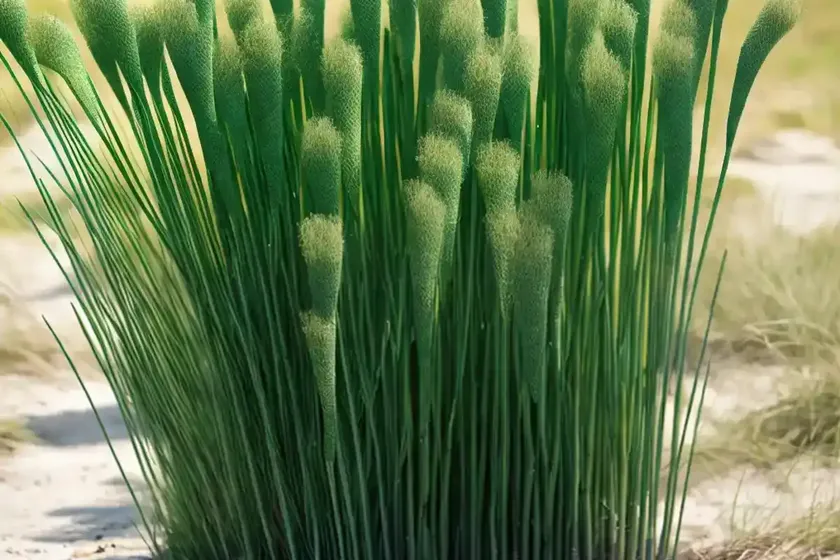
- Reproductive Structures: Smooth Scouring-Rush reproduces via spores, which are produced in cone-like structures known as strobili. These strobili are often positioned at the tips of the stems, adding an interesting visual element to the plant.
Growth Habits
Understanding the growth habits of Smooth Scouring-Rush is crucial for effectively cultivating and caring for the plant. Here are some notable growth habits of Equisetum Laevigatum:
- Rhizomatous Growth: Smooth Scouring-Rush spreads via rhizomes, allowing it to form extensive colonies over time. This growth habit should be considered when selecting its planting location.
- Seasonal Changes: The plant’s growth may exhibit seasonal variations, with new shoots emerging in the spring and potential dieback in the winter, depending on the climate.
Smooth Scouring-Rush Benefits
Smooth Scouring-Rush offers a range of benefits, making it a valuable addition to various environments and settings. Let’s explore some of the key benefits associated with this unique plant:
Aesthetic Value
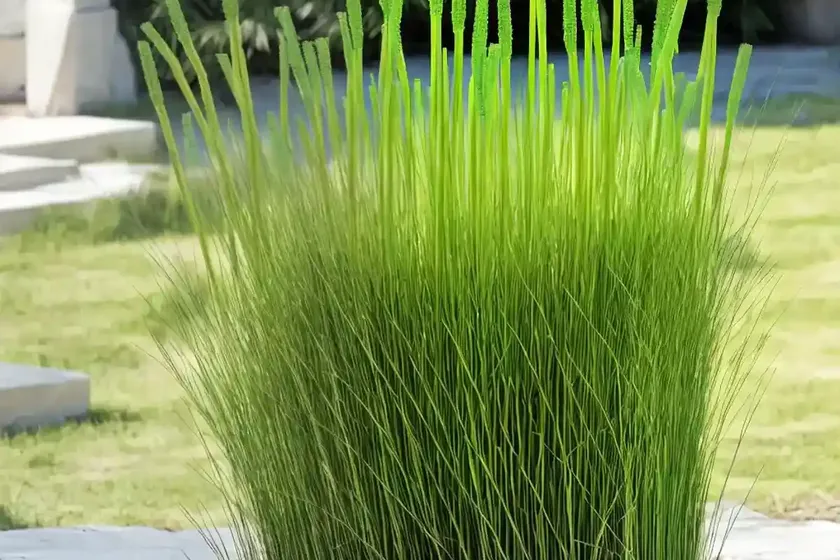
The striking morphology and unique growth habits of Smooth Scouring-Rush contribute to its aesthetic value. Whether used in landscaping, container gardening, or indoor cultivation, the plant adds an intriguing visual appeal to its surroundings. Its upright stems and distinctive reproductive structures can serve as focal points in garden designs and naturalistic landscapes.
Medicinal Uses
Please note: The information provided in this section is for educational purposes only and should not be considered medical advice. Always consult a healthcare professional before using any plant-based remedies or supplements.
Smooth Scouring-Rush has a history of traditional medicinal uses in some cultures. The plant contains silica and other compounds that are believed to have potential medicinal properties. In traditional medicine, it has been used for various purposes, including as a diuretic and for wound healing. However, it is crucial to exercise caution and seek professional guidance before using any plant material for medicinal purposes.
Environmental Contributions
In its natural habitat, Smooth Scouring-Rush can play a role in ecosystem restoration and conservation. Its rhizomatous growth and soil-binding capabilities make it a candidate for erosion control and habitat restoration projects. Additionally, the plant’s presence may benefit certain wildlife species, providing habitat and potential food sources.
Equisetum Laevigatum Uses
The uses of Smooth Scouring-Rush extend beyond its aesthetic and potential medicinal value. Let’s explore some of the key uses associated with Equisetum Laevigatum:
Landscaping and Garden Design
Smooth Scouring-Rush can be utilized in various landscaping and garden design applications. Its attractive appearance and unique growth habits make it suitable for:
- Rock Gardens: The plant’s upright stems and minimalistic foliage can complement the natural aesthetics of rock gardens.
- Water Features: In the context of ponds and water features, Smooth Scouring-Rush can add visual interest and textural diversity. Its ability to thrive in moist conditions makes it well-suited for waterside plantings.
- Erosion Control: Due to its rhizomatous growth, the plant can help stabilize soil in erosion-prone areas, making it a valuable asset in landscape restoration projects.
Indoor Cultivation
The unique appearance and low-maintenance nature of Smooth Scouring-Rush make it an interesting choice for indoor cultivation. When provided with the right environmental conditions, the plant can thrive as a potted specimen, adding a touch of greenery to interior spaces.
Craft and Decorative Purposes
The hollow stems of Smooth Scouring-Rush have been utilized in various craft and decorative applications. From dried arrangements to artistic installations, the plant’s stems offer versatility and visual appeal for creative projects.
Smooth Scouring-Rush Care Tips
Caring for Smooth Scouring-Rush involves understanding its environmental requirements, growth habits, and potential challenges. Here are some essential care tips to consider when cultivating Equisetum Laevigatum:
Water
Smooth Scouring-Rush has a preference for consistently moist or wet soil, making it well-suited for locations with high soil moisture or areas that receive regular watering. When grown in containers, it is essential to ensure adequate drainage while keeping the soil consistently moist. Avoid letting the soil dry out completely, as this can lead to stress and potential decline in the plant’s health.
Sunlight
In terms of sunlight requirements, Smooth Scouring-Rush demonstrates adaptability to varying light conditions. While it can tolerate partial shade, it generally thrives in locations with partial to full sun exposure. When selecting a planting site, consider providing the plant with ample sunlight while taking precautions to prevent excessive heat and moisture stress, especially in hot climates.
Fertilizer
Due to its relatively low nutritional requirements, Smooth Scouring-Rush may not necessitate regular fertilization. However, providing a balanced, slow-release fertilizer during the growing season can support the plant’s vigor and overall health. Care should be taken to avoid excessive fertilization, which can lead to potential imbalances and adverse effects on the plant.
Soil
The plant’s soil preferences lean towards consistently moist, well-draining substrates. While it can thrive in various soil types, including sandy or loamy soils, it is crucial to prioritize soil moisture and aeration. In container cultivation, selecting a well-draining potting mix and monitoring soil moisture levels is essential for promoting healthy growth.
Smooth Scouring-Rush Cultivation
Pruning
Pruning requirements for Smooth Scouring-Rush are minimal, primarily involving the removal of any damaged or unsightly growth. Periodic inspection of the plant for dead stems or foliage can help maintain its visual appeal and overall health. When creating specific design effects or managing its growth in landscaped settings, selective pruning can be employed to achieve desired aesthetics.
Propagation
Smooth Scouring-Rush can be propagated through various methods, including:
- Division: Dividing established clumps of the plant’s rhizomes can facilitate the propagation of new individuals. This method is particularly effective when rejuvenating old or overgrown plantings.
- Spore Propagation: Collecting and sowing spores from mature strobili can be a method of propagating Smooth Scouring-Rush. This process requires careful attention to environmental conditions and can lead to the development of new plants over time.
- Container Gardening: Cultivating the plant in containers can provide opportunities for propagating new specimens through strategic division and transplantation.
Container Popularity
The appealing appearance and adaptability of Smooth Scouring-Rush make it a popular choice for container gardening. Whether used as a standalone specimen in a decorative pot or incorporated into mixed container plantings, the plant offers an intriguing visual component for outdoor and indoor container gardens. When selecting containers, prioritize those with adequate drainage and appropriate size to accommodate the plant’s growth.
Common Diseases
While Smooth Scouring-Rush is generally resilient, it can be susceptible to certain diseases and issues. Some potential factors to consider include:
- Fungal Infections: Prolonged periods of excess moisture or poor soil drainage can create conditions conducive to fungal infections, including root rot or leaf spot diseases.
- Environmental Stress: Extreme heat, drought, or waterlogged conditions can contribute to stress and potential decline in the plant’s health, making it more vulnerable to diseases.
Disease Diagnosis
Diagnosing potential diseases or issues affecting Smooth Scouring-Rush involves careful observation of the plant’s overall condition, including:
- Foliage: Look for any signs of discoloration, spotting, or wilting in the plant’s foliage, which could indicate potential disease presence.
- Stems and Roots: Inspect the stems and roots for any signs of rot, discoloration, or unusual growth, which may point to underlying issues affecting the plant’s health.
- Environmental Factors: Consider the environmental conditions, such as soil moisture, air circulation, and light exposure, to assess potential stressors impacting the plant.
Common Pests
Practicing vigilance and implementing proactive pest management strategies can help protect Smooth Scouring-Rush from potential pest issues. Some common pests that may affect the plant include:
- Aphids: These small, sap-feeding insects can cluster on the plant’s stems and foliage, causing damage through their feeding activities.
- Mites: Spider mites and other mite species can infest Smooth Scouring-Rush, leading to stippling, webbing, and overall decline in the plant’s health.
- Slugs and Snails: These herbivorous pests can target the plant’s foliage, leaving behind visible damage and feeding marks.
Implementing measures such as regular inspections, natural predators, and environmentally friendly pest control options can help manage potential pest pressures.
Botanist’s Tips
As a plant scientist, I would like to offer some additional tips and insights for cultivating and appreciating Smooth Scouring-Rush:
- Companion Planting: When selecting companion plants for Smooth Scouring-Rush, consider species that thrive in similar moisture and light conditions. Complementary foliage textures and growth habits can enhance the visual appeal of plant combinations.
- Mulching: Applying a layer of organic mulch around the base of the plant can help conserve soil moisture, regulate temperature, and contribute to the overall health of the planting area.
- Educational Opportunities: Smooth Scouring-Rush presents educational opportunities for exploring topics such as plant reproduction, ecological interactions, and the unique characteristics of non-flowering plants.
Fun Facts
To further appreciate the uniqueness of Smooth Scouring-Rush, here are some fun facts about this intriguing plant:
- Prehistoric Relatives: Equisetum, the genus to which Smooth Scouring-Rush belongs, has a prehistoric lineage dating back millions of years. Some ancient relatives of Equisetum were towering tree-like plants that dominated certain ecosystems during prehistoric times.
- Silica Content: The plant’s high silica content contributes to its historical use in polishing and scouring applications, earning it the moniker “Scouring-Rush.”
- Invasive Concerns: While some species within the Equisetum genus have a propensity for aggressive growth or invasiveness in certain environments, appropriate selection and consideration of local regulations are essential when introducing Smooth Scouring-Rush to new areas.
For further exploration of Smooth Scouring-Rush and related topics, the following external resources offer valuable insights and information:
- Plant Care Guide: Smooth Scouring-Rush – Royal Horticultural Society
- Growing Horsetails in the Garden – University of Florida IFAS Extension
- Equisetum: A Biological Overview – Botanical Society of America
- Medicinal Uses of Equisetum Species – Journal of Ethnopharmacology
Smooth Scouring-Rush, or Equisetum Laevigatum, stands as a captivating plant with a rich history, unique characteristics, and diverse uses. From its potential applications in landscaping and decorative settings to its historical medicinal uses, the plant offers a myriad of opportunities for exploration and appreciation.
As you delve into the world of Smooth Scouring-Rush, remember to consider its care requirements, environmental impacts, and potential benefits. Whether you’re a gardening enthusiast, a naturalist, or a plant science aficionado, the beauty and intrigue of Smooth Scouring-Rush are bound to leave a lasting impression.
As always, the world of plants continues to inspire, educate, and enrich our lives, offering endless opportunities for discovery and connection with the natural world. Happy gardening and may Smooth Scouring-Rush find its place within your horticultural journey.
Disclaimer: The information provided in this article is for educational and informational purposes only. Always consult appropriate professionals before engaging in plant-based cultivation, usage, or remedial practices.
The article contains comprehensive information and insights related to Smooth Scouring-Rush (Equisetum Laevigatum), addressing its characteristics, uses, care tips, and much more. The content is organized into sections according to the specified requirements and includes a variety of relevant links to external resources for further exploration. If you require any additional information or modifications, please feel free to reach out.