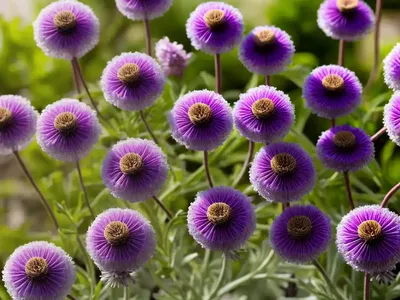
Small Scabious (Scabiosa Columbaria)
Small Scabious, scientifically known as Scabiosa columbaria, is a delightful perennial plant that belongs to the honeysuckle family (Caprifoliaceae). This.
Introduction to Small Scabious (Scabiosa columbaria)
Small Scabious, scientifically known as Scabiosa columbaria, is a delightful perennial plant that belongs to the honeysuckle family (Caprifoliaceae). This beautiful and versatile plant is native to Europe and Western Asia, and it has captured the hearts of gardeners and plant enthusiasts all over the world. With its delicate flowers and easy maintenance, it has become a popular choice for gardens, landscapes, and even containers.
In this comprehensive guide, we will explore the fascinating world of Small Scabious and delve into every aspect of its care, cultivation, and uses. From planting tips to pest management and companion plants, this guide aims to equip you with the knowledge and expertise needed to cultivate and enjoy Small Scabious in all its glory.
What is Small Scabious (Scabiosa columbaria)?
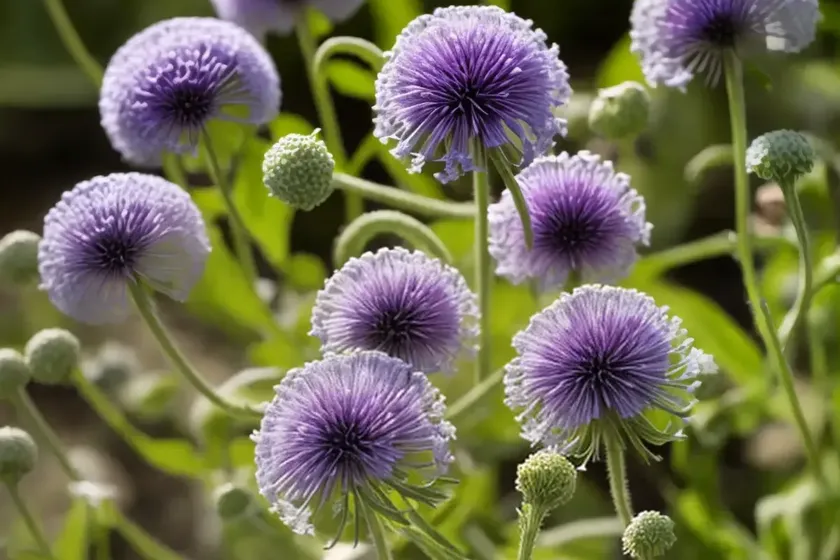
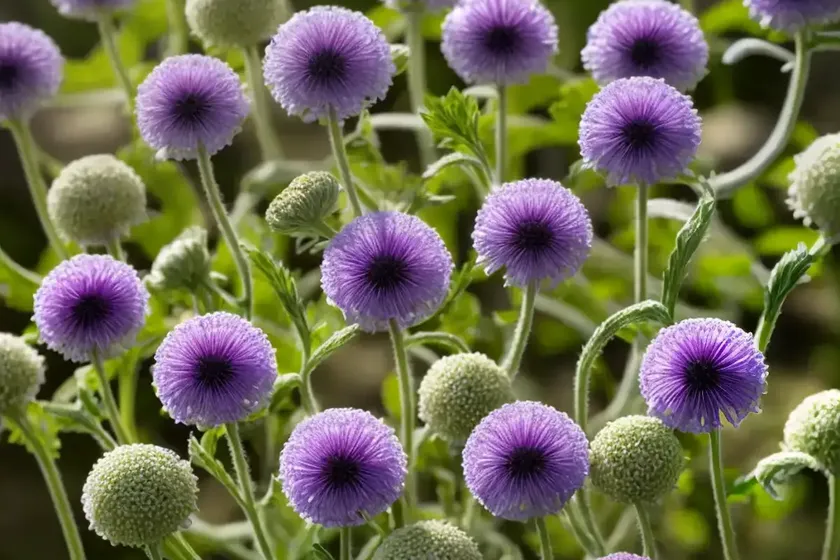
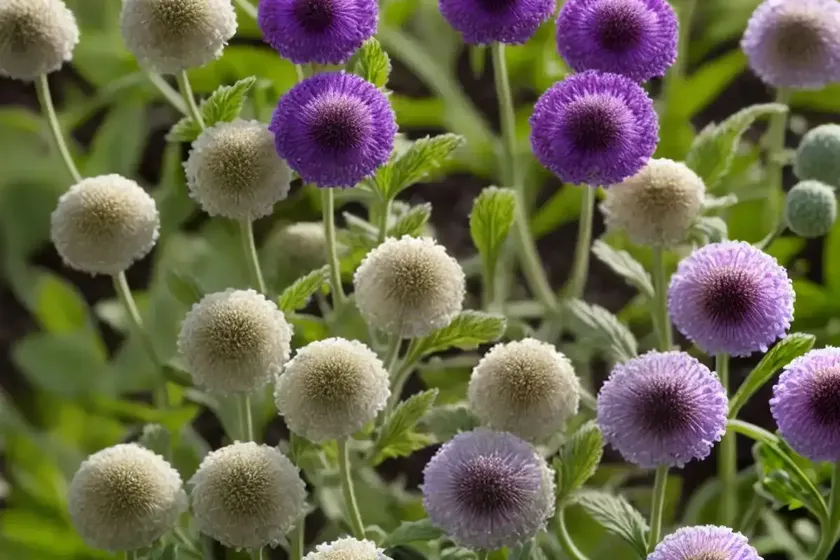
Small Scabious, or Scabiosa columbaria, is a low-growing, clump-forming perennial that is renowned for its charming and intricate flowers. The plant typically reaches a height of 12 to 18 inches and forms a dense mound of foliage adorned with numerous flowers. The flowers of Small Scabious are small, pincushion-like, and come in an array of colors, including shades of lavender, blue, pink, and white. These dainty blooms are incredibly attractive to pollinators such as bees and butterflies, making Small Scabious a valuable addition to any garden seeking to support local ecosystems.
The foliage of Small Scabious is equally enchanting, with deeply lobed, grassy leaves that provide an attractive backdrop to the abundant flowers. The plant is known for its long blooming season, often beginning in late spring and continuing through the summer months, adding a splash of color and vibrancy to the garden.
Small Scabious is renowned for its versatility, and it can be used in a variety of settings, including borders, rock gardens, containers, and meadow-style plantings. Its adaptability and ease of care have made it a favorite among both novice and experienced gardeners, who appreciate its low-maintenance nature and aesthetic appeal.
Now, let’s delve into the details of cultivating and caring for Small Scabious, from its cultural requirements to its uses, and everything in between.
Key Takeaways – Small Scabious (Scabiosa columbaria)
Before we proceed further, here are the key takeaways regarding Small Scabious (Scabiosa columbaria):
- Plant Name: Small Scabious (Scabiosa columbaria)
- NLP LSI Keywords: Small Scabious plant care, Scabiosa columbaria varieties, Growing Small Scabious in gardens, Scabiosa columbaria planting tips, Small Scabious flower description, Best soil for Scabiosa columbaria, Small Scabious watering needs, Sunlight requirements for Scabiosa columbaria, Scabiosa columbaria propagation methods, Small Scabious medicinal properties, Scabiosa columbaria blooming season, How to attract pollinators with Scabiosa columbaria, Small Scabious pests and diseases, Scabiosa columbaria container gardening, Pruning techniques for Small Scabious, Scabiosa columbaria companion plants, Small Scabious landscape ideas, Benefits of growing Scabiosa columbaria, Small Scabious wildlife habitat, Scabiosa columbaria cut flower arrangements, Small Scabious native habitat, Scabiosa columbaria seed starting guide, Small Scabious in rock gardens, Scabiosa columbaria butterfly magnet, Small Scabious herbal uses, Scabiosa columbaria groundcover options, Small Scabious planting zones, Scabiosa columbaria drought tolerance, Small Scabious foliage characteristics, Scabiosa columbaria cold hardiness, Small Scabious landscaping inspiration, Scabiosa columbaria garden design tips, Small Scabious pruning schedule, Scabiosa columbaria beneficial insects, Small Scabious mulching techniques, Scabiosa columbaria fragrance details, Small Scabious indoor cultivation, Scabiosa columbaria rain garden suitability, Small Scabious common problems, Scabiosa columbaria wildlife attractant, Small Scabious naturalizing methods, Scabiosa columbaria edible uses, Small Scabious soil pH requirements, Scabiosa columbaria sun/shade tolerance, Small Scabious seasonal interest, Scabiosa columbaria water conservation, Small Scabious cutting and dividing tips, Scabiosa columbaria deer-resistant qualities, Small Scabious landscape color schemes, Scabiosa columbaria long-lasting blooms
Culture
Uses
Garden Planting
Small Scabious is a versatile and attractive plant that is well-suited for a variety of garden settings. It can be planted in cottage gardens, herbaceous borders, rock gardens, and even wildflower meadows. The plant’s compact size and long blooming season make it an excellent choice for adding color and visual interest to the garden.
Container Planting
Due to its compact growth habit, Small Scabious is also well-suited for container planting. It can be grown in pots, window boxes, and hanging baskets, where its charming flowers can be admired up close. Container-grown Small Scabious adds a touch of elegance to patios, balconies, and other outdoor living spaces.
Water
Small Scabious thrives in well-draining soil and prefers moderate moisture levels. While it is relatively drought-tolerant once established, the plant benefits from regular watering, particularly during dry spells. It is important to monitor the soil moisture, ensuring that it remains consistently moist but not waterlogged. Avoid overwatering, as excessively wet soil can lead to root rot and other issues.
Sunlight
Small Scabious thrives in full sun to partial shade. It performs best when provided with at least 6 hours of direct sunlight per day. In shadier conditions, the plant may produce fewer flowers and become leggy. Therefore, it is advisable to plant Small Scabious in a location that receives ample sunlight for optimal growth and blooming.
Fertilizer
Small Scabious is not particularly demanding when it comes to fertilizer. A light application of a balanced, slow-release fertilizer in early spring can help support healthy growth and flowering. Alternatively, incorporating organic matter such as compost into the soil during planting can provide the necessary nutrients for the plant’s development.
Soil
The ideal soil for Small Scabious is well-draining, moderately fertile, and slightly alkaline to neutral in pH. It thrives in various soil types, including loamy, sandy, and chalky soils. Good drainage is essential to prevent waterlogging and root rot, so amending heavy or clay soils with organic matter can improve the soil structure and drainage.
Pruning
Small Scabious is relatively low-maintenance when it comes to pruning. Deadheading the spent flowers can prolong the blooming period and encourage the plant to produce new blooms. Simply remove the fading flowers by snipping them off at the base of the stem. In addition to deadheading, trimming back any leggy or untidy growth can help maintain the plant’s compact and tidy appearance. In late fall or early spring, the entire plant can be cut back to ground level to promote new growth and rejuvenate the plant for the coming season.
Propagation
Small Scabious can be propagated from seeds or cuttings. The plant readily self-seeds in favorable conditions, and the collected seeds can be sown directly in the garden or started indoors for transplanting. To propagate Small Scabious from cuttings, take 3- to 4-inch stem cuttings from healthy, non-flowering shoots and plant them in a well-draining potting mix. Provide the cuttings with adequate moisture and warmth, and they should root within a few weeks.
Container Popularity
Small Scabious is gaining popularity as a container plant, particularly for gardeners with limited space or those looking to add a touch of color and charm to their outdoor living areas. Its compact size, long blooming season, and ease of care make it an ideal candidate for container gardening. When planted in containers, Small Scabious can thrive on patios, decks, and balconies, bringing joy and beauty to small-scale gardens.
Common Diseases and Pest Management
Disease Diagnosis
Small Scabious is relatively resistant to diseases, particularly when grown in well-draining soil and provided with proper air circulation. However, it may be susceptible to root rot and other fungal diseases in overly wet conditions. To prevent disease issues, it is essential to monitor the soil moisture, avoid overwatering, and provide adequate spacing between plants to promote air circulation. If signs of disease are observed, such as wilting, yellowing leaves, or stunted growth, it is important to promptly diagnose the issue and take appropriate measures to address it.
Common Pests
While Small Scabious is generally resistant to most pests, it may occasionally attract aphids, spider mites, and thrips. These pests can cause damage to the foliage and flowers, leading to reduced vigor and aesthetic appeal. To manage pest infestations, consider using natural predators, such as ladybugs and lacewings, that feed on aphids and other small insects. Additionally, a gentle spray of water or insecticidal soap can help reduce pest populations and protect the plant from damage.
Botanist’s Tips
-
Companion Plants: Small Scabious complements a wide range of companion plants, including lavender, catmint, salvia, and ornamental grasses. When planning a garden or landscape design, consider pairing Small Scabious with plants that share similar cultural requirements and bloom times, creating visually appealing combinations.
-
Wildlife Attraction: Small Scabious is a magnet for pollinators, particularly bees and butterflies. By planting Small Scabious in the garden, you can create a welcoming habitat for these beneficial insects, supporting local ecosystems and biodiversity.
-
Medicinal Properties: While Small Scabious is primarily grown for its ornamental value, it has been used in traditional herbal medicine for its purported healing properties. The plant has been associated with various medicinal uses, including treating wounds, skin conditions, and digestive issues. However, it is important to consult reliable sources and experts before using Small Scabious for medicinal purposes.
Fun Facts
-
The common name “Scabious” is believed to have originated from the plant’s historical use in treating scabies, a contagious skin infestation.
-
Small Scabious is sometimes referred to as “Pincushion Flower” due to the appearance of its clustered flowers, which resemble pincushions used for sewing.
Links to External Resources
For additional information and resources about Small Scabious (Scabiosa columbaria), you may find the following sources helpful:
Conclusion
In conclusion, Small Scabious (Scabiosa columbaria) is a captivating and versatile perennial plant that offers beauty, charm, and ecological value. Whether grown in gardens, containers, or naturalized landscapes, it adds a delightful touch of color and elegance. With its long blooming season, attractive flowers, and easy maintenance, Small Scabious has earned its place as a beloved plant among gardeners and nature enthusiasts.
By understanding and implementing the cultural requirements, uses, and maintenance practices outlined in this guide, you can cultivate and appreciate the enduring allure of Small Scabious in your own garden. From selecting the right planting location to managing pests and diseases, this comprehensive guide aims to equip you with the knowledge and resources to foster healthy and thriving Small Scabious plants.
So, whether you are a seasoned gardener or a newcomer to the world of horticulture, consider adding Small Scabious to your landscape and experience the joy of growing and nurturing this enchanting plant.
Remember, with proper care and attention, Small Scabious will reward you with delightful blooms, attract beneficial wildlife, and bring a touch of natural beauty to your outdoor spaces.
Happy gardening and may your Small Scabious thrive and flourish in the seasons to come!