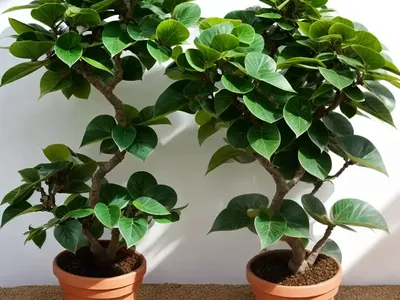
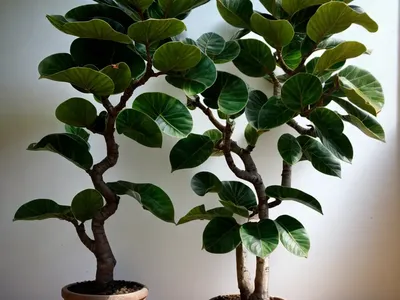
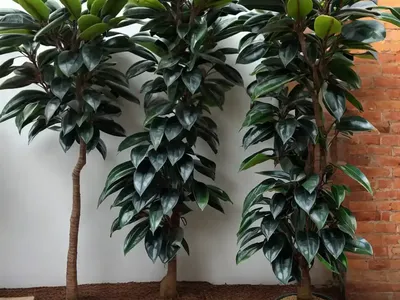
Small-leaf Fig (Ficus Obliqua)
Plants are an indispensable and captivating element of our natural environment. Their unique charm and ability to sustain life make them an essential part.
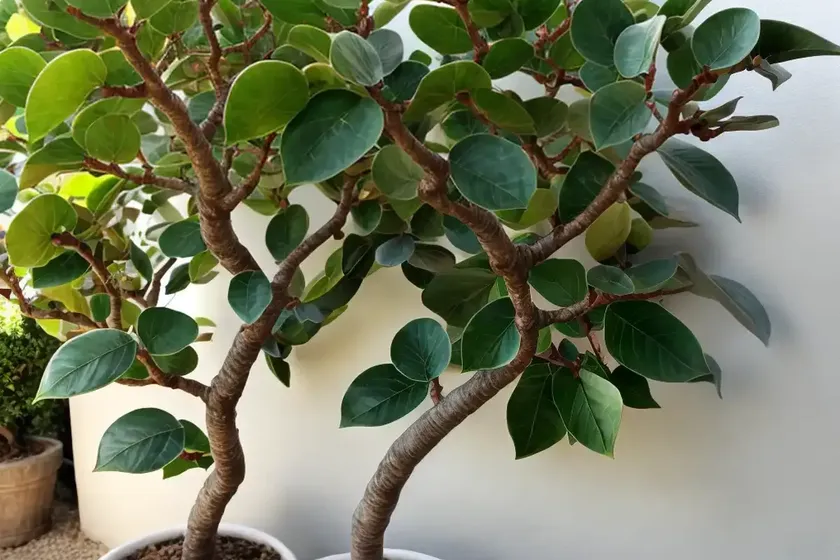
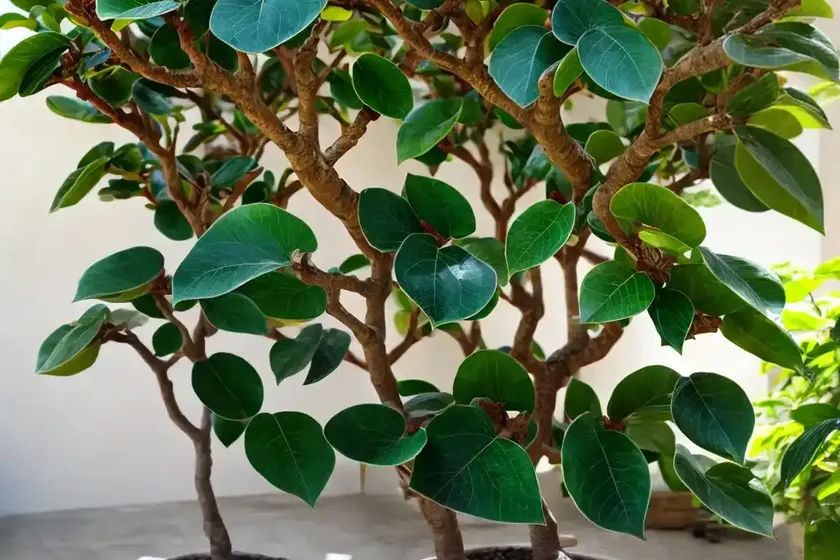
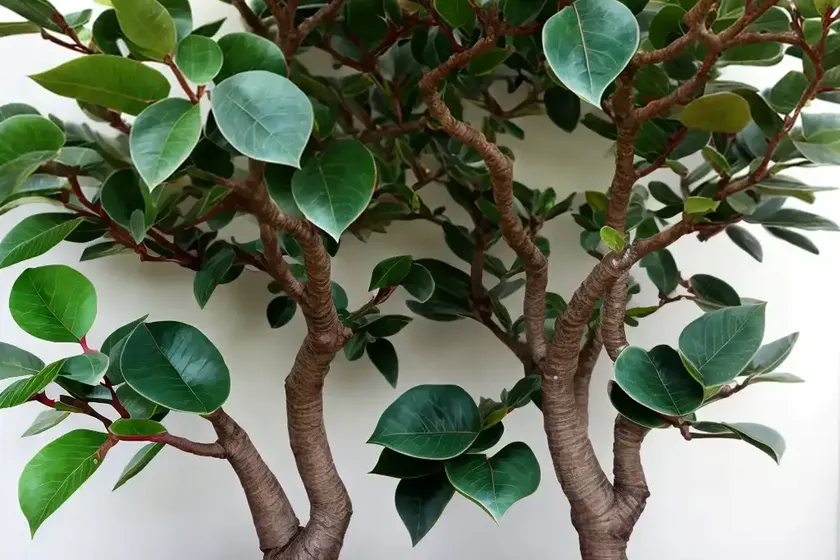
Plants are an indispensable and captivating element of our natural environment. Their unique charm and ability to sustain life make them an essential part of our world. As a plant scientist, I have always valued the significance of plants and their impact on our lives. In this comprehensive guide, we will delve into the world of the Small-leaf Fig (Ficus Obliqua), exploring its characteristics, care requirements, benefits, and much more.
What is the Small-leaf Fig (Ficus Obliqua)?
The Small-leaf Fig, scientifically known as Ficus Obliqua, is a species of fig tree that belongs to the Moraceae family. This evergreen tree is native to Australia and is renowned for its distinct small leaves and appealing appearance. It is often sought after for its ornamental value and contributes to the aesthetic appeal of both indoor and outdoor spaces.
Key Takeaways
Before we delve into the comprehensive care guide for the Small-leaf Fig, let’s take a quick look at the key takeaways of this fascinating plant.
- Small-leaf Fig (Ficus Obliqua) is a species of fig tree native to Australia.
- It is characterized by its small leaves and ornamental appeal.
- This plant can thrive both indoors and outdoors, adding a touch of natural elegance to various settings.
- Proper care, including attention to watering, sunlight, soil, and pruning, is essential for the well-being of the Small-leaf Fig.
- It offers air purification benefits and contributes to creating a healthier indoor environment.
Now that we have an overview of this captivating plant, let’s delve deeper into the essential aspects of its care and cultivation.
Culture
Understanding the cultural requirements of the Small-leaf Fig is crucial for fostering a thriving and healthy plant. Here, we will explore various aspects of the culture, including its uses, water requirements, sunlight needs, fertilizer application, soil preferences, pruning techniques, propagation methods, and its popularity.
Uses
The Small-leaf Fig (Ficus Obliqua) is valued for its ornamental and aesthetic uses. It is commonly used for interior landscaping, where its lush green foliage adds a touch of natural beauty to indoor spaces. Additionally, it serves as a decorative element in gardens, courtyards, and outdoor landscapes, contributing to the overall visual appeal of the surroundings.
Water
Proper watering is essential for the health and vitality of the Small-leaf Fig. Adequate moisture is crucial, but overwatering can lead to root rot and other moisture-related issues. Here are some key considerations for watering the Small-leaf Fig:
- Watering Frequency: The Small-leaf Fig generally requires regular watering, especially during the growing season. However, it’s important to allow the soil to dry out slightly between waterings to prevent waterlogging.
- Moisture Assessment: Before watering, assess the moisture level of the soil by inserting your finger into the top layer. If it feels dry to the touch, it’s time to water the plant.
- Seasonal Adjustments: Be mindful of seasonal changes and adjust the watering frequency accordingly. During the winter months, when the plant’s growth slows down, reduce the watering frequency to prevent waterlogged soil.
Sunlight
Proper sunlight exposure is crucial for the growth and well-being of the Small-leaf Fig. Understanding its sunlight requirements is essential for providing an optimal growing environment. Here are the key considerations for sunlight:
- Light Preferences: The Small-leaf Fig thrives in bright, indirect sunlight. It is important to provide ample natural light without exposing the plant to direct, harsh sunlight, which can lead to leaf burn and sun damage.
- Indoor Placement: When grown indoors, place the Small-leaf Fig near a window that receives bright, filtered light throughout the day. If natural light is limited, supplemental grow lights can be used to ensure adequate light exposure.
Fertilizer
Fertilization plays a vital role in supplying essential nutrients to the Small-leaf Fig, promoting healthy growth and vibrant foliage. Here are some key points to consider for fertilizing this plant:
- Balanced Fertilizer: Use a balanced, water-soluble fertilizer specifically formulated for indoor plants. During the growing season, feed the Small-leaf Fig with a diluted fertilizer solution every 4-6 weeks to support its growth.
- Reduced Fertilization: During the plant’s dormant period in winter, reduce or suspend fertilizer applications to align with its naturally reduced growth and nutrient requirements.
Soil
The choice of the right soil type and quality is critical for the Small-leaf Fig. Optimal soil conditions support root development and overall plant health. Consider the following soil preferences for this plant:
- Well-Draining Soil: Use a well-draining potting mix rich in organic matter. A blend of peat moss, perlite, and compost provides good aeration and moisture retention, promoting healthy root growth.
- Soil pH: The Small-leaf Fig thrives in slightly acidic to neutral soil with a pH range between 6.0 and 7.0.
Pruning
Regular pruning is essential for maintaining the shape, size, and overall health of the Small-leaf Fig. Pruning also helps to remove dead or damaged foliage and encourages new growth. Here are some key points to consider when pruning the Small-leaf Fig:
- Pruning Frequency: Perform light pruning throughout the year to maintain the desired shape and remove any dead or yellowing leaves. Additionally, conduct more significant pruning during the spring to rejuvenate the plant and promote new growth.
- Pruning Techniques: Use clean, sharp pruning shears to make precise cuts. Remove any overgrown or leggy branches to encourage a compact and bushy growth habit.
Propagation
Propagation allows plant enthusiasts to expand their Small-leaf Fig collection and share the beauty of this species with others. Here’s a look at the methods commonly used for propagating the Small-leaf Fig:
- Stem Cuttings: Propagate the Small-leaf Fig using stem cuttings taken from a healthy, mature plant. Place the cuttings in a well-draining potting mix and provide the appropriate care to encourage root development.
- Air Layering: Another effective propagation method involves air layering, where a section of the stem is encouraged to develop roots while still attached to the parent plant. Once roots have formed, the new plant can be separated and potted.
Container Popularity
The Small-leaf Fig has gained popularity as a container plant, making it a sought-after choice for indoor and patio gardening. Its compact size and ornamental appeal make it well-suited for container cultivation, allowing plant enthusiasts to enjoy its beauty in confined spaces.
Container
When selecting a container for the Small-leaf Fig, it’s essential to consider the plant’s size, growth habits, and its root system. Here are some container-related considerations for this plant:
- Suitable Size: Choose a container that provides ample space for the plant’s root system to develop. A slightly larger container allows for adequate room for growth while providing stability to the plant.
- Drainage Holes: Ensure that the container has sufficient drainage holes to prevent waterlogging and promote healthy root development.
- Material: Opt for a container made of durable and non-porous material, such as ceramic or plastic, which helps retain moisture and creates a stable growing environment.
Now that we’ve explored the cultural aspects of the Small-leaf Fig, let’s move on to the plant’s common diseases, pests, and essential care requirements.
Common Diseases
Despite its resilience, the Small-leaf Fig is susceptible to certain diseases that can affect its overall health and vitality. Understanding these common diseases is essential for implementing effective prevention and management strategies.
Disease Diagnosis
Identification of common diseases is crucial for providing timely intervention and preventing the spread of infections. Here are some common diseases that can affect the Small-leaf Fig:
- Leaf Spot: Leaf spot diseases, caused by fungi or bacteria, lead to the development of dark, circular spots on the foliage. These spots may be accompanied by yellowing or browning of the affected leaves.
- Root Rot: Overwatering or poor drainage can lead to root rot, a fungal disease that affects the plant’s roots. Symptoms include wilting, yellowing foliage, and a foul odor emanating from the soil.
- Powdery Mildew: Powdery mildew is characterized by a white, powdery growth on the leaves and stems. It thrives in high humidity and can impact the overall vigor of the plant.
Implementing proper cultural practices, including moderate watering, adequate sunlight, and good air circulation, can help prevent these diseases.
Common Pests
Pests pose a significant threat to the well-being of the Small-leaf Fig, and early detection is crucial for implementing effective pest control measures. Here are some common pests that may affect this plant:
- Spider Mites: These tiny pests thrive in dry conditions and can cause stippling and webbing on the leaves. Spider mites can quickly infest the plant, impacting its overall health.
- Mealybugs: Mealybugs are soft-bodied insects that feed on the plant’s sap and excrete honeydew, leading to the development of black sooty mold. They often congregate on the undersides of leaves and along the stems.
- Scale Insects: Scale insects appear as small, waxy bumps on the plant’s stems and leaves. They feed on the plant’s sap and can cause yellowing, wilting, and overall decline in plant health.
Regular inspection of the Small-leaf Fig for signs of pest infestation, along with the use of natural predators and organic pest control methods, can help manage and prevent pest-related issues.
Botanist’s Tips
As a plant scientist with a passion for the Small-leaf Fig, I have gathered some valuable tips to help plant enthusiasts care for and appreciate this beautiful species. Here are some botanist’s tips for successful Small-leaf Fig care:
- Monitor Moisture Levels: Pay close attention to the plant’s soil moisture and water the Small-leaf Fig only when the top layer of soil feels dry to the touch.
- Provide Adequate Light: Ensure that the plant receives sufficient, indirect sunlight, especially when grown indoors. Consider rotating the plant periodically to promote even growth.
- Regular Maintenance: Perform regular maintenance tasks, such as pruning, cleaning the leaves, and inspecting for pests and diseases, to keep the Small-leaf Fig in optimal condition.
- Room for Growth: As the Small-leaf Fig grows, consider repotting it into a slightly larger container to provide ample space for root development and promote continued growth and vigor.
With these tips in mind, plant enthusiasts can foster a thriving Small-leaf Fig and enjoy the numerous benefits it brings to their living spaces.
Fun Facts
Before we conclude our comprehensive guide, let’s explore some fascinating and fun facts about the Small-leaf Fig (Ficus Obliqua):
- The Small-leaf Fig is often referred to as a “rock-splitting” fig due to its ability to germinate in rock crevices and gradually expand, contributing to the formation of unique rock formations over time.
- Ficus Obliqua is known for its symbiotic relationship with fig wasps, which are essential for its pollination and reproductive cycle.
- The aerial roots of the Small-leaf Fig allow it to employ an impressive adaptive strategy for obtaining nutrients and support.
These fun facts add an extra layer of intrigue to the captivating nature of the Small-leaf Fig.
Links to External Resources
For further exploration of Small-leaf Fig (Ficus Obliqua) care and cultivation, I recommend the following external resources:
- Royal Horticultural Society – Ficus Obliqua Care Guide
- Gardening Australia – Growing Ficus
- University of Florida IFAS Extension – Ficus Production Guide
- Plant Care Today – Ficus (Fig) Tree Care Tips
These resources provide valuable insights and expert guidance for those interested in cultivating and caring for the Small-leaf Fig.
In conclusion, the Small-leaf Fig (Ficus Obliqua) represents a captivating and versatile plant species with numerous ornamental, environmental, and aesthetic benefits. By understanding its specific care requirements and implementing proper cultural practices, plant enthusiasts can foster thriving Small-leaf Figs and appreciate their unique charm in both indoor and outdoor settings. I hope that this comprehensive guide serves as a valuable resource for individuals seeking to enhance their knowledge of and appreciation for the Small-leaf Fig. Happy gardening!
Keywords: Ficus Obliqua care tips, Small-leaf Fig care guide, Ficus Obliqua plant care, Growing Small-leaf Fig indoors, Tips for Ficus Obliqua maintenance, How to care for Small-leaf Fig, Ficus Obliqua care requirements, Small-leaf Fig plant information, Ficus Obliqua watering needs, Small-leaf Fig pruning guide, Best soil for Ficus Obliqua, Small-leaf Fig sunlight requirements, Ficus Obliqua propagation methods, Small-leaf Fig pests and diseases, Ficus Obliqua potting tips, Small-leaf Fig indoor gardening, Ficus Obliqua soil pH preferences, Ficus Obliqua growth habits, Small-leaf Fig decorative uses, Ficus Obliqua benefits for air quality, Small-leaf Fig leaves and foliage, Ficus Obliqua outdoor planting, Small-leaf Fig container gardening, Ficus Obliqua temperature tolerance, Small-leaf Fig humidity preferences, Ficus Obliqua natural habitat, Small-leaf Fig seasonality, Ficus Obliqua leaf size and shape, Small-leaf Fig root system, Ficus Obliqua care mistakes to avoid, Small-leaf Fig growth rate, Ficus Obliqua pruning techniques, Small-leaf Fig plant life cycle, Ficus Obliqua repotting instructions, Small-leaf Fig companion plants, Ficus Obliqua health benefits, Small-leaf Fig plant propagation, Ficus Obliqua light requirements, Small-leaf Fig indoor lighting tips, Ficus Obliqua fertilizer needs, Small-leaf Fig plant size and height, Ficus Obliqua container size recommendations, Small-leaf Fig water retention abilities, Ficus Obliqua air purification properties, Small-leaf Fig eco-friendly gardening, Ficus Obliqua natural remedies, Small-leaf Fig pot selection tips, Ficus Obliqua common problems, Small-leaf Fig seasonal care adjustments